What is A Hypodermic Needle?
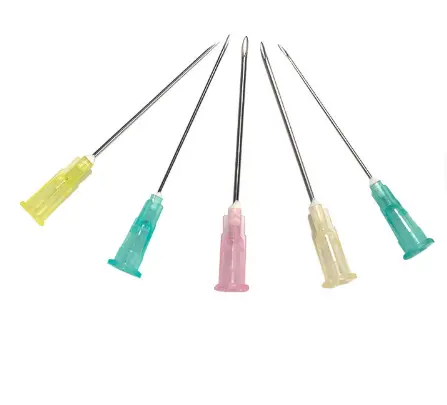
A hypodermic needle is a hollow, precisely made medical device used to administer medicines under the skin, into the muscle, or into an IV, as well as to remove fluids. This clean tool is different from specialized types like insulin needles because it can be used in more situations and is built to higher standards. Its sharp, beveled tip cuts through tissue with little damage. Through its optimized lumen design and cutting-edge lubrication technologies, the hypodermic needle is a crucial tool in infection control, handling the serious issue of cross-contamination while providing a precise dose.
Understanding Hypodermic Needles: Definition and History
Evolution of Modern Injection Technology
In the middle of the 19th century, the invention of hypodermic needles had a profound impact on medical practice. In 1844, Irish doctor Francis Rynd came up with the idea of a hollow needle. At the same time, Alexander Wood and Charles Pravaz worked on improving designs for subcutaneous delivery methods. These groundbreaking efforts met the urgent need for quick and accurate drug delivery during pain control and surgical anesthesia.
Over the next few decades, improvements in production led to standard gauge measures, consistent bevel shapes, and finally single-use disposable designs that changed the way infections were prevented. Today's hypodermic needles are the result of material science advances and quality system processes that adhere to strict regulatory standards across global markets.
Technical Function and Design Optimization
Through carefully adjusted design features, the hypodermic needle allows for fluid transfer. The mechanics of penetration depend on the shape of the bevel. Regular bevels work best for general injections, while short bevels work best for treatments that need steep angles. The lumen width has a direct effect on the flow rate. Thin-wall technology maximizes the inner hole without increasing the outer gauge. This lets thick medicines flow through smaller, less painful needles.
These technical details are very important for procurement workers who are judging success in a range of clinical settings. Knowing how bevel angle, wall thickness, and hub connection standards impact injection speed and patient comfort helps you make smart buying choices that combine clinical effectiveness with operational cost-efficiency.
Key Components and Types of Hypodermic Needles
Anatomical Structure and Material Composition
Several combined parts work together to form a hypodermic needle. The hub is usually made of medical-grade polypropylene (PP), and it links safely to syringe systems using standard Luer slip or Luer lock fittings that meet ISO 80369 standards. This connection point is color-coded according to ISO 6009 standards, which makes it easy to find the gauge quickly in high-pressure medical settings.
The rod, or cannula, is made of high-quality stainless steel, usually AISI 304 or 316L types, which were chosen for their biocompatibility, tensile strength, and resistance to corrosion. This empty tube goes from the hub to the tip. It stays structurally stable under injection pressures and bends as little as possible while going through tissue. A medical-grade silicone oil covering lowers the coefficients of friction, which makes entry smoother and less painful for the patient.
The bevel is the needle's sharpened tip, which is ground by precise production to make clean entry points. Tri-beveled designs move tissue around instead of cutting cores, which lowers the risk of damaging cells and blood. Modern grinding methods make sure that the edges are smooth and free of burrs. This is checked by automatic visual screening systems during quality control.
Classification by Gauge and Application
The needle gauge measurement works the other way around: bigger numbers mean smaller-diameter cannulas. Clinical uses cover a wide range, from 15G to 31G, and each one is used for a different medical reason. Large-bore needles (15G-18G) make it easier to give fluids quickly during emergency rescue or blood giving, when flow rate is more important than patient comfort. Mid-range gauges (20G-23G) are great for intramuscular injections and general drug delivery because they have a good mix of flow rate and tolerable pain. Fine sizes (25G-31G) are good for subcutaneous injections, pediatric use, and cosmetic medicine where tissue sensitivity calls for little damage during insertion.
Lengths between 13 and 18 mm can be used for a variety of injection levels, such as those needed for subcutaneous and intramuscular methods. These factors need to be matched by procurement managers to the institution's rules and the types of patients they have. For example, infant facilities need different inventory profiles than adult surgical centers or elderly rehabilitation units.
Specialized Variants for Niche Applications
In addition to normal shapes, specialty needles are made to solve specific healthcare problems. Butterfly needles have flexible tubes and wing grips that make venipuncture processes more stable for people whose veins are weak or hard to reach. The rounded tips of blunt-fill needles make it safe to take medicine out of bottles without coring the rubber stoppers, which keeps particles from getting into the medicine. Safety-engineered devices have retractable mechanisms or protected sheaths that go into action after a shot. This makes it much less likely for healthcare workers who handle dirty needles to get hurt.
Even though these specialty versions cost more, they provide real value by making procedures safer and more likely to succeed. When looking at a supplier's collection, quality and compliance officers should check to see if the makers offer a wide range of products that meet both common and unique institutional needs within a single set of certification standards.

How to Choose the Right Hypodermic Needle: A B2B Buying Guide
Matching Specifications to Clinical Requirements
Clear application planning is the first step in making procurement choices. In hospital emergency rooms, large-bore needles with fast flow are preferred, while in outpatient vaccination clinics, mid-gauge choices that balance speed with patient comfort are preferred. In laboratories, precise tools that work with sample collection systems are needed, and OEM partners want specs that can be changed to work with their own medical devices.
AVACARE makes hypodermic needles with gauges ranging from 15G to 31G and lengths from 13mm to 18mm, giving them freedom across this application range. Our medical-grade PP hubs make sure that Luer connections work reliably, and our high-quality stainless steel cannulas stay sharp and strong even after a lot of use in the clinic. The EO gas cleaning process meets ISO and CE standards for sterility assurance, meeting the needs of both European and American hospital markets.
Evaluating Supplier Capabilities and Certifications
Reliable suppliers have complete quality control systems that are backed up by certificates that are known around the world. ISO 13485 approval is only for companies that make medical devices. It sets strict rules for the design, production, and tracking of those processes. The CE label shows that the product meets the requirements of the European Medical Device Regulation, and the FDA registration shows that it meets the requirements of the US quality system.
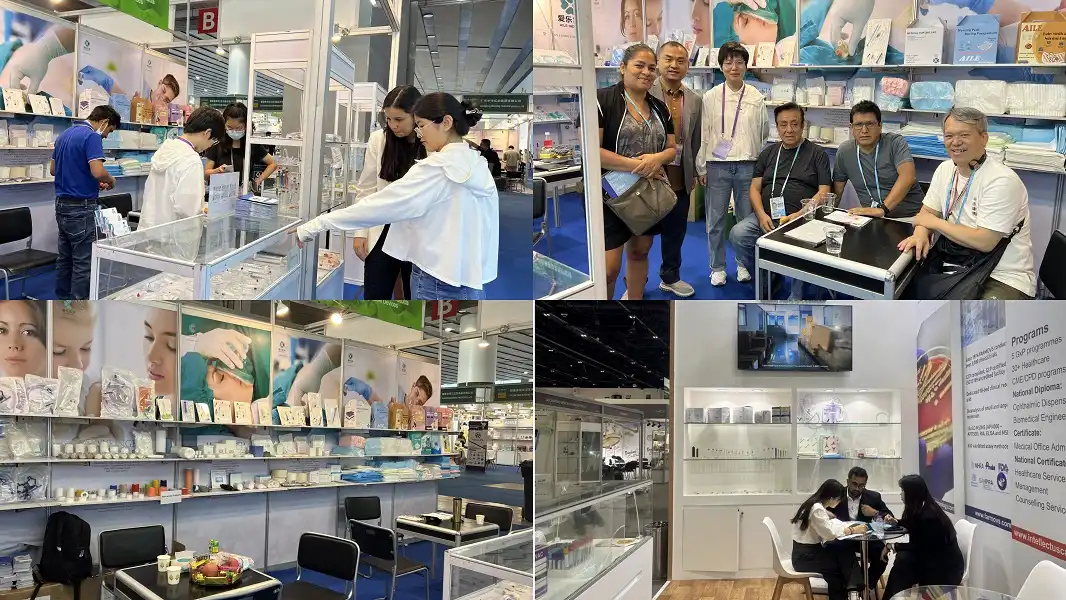
In addition to basic certificates, procurement managers should check the patent holdings of suppliers to see if they are investing in ongoing research and development. AVACARE has seven national patents, which show that they are always coming up with new ways to make needles. Our 12,000-square-meter production center has 100,000-grade clean rooms that keep the industrial environments free of contamination that are needed to make sterile one-time use devices.
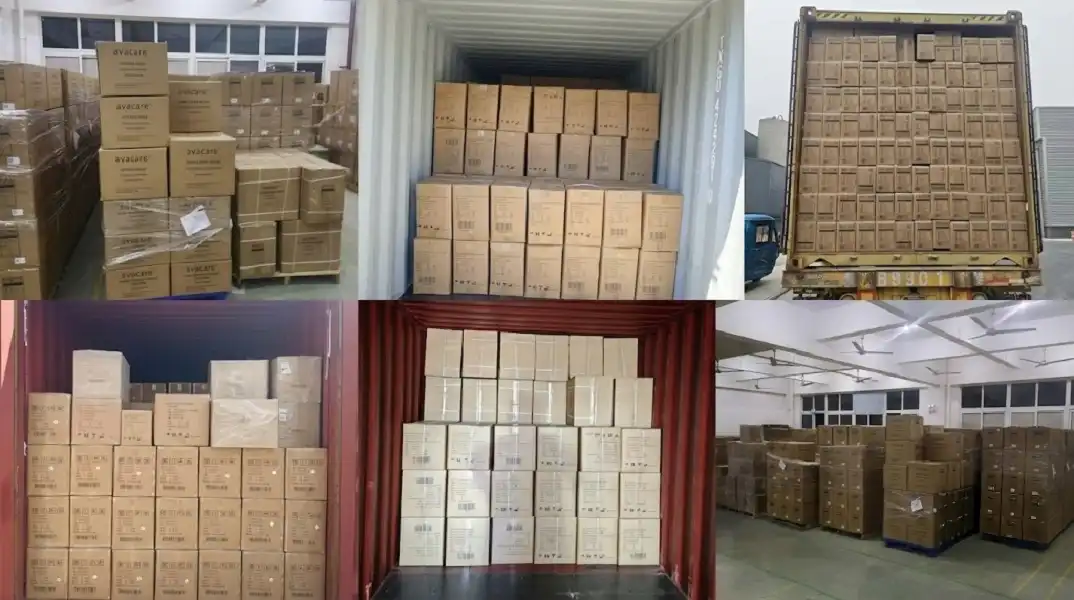
Another important rating factor is the stability of the supply line. Processing times of 30 to 45 business days, minimum order quantities beginning at 3,000 pieces, and flexible payment terms (LC or T/T) are all signs of responsive suppliers who can support institutional inventory management strategies without making it too expensive for mid-sized procurement operations.
Cost Analysis and Bulk Purchasing Strategies
When you commit to buying a lot of hypodermic needles, the price per unit goes down by a lot. This makes buying in bulk cheaper for big healthcare systems and distribution networks. Clear price systems that connect the number of items ordered to the cost per unit make it possible to accurately plan budgets and figure out the total cost of ownership.
But procurement managers have to weigh the need to save money right away against the need to store items, keep track of expiration dates, and limit capital allocation. Setting up vendor-managed inventory partnerships with certified providers can help with these problems because it transfers the responsibility of storage while still allowing for just-in-time delivery for urgent needs. AVACARE supports these kinds of collaborative buying models with our strong supply chain assurance programs and 24-hour quick response system that are made just for B2B healthcare partnerships.
Safety, Sterilization, and Proper Handling of Hypodermic Needles
Needlestick Prevention and Occupational Safety
When healthcare workers handle needles, they are exposed to a lot of dangerous chemicals. According to the Centers for Disease Control and Prevention, about 385,000 needlestick injuries happen every year among hospital staff in the United States. These injuries can spread bloodborne diseases like HIV, Hepatitis B, and Hepatitis C. Using strict safety protocols that include engineering controls, changes to work practices, and staff education programs can greatly reduce these incidents.
The best way to control engineering is to use safety-engineered gadgets that have built-in safety features. Specifications for buying needles should favor needles with automatic retraction systems or protected sheaths that go into action right after the injection and keep workers from touching sharp surfaces. Even though standard needles don't have built-in safety features, most accidents can be avoided by following "never recap" rules and throwing them away right away in containers that can't be punctured.
Sterilization Validation and Contamination Control
Single-use hypodermic needles go through final sterilization steps that have been proven to achieve sterility guarantee levels of 10⁻⁶, which means that there is less than a 1 in a million chance that living microorganisms will still be on the needle after treatment. When the temperature and humidity are managed, ethylene oxide (EO) gas sterilization works well on packaged items and doesn't leave any harmful leftovers when it's properly aerated. This method works well for heat-sensitive materials like silicone lubricants and plastic hubs without changing their mechanical features.
Gamma radiation treatment is an alternative method that uses ionizing radiation to kill the DNA of microbes. This cold process doesn't need an aeration time and can get through thick packing. However, bigger industrial companies can't use it because it costs more to set up. AVACARE uses EO gas cleaning procedures that have been approved by ISO 11135 standards. Each batch is documented so that everything can be tracked from the time the raw materials are received to the time the finished product is released.
Maintaining the purity of sterile packaging throughout all stages of marketing is still very important. Damaged or punctured packaging makes it less sterile, even if it was sterilized properly at first. Healthcare centers should have proper storage conditions and processes for getting items that protect against damage, moisture, and environmental contamination.
Regulatory Compliance and Disposal Requirements
The Occupational Safety and Health Administration (OSHA) Bloodborne Pathogens Standard in the United States sets detailed rules for how to handle and get rid of infected sharps. Healthcare facilities must keep sharps containers that meet performance standards for not leaking, not being punctured, and having a secure lid. Containers must be clearly marked with biohazard symbols and thrown away at qualified medical waste treatment facilities that use autoclaving, burning, or other approved methods of treatment.
Under the EU Waste Framework Directive, member states of the European Union have similar rules. For example, used needles are considered dangerous medical waste and need to be collected separately and treated in a special way. When purchasing needles for foreign operations, procurement managers need to make sure that the suppliers they work with know the rules and regulations that apply in each location and can provide proof of compliance during facility audits and regulatory inspections.

Conclusion
Hypodermic needles are basic medical devices where the needs for quality, safety, and legal compliance meet the needs for operating efficiency. When purchasing these important supplies, people in charge of procurement have to compare technical specs to clinical needs and check the certifications and manufacturing capabilities of the suppliers. Knowing about needle structure, gauge systems, sterilization methods, and safety rules helps you make smart choices about where to get supplies that protect both patients and healthcare workers.
AVACARE is dedicated to ISO 13485 and CE standards. Our wide range of products, from 15G to 31G, and our ability to provide OEM/ODM services make us a trustworthy partner for healthcare facilities and medical device distributors around the world who need consistent quality, full traceability, and quick supply chain support.
FAQ
What distinguishes hypodermic needles from insulin needles?
Hypodermic needles have a wider range of gauges and different lengths for different clinical uses. Insulin needles, on the other hand, are designed for subcutaneous delivery and have shorter lengths (usually 4-12 mm) and finer gauges (28G-32G) that make them easier for the patient to use and allow for shallow penetration depths.
How can buyers verify needle safety and quality standards?
To verify a seller, you have to look at their certifications, such as ISO 13485 for quality management systems, CE marking for compliance in Europe, and FDA registration for entry to the U.S. market. Ask for proof that the cleaning process worked, that the product is biocompatible according to ISO 10993, and that the puncture force data shows that the sharpness is the same across production batches.
What are the cost implications of disposable versus reusable needles?
While disposable needles cost more per unit, they don't need to be reprocessed, don't need to be stored in a way that prevents cross-contamination, and don't need to be sterilized. A full cost analysis must take into account the value of preventing infections, the work needed to follow rules for reusing devices, and the risk of liability that comes from possible sterilization failures. In modern healthcare settings, disposables are used almost exclusively because they are safer and easier to use.
Partner with AVACARE for Premium Hypodermic Needle Solutions
AVACARE can help you meet your buying goals by making hypodermic needles that are ISO 13485 and CE certified in our 12,000-square-meter plant with 100,000-grade clean rooms. Our product line, which includes 15G to 31G gauges, thin-wall technology, and ISO color-coded hubs, meets a wide range of clinical needs while keeping consistent quality and full batch tracking. As an experienced hypodermic needle maker, we offer OEM/ODM customization, which includes private labeling and localized packing. You can try out samples before you buy, and the minimum order quantity is just 3,000 pieces. Send an email to admin@aileindus.com to talk to one of our procurement experts about your particular needs, get product samples, and get bulk pricing that fits your supply chain strategy and budget.
References
1. Taddio, A., McMurtry, C.M., Shah, V., et al. (2015). "Reducing pain during vaccine injections: clinical practice guideline." Canadian Medical Association Journal, 187(13), 975-982.
2. Perry, J., Parker, G., Jagger, J. (2003). "EPINet Report: 2001 Percutaneous Injury Rates." Advances in Exposure Prevention, 6(3), 32-36.
3. International Organization for Standardization. (2016). "ISO 7864:2016 Sterile hypodermic needles for single use." Geneva: ISO Standards.
4. Hutin, Y., Hauri, A., Armstrong, G. (2003). "Use of injections in healthcare settings worldwide: literature review and regional estimates." British Medical Journal, 327(7423), 1075-1078.
5. United States Pharmacopeia. (2020). "USP <1229> Sterilization of Compendial Articles. "Rockville: USP Convention.
6. World Health Organization. (2015). "WHO guideline on the use of safety-engineered syringes for intramuscular, intradermal, and subcutaneous injections in health-care settings. "Geneva: WHO Press.

_1782811410038.webp)