What is an Epidural Needle? How Does an Epidural Work?
A special kind of medical tool called an epidural needle is designed to put local anesthesia into the space around the spinal cord called the epidural space. This process is a good way to control pain during labor, major surgeries, and treatments for chronic pain. The Tuohy form of the epidural needle, which helps doctors guide a catheter into place while lowering the risk of piercing the dura mater, is common. This unique structure makes it different from regular hypodermic needles and allows for ongoing drug absorption for long-lasting pain relief.
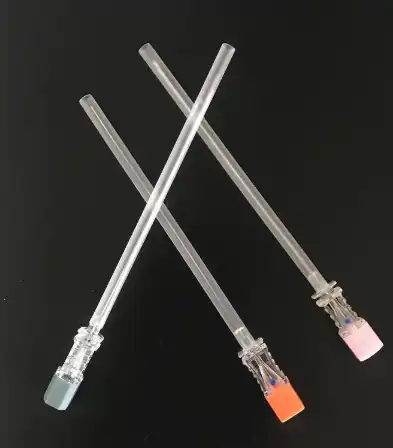
Understanding Epidural Needles: Definition and Anatomy
What Makes an Epidural Needle Unique?
One size does not fit all when it comes to the epidural needle. Its structure is the result of decades of clinical improvement efforts that tried to find a balance between accuracy and patient safety. Epidural needles don't have sharp tips like injection needles do. Instead, they have bent, blunt tips that gently move tissue instead of cutting through it. This design principle keeps nerve structures from getting hurt and keeps problems like accidental dural puncture to a minimum.
Common Gauge Sizes and Their Clinical Relevance
Gauge size has a direct effect on how well the procedure works. The AVACARE epidural needle range has types from 15G to 18G, and the lengths run from 80mm to 90mm. Larger gauge needles, like 15G or 16G, give better physical feedback and are better for patients with complicated anatomy. In normal treatments, 18G needles give better control. When buying teams know these details, they can better match goods with the different needs of pain management offices, surgical centers, and labor rooms.
Material Composition and Structural Integrity
Medical-grade PVC and precisely made stainless steel are combined in modern epidural needles. This pairing makes sure that flexibility doesn't come at the cost of strength. This lets the needle go around the spine's curves while keeping the opening stable for catheter placement. The AVACARE goods meet the strict worldwide quality standards set by ISO 13485 and have CE certification to prove it. Each unit has clear graduation marks that help doctors see the entry depth in real time. This is an important safety feature that keeps people from putting too much in, which could lead to problems.

Epidural vs. Spinal Needles: Key Differences and Clinical Considerations
Design Distinctions That Matter
Even though both types of needles are used to treat spine problems, they are used in different ways because of how they are built. A spinal needle goes through the dura mater and into the cerebrospinal fluid to give medicine directly. This causes quick but short-term paralysis. Its tip is straight and sharp, made to make a single, accurate hole. The Tuohy-curved epidural needle, on the other hand, slides along the dura's outer surface, making room for a tube that can transport drugs continuously for hours or days.
Context-Specific Applications in Anesthesia Delivery
When long-term pain control is needed, epidural anesthesia really shines. Epidural tubes are used in obstetric labor analgesia to relieve pain during active labor while still letting the patient move around. For managing pain after surgery, continuous infusion is helpful because it cuts down on the need for systemic painkillers and the side effects that come with them. On the other hand, spinal anesthesia is better for faster treatments that need to start quickly, like cesarean sections or orthopedic surgeries on the lower limbs.
Risks, Limitations, and Best Practice Selection
There are risks with every method. If a large-gauge needle is used during spinal anesthesia, it can cause a post-dural puncture headache. Also, epidural placement can sometimes cause patchy pain relief or catheter movement. Buying decisions should be based on the clinical situation. For example, hospitals that do a lot of obstetric procedures should have a wide range of Epidural needle gauges on hand. Surgical centers that only do short procedures may want to focus on spinal needles with pencil-point tips to lower the number of headaches they cause.
Safety, Risks, and Complications Associated with Epidural Needles
Common Adverse Events and Mitigation Strategies
The most common problem is still accidental dural puncture, which happens when the needle tip pokes a hole in the dura mater by accident. This event can lead to serious headaches and needs medical help right away. Even though infections are rare, they can be very bad during neuraxial treatments. This risk is greatly lowered by strictly following sterile methods and using single-use needles that are individually packed. AVACARE epidural needles come in blister packs or sets with syringe needles, which keeps them clean from the plant to the patient's bedside.
Technological Advances Enhancing Patient Outcomes
Going from sharp to flat Tuohy tips is a big step forward in quality. The curved, blunt shape gives better tactile feedback during the loss-of-resistance method, which helps doctors more accurately find when something enters the epidural area. High-contrast depth marks, which come standard on AVACARE models, make the procedure even safer by letting the operator check the depth in real time. Because of these small improvements, there are fewer problems, procedures take less time, and patients are happier.
Evaluating Suppliers Through a Compliance Lens
Quality officers and buying managers need to give more weight to sellers with strong quality management systems. ISO 13485 certification shows that the company follows the rules for making medical devices, and CE and FDA approvals show that the company follows the rules for the European and American markets. Batch tracking systems let you respond quickly to bad things that happen, which protects both patient safety and the institution's image. To make sure the supply chain is reliable in the long term, when looking at possible partners, ask for proof of production base standards, quality test results, and post-market surveillance data.

Procuring Epidural Needles: What B2B Buyers Need to Know
Critical Purchasing Factors for Healthcare Institutions
When looking for neuraxial tools, procurement workers have to deal with a lot of different factors. The gauge size, epidural needle length, and shape of the tip must all match therapeutic guidelines and the type of patient. Disposability is a must in modern healthcare because it eliminates the chance of reprocessing and ensures uniform performance. Choices of packaging are also important. Single blister packs work well for clinics that don't see many patients, while bulk boxes with injection needle pairs make it easier for surgical centers that see a lot of patients to keep track of their supplies.
Assessing Brand Quality and Supplier Support
Clinical approval and large support networks have helped build the names of leading global brands. In the same way, AVACARE has built its reputation through strict testing, foreign certificates, and helpful customer service. Our goods are up to the high standards of hospital networks, clinic chains, and medical groups with offices all over the world. In addition to high-quality products, we also provide technical training materials, multilingual guides, and sample videos to help healthcare staff get the most out of their devices. Our 24-hour fast response system helps procurement managers make sure that pressing orders are handled quickly and correctly, without compromising quality assurance standards.
Logistics and Cost Optimization Strategies
For global buying to work, transportation must be very well organized. AVACARE accepts a number of payment ways, such as L/C and T/T, to accommodate a range of financial processes. With a minimum order number of 5,000 pieces, we make sure that both small and big hospital systems can get what they need. Samples make it possible to test something out before placing a large order, which lowers the risk of buying. With private label services, you can customize everything from the packaging to the logo. This way, OEM partners can make sure that the goods match their brand while taking advantage of our production know-how and legal credentials.

How Epidural Needles Work: Procedure Explanation and Best Practices
Step-by-Step Procedural Overview
The spinal process is done in steps that are carefully planned out. Once the patient is in the right position and the insertion spot is clean, the doctor or nurse uses ultrasound or palpation to find important structural markers. The epidural needle moves through the skin, subcutaneous muscle, and tendons while the doctor checks for resistance all the time. When you get to the ligamentum flavum, the loss-of-resistance method is very important: as soon as the needle tip goes into the epidural space, there is a quick drop in pressure that shows you're in the right place. After putting a catheter through the needle's opening, the needle is pulled out and the catheter is fixed so that the anesthetic can be infused continuously.
How Needle Design Influences Clinical Outcomes
Precision engineering has a direct effect on how well a procedure works. The exact angle of the Tuohy curve moves the tube to the front, away from nerve roots and blood vessel structures. AVACARE needles have great tactile feedback because the materials used are carefully chosen and the production process is very precise. This lets doctors feel even the smallest changes in tissue planes. Clear graduation marks keep you from over-inserting, which can go wrong when you're not careful. These design features work together to shorten the process, lower the risk of complications, and make the patient more comfortable during and after the needle entry.
The Role of Training in Optimizing Device Performance
Skilled workers are needed for even the best tools. In-depth training programs teach how to properly handle needles, place patients, and spot complications. AVACARE supports clinical success by providing customized training materials such as how-to videos and live demos. Simulation-based learning lets professionals improve their loss-of-resistance skills before they use them on real patients. Institutions that spend in ongoing staff growth report fewer problems during procedures, higher success rates on the first try, and higher patient happiness scores. Case studies from partner hospitals show that using good devices and strict training methods together leads to noticeable gains in patient outcomes and operating efficiency.
Conclusion
In contemporary anesthesia and pain control, the epidural needle is a crucial tool. Its unique design, which includes a curved, blunt Tuohy tip, accurate gauge size, and clear depth marks, makes it safe and effective to use in a wide range of clinical situations. Buying things depends on knowing the basic requirements, following the rules, and the supplier's skills. AVACARE does everything right; their goods are CE- and ISO 13485-certified and are made in 12,000-square-meter factories with 100,000-class cleanrooms. Our dedication goes beyond just making products; it also includes full-lifecycle support, quick-response operations, and solutions that can be changed to fit the changing needs of healthcare institutions around the world.
FAQ
What distinguishes an epidural needle from a spinal needle?
In contrast to spinal needles, which have sharp, straight tips meant to cut the dura for direct access to the cerebrospinal fluid, the epidural needle has a blunt, curved Tuohy tip that is designed to move the tube away from the dura. Additionally, epidural needles have bigger openings that can support catheter placement, allowing for continuous anesthetic injection rather than a single-shot delivery.
Which gauge size should procurement managers prioritize?
Selection is based on the number of patients and their characteristics. An 18G needle is good for most treatments on adults because it gives good physical feedback and works with most catheter systems. Institutions that work with a wide range of people should have a variety of sizes on hand, such as 15G or 16G for difficult anatomy cases and 18G for everyday cases. The AVACARE models come in lengths of 80 mm and 90 mm and run from 15G to 18G, so they can be adjusted to meet the needs of any school.
Are bulk purchasing options available for large hospital systems?
Institutions can buy from AVACARE because they have a minimum order number of 5,000 pieces, offer bulk discounts, and offer flexible payment methods such as L/C and T/T. Samples are available so that clinical tests can be done before big promises are made. Private label services let OEM partners change the packaging and branding to match company standards.
Partner with a Trusted Epidural Needle Supplier
When hospitals and medical device wholesalers need trusted neuraxial instruments, AVACARE is the company to work with. Our epidural needle selection, which ranges from 15G to 18G sizes and lengths from 80mm to 90mm, is made of medical-grade PVC and precision stainless steel, providing patients with excellent physical feedback and safety. Our Class III devices meet strict international standards and are certified by CE and ISO 13485. You can also customize them with your own brand name to support your business. Procurement managers, clinical directors, and OEM partners are welcome to look through our full catalog, ask for samples of our products, and talk to us about custom quotes that meet your specific supply chain needs. Get in touch with our staff at admin@aileindus.com to find out how our full-lifecycle support, quick response times, and tried-and-true quality assurance methods can help your hospital operations and improve patient outcomes.
References
1. Turnbull DK, Shepherd DB. Post-dural puncture headache: pathogenesis, prevention, and treatment. British Journal of Anaesthesia. 2003;91(5):718-729.
2. Chestnut DH, Wong CA, Tsen LC, et al. Chestnut's Obstetric Anesthesia: Principles and Practice. 6th ed. Philadelphia: Elsevier; 2020.
3. Hogan QH. Epidural anatomy examined by cryomicrotome section. Regional Anesthesia and Pain Medicine. 1996;21(5):395-406.
4. Neal JM, Barrington MJ, Fettiplace MR, et al. The Third American Society of Regional Anesthesia and Pain Medicine Practice Advisory on Local Anesthetic Systemic Toxicity. Regional Anesthesia and Pain Medicine. 2018;43(2):113-123.
5. Simmons SW, Taghizadeh N, Dennis AT, et al. Combined spinal-epidural versus epidural analgesia in labor. Cochrane Database of Systematic Reviews. 2012;10:CD003401.
6. American Society of Anesthesiologists Task Force on Obstetric Anesthesia. Practice Guidelines for Obstetric Anesthesia: An Updated Report. Anesthesiology. 2016;124(2):270-300.

_1782811410038.webp)