What is the difference between epidural kit and spinal kit?
The primary difference between an epidural kit and a spinal kit lies in their procedural application and component design. An Epidural Anaesthesia Kit delivers medication into the epidural space outside the dural sac, utilizing a Tuohy needle and catheter system for continuous or intermittent drug administration, making it ideal for labor analgesia and prolonged post-operative pain control. Conversely, a spinal kit injects anesthetic directly into the cerebrospinal fluid via a single-use, thinner spinal needle for immediate surgical blockade. Understanding these distinctions enables healthcare procurement professionals to select appropriate neuraxial tools aligned with clinical protocols and patient safety requirements.
Understanding Epidural and Spinal Anaesthesia Kits
Regional anesthesia has changed the way pain is managed in surgical and obstetric settings by allowing for targeted relief while limiting drug exposure to the whole body. Both epidural and spinal methods are important parts of modern anesthesia practice, but they are used for different medical reasons and have very different ways of delivering the medicine.
Defining the Epidural Anaesthesia Kit
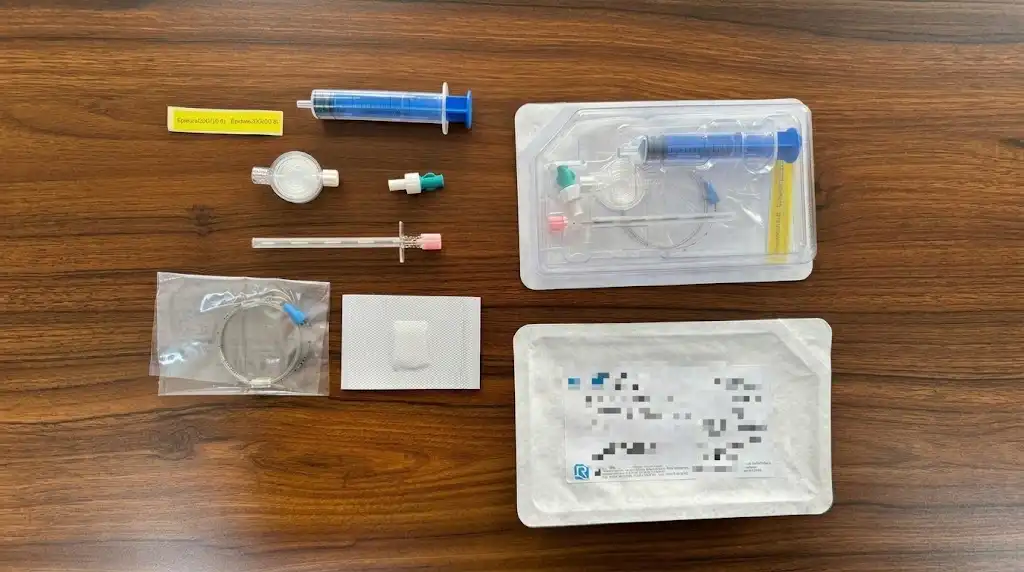
An epidural kit has several clean tools that are meant to deliver medicine precisely into the epidural space, which is the space between the spinal canal and the dura mater. A Tuohy needle (usually 16G to 18G gage with a curved Huber tip), an epidural catheter made of medical-grade polyurethane or PEBAX, a Loss of Resistance (LOR) syringe for space identification, a bacterial filter with 0.22 μm pores, and different connectors that meet ISO 80369-6 (NRFit) standards to avoid neuraxial misconnections make up the main parts. Modern kits from companies like AVACARE have all of their parts built to work with each other. This makes sure that everything fits perfectly and that there are no mismatched connections during important procedures. These kits solve problems that have been around for a long time, like the chance of accidentally puncturing the dura mater, the need for total sterility during neuraxial treatments, and catheter migration during long infusions.
Spinal Anaesthesia Kit Components and Purpose
In contrast, spinal kits are easier to use. They come with a fine-gauge spinal needle (usually 22G to 27G), an introducer needle, a clean syringe, and tools for preparing the skin. A single injection is used to go through the dura and into the subarachnoid space, which is where cerebrospinal fluid flows. This method creates a dense, quick-onset sensory and motor blockade that is good for surgeries on the lower abdomen, pelvis, and lower limbs. Because the process is only done once, the design is simple because there is no need for catheter systems or ongoing infusion equipment.
Essential Safety Protocols
Both types of kits require strict attention to aseptic method and accuracy in anatomy. Before using a sterile barrier, clinicians must make sure it is intact, make sure the patient is properly positioned, and use ultrasound or fluoroscopic help when finding anatomical points is hard. The choice of method relies on how long the procedure will take, how much painkilling is needed, and any special problems with the patient that make the technique unsafe, like coagulopathy or a localized infection.
Key Differences Between Epidural and Spinal Anaesthesia Kits
When purchasing managers and clinical directors know the technical and clinical differences between these neuraxial approaches for Epidural Anaesthesia Kit, they can make choices based on facts that are in line with the goals of the institution and patient safety standards.
Procedural Technique and Anatomical Targets
To place an epidural, the doctor must find the epidural space using the loss-of-resistance method. This means slowly moving the Tuohy needle into the space until they feel the characteristic "give." The tube is then put through the needle so that the drug can keep being given. Both the needle and the catheter have depth markings that help with placement and lower the risk of complications. For spinal anesthesia, the dura mater must be fully punctured, which can be proven by cerebrospinal fluid flashback in the needle hub. Medications must then be injected right away without placing a catheter.
Kit Composition and Component Specifications
The changes in composition are due to practical needs:
- Needle Design: Epidural kits feature larger-bore Tuohy needles (16G-18G) with curved tips facilitating catheter redirection, while spinal needles are thinner (22G-27G) with pencil-point designs minimizing post-dural puncture headache incidence.
- Catheter Systems: Only epidural kits include catheters, which must demonstrate optimal flexibility-to-kink resistance ratios. AVACARE's enhanced safety catheters feature soft, atraumatic tips and radio-opaque markings for X-ray visibility, ensuring accurate placement verification.
- Filtration Components: Epidural kits incorporate bacterial filters to prevent microbial contamination during continuous infusion, a feature absent in single-shot spinal kits.
These design elements go through strict ISO 10993 biocompatibility tests, and all of the materials used are DEHP- and latex-free to keep allergic reactions and toxic exposure to a minimum.
Clinical Benefits and Side Effect Profiles
In obstetric situations, epidural anesthesia gives titratable pain relief while keeping the person conscious and allowing them to move around during labor. Some problems that could happen are partial blockage, intravascular catheter movement, and very rarely, the creation of an epidural abscess. Spinal anesthesia provides a stable, dense blockade for surgery that starts faster. However, it comes with the risk of temporary neurological symptoms and a headache after a spinal puncture, though modern pencil-point needles have made this problem much less common. Because spinal blockade lasts for a set amount of time, extra sedation may be needed for longer procedures. On the other hand, epidural catheters can be used for longer periods of time to fit surgical or recovery schedules.
How to Choose the Right Anaesthesia Kit for Your Facility?
When making purchases, people need to think about how well the Epidural Anaesthesia Kit works in the body, how well it follows the rules, and how efficiently it runs, all while keeping the budget in mind. These many-sided issues are taken into account by a systematic selection scheme.
Clinical Indication Matching
Obstetric units prefer spinal devices for labor pain relief because they can be adjusted and used for longer periods of time. Surgical centers that do orthopedic or urological treatments that last less than 90 minutes may like spine kits because they can be used quickly and don't cost as much. Many post-operative pain services have both types on hand, and they choose which to use based on how long the painkiller is expected to last and how much movement the patient needs.
Quality Assurance and Brand Reliability
Leading manufacturers have quality management systems that are certified by ISO 13485 standards and are very strict. AVACARE has 100,000-class clean rooms that are 12,000 square meters in size. They do a lot of quality control, like testing for tensile strength according to ISO 10555, making sure there are no leaks or pressure problems at 300kPa, and making sure there are no ethylene oxide residuals above 10ppm. The company has seven national patents and CE and FDA certifications, which shows that it can keep coming up with new ideas. When looking at names like BD, B Braun, or Medtronic, purchasing officers should ask for batch tracking paperwork, look at data on shelf life stability (usually 3–5 years), and use dye penetration testing results to check the integrity of the packaging.
Cost-Effectiveness and Supply Chain Stability
Using disposable kits instead of reusable ones cuts down on costs and risks of cross-contamination, which is in line with current ideas about how to stop infections. Bulk purchasing agreements with minimum order quantities, like AVACARE's 5,000-piece limit, allow for volume discounts and make sure that supplies don't run out. To avoid running out of stock when demand goes up, distributors should look at their suppliers' production ability (AVACARE makes 100,000 pieces every week) and emergency shipping options.
Procurement Insights: Buying Epidural and Spinal Anaesthesia Kits
Strategic buying includes more than just product specs. It also includes ties with suppliers, making sure that rules are followed, and finding the best ways to save money. When procurement managers have the right information, they can effectively handle the complicated world of acquisitions.
Supplier Selection Criteria
Reputable medical device suppliers make their manufacturing standards clear, offer thorough technical documents, and keep their customer service systems up to date. AVACARE provides sample support so that clinical testing can be done before larger orders are placed. They also allow OEM/ODM customization for private labeling, localized packaging, and language-specific instructional materials. Check the global transportation skills of sellers, such as their knowledge of cross-border regulations and transport insurance, to make sure that international purchasing goes smoothly.
Compliance and Certification Essentials
Class II Epidural Anaesthesia Kit medical devices need to be closely watched by the government. Check that suppliers have up-to-date ISO 13485 certification and product-specific clearances (CE marking for European markets and FDA 510(k) for US distribution). Ask for Certificates of Analysis for each batch, which will show that biocompatibility tests, sterility assurance, and the material makeup have been done. Suppliers should allow full tracking from where the raw materials come from to how they are packaged at the end, so that problems with quality can be quickly fixed for each lot.
Pricing Trends and Negotiation Strategies
Based on a study of the market, standard epidural kits have stable prices that range from USD 15 to USD 35 per unit, depending on how complex the parts are. On the other hand, spinal kits usually cost USD 8 to USD 18. Costs are often cut by 10 to 20 percent when customers commit to buying in bulk, sign multi-year contracts, and are willing to accept stock setups instead of a lot of customization. Distributors that work with more than one facility can use their combined buying power to their advantage by grouping orders together to meet minimum quantity requirements and then distributing inventory to different locations. Instead of just looking at the cost of buying one unit, ask for thorough ROI analyzes that compare the total cost of ownership, which includes things like storage, training, and getting rid of waste.

Best Practices and Safety Precautions When Using Epidural and Spinal Kits
For neuraxial anesthesia to be done well in the clinic, it needs to be carefully planned, done correctly, and closely watched afterward. These protocols protect patient outcomes while making the best use of resources.
Pre-Procedure Preparation Protocols
Clinicians must carefully evaluate each patient by looking at their coagulation patterns, drug histories, and physical details. Before opening the kit, it is inspected to make sure that the packaging is complete and that there are no obvious problems. Setting up a workspace means making sure there is enough light, the right tools for placing patients, and resuscitation materials are close at hand. During the procedure timeout, the patient's name, the direction of the operation (if needed), and any allergies should be confirmed.
Critical Safety Checkpoints During Administration
When an epidural catheter is put in, it needs to be dosed gradually and aspirated often to check for systemic or intrathecal catheter movement. AVACARE's catheters have clear depth markings that make it easy to insert them precisely and in a way that fits the patient's body. For the LOR syringe to work, the plungers need to have low friction, which can be achieved by lubricating them with medical-grade silicone. This allows for tactile sensitivity during space identification. In spinal treatments, the return of cerebrospinal fluid must be confirmed before an injection is given, and medicine must be given slowly to keep pressure changes to a minimum. Ultrasound guidance can help with both techniques in patients with complicated anatomy, which lowers the number of attempts and the number of complications.
Risk Management and Post-Procedure Monitoring
Continuous hemodynamic tracking finds low blood pressure caused by sympathetic blockade that needs fluid rescue or vasopressor treatment. Regular neurological exams find early signs of spinal hematoma or abscess growth so that treatment can begin right away. Details about the technique, the depth of the catheter, the medicines that were given, and the starting block height should all be recorded. This will provide baseline data for handoff communication. It is important for staff training programs to stress how to spot complications and follow emergency reaction procedures. This can be done through simulation-based learning and regular competency validation.
Conclusion
Being able to tell the difference between Epidural Anaesthesia Kit and spinal anesthesia kits helps purchasing workers make sure that purchases are in line with clinical processes and patient safety needs. Through catheter-based delivery, epidural systems offer flexible, long-lasting pain relief, while spine kits provide quick surgical blocking with a single shot. Technical requirements, following the rules, relying on suppliers, and keeping costs down are all important parts of successful buying. AVACARE is dedicated to precise engineering, ISO-certified manufacturing, and full customer support. This makes the company a reliable partner for healthcare facilities looking for neuraxial anesthesia options. Careful choice of these important medical devices has a direct effect on patient outcomes, operational efficiency, and the reputation of the institution.
FAQ
Can Epidural and Spinal Kits Be Used Interchangeably?
No, these kits are not transferable because they are used for different procedures. For constant drug delivery, epidural kits make it easier to place a catheter, and spinal kits let you give a single injection into cerebrospinal fluid. Using the wrong tools can put patients at risk and make the procedure less effective.
What Safety Precautions Are Critical When Using Epidural Kits?
During the procedure, use strict aseptic technique, make sure the NRFit connector works to avoid medication route errors, and use incremental dosing with frequent aspiration to find catheter migration. Continuous tracking of hemodynamics during the first dose quickly finds any bad responses.
How Do You Choose Between Reusable and Disposable Kits?
Cross-contamination risks and recycling costs are eliminated by disposable kits, which is in line with current infection control standards. They keep the cleanliness and efficiency of the parts the same from one use to the next. In most healthcare settings, throwaway systems are better than reusable ones because they don't need to be sterilized as thoroughly and the materials might break down over time.
Partner with AVACARE for Reliable Epidural Anaesthesia Kit Supply
Healthcare procurement managers and medical device distributors looking for a reliable supplier of epidural and spinal anesthesia kits will find that AVACARE's wide range of products meets their strict clinical and logistical needs. Our ISO 13485-certified factory makes 100,000 units every week, which keeps supply chains stable even when demand is high. We accept bulk orders starting at 5,000 pieces and offer reasonable pricing. Our OEM and ODM services allow for private marking and packaging customization to help your brand stand out. Each AVACARE kit goes through strict quality checks, such as tensile strength testing, sterile confirmation, and biocompatibility assessment. These checks are backed by CE and FDA certifications. Our Class II devices come with 304 stainless steel needles in sizes 15G to 18G, hard box packing for each device, and all of their parts are designed to work with each other. Contact our experts at admin@aileindus.com or visit ailemedicals.com to learn more about how our Epidural Anesthesia Kit solutions can improve your procurement efficiency and clinical confidence. Technical teams offer multilingual support, product training, and quick response times to inquiries.
References
1. Hogan, Q. H. (2008). Distribution of Solution in the Epidural Space: Examination by Cryomicrotome Section. Regional Anesthesia and Pain Medicine, 27(2), 150-156.
2. Horlocker, T. T., Wedel, D. J., & Rowlingson, J. C. (2010). Regional Anesthesia in the Patient Receiving Antithrombotic or Thrombolytic Therapy: American Society of Regional Anesthesia and Pain Medicine Evidence-Based Guidelines. Regional Anesthesia and Pain Medicine, 35(1), 64-101.
3. Neal, J. M., Barrington, M. J., & Brull, R. (2015). The Second ASRA Practice Advisory on Neurologic Complications Associated with Regional Anesthesia and Pain Medicine. Regional Anesthesia and Pain Medicine, 40(5), 401-430.
4. Turnbull, D. K., & Shepherd, D. B. (2003). Post-dural Puncture Headache: Pathogenesis, Prevention and Treatment. British Journal of Anaesthesia, 91(5), 718-729.
5. Beilin, Y., Zahn, J., & Comerford, M. (1999). Treatment of Incomplete Analgesia After Placement of an Epidural Catheter and Administration of Local Anesthetic for Women in Labor. Anesthesiology, 88(6), 1502-1506.
6. Choi, P. T., Galinski, S. E., & Takeuchi, L. (2003). PDPH is a Common Complication of Neuraxial Blockade in Parturients: A Meta-analysis of Obstetrical Studies. Canadian Journal of Anaesthesia, 50(5), 460-469.

_1782811410038.webp)