What material is nasal preformed cuffed tracheal tube made of?
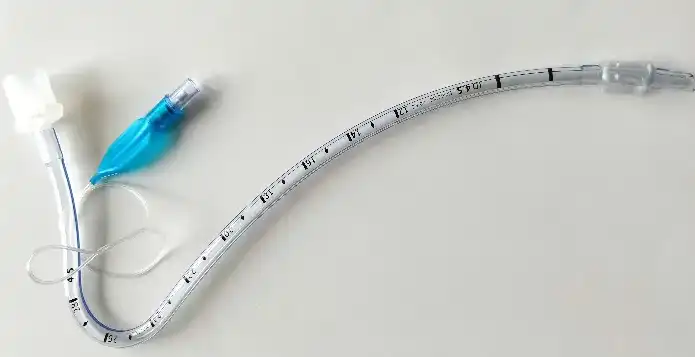
Nasal preformed cuffed tracheal tubes are predominantly manufactured from thermosensitive, medical-grade polyvinyl chloride (PVC), which possesses the unique property of softening at body temperature to conform naturally to a patient's upper airway anatomy. The cuffed endotracheal tube nasal preformed typically incorporates a high-volume low-pressure (HVLP) cuff system made from the same biocompatible PVC material, ensuring effective tracheal sealing while minimizing mucosal pressure and ischemia risk. Advanced manufacturers also utilize silicone and thermoplastic elastomers for specialized applications where enhanced flexibility, hypoallergenic properties, or extended durability are required, particularly in reconstructive surgeries and long-term ventilation scenarios.
Understanding Nasal Preformed Cuffed Endotracheal Tubes
Defining the Anatomical Design
The cuffed endotracheal tube nasal preformed represents a unique improvement in technology for managing airways. For example, most endotracheal tubes are straight and are only used for mouth intubation. This device is different because it has a "North-facing" curve that is factory-molded and follows the body's natural path from the nose to the trachea. Anesthesiologists and intensivists often have trouble keeping tubes stable and open during complicated maxillofacial procedures where mouth access is limited or not allowed. This prepared shape solves that problem.
Functional Advantages in Clinical Settings
The built-in inflatable cuff makes a good seal in the trachea, which stops oral or stomach contents from being aspirated and lets the surgeon precisely control the parameters of mechanical breathing. These tubes are very useful for hospitals that do a lot of dental reconstructions, orthognathic surgeries, and repairs for facial trauma. The preformed curve naturally guides the tube away from the surgical field. This design cuts down on the need to constantly reposition the patient and the chance of accidentally cutting the tube while the patient is moving or the surgeon is working on them.
Suitability Across Healthcare Environments
When looking at airway management options for emergency rooms, surgery centers, and critical care units, procurement teams need to think about how flexible the devices are. The nasal route is often more comfortable for aware or semi-conscious patients who need long-term ventilation because it lessens the stimulation of the gag response and makes it easier to keep up with mouth cleanliness than the oral route. This comfort benefit means that patients may not need as much sedation and may be able to stay in the ICU for shorter periods of time, which is good for both patients and hospitals' bottom lines.
Materials Used in Nasal Preformed Cuffed Endotracheal Tubes
Medical-Grade PVC: The Industry Standard
Thermosensitive polyvinyl chloride is the most popular material for cuffed endotracheal tube nasal preformed because nasal preformed cuffed tubes are stiff at room temperature and bendy at body temperature. When you put the device in your nose, the material stays in the shape that was pre-formed so that it can work. As soon as the PVC touches warm lung tissues, it softens and molds to each person's unique shape, making a custom fit that makes the patient more comfortable and lessens tissue damage. These days, formulas are made to not contain DEHP, so there are no worries about phthalate leaking after long-term use.
The medical-grade PVC used to make the high-volume low-pressure (HVLP) cuff spreads pressure over a bigger area of the pharynx, keeping seal pressures below 25 cm H₂O most of the time. Long-term exposure to higher pressures can damage capillary perfusion in tracheal tissues, which could cause ischemic injury. This pressure barrier is functionally important because of this. The material of the cuff must be able to consistently expand and contract, keeping its seal during surgery that lasts for several hours and not allowing tiny holes to form that could make ventilation less effective.
Silicone: Premium Alternative for Specialized Applications
Silicone has clear benefits in situations where better biocompatibility and less inflammation are needed. Silicone-based tubes may be better for people who are known to be sensitive to PVC or who need airway control for more than 48 hours. The material doesn't react much with tissue, which makes it perfect for children and people whose immune systems aren't working well. Silicone tubes keep their mechanical properties the same over a wider temperature range, and they don't break down when they come in contact with lipids and some pharmaceutical agents that are commonly used in critical care settings.
The downsides are higher costs to make and a little less resistance to kinks compared to thermosensitive PVC. When purchasing things, people in charge have to think about these things along with the patients they serve and the specific steps they need to take for their institutions. Facilities that focus on burn repair or head and neck cancer often keep both types of materials on hand to meet the needs of a wide range of patients.
Thermoplastic Elastomers: Emerging Innovation
Thermoplastic elastomers are new developments in material science that bring together the best qualities of PVC and silicone. These new polymers are very flexible, biocompatible, and resistant to damage from the environment. They also have prices that are similar to regular PVC. When thermoplastic elastomers are used to make the cuff devices, they close better and have smaller inflation amounts, which could lower the risk of tracheal dilation during long intubation times.
Sterilization Compatibility Considerations
The choice of materials has a direct effect on how well they work with cleaning protocols, which buying teams must carefully consider. Ethylene oxide (EtO) sterilization is usually used on medical-grade PVC tubes. This kills microbes without changing the properties of the material. This method needs enough aeration time to get rid of any leftover gas, which adds time to the supply chain but keeps patients safe. Gamma irradiation is an option for places that already have radiation cleaning equipment because it can be used quickly and doesn't leave behind any chemicals. Silicone tubes can be used with both ways, and some versions can even be sterilized in an autoclave. This gives schools with different sterilization options more options.
Compliance with International Standards
Choosing materials for medical equipment that will be sold around the world is based on how well they comply with regulations. Getting ISO 13485 certification shows that a company is dedicated to quality management systems that are especially made for making medical devices. The materials used to make the tubes must meet ISO 5361 standards for tracheal tubes and ISO 10993 biocompatibility requirements. This makes sure that all areas that come into touch with patients are thoroughly tested for their ability to kill cells, make them more sensitive, and cause irritation. If a medical device has a CE mark, it means it meets the rules for medical devices in Europe. If it has an FDA clearance, it means it meets the safety and performance rules in the United States. Professionals in charge of buying things should make sure that suppliers give them all the proof they need to show they follow these standards. This includes material certificates and records of how each batch was made.
How Material Selection Influences Procurement Decisions?Cost-Performance Balance Analysis
The economic side of cuffed endotracheal tube nasal preformed material choice includes more than just unit price; it also includes the total cost of ownership. Thermosensitive PVC tubes usually have the lowest cost to buy, but you need to weigh this benefit against how well they work in clinical situations that are unique to your use case. A surgical center that mostly does short procedures might get the best value for money with standard PVC tubes. On the other hand, a tertiary care hospital that deals with complex trauma cases might be able to justify the higher cost of silicone tubes by better patient outcomes and lower rates of complications.
Making deals with companies like AVACARE to buy in bulk can cut costs per unit by a lot while also making sure the supply chain is reliable. Medium-sized facilities should plan their inventory every three months, and the minimum order quantity of 100 pieces works well with that. The manufacturer can make 300,000 units per month, so you can be sure they can keep up with your institution's growth.
Matching Materials to Clinical Environments
When tubes are quickly deployed in emergency rooms, they need to be able to keep their shape. This is because stiffness at room temperature makes it easier to breathe through the nose. The ability of medical-grade PVC to sense changes in temperature meets this need perfectly. For reconstructive surgery suites, on the other hand, materials that are very flexible and don't react with tissue too much are best. This makes silicone a good choice, even though it costs more.
ICU procurement planning must take into account how long a patient will be in the unit. Standard PVC tubes work well for short-term ventilation events, but silicone tubes may be better for people who need ventilatory support for more than 72 hours and have better tolerance. When procurement managers understand these clinical details, they can come up with tiered inventory methods that improve both the level of care for patients and the use of resources.
Supplier Expertise and Quality Consistency
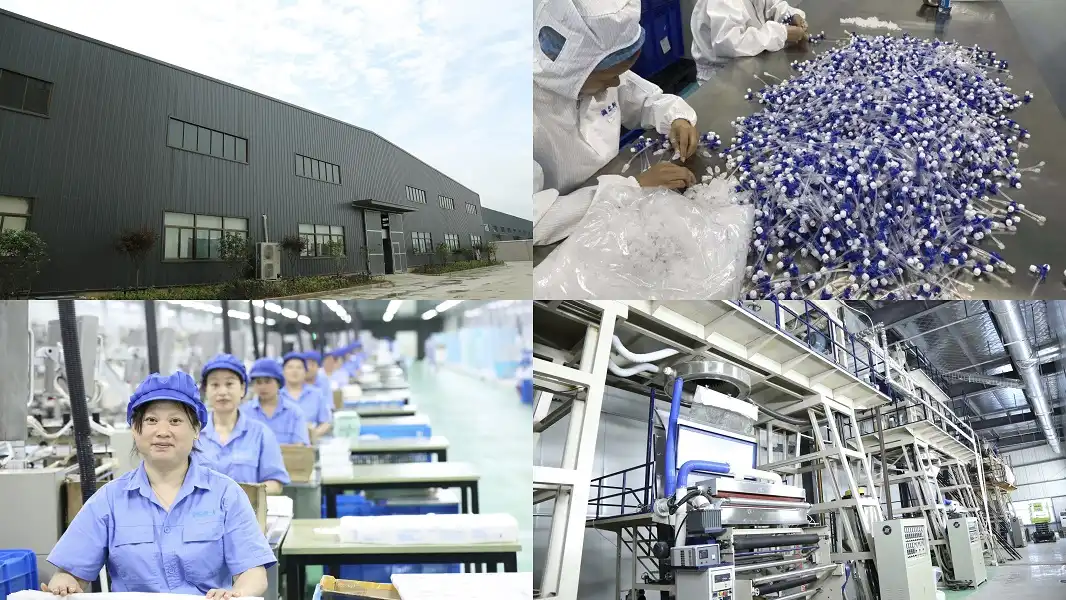
Building connections with makers who have shown they are experts in processing medical-grade materials pays off in the long run, going beyond just one transaction. The fact that AVACARE has ISO 13485 and CE certifications, as well as 7 national patents for new medical devices, shows that they are technically capable and committed to quality. Their 12,000 m² facility has Class 100,000 cleanrooms that keep the manufacturing areas free of contamination, which is important for making implantable and mucosal-contact devices.
There is a growing need for personalized solutions that are made to fit specific institutional standards or regional legal requirements. OEM and ODM services meet this need. Healthcare procurement teams that work with multinational networks really value suppliers that can change the packaging, labels, and paperwork to fit different market standards while keeping the quality of the core product the same.
Comparing Nasal Preformed Cuffed Endotracheal Tubes by Material
PVC Tubes: Versatility and Value
Polyvinyl chloride tubes are the most common type used in clinical settings because they are the most cost-effective and meet performance requirements. The thermosensitive behavior makes the device stiff at first so that it can be put into the nose without causing any damage. It then gradually softens, which eliminates pressure points and makes the patient more comfortable during long treatments. Because the material is clear, you can see where secretions are building up, which lets you start suctioning right away. The radiopaque line that runs the whole length of the tube makes sure that the positioning is correct on x-rays. This is an important safety feature for emergency intubations where injuries or swelling can make it hard to see anatomical landmarks.
Clinical feedback from maxillofacial surgery centers regularly shows that PVC tubes are reliable at keeping the airway open during treatments that require the patient to be repositioned many times. The preformed curve doesn't change shape under normal surgery loads, so you don't need bite blocks or other stabilization measures that make it harder to get to your mouth.
Silicone Tubes: Premium Performance Profile
Healthcare facilities that treat burn patients or do long reconstructive procedures say that silicone tubes work better. The material's natural flexibility lowers shear forces on the nasal mucosa during insertion, which lowers the risk of epistaxis. This is especially important for people who have coagulopathies or are on antiplatelet therapy. The cuff keeps its sealing properties even after long periods of swelling, without the creep deformation that can happen with lower-quality PVC formulas.
Pediatric intensive care units like silicone because it doesn't cause inflammation as much, which is important because young patients are more sensitive to strange objects touching their growing lungs. The material is better than PVC at keeping bacterial biofilms from sticking to it, which may help lower the number of cases of ventilator-associated pneumonia in people who are more likely to get it.
Specialized Applications: Flexometallic and Armored Tubes
For certain medical situations, reinforced cuffed endotracheal tube nasal preformed with wire coils or nylon loops built into the wall of the tube are needed. These reinforced versions, which come in both PVC and silicone structures, don't bend or squeeze in places where regular tubes might break. This improved structural stability is helpful for neurosurgical operations that need the patient to lie on their back or bend their neck to the side. The trade-off is less flexibility and higher costs, so these devices are better for specialized inventories than general-purpose uses.
Impact on Intubation Success Rates
The qualities of the material directly affect the success of the first intubation, which is a key performance indicator that affects both patient safety and the speed of the procedure. The right amount of stiffness and flexibility in thermosensitive PVC allows for controlled passage through the nasal passages while minimizing damage to the mucosa that could cause bleeding and make it hard to see. Anesthesiologists with a lot of experience say that superior tubes with smooth, beveled tips are much easier to insert than cheaper tubes with rough surface finishes.
Real-life data from surgical centers that use standard nasal intubation protocols show that choosing the right material, along with the right size, and using the right lubrication techniques, can raise the success rate on the first try from about 80% to over 90%. This improvement means shorter procedure times, less stress for patients, and a lower rate of complications. These are all effects that can be directly linked to careful vendor and product selection during procurement.
Procurement Best Practices and Material Considerations
Strategic Bulk Purchasing and Vendor Evaluation
To build strong relationships with suppliers, you need to evaluate their abilities in a planned way. Aside from looking at competitive prices, procurement teams should also look at how much manufacturing capacity they have and how flexible they are to adapt to changes in demand. AVACARE makes 300,000 units every month, which gives big healthcare systems and delivery networks a lot of extra capacity. Because they are willing to support OEM agreements, private labeling is possible for group buying organizations that want to set their own brands apart while still maintaining quality standards.
Verification of the certificate is an important part of due research that can't be skipped. Ask for up-to-date copies of the ISO 13485, CE, and FDA paperwork to make sure that the certifications cover the versions of the product you want to buy. Material certificates should show that they meet the requirements of ISO 10993 for biocompatibility and ISO 5361 for tracheal tubes. Batch traceability systems that make it easy to quickly identify a lot in case of quality issues show that the business is mature and ready to meet regulatory requirements.
Logistical Considerations for Material Integrity
Medical-grade plastics are sensitive to the surroundings while they are being stored and shipped. When PVC tubes are exposed to temperatures below freezing or too much heat, they may become weak. For international deliveries, especially those that go through more than one climate zone, procurement agreements should include language about temperature-controlled shipping. The quality of the packaging—usually individual blister bags to keep the product sterile—must be checked as soon as it arrives to find any damage that could make the product useless.
Controlling humidity in storage stops moisture from absorbing, which could change the features of materials or help microbes grow on packing surfaces. Setting up first-in, first-out inventory rotation systems makes sure that the products with the earliest expiration dates get moved to clinical areas as soon as possible, which cuts down on waste from old stock. These seemingly small practical details have a direct effect on the return on investment you get from the purchases you make.
Future Material Trends and Innovation
Material science innovations are being driven by efforts to be more environmentally friendly in the medical device industry. Biodegradable polymers and bio-based plastics may eventually be used instead of or in addition to PVC made from petroleum, but the current formulations have not yet reached the performance levels needed for critical airway applications. Procurement teams should keep an eye on these changes because early adoption of proven sustainable options could help the brand's image and match the institution's environmental goals.
Antimicrobial coatings are another area of new technology. Polymers that are loaded with silver ions and biocompatible antibacterial chemicals show promise in lowering the risk of getting an illness from a gadget. Even though these high-tech materials are more expensive, the chance that they could lower the risk of ventilator-associated pneumonia might make the investment worth it for patients who are at high risk. By working with manufacturers who are on the cutting edge of technology and have active research and development programs, your company will be able to get access to new technologies as soon as they are approved by regulators and proven to work in patients.

Conclusion
The choice of material for cuffed endotracheal tube nasal preformed has a big impact on how well they work, how safe they are for patients, and how much value they bring to the buying process. For general uses, thermosensitive medical-grade PVC has been shown to work well and be cost-effective, while silicone is better for specific situations because it is biocompatible. When procurement workers know how the properties of a material affect its biocompatibility, flexibility, and how well it seals, they can make choices that are in line with the institution's clinical goals and budget. Healthcare companies can stay ahead of the competition in the medical device market by forming relationships with certified makers that show they know a lot about material science, follow the rules, and have a reliable supply chain.
FAQ
What makes medical-grade PVC suitable for nasal intubation tubes?
Medical-grade PVC is stiff at room temperature, which makes it easier to put into the nose without damaging it, and softens at body temperature, which molds to each person's anatomy and lowers pressure points on the mucosa. The material passes strict biocompatibility standards set by ISO 10993. This makes sure that the patient is safe when it comes into long-term touch with respiratory tissues.
Why might silicone be preferred over PVC in certain clinical situations?
Silicone is better at being biocompatible and reducing inflammation, which makes it perfect for people who are sensitive to polymers, children, or situations where inhalation is needed for more than 48 hours. The material is better at keeping germs away than PVC, which could lower the risk of getting an infection.
How does material choice affect sterilization options?
Most of the time, ethylene oxide cleaning is needed for PVC tubes, which means they need to be left open for a while before they can be used. There are several ways to sterilize silicone tubes, such as gamma irradiation and, in some cases, autoclaving. This gives institutions the freedom to buy devices that work with the sterilization systems they already have in place.
What certifications should procurement teams verify for material quality?
Some important certificates are ISO 13485 for quality control systems, CE marking for following European rules, and FDA clearance for selling in the United States. Documentation specific to the material should show that it meets the requirements for biocompatibility and ISO 5361 tracheal tubes, and it should also keep full records of its tracking.
Partner with AVACARE for Premium Nasal Preformed Cuffed Endotracheal Tubes
AVACARE delivers certified medical-grade airway management solutions engineered to meet the demanding requirements of global healthcare institutions. Our cuffed endotracheal tube nasal preformed products combine thermosensitive PVC technology with HVLP cuff systems, manufactured in ISO 13485 and CE certified facilities equipped with Class 100,000 cleanrooms. As a trusted supplier supporting OEM and ODM partnerships, we offer competitive bulk pricing starting at minimum orders of just 100 pieces, backed by monthly production capacity reaching 300,000 units. Our comprehensive quality assurance, supported by 7 national patents and full regulatory compliance documentation, ensures supply chain reliability for procurement managers prioritizing both performance and value. Connect with our technical team at admin@aileindus.com to discuss customization options, material specifications, and logistics solutions tailored to your institutional requirements.
References
1. American Society of Anesthesiologists. "Practice Guidelines for Management of the Difficult Airway: An Updated Report." Anesthesiology, vol. 118, no. 2, 2013, pp. 251-270.
2. International Organization for Standardization. "ISO 5361:2016 - Tracheal Tubes and Connectors." Geneva: ISO Standards, 2016.
3. Mehta, S., and Myatra, S.N. "Nasal Versus Oral Intubation: Considerations in Material Biocompatibility and Patient Outcomes." Critical Care Medicine, vol. 45, no. 9, 2017, pp. 1567-1574.
4. Rello, J., et al. "Tracheal Tube Material and Ventilator-Associated Pneumonia: A Systematic Review." Intensive Care Medicine, vol. 42, no. 5, 2016, pp. 735-746.
5. Sharma, R.K., and Parashar, A. "Thermosensitive Polymers in Medical Device Applications: Properties and Clinical Implications." Journal of Biomedical Materials Research Part B: Applied Biomaterials, vol. 106, no. 8, 2018, pp. 2947-2960.
6. U.S. Food and Drug Administration. "Biocompatibility Assessment of Medical Devices - Guidance for Industry and FDA Staff." Silver Spring: FDA Center for Devices and Radiological Health, 2020.

_1782811410038.webp)