750ml Leg Urinary Bag T‑Valve 40cm Tube
Order MOQ: 20000 pcs
Size : 300ML 500ML 750ML
Private Label: OEM and ODM
Quality Certifications: CE / ISO13485 / USA FDA
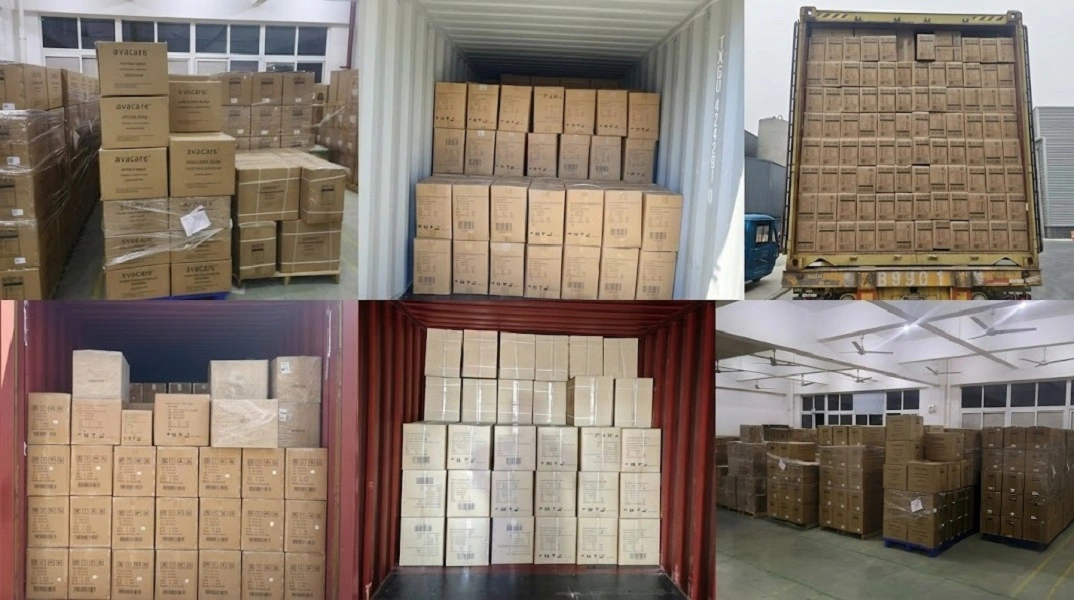
Delivery Time: 30–45 Days (approx.)
Payment Methods: T/T or L/C Accepted
750ml Leg Urinary Bag T‑Valve 40cm Tube
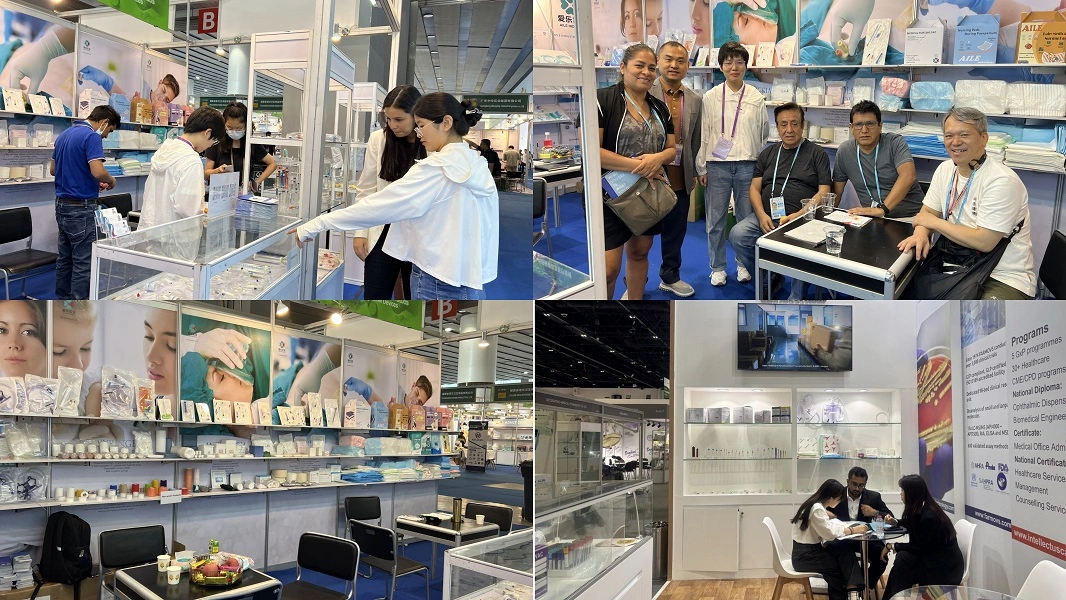
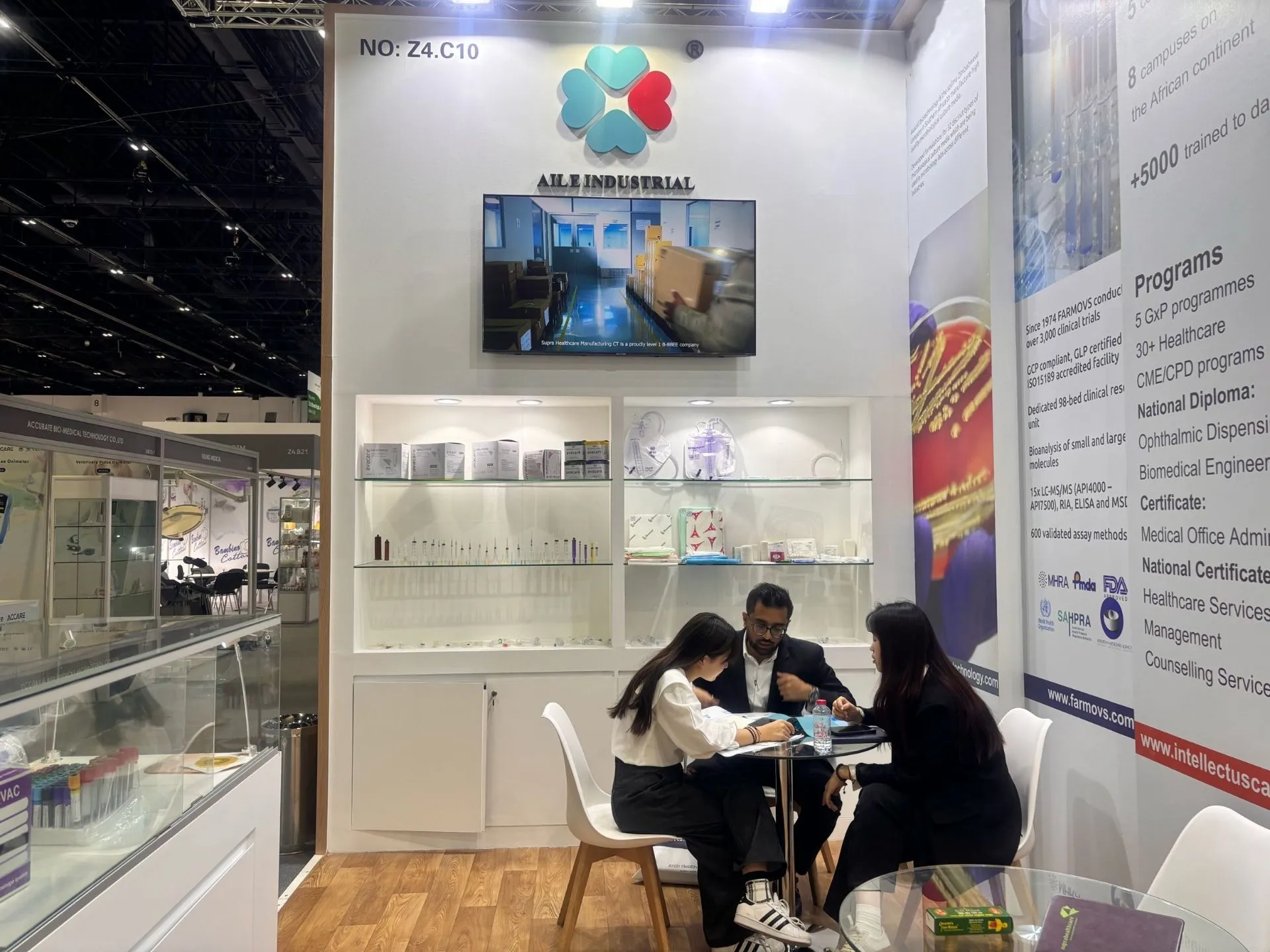
HENAN AILE INDUSTRIAL CO., LTD with over 12 years of medical experience.
We hold certifications, including CE, ISO 13485 & USA FDA.
Product Overview
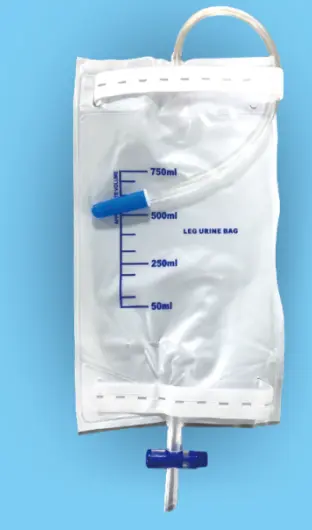
750ml Leg Urinary Bag T‑Valve 40cm Tube is a disposable medical urine drainage and collection device, specially designed for ambulatory catheter‑using patients for daytime use. Widely applied in hospital wards, home‑based care, rehabilitation centers and elderly‑care facilities. Equipped with practical T‑valve, 40cm inlet tube and 750ml rated capacity, this leg urinary bag can be fastened on thigh or calf and worn discreetly under clothing. It helps incontinence and post‑operation catheter patients maintain daily mobility with good hygiene, comfort and easy operation. It is a high‑frequency consumable for urological clinical care.
Core Product Advantages
- Integrated T‑Valve Drainage System: The T‑valve combines drain function and anti‑reflux feature. Empty urine without disconnecting the whole tubing. One‑hand operation is available. Built‑in anti‑reflux structure prevents urine backflow to urethra and lowers urinary tract infection risk. Compared with ordinary push‑pull valve, T‑valve requires smaller operating force, friendly for users with limited hand dexterityAlibaba.co....
- Optimized 750ml Capacity & 40cm Inlet Tube: 750 ml is the gold‑standard daytime volume for leg bags, avoiding bulky appearance while holding sufficient urine for hours of daytime activities. 40‑cm inlet tube fits most standard catheter connectors, prevents tube pulling, kinking or blockage, guarantees smooth urine drainage.
- Clear Graduated Transparent Body: High‑contrast printed milliliter scale on transparent bag body. Medical staff or caregivers can directly observe urine color, turbidity and output volume for patient condition monitoring.
- Adjustable Perforated Elastic Straps: Multiple adjustable straps fit thighs and calves of different circumferences. Firm fixation prevents slipping. Soft material reduces skin compression for long‑time wearing and protects patient privacy under daily clothes.
- EO Sterile & Latex‑Free: Individually packed in sterile PE pouch, EO ethylene‑oxide sterilized for single‑use only. Reduce cross‑contamination risk. Latex‑free construction avoids latex allergic reaction for sensitive‑skin users.
- Leak‑proof Reinforced Seam: Thermal‑sealed reinforced edges improve tear resistance. Reliable anti‑leak performance prevents urine spillage on clothes or bed linen and reduces nursing workload.
Specification Table
| Item | Details |
|---|---|
| Product Name | 750ml Leg Urinary Bag, T‑Valve, 40cm Tube |
| Title | 750ml Leg Urinary Bag T‑Valve 40cm Tube |
| Rated Capacity | 750 ml |
| Drain Valve | T‑Valve with anti‑reflux function |
| Inlet Tube Length | 40 cm |
| Sterilization | EO Ethylene Oxide Sterilization |
| Usage | Disposable single‑use only, not for re‑sterilization |
| Packing | Individual sterile pouch |
| Shelf Life | 3 Years |
| Connector Compatibility | Fits most standard urinary catheters |
| Available Material | Medical‑grade PVC / DEHP‑Free Non‑PVC (TPU) |
Material Comparison
Two mainstream materials for leg urinary bags are medical‑grade PVC and DEHP‑Free Non‑PVC (TPU). Buyers can select according to target‑market regulation, budget and patient skin conditionAlibaba.co....
-
Medical‑grade PVC (with DEHP plasticizer) Pros: Cost‑effective, excellent flexibility, high transparency, mature sealing technology, widely stocked globally. Soft bag fits leg contour well. Cons: Contains DEHP phthalate plasticizer which is restricted in EU and some Middle‑East markets. Minor skin irritation risk for highly sensitive patients. Suitable for general in‑hospital short‑term post‑op care and large‑volume tender procurement.
-
DEHP‑Free Non‑PVC TPU Pros: No DEHP phthalate additives, better biocompatibility, lower skin irritation risk. Compliant with EU MDR, Saudi SFDA and other international medical regulations. Better urine‑corrosion resistance with less substance precipitation. Ideal for long‑term home‑care catheter patients and allergy‑prone users. Cons: Higher raw‑material cost than PVC; slightly firmer bag texture. Suitable for high‑end medical distribution in Europe, Middle‑East and nursing‑home long‑term care orders.
Note: Both material options are latex‑free to eliminate latex‑allergic risks.

Why Choose This 750ml Leg Urinary Bag T‑Valve 40cm Tube
First, this combination of 750 ml capacity, 40 cm tube and T‑valve matches mainstream global clinical standards, meeting high‑demand B2B purchasing requirements for hospitals, distributors, care stores and online medical retailers. Second, all‑in‑one T‑valve integrates anti‑reflux and convenient emptying. It simplifies nursing steps and lowers UTI risks, outperforming basic leg bags without anti‑reflux function. Third, dual‑material options plus full OEM support: custom printing scale, logo and strap styles to satisfy different country registration requirements. Fourth, strict EO sterile individual packing and leak‑test quality control greatly reduce after‑sales leakage complaints. Complete certification documents support hospital tender projects with CE & ISO compliance. Fifth, lightweight bag body plus adjustable straps ensure discreet wearing and preserve patients’ dignity for outdoor mobility and daily life.
Application & Target Users
Purpose: Used together with indwelling urinary catheters for daytime temporary urine collection and drainage. Help record urine output and ease nursing burden. For daytime usage only. Please switch to large‑volume bedside drainage bag overnight.
Target Users:
- Ambulatory adult patients with indwelling or intermittent catheters;
- Post‑urological‑surgery and post‑prostate‑surgery mobile recovering patients;
- Wheelchair users, elderly incontinence patients receiving home care;
- Patients with urination dysfunction caused by stroke or neurological disorders.
Application Scenarios: General hospitals, rehabilitation institutes, nursing homes, home health care, international medical distributors, online medical supply retail.
Notice: This is disposable medical consumable, do not reuse. Do NOT use leg bag during sleeping hours; use night‑time drainage bag to avoid overflow and urine backflow injury to bladder.
FAQ
Q1: Can I use this 750 ml leg bag overnight during sleep? A1: Not recommended. Leg bags are designed for daytime ambulatory use. Lying‑down may cause overflow and urine backflow. Switch to large‑capacity bedside drainage bag for night‑time to protect bladder and reduce infection risk.
Q2: How to empty urine via T‑valve? A2: No need to disconnect tubing. Open T‑valve downward to drain urine, close upward after emptying. Keep closed drainage system intact.
Q3: How often should I replace disposable leg urinary bag? A3: Sterile disposable leg bag is recommended to replace every 5‑7 days. Replace immediately if leakage, turbidity, bad odor or urinary tract infection occurs. Never wash and reuse it.
Q4: Is the 40 cm tube compatible with all catheters? A4: Fits most standard urinary catheter connectors. Please double‑check connector dimension for special non‑standard catheters.
Q5: PVC or Non‑PVC version, which one to pick? A5: DEHP‑Free Non‑PVC is preferred for EU, Saudi Arabia and similar regulated markets. Medical‑grade PVC fits large‑volume hospital purchase with limited budget. Non‑PVC is better for users with sensitive skin.
Q6: Is this leg bag sterile? A6: Yes, EO ethylene‑oxide sterilized, individually sealed sterile pouch for single‑use only.
Q7: When should I empty the leg bag during usage? A7: Empty when urine reaches half capacity. Do not fill up to full 750 ml, to prevent heavy pulling on catheter and reduce backflow hazard.
Q8: Do you provide OEM customization service? A8: OEM service is available. Custom scale printing, logo, strap styles are supported. Material PVC / TPU optional. Registration supporting documents can be provided.





_1782811410038.webp)