Disposable 200ml Pediatric Urine Bag
Disposable 200ml Pediatric Urine Bag is a single‑use medical urine collection consumable designed for newborns, infants and young children. Widely applied in pediatric wards, neonatal departments, clinical laboratories, community clinics and home‑care settings, it collects urine specimens non‑invasively and monitors pediatric urine output. Without catheter insertion, it lowers infection risks caused by invasive operations and solves the clinical difficulty of collecting urine samples from uncooperative babiesAlibaba.co....
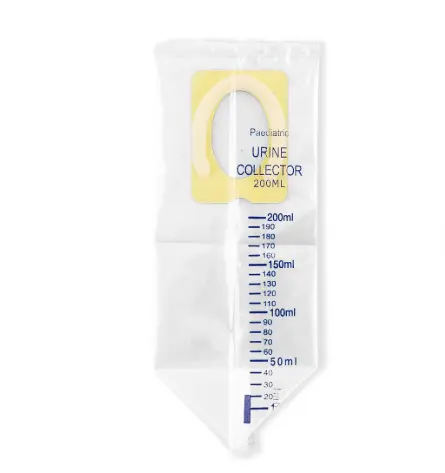
This 200 ml pediatric urine collector has two versions: EO gas sterile version and non‑sterile version. The transparent bag body is printed with clear milliliter graduations, matched with medical low‑irritation adhesive patch which fits delicate perineal skin of infants. It adapts to anatomical features for both boys and girls. As one of high‑volume‑purchased pediatric urine collection supplies worldwide, it supports urine lab test, urine output monitoring, post‑operation observation and home nursing scenarios.
Disposable 200ml Pediatric Urine Bag
Product Overview
Disposable 200ml Pediatric Urine Bag is a single‑use medical urine collection consumable designed for newborns, infants and young children. Widely applied in pediatric wards, neonatal departments, clinical laboratories, community clinics and home‑care settings, it collects urine specimens non‑invasively and monitors pediatric urine output. Without catheter insertion, it lowers infection risks caused by invasive operations and solves the clinical difficulty of collecting urine samples from uncooperative babiesAlibaba.co....
This 200 ml pediatric urine collector has two versions: EO gas sterile version and non‑sterile version. The transparent bag body is printed with clear milliliter graduations, matched with medical low‑irritation adhesive patch which fits delicate perineal skin of infants. It adapts to anatomical features for both boys and girls. As one of high‑volume‑purchased pediatric urine collection supplies worldwide, it supports urine lab test, urine output monitoring, post‑operation observation and home nursing scenarios.
Core Product Advantages
Skin‑friendly medical adhesive patch, leak‑proof & anti‑irritation: Latex‑free medical pressure‑sensitive adhesive minimizes skin redness and allergic reactions. The patch fits perineal contour firmly and avoids falling off during baby movement, effectively preventing urine leakage. Sponge‑gasket option further reduces friction for sensitive baby skin.
Optimized 200 ml capacity with clear graduated scale: Gradient blue volume marks printed on transparent bag wall. Users can directly read urine volume and observe urine color or turbidity for clinical diagnosis of kidney disease and urinary infection. Minimum scale at 10 ml makes tiny‑volume urine readableAlibaba.co....
Individual disposable package for hygiene: Each unit is packed in separate PE pouch. Sterile items are EO ethylene‑oxide sterilized, pyrogen‑free and ready‑to‑use. Single‑use design prevents cross‑contamination. Compact package supports easy storage, transportation and clinical access.
Multiple material options for global compliance: Medical‑grade PE, PVC and TPE are available to satisfy EU REACH, CE MDR and ISO13485 medical device standards. It meets import‑registration requirements for Europe, Middle East, Africa and Southeast Asia. Custom styles include unisex type, boy‑specific type and girl‑specific typeAlibaba.co....
Easy non‑invasive sampling: No catheter required. Just clean skin, peel off backing paper and stick the collector. Home‑care operators can handle sampling quickly and improve specimen‑collection success rate without pain for children.
Specification Table
| Item | Specification |
|---|---|
| Product Name | Disposable 200ml Pediatric Urine Bag |
| Nominal Capacity | 200 ml |
| Available Material | Medical PE / Medical PVC / TPE (DEHP‑free optional) |
| Type | Unisex / Boy‑specific / Girl‑specific; sponge‑gasket / standard adhesive |
| Sterilization | EO ethylene‑oxide sterilized (sterile version); Non‑sterile (standard version) |
| Adhesive | Latex‑free medical pressure‑sensitive adhesive |
| Packing | 1pc per individual pouch, carton quantity customizable |
| Shelf Life | 5 years |
| Certificates | CE, ISO13485; supporting documents for local registration available |
| Target User | Newborns, premature babies, infants and young children |
Material Comparison: PE vs PVC vs TPE
Medical‑grade PVC Traditional material for pediatric urine bags, moderate cost, soft film with good stretching property and high transparency. Note: General PVC contains DEHP plasticizer restricted by EU REACH regulation for infant‑contact medical products. DEHP‑modified PVC is recommended for EU export. Suitable for large‑volume procurement for non‑EU markets.
Medical‑grade PE (Polyethylene) Latex‑free and DEHP‑free. Excellent biocompatibility with minimal skin irritation for babies. It is mainstream material for European and American markets. Minor shortcoming: tear‑resistance is slightly lower than PVC; avoid sharp objects piercing the bag. Ideal for neonate wards and orders complying with EU MDR regulation.
TPE (Thermoplastic Elastomer) Premium selection with zero plasticizer and zero latex. Outstanding elasticity, tear‑resistance and low‑temperature tolerance, top‑level biocompatibility. Higher cost than PE and PVC, widely adopted in private hospitals and NICU neonatal intensive care units. Perfect for high‑safety‑requirement markets and premature high‑risk infantsAlibaba.co....
Procurement tip: Select material according to target‑market regulations. PE or TPE are preferred for EU markets; modified DEHP‑free PVC is acceptable for Asia‑Africa regions.
Why Choose Our Disposable 200ml Pediatric Urine Bag
Clinically‑oriented capacity: 200 ml balances short‑term specimen collection and long‑duration urine‑output monitoring. Comparing with 100 ml small‑size collectors, it fits babies with higher urine output; much lighter than adult urine bags so it brings no extra burden for kids.
Minimize sample waste: Well‑fitted adhesive structure reduces urine leakage and sample invalidation rate, improving lab‑specimen qualification rate and avoiding repeated painful sampling.
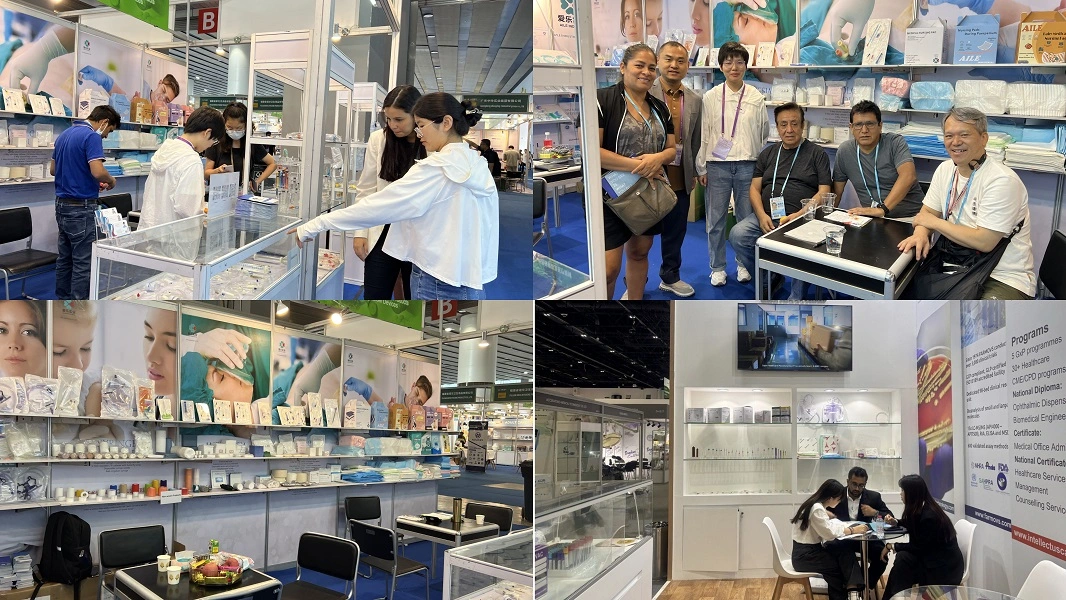
Customizable & compliant: Custom logo, carton marking and packing style are supported. Sterile / non‑sterile versions optional. COA and technical files are provided for customers’ local import registration.
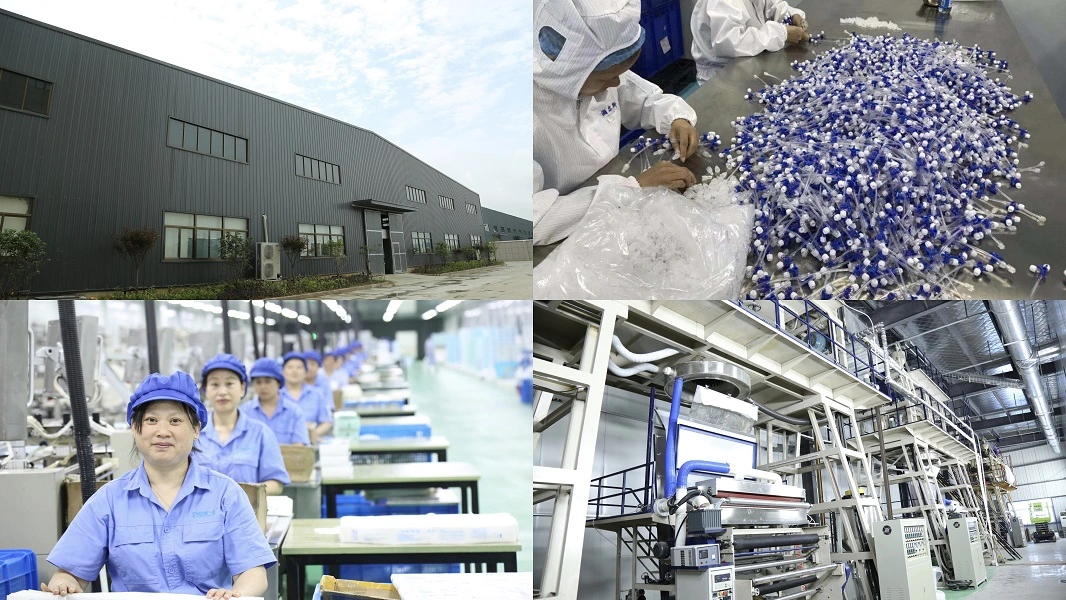
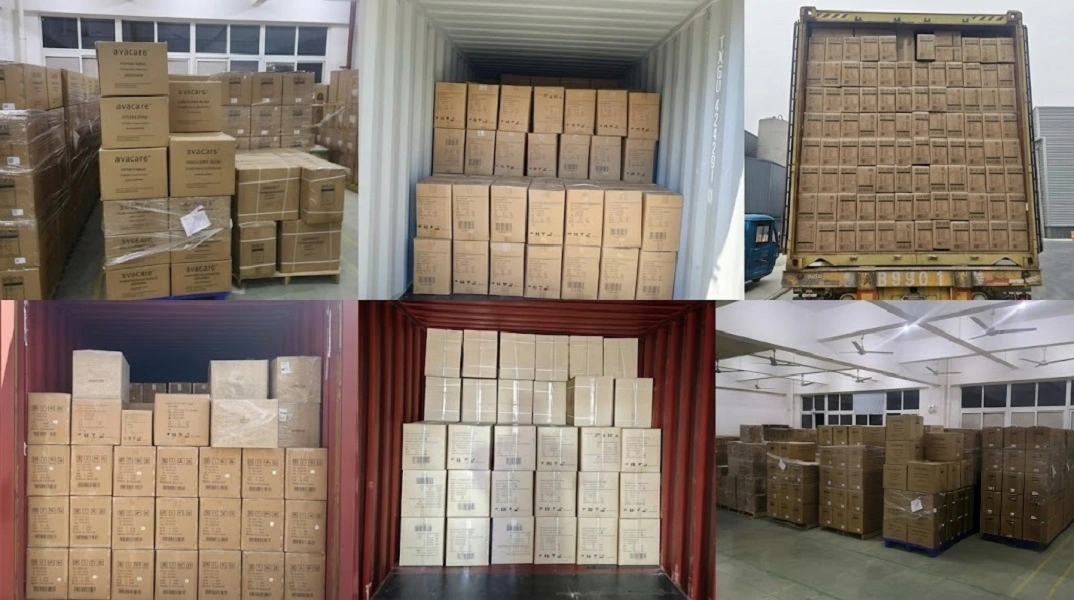
Stable supply chain: Mass production capacity, flexible MOQ and sample service, suitable for bulk purchasing by hospitals, distributors and foreign‑trade wholesalers.
Multi‑scene compatibility: Fits hospital wards, outpatient lab test, home‑care, emergency transport and mobile medical stations. It is essential basic consumable for pediatric nursing.
Intended Use & Target Users
Target Users: Newborns, premature infants, babies and young children who cannot provide urine samples voluntarily. Application Scenarios:
Pediatric ward & NICU: collect urine specimens for routine urine test and urine culture.
Clinical monitoring: record periodical or 24‑hour urine output for kidney‑metabolism and dehydration assessment.
Outpatient clinic & community medical center for non‑invasive urine sampling.
Home‑care: post‑operative home observation and urinary‑system screening at home.
Emergency transport, field medical service for pediatric urine collection.
8. FAQ
Q1: What is the difference between sterile and non‑sterile version? A: Sterile version undergoes EO sterilization for lab urine‑culture sampling. Non‑sterile version is only for urine‑volume observation, NOT for bacterial‑culture specimen collection. Please confirm requirement before placing order.
Q2: Will this product trigger baby skin allergy? A: Adhesive is latex‑free medical pressure‑sensitive glue. Rare individual allergic reactions may happen for extremely sensitive skin. Keep skin dry before application. Remove immediately once redness occurs.
Q3: Can 200 ml model be used for premature babies? A: Yes. PE or TPE material is preferred for preemies. 100 ml size is alternative for low‑urine‑output premature infants. 200 ml suits babies with higher urine volume.
Q4: How long can one bag stay attached on skin? A: Clinical suggestion: maximum 4 hours. Remove right after urine collection. Do not keep long‑time attachment to prevent skin maceration and urine overflow.
Q5: Is unisex model workable for both boys and girls? A: Unisex type fits both genders. Boy‑specific and girl‑specific versions are optional, whose cutout shape matches anatomical structure and further lower leakage risk.
Q6: Can I reuse the urine bag? A: Strict single‑use disposable product. Re‑washing and re‑using will cause cross‑infection hazard. Reuse is forbidden.
Q7: Which certification documents are available for export? A: Standard CE & ISO13485 certificates. COA and technical documentation are provided. Buyers shall complete local medical‑device registration subject to destination‑country regulations.
Q8: What causes urine leakage? A: Mostly caused by damp skin, strong baby movement or mis‑aligned sticking position. Make sure perineal skin is dry, fully peel off backing paper and stick flatly. Reduce violent rolling and twisting during application.

_1782811410038.webp)