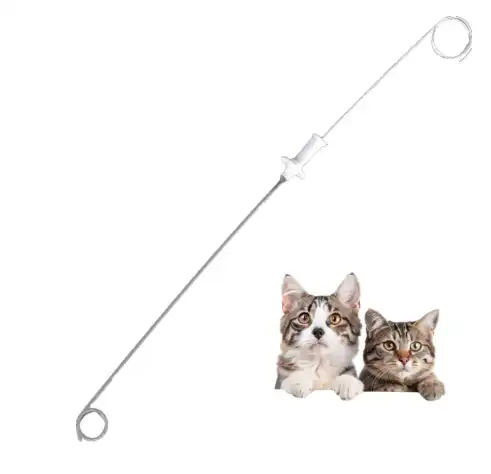
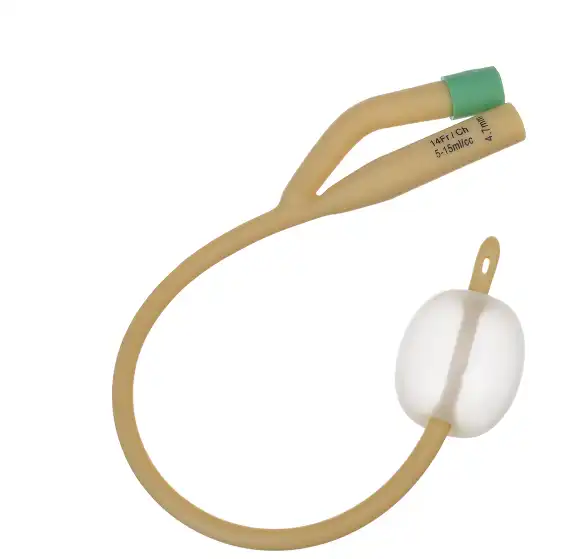
Medical Standard Intubating Stylet Urology Guidewire 6Fr-14Fr
Order MOQ: 50000 pcs
Size : 6Fr/8Fr/10Fr/12Fr/14Fr
Private Label: OEM and ODM
Quality Certifications: CE / ISO13485/ USA FDA
Delivery Time: 30–45 Days
Payment Methods: T/T or L/C Accepted
Medical Standard Intubating Stylet Urology Guidewire 6Fr-14Fr
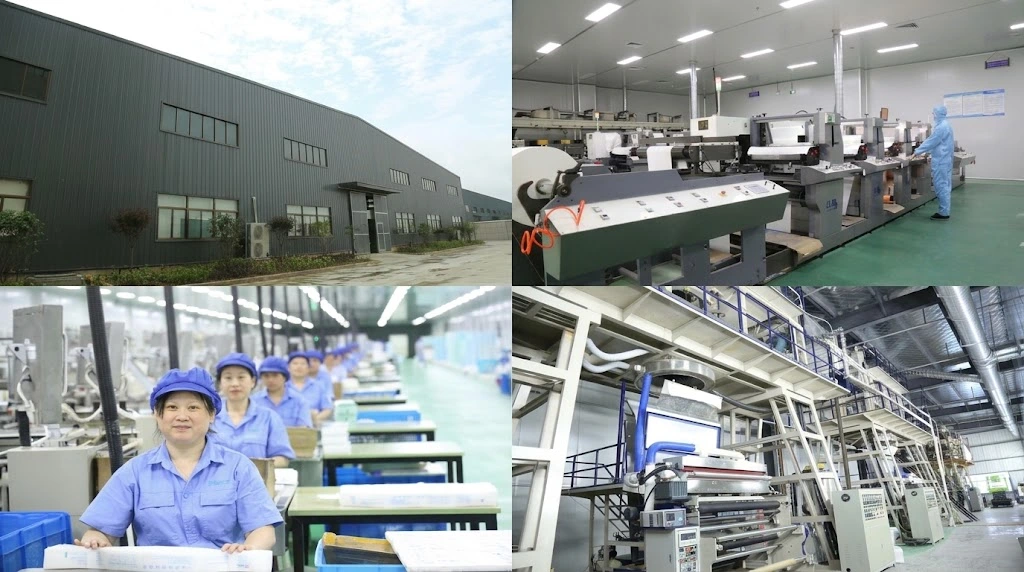
HENAN AILE INDUSTRIAL CO., LTD with over 12 years of medical experience.
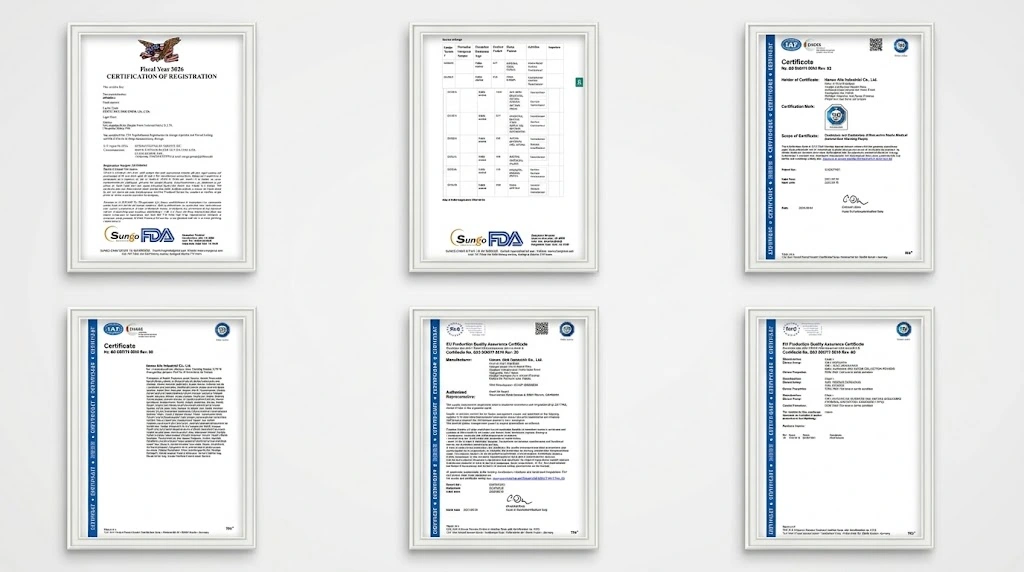
We hold certifications, including CE, ISO 13485 & USA FDA.
Key Advantages & Clinical Benefits
Kink-Resistant Core Construction: Exceptional elastic memory prevents intraoperative looping or permanent bending in narrow anatomical passages.
Hydrophilic Polymer Lubricity: Activates upon contact with saline to create an ultra-low-friction surface, facilitating easy passage across impacted stones and strictures.
High-Definition Radiopacity: Advanced fluoroscopic visibility under C-arm guidance ensures immediate verification of tip progression and anatomical orientation.
Atraumatic Floppy Tip: Engineered with precision elasticity to eliminate false passage creation and minimize perforation hazards.
Complete Size Range (6Fr to 14Fr): Seamlessly compatible with standard ureteral access sheaths, rigid/flexible endoscopes, and dilation balloons.
Product Overview
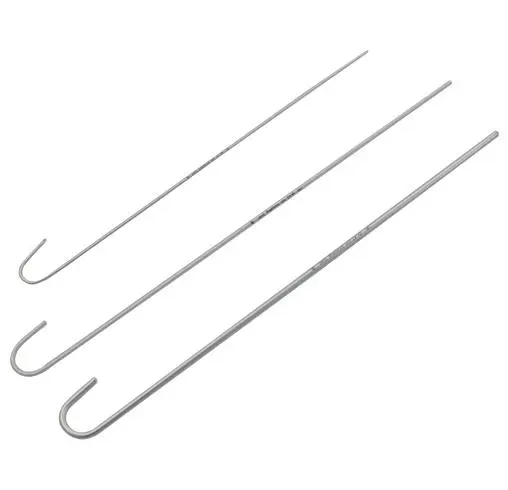
The Medical Standard Intubating Stylet Urology Guidewire 6Fr-14Fr is an advanced interventional urological instrument engineered to deliver superior structural stability, crossability, and procedural safety. Built for endourological interventions—including Percutaneous Nephrolithotomy (PCNL), Ureterorenoscopy (URS/RIRS), and double-J stent placement—this device ensures smooth navigation through tortuous anatomies. Featuring an activated hydrophilic outer jacket and an ultra-elastic nitinol or medical-grade stainless steel core, it delivers 1:1 torque response with minimal risk of mucosal tissue trauma.
Material Comparison: Nitinol Core vs. Stainless Steel Core
| Functional Metric | Nitinol Core Wire | Medical Stainless Steel Core | PTFE / Hydrophilic Outer Sleeve |
| Elasticity & Shape Memory | Superior; recovers completely from acute bends | Standard; rigid, susceptible to plastic deformation | N/A (serves as low-friction protective barrier) |
| Columnar Pushability | Balanced, highly compliant to curves | High stiffness, ideal for heavy track dilation | Smooth glide; reduces push resistance |
| Torque Response (1:1) | Dynamic, immediate tip steerability | Rigid, robust rotational stability | Dampens rotational friction |
| Primary Indication | Tortuous ureters, flexible RIRS, tight strictures | PCNL tract dilation, acute obstructions | Universal retrograde/antegrade applications |
Technical Specifications
| Parameter | Specification Details |
| Diameter Profile | 6Fr, 7Fr, 8Fr, 9Fr, 10Fr, 12Fr, 14Fr (custom Fr/inch increments available) |
| Working Length | 450mm, 700mm, 1000mm, 1500mm (OEM configurations supported) |
| Tip Configuration | Straight / Angled / J-Tip (1.5mm & 3.0mm curvature radii) |
| Core Material | Superelastic Medical-grade Nitinol / 304V Stainless Steel |
| Surface Coating | Durable Hydrophilic Polymer / PTFE Solid Coating |
| Distal Floppy Segment | 30mm – 50mm integrated radiopaque soft tip |
| Sterility & Shelf Life | Ethylene Oxide (EO) Sterilized; Class 100,000 cleanroom packaged; 3–5 Years |
| Regulatory Compliance | ISO 13485, CE Medical Device Regulation, FDA 510(k) aligned |
Why Choose This Medical Guidewire?
Enhanced Coating Durability: Thermal-cured chemical bonding prevents coating flaking or particulate generation during extended laser lithotripsy procedures.
Responsive Tactile Navigation: Allows the surgeon to detect tissue transitions reliably, avoiding over-advancement against resistance.
Versatile Clinical Utility: Serves as a standard rigid intubating stylet for airway stabilization as well as a dedicated endourological working guidewire.
Clinical Indications & Target Scope
Target Departments: Urology, Interventional Radiology (IR), Anesthesiology, Emergency Care, and Surgical ICUs.
Pathological Indications:
Obstructive nephrolithiasis and ureterolithiasis;
Malignant or benign post-surgical ureteral strictures;
Ureteropelvic junction obstruction (UPJO);
Emergent nephrostomy and retrograde stenting.
Target Users: Urological interventional surgeons, procedural radiologists, and anesthesiologists managing difficult access channels.
Frequently Asked Questions (FAQ)
Q1: How do I select the right size between 6Fr and 14Fr?
A: Smaller calibers (6Fr–8Fr) are optimal for navigating acute strictures, initial contrast cannulation, and pediatric interventional cases. Larger calibers (10Fr–14Fr) provide stable tracks for tract dilators, resectoscope sheath positioning, and rigid intubation guidance.
Q2: What is the activation protocol for the hydrophilic coating?
A: Immerse the wire in or flush it with sterile normal saline for 5 to 10 seconds before insertion. Do not dry-wipe the activated surface with dry gauze, as this impairs lubricity.
Q3: When should a clinician select Nitinol over Stainless Steel?
A: Choose Nitinol for tortuous or deformed upper urinary tracts requiring superior flexibility without kinking. Choose Stainless Steel when heavy axial support is required to advance tight fascial dilators or rigid nephroscopes.
Q4: Does the wire maintain sufficient radiopacity under low-dose fluoroscopy?
A: Yes. The distal segment is loaded with heavy radiopaque elements (tungsten/platinum compounds), ensuring clear visibility across complex soft-tissue margins and bony pelvic structures.
Q5: Is this guidewire certified as reusable after autoclave sterilization?
A: No. It is certified strictly as a single-use sterile disposable device. Autoclaving or chemical remolding compromises polymer coating stability and degrades structural integrity.
Q6: What are the distinct clinical advantages of the J-tip design?
A: The rounded J-configuration prevents the wire tip from engaging with mucosal folds, pockets, or false lumens, allowing it to navigate past impacted calculi smoothly.
Q7: Is the guidewire safe to use during Holmium or Thulium laser stone fragmentation?
A: Yes, provided the laser fiber tip is maintained at a safe distance from the wire. Direct exposure to active laser energy may thermal-etch the coating or degrade the underlying core.
Q8: Can custom lengths and stiffness transitions be configured for OEM orders?
A: Yes. Full OEM/ODM services are available, including custom core tapers, specific flexible tip lengths, private-label packaging, and complete technical regulatory documentation.



_1782811410038.webp)