Disposable Safety Needle vs. Standard Needle: What’s the Difference?
The main difference is in the equipment used to avoid injuries. The sharp point is automatically or manually isolated after injection with the help of designed safety features like sliding screens, retractable cannulas, or hinged caps in a disposable safety needle. Normal needles, on the other hand, don't have this feature, so the sharp end is visible during handling and removal. This main difference has a direct effect on workplace safety, following the rules, and long-term health care costs. Disposable safety needles protect against needlestick injuries (NSIs), which are still the most common way that people in professional settings get bloodborne diseases like HIV, Hepatitis B, and Hepatitis C at work.
Understanding Disposable Safety Needles and Standard Needles
Before you decide what to buy, you need to know what the technical and practical differences are between these two types of needles.
Defining Standard Needles: Traditional Design and Limitations
Since the middle of the 1800s, standard injection needles have been used by doctors without fail. They have a stainless steel cannula connected to a plastic hub and are made to be used only once for blood draws or shots. The cannula has a curved tip that makes it easier to go through soft tissue. But once the injection is done, the sharp point stays out in the open, which poses a big risk during recapping, removal, and accidental touch.
When making traditional needles, strict rules for cleanliness are followed, and they are cleaned using ethylene oxide (EO) or gamma radiation. They meet basic ISO standards and can be used for everyday professional jobs. But the fact that they don't have built-in safety features is becoming more of a problem as global health and safety standards at work get stricter.
What Makes Disposable Safety Needles Different
Safety-engineered sharps devices are a huge change in the way needles are made. These needles have inactive or active safety screens that cover the sharp point after the injection. This makes accidental pricks much less likely. Active systems need to be engaged on purpose, usually by sliding or snapping the protective cover into place with one hand. Passive systems turn on automatically when the needle is pulled out.
AVACARE makes disposable safety needles with medical-grade SUS304 stainless steel cannulas and ultra-thin wall technology to improve flow rates without weakening the structure. Each unit goes through strict quality checks to make sure the safety device locks forever and can't be turned around. This is an important feature to keep the product from being used again and causing more injuries. Our products have been approved by CE and ISO 13485 standards, which means they meet the strict requirements of US and European laws.
Key Safety Features: Retractable and Shielded Mechanisms
There are two main types of disposable safety needles. With retractable needles, the cannula is pulled all the way into the barrel by a spring-loaded device after the shot. This makes the needle totally out of reach. This design works great in high-risk places like emergency rooms, where a lot of people come and go quickly and emotions run high, making it more likely that two people will touch each other by mistake.
For shielded needles, on the other hand, the tip of the needle is covered by a shield that can slide or hinge and be moved by hand or automatically. AVACARE's shielded disposable safety needles have a "click" sound and visual proof when the lock is activated, giving caregivers instant tactile and auditory feedback. This dual confirmation method makes it less likely for users to make mistakes and boosts confidence during quick processes.
Both versions are easy to use with one hand, so healthcare workers can lock the needle without taking their attention off the patient or putting their less-used hand at risk. These features are in line with OSHA's Bloodborne Pathogens Standard and EU Directive 2010/32/EU, which say that safety-engineered devices must be used in places where people might be exposed to dangerous materials.
Comparing Disposable Safety Needles and Standard Needles
To figure out the relative benefits, you need to look at the results of safety tests, clinical success, and the total cost of ownership.
Safety Performance: Reducing Needlestick Injuries
The Centers for Disease Control and Prevention (CDC) say that about 385,000 workplace accidents involving needles happen every year among healthcare workers in hospitals in the United States alone. Over 20 blood-borne pathogens can be spread through these accidents, and they cost a lot because of post-exposure prophylaxis (PEP), lab tests, and missed work time.
Depending on the type of gadget and the clinical setting, disposable safety needles cut the number of NSIs by 50 to 90%. A large study in the American Journal of Infection Control showed that hospitals that used inactive safety devices saw an 85% drop in nursing staff injuries that went through the skin. This sharp drop saves frontline workers and keeps healthcare organizations from having to deal with too many legal problems or fines from the government.
The built-in safety shield in AVACARE is designed to work with little force, so it can be used even during emergency processes where speed is very important. A penetration test was done on our devices in line with ISO 7864 standards, and they have a failure rate of less than 0.1% using Acceptable Quality Level (AQL) sample procedures.
Clinical Performance: Sharpness, Gauge, and Patient Comfort
A needle's performance directly affects both the patient's result and the clinician's speed. Ultra-sharp angled tips make it easier for the blade to penetrate flesh, which reduces tissue damage and pain. Medical-grade silicone lubrication is used on all of AVACARE's needle surfaces to reduce friction even more during placement. This makes vaccines, insulin delivery, and blood samples more comfortable.
Our product line includes sizes from 16G to 30G, so it can meet a wide range of therapeutic needs, from simple intramuscular injections to complex subcutaneous treatments. With thin-wall technology, thick medicines and biologics can flow more quickly, which cuts down on injection time and makes patients more likely to follow through with their treatment plans. Following ISO 11040 packing standards, each needle is individually wrapped to keep it sterile and stop contamination.
Even though standard needles work, they don't always have the exact manufacturing limits that are found in current disposable safety needles. Bevel shape and surface finish that aren't always the same can cause performance to be uneven, especially when buying in large quantities and quality control may not be able to keep an eye on everything.
Cost-Benefit Analysis: Upfront Investment vs. Long-Term Savings
At first glance, Disposable Safety Needles might look like they cost more than regular ones. A careful study of the total cost of ownership, on the other hand, shows that there are big long-term saves. The direct costs of a single needlestick injury range from $3,000 to $7,000, which includes PEP medicine, serological tests, counseling, and administrative follow-up. On the other hand, indirect costs like staff absences, therapy, and possible lawsuits can make costs go up a lot.
When hospitals switch to safety-engineered devices, they usually get their money back within 18 to 24 months because fewer injuries mean less money spent on medical bills and care. Buying in bulk, like AVACARE's minimum order of 20,000 pieces, can lower the cost per unit by a lot while still making sure the supply chain is reliable. We have different payment options, like L/C and T/T, to work with different banking systems. Also, our 30- to 45-day turnaround time helps you keep track of your goods well.
More and more, purchasing managers are realizing that the original price differences are balanced out by the benefits of better worker safety and following the rules. This makes disposable safety needles a strategic investment rather than an extra upgrade.
Types and Applications of Disposable Safety Needles
To choose the right disposable safety needle, you need to know about the different designs and when they work best.
Insulin Needles, General Injection Needles, and Specialty Variants
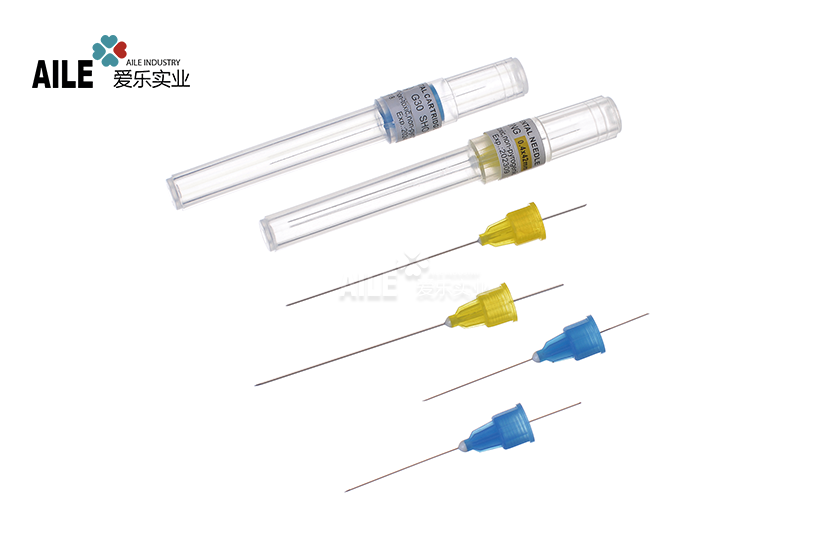
Insulin disposable safety needles have very thin sizes (usually 29G to 31G) and shorter lengths (4mm to 12mm) so they can be put under the skin. These devices reduce pain and tissue damage, which helps diabetes people stick to their treatment plans. AVACARE's insulin disposable safety needles have an automatic shield-triggering feature that makes self-administration easier for people who have trouble seeing or using their hands.
General injection disposable safety needles, which come in sizes from 21G to 25G, can be used for many things, such as giving intramuscular vaccines, antibiotics, and emergency medicines. Because they match flow rate with patient comfort, these needles can be used in outpatient clinics, surgical centers, and hospital rooms.
There are different types of specialty needles, such as anesthetic needles with specific bevel angles for spinal or epidural treatments, pre-filled syringe needles for biologics, and blood collection needles with built-in holds. Each type is tested for its own special use to make sure it works with current clinical methods.
Material Composition and Sterilization Standards
According to ISO 10993, all AVACARE Disposable Safety Needles are made of Class II medical device materials that are biocompatible. The stainless steel cannulas don't generate heat and don't contain DEHP, so you don't have to worry about the plasticizer leaking when you store or use them. Medical-grade plastic or polycarbonate is used to make the hubs and screens because it is clear, doesn't break easily, and is chemically stable.
Ethylene Oxide (EO) gas is used for sterilization to reach a Sterility Assurance Level (SAL) of 10⁻⁶, which is the standard for all implants and invasive medical equipment around the world. Sterility validation testing is done on every production run, and tracking paperwork is sent with every package to help with quality assurance programs and regulatory checks.
Safe Handling and Disposal Best Practices
Proper dumping starts where it is used. After the injection, turn on the safety mechanism right away by either pressing the shield forward or letting it passively retreat until you hear the confirming "click." Put the device right into a sharps container that can't be punctured without re-capping or breaking the needle.
In the United States, sharps containers must meet OSHA 29 CFR 1910.1030 guidelines for biohazard marking and leak-proof seals. In Europe, waste management is based on the EU Waste Framework Directive (2008/98/EC), which says that contagious garbage must be separated and must be burned or autoclaved before it can be thrown away in a landfill. AVACARE offers training materials and teaching materials in multiple languages to help with regulations in global markets.
How to Choose the Best Disposable Safety Needle for Your Procurement Needs
When you do strategic sourcing, you have to find a balance between clinical needs, price limits, and the supplier's skills.
Identifying Your Facility's Specific Requirements
First, look at how many injections your school gives, what clinical areas it offers, and how skilled its staff is. Bulk buying deals and automatic inventory systems help places that handle a lot of people, like hospitals and vaccination centers in cities. For patient comfort, specialized places like cancer clinics or pediatric hospitals may use only certain gauge ranges and ultra-sharp disposable safety needles.
Compliance with regulations is a must. Make sure that any potential sellers are currently registered with the CE and FDA, that their factories are ISO 13485-certified, and that they can give you full batch traceability paperwork. Every shipment from AVACARE has to meet these high standards because they have seven national rights and strict quality control systems.
When making a budget, you should think about not only the unit costs but also costs like staff training, removal services, and possible medical bills connected to injuries. Many buying teams find that making all of their purchases from a single, dependable source that offers OEM/ODM customization makes operations easier and cuts down on administrative work.
Evaluating Supplier Reliability and Service Capabilities
Evaluation of suppliers goes beyond just looking at product specs. We suggest that you look at the following aspects:
• Production Capacity and Quality Infrastructure: AVACARE has a production base that is 12,000 square meters and has 100,000-class cleanrooms and advanced automatic assembly lines. Our research and development team, which is made up of material science and clinical application experts, is always coming up with new ideas to solve new problems in healthcare.
• Supply Chain Stability: Our 24-hour quick response system and strong transportation network make sure that deliveries happen on time, even when demand is high. We keep strategic inventory stocks and offer emergency delivery for pressing orders, which takes care of one of the most common problems people have when they need to buy medical supplies.
• Technical Support and Training: Full product training, including demo videos, language guides, and on-site classes, makes sure that hospital staff get the most out of the devices. AVACARE's full-lifecycle support approach includes monitoring after the sale, incorporating user comments, and ongoing product improvement. This creates long-lasting partnerships based on trust and success.
• Customization Flexibility: OEM/ODM services let you change the product's name, packing, and setup to meet the rules in your area. To support private label programs and distributor partnerships, we can make labels with unique designs, directions written in a language other than English, and special package forms.
Sample Evaluation and Quality Verification
Before you commit to buying a lot of something, ask for samples to test them out yourself. If you ask, AVACARE will send you samples so that your clinical and quality assurance teams can test the triggering force, the clarity of the audio feedback, and how well it works with other syringe systems. This trial part lowers the risk of buying a disposable safety needle and boosts trust in how well it will work.
Ensuring Safety and Compliance Post-Purchase
A successful execution goes beyond the choice to buy something and includes integrating operations and making improvements all the time.
Staff Training and Clinical Education
If staff members aren't trained properly, even the most advanced disposable safety needle won't keep people from getting hurt. Set up organized education programs that teach people how to turn on devices, how to properly dispose of them, and how to report incidents. Demonstrations that use real samples of the product help build muscle memory and repeat correct technique.
Within six months of putting in place thorough training and passive disposable safety needles, a well-known urban hospital system saw a 78% drop in the number of NSIs. This case shows how technology acceptance and human factors engineering work hand-in-hand. AVACARE backs these efforts by offering approved training materials and remote coaching services to make sure the changes go smoothly.
Monitoring Performance and Gathering Feedback
Set up ways to keep track of accident rates, reports of broken devices, and user happiness scores. Regular feedback loops between field doctors and procurement teams make it easy to find problems with performance and ways to make things better. AVACARE is happy to keep talking with partners to improve product features and meet new healthcare needs.
Batch traceability systems make it possible to keep accurate records of how well a disposable safety needle works across different lots and production cycles. This helps with finding the root cause of any quality problems that may arise. Our dedication to openness and responsibility makes the basis for long-lasting relationships stronger.
Conclusion
No longer is picking between standard and safety-engineered needles a question of personal taste; it is now a strategic necessity driven by health and safety laws, cutting costs, and moral duty. Disposable safety needles have been shown to reduce injuries, make sure that regulations are followed, and make patients more comfortable. Because of this, they are an essential part of modern healthcare buying strategies. Disposable Safety Needles from AVACARE are approved, traceable, and have been through a lot of tests. They are a reliable option for procurement managers that comes with full technical support and a lot of customization options. By putting worker safety and clinical quality first, leaders can surely improve the safety culture and operational efficiency of their institutions.
FAQ
Can the safety mechanism be deactivated once locked?
Not at all. AVACARE Disposable Safety Needles have a system that locks them in place permanently. Once the button is pressed, the needle can't be revealed again. This keeps other people from getting hurt while medical waste is being thrown away. This system can't be undone, which is required by law, and it removes the chance of accidentally activating it while it's being handled or transported.
Are safety needles compatible with existing syringe systems?
Yes. Our products use standard Luer Lock and Luer Slip links that are in line with ISO 80369-7 guidelines. This means that they can work with all needles and infusion systems that are already in use in healthcare settings. This compatibility makes buying things easier and reduces the need to buy extra tools.
What is the typical lead time for bulk orders?
For sales of 20,000 pieces or more, AVACARE usually needs 30 to 45 days to finish them. Our 24-hour quick reaction team and global logistics partnerships help us communicate with the supply chain ahead of time and speed up production for urgent needs.
Do safety needles require special disposal methods?
Following the same steps as regular needles, disposable safety needles should be thrown away in sharps bins that can't be punctured. The main difference is that the built-in shield greatly lowers the chance of container overflow accidents and worker exposure, making the whole dumping process safer.
Partner with AVACARE for Superior Safety Needle Solutions
Healthcare institutions looking for a trusted disposable safety needle supplier will find AVACARE's wide range of products and services unparalleled in the sector. Our CE and ISO 13485-approved devices are made with an ultra-sharp thin-wall design, easy one-handed operation, and permanent locking mechanisms to keep your patients and staff safe. We can meet a wide range of purchasing needs while keeping the highest quality standards. Our OEM/ODM customization, flexible payment terms (L/C and T/T), and low minimum order number of 20,000 pieces make this possible. Email us at admin@aileindus.com right now to get samples, talk about the needs of your building, or look into partnership possibilities. We can make healthcare safer by working together and relying on new ideas, trust, and dependability.
References
1. Centers for Disease Control and Prevention. (2020). Sharps Safety for Healthcare Settings. Atlanta: CDC Publication.
2. American Journal of Infection Control. (2019). Efficacy of Passive Safety Devices in Reducing Percutaneous Injuries Among Hospital Nursing Staff. AJIC, 47(6), 678-684.
3. Occupational Safety and Health Administration. (2021). Bloodborne Pathogens Standard: 29 CFR 1910.1030. Washington, DC: US Department of Labor.
4. European Commission. (2010). Council Directive 2010/32/EU on Prevention of Sharps Injuries in the Hospital and Healthcare Sector. Brussels: Official Journal of the European Union.
5. International Organization for Standardization. (2016). ISO 7864:2016 – Sterile Hypodermic Needles for Single Use. Geneva: ISO Standards Catalogue.
6. World Health Organization. (2018). WHO Guidelines on Injection Safety and Related Procedures. Geneva: WHO Press.

_1784699147328.webp)
_1782811410038.webp)