Selecting the right dental needles
One of the most important choices that B2B buying managers in the dental supply chain have to make today is picking the right dental needles. High-quality dental needles have a direct impact on patient comfort, clinical results, and safety compliance across healthcare institutions. If you're looking for needles for dental clinic chains with multiple locations, as a medical device distributor, or as an OEM partner, you need to know the details of needle specs, quality signs, and provider capabilities. This detailed guide talks about the important selection criteria, performance standards, and purchasing strategies that make partnerships between healthcare groups and dependable makers like AVACARE work. It will help you make confident decisions about complicated purchases.
Understanding Dental Needles: Types, Sizes, and Safety Features
Core Classifications and Clinical Applications
Dental needles are very accurate tools that are used to apply local anesthetics with little damage to the tissue and with the patient's full consent. Class I medical polymer goods include these one-time-use devices, which are made according to strict quality standards to make sure they are sterile and work the same way every time. The two main gauge options—27G and 30G—are used in different clinical situations depending on the amount of medicine needed and the body part that needs to be accessed.
The 27G threaded needles come in seven lengths, from 16mm to 41mm, so they can be used for a variety of injection methods, such as inferior alveolar nerve blocks and posterior superior alveolar infiltrations. On the other hand, 30G needles come in five different lengths, ranging from 11mm to 31mm. This makes the patient more comfortable during anterior shots and oral anesthesia administration. Each gauge choice strikes a mix between flow rate and entry resistance, which lets doctors choose the right tools for each procedure.
Advanced Safety Engineering
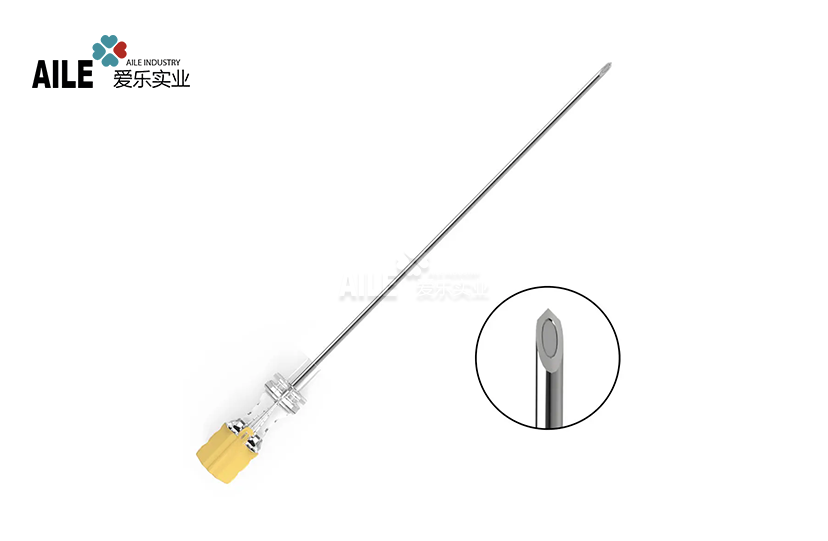
Modern dental needles are safer than they used to be in many ways that go beyond basic sterility standards. The triple-bevel tip shape lowers the entry force by up to 40% compared to other designs. This keeps the tissue from moving and the pain that comes after an injection to a minimum. A high-quality silicone covering on the needle tip makes it slippery so it can move easily through mucosal tissues, which further reduces damage caused by friction.
The threaded hub connection method is a big step forward in keeping needles from coming off by chance during aspiration or injection. This safe interface gets rid of the wobble and possible separation problems that come with press-fit designs, making sure that the cartridge seals consistently throughout the process. Color-coded hubs that follow ISO standards make it easy to find the right gauge quickly. This cuts down on selection mistakes during busy clinical sessions and speeds up the work process.
Material Integrity and Sterility Assurance
The high-quality stainless steel used in the construction gives it the mechanical strength to keep from bending during complicated body guidance while still being flexible enough to avoid breaking. Each needle is sterilized with EO (ethylene oxide) gas inside a package that is individually sealed. This makes sure that the needle gets to the point of use clean. This package integrity keeps needles sharp and germ-free for the normal three to five years that they can be kept properly.
How to Choose Dental Needles: Criteria for B2B Procurement
Matching Product Specifications to Operational Requirements
Before making a B2B buying choice, you should carefully look at your organization's clinical description and volume needs. Large hospital dental offices that do a lot of surgical extractions need different kinds of dental needles than general practice clinics that mostly do restorative treatments. Figuring out this pattern of use helps find the best gauge distribution, length variety, and minimum order amounts that balance the costs of keeping supplies with the risks of running out of them.
The minimum order number of 20,000 pieces from AVACARE is good for medium-sized to large healthcare facilities and area distributors who want to build stable supply relationships. This level lets companies with dozens of treatments every day offer low prices while keeping their inventory levels at a level that can be managed. To find out if this order minimum fits with working facts and storage capacities, procurement managers should figure out the average monthly consumption rates across all practice areas and then project six months' worth of supply needs.
Quality Indicators and Certification Requirements
Before committing to a seller relationship, professional healthcare buying needs to make sure that the provider meets a number of quality standards. As basic conditions, CE marking and ISO 13485 certification show that the medical device meets international quality control standards. With these certificates, you can be sure that the manufacturing process is regularly checked for contamination, accuracy in dimensions, and tracking procedures.
In addition to basic certifications, buying teams should look at specific performance traits that set premium goods apart from cheaper options. Quality factors that can be measured include how well the needle stays sharp, how strong the link between the hub and shaft is, and how long the coating lasts in normal storage circumstances. To be able to make fair comparisons between possible providers, you should ask for thorough technical specs such as measurements of the penetration force, the cantilever strength, and the coating adhesion test results.
Supplier Flexibility and Support Capabilities
The value proposition includes more than just the actual product. It also includes how quick the supplier is and how much the product can be customized. AVACARE's OEM and ODM services let you add your own brand, customize the packing, and translate the instructions into different languages. These are all important features for wholesalers who want to serve customers in different areas or build their own brand recognition. Production wait times of 30 to 45 days need to be planned for, but they are still competitive in the medical device making industry.
Accepting both T/T and L/C as forms of payment gives organizations and people doing business internationally more options for how they want to pay. Having samples available before committing to a large order lowers risk by letting clinical evaluation and testing of interaction with current syringe systems happen. When making long-term supply agreements that need to change to meet changing business needs, these service factors are often just as important as product specs.
Comparing Dental Needle Options: Performance, Pain Reduction, and Costs
Evaluating Pain Reduction Technologies
Making sure the patient is comfortable while the medicine is being given has a direct effect on how well the treatment works and how well the practice is known, so reducing pain should be a top priority when evaluating features of dental needles. Premium needles use silicone coating technology to make a slippery surface layer that keeps tissue fluids from sticking to the needle. This lowers entry drag. Studies in humans have shown that coated needles significantly lower the amount of pain that patients report compared to bare needles. This is especially true for palatal shots, where dense tissue makes the resistance higher.
The three-bevel design makes it more comfortable by optimizing the geometry of the cutting edge to make it sharper while keeping the structure strong. This shape cuts through tissue instead of tearing it, which makes the entry pathways cleaner and reduces inflammation after the injection. When comparing goods, procurement workers should ask for penetration force data in grams. Premium needles usually show values that are 20–35% lower than standard products.
Disposable Design and Safety Economics
Cross-contamination risks and safety issues that come with reusing tools are taken care of by single-use disposable dental needles. Per-unit costs are higher than reused options, but the total cost analysis needs to take into account the time and money needed for sterilization, the materials used in the autoclave, the loss of sharpness, and the risk of liability that could come from not recycling properly. Everyone in the healthcare industry agrees that throwaway needles are safer and easier to use, especially with today's rules for preventing needlestick injuries.
Break-resistance properties of high-tensile stainless steel formulations add extra safety gaps when accessing difficult body parts is difficult. Specifications for purchases should make sure that needles meet the standards for cantilever bend tests and don't break or deform permanently when put under forces higher than regular clinical loads. This toughness stops the rare but serious problem of needle fragments getting stuck inside the mouth and needing to be removed surgically.
Cost Analysis and Value Assessment
Price review needs to look at more than just unit costs. It also needs to look at total ownership costs, such as shipping, storage, and possible waste from going bad too soon. AVACARE's individually packaged needles keep them sterile and make it easy to rotate inventory using the "first-expired-first-out" rule. Bulk packing options might save you a little money, but they can get dirty when opened over and over, and it can be hard to keep track of how much they've been used.
When purchasing teams compare suppliers, they should ask for specific cost breakdowns that include bulk discounts, freight terms, and insurance covering for goods while they are in transit across foreign borders. When you put together affordable prices, quality certifications, and flexible payment terms, you get a value offer that meets both short-term budget needs and long-term supply chain security. Companies that buy things from around the world should make sure that the prices they are given include the costs of delivery and customs clearance so that they can make correct budgets.
Procurement and Supply Chain: Buying Dental Needles Smartly
Identifying Reliable Supply Partners
Building trusting relationships with suppliers starts with carefully checking out their production and quality systems. Standards for the work environment are revealed through site visits or checks by a third party. These standards include cleanroom classes and contamination control procedures. AVACARE has a production building that is 12,000 square meters and has 100,000-grade clean rooms. This shows that the company has invested in infrastructure that supports steady quality output and the ability to grow with its customers for dental needles.
Sample Testing and Validation Protocols
A smart way to buy something is to use sample review tools to make sure the product is good before you commit to buying it. Because samples are available from AVACARE, healthcare staff can test how well the dental needle works with current syringe systems, check the integrity of the packaging, and make sure the specifications are correct before making a minimum order quantity. During this testing process, the doctor should be asked to give feedback on how smooth the penetration is, how secure the hub connection is, and how easy it is to see the gauge markings in normal operating room lighting.
Managing Lead Times and Inventory Buffers
The 30-45 day production time for AVACARE custom orders means that purchasing needs to be planned in a way that takes into account the uncertainty of predicting consumption and the changing needs of the seasons. Setting up safety stock levels that are enough to cover 60 to 90 days of normal usage protects against sudden increases in demand or problems with the supply chain. This approach for keeping an inventory combines the costs of keeping it with the risk of running out of stock, which could mess up clinical schedules.
When inventory levels hit certain levels, procurement teams should set up reorder point estimates that send out new buy orders. Automated inventory management systems that are linked to electronic health records can keep track of how things are actually used and improve the accuracy of predictions over time. Talking to providers on a regular basis about available capacity and possible lead time extensions during busy times keeps you from having to pay a lot for expensive fast shipping at the last minute.
Building Trust with Top Dental Needle Brands and Suppliers
Certification Verification and Quality Assurance
Suppliers of medical devices can earn people's trust by clearly showing that they follow the rules and their quality management system for dental needles. For entry to the European market, CE marking and ISO 13485 certification are basic requirements. However, as part of the procurement due diligence process, these qualifications should be checked directly by reviewing the certificates and getting proof from the issuing body. Real providers are happy to give you up-to-date certification papers that include scope statements and expiry dates.
Strategic Partnership Through Customization
With OEM and ODM powers, relationships with suppliers go from being commercial to being strategic partnerships that help companies stand out from their competitors. Distributors can create their own product lines with unique package designs, hub colors that match their brand, and length assortments that fit the way things are done in their area. This customization makes the product stand out in the market while still meeting the quality standards shown by the manufacturer's certification portfolio.
AVACARE has worked with clients from other countries before, so they know how to deal with different legal settings and paperwork needs in different export markets. This knowledge makes it easier for sellers to enter new markets and lowers the safety risks that come with trading medical devices across borders. Collaboration on making new products that fill in gaps in the market or meet healthcare needs increases the value of a partnership in ways other than just getting goods.
Long-Term Supply Chain Resilience
Diversification tactics must be weighed against the benefits of forming stronger ties with suppliers in order to make the supply chain more resilient. While multi-sourcing makes you less dependent on a few providers, it can make quality control harder and cost you more if you buy in bulk. To figure out how reliable a supplier will be in the long run, procurement workers should look at how stable their finances are, how much of their production capacity is being used, and how they get their raw materials.
Quality-focused companies like AVACARE show they care about their customers' success after the product is delivered by providing a 24-hour quick response system and technical training help. These parts of the service are especially helpful when there are problems in the market or sudden increases in demand that mean orders need to be processed quickly. Price-focused relationships without quick customer service are less valuable than supplier partnerships that include full support systems.
Conclusion
When choosing the right dental needles, you have to weigh clinical performance needs, safety standards, the cost of purchase, and the trust of the provider. The choices that procurement professionals make about which gauges to use, quality standards, and seller partnerships have a direct effect on how well patients do and how efficiently the organization runs. Healthcare institutions and distributors build supply bases that support clinical success and business growth by giving priority to certified makers that can show a rigorous quality system, the ability to customize products, and quick support. Putting in the time and money to carefully evaluate suppliers and make sure products work well pays off with fewer problems, happier patients, and stable stock levels.
FAQ
What gauge dental needle is best for different procedures?
The 27G threaded needles are good for back injections that need more anesthetic, like inferior alveolar nerve blocks, which need to go deeper into the muscle. The 30G choices are good for frontal infiltrations and palatal injections where the patient's comfort is the most important thing and smaller amounts are enough. Clinicians usually keep both sizes of dental needles on hand so they can choose the right needle for the right body part and procedure.
Are AVACARE dental needles truly single-use only?
Yes, these are strictly one-time-use tools that have been cleaned with EO gas and are individually wrapped to keep them from getting contaminated. Trying to reuse something hurts the precision-ground sharp edge, makes it less sterile, and goes against infection control rules. The throwaway design gets rid of the need for cleaning work and makes sure that every patient gets a clean, perfectly sharp needle.
How can I verify supplier certifications are legitimate?
Ask for full copies of CE certificates and ISO 13485 paperwork, and then use notified body records kept by regulatory authorities to check the granting body's legitimacy. Legitimate sellers make it easy to see their current certifications, which include registration numbers that allow for independent proof. As part of standard due diligence research for purchasing, AVACARE keeps all information about its certifications open and welcomes questions about their accuracy.
Get Started with AVACARE Dental Needle Solutions
AVACARE wants purchasing managers and medical device wholesalers to see what a change ISO 13485-certified manufacturing and CE-marked quality assurance can make. As a well-known company that makes dental needles and offers both OEM and ODM services, we offer sample packs so that you can test them in the clinic before you commit to buying a lot of them. Email our buying experts at admin@aileindus.com to talk about your unique number needs, customization preferences, and shipping schedules. Our team can help you make smart buying choices and build long-term supply relationships, whether you're looking for anesthetic needles for clinic groups with multiple locations or creating your own line of products to sell in your area.
References
1. Malamed, S. F. (2019). Handbook of Local Anesthesia. Seventh Edition. St. Louis: Elsevier Health Sciences.
2. American Dental Association Council on Scientific Affairs. (2018). Infection Control Recommendations for the Dental Office and the Dental Laboratory. Journal of the American Dental Association, 149(9), 729-741.
3. Meechan, J. G., & Kanaa, M. D. (2021). Pain Perception During Local Anesthetic Injection: The Influence of Needle Design. British Dental Journal, 230(6), 345-349.
4. International Organization for Standardization. (2020). ISO 7885-1: Sterile Dental Injection Needles for Single Use. Geneva: ISO Standards.
5. Reed, K. L., & Malamed, S. F. (2017). Needle Breakage: Incidence and Prevention. Journal of the American Dental Association, 148(10), 759-766.
6. Flanagan, T., & Wahl, M. J. (2020). Medical Device Quality Systems: ISO 13485 Compliance for Dental Products. Regulatory Affairs Professionals Society Quarterly Journal, 27(3), 112-125.

_1782811410038.webp)