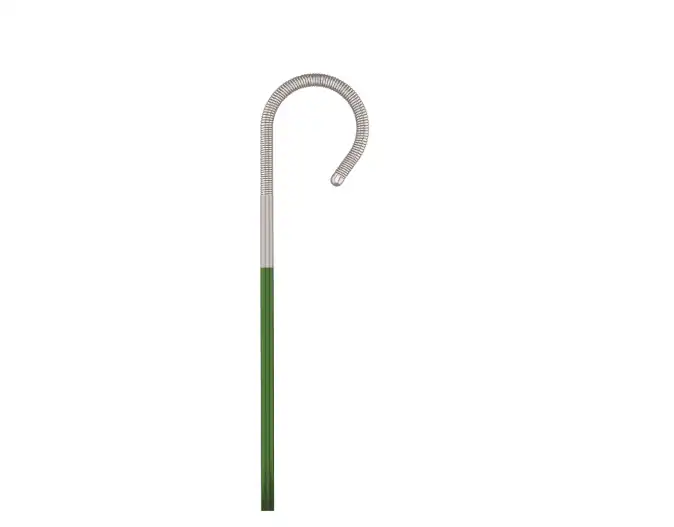
Cat Dog Urine Catheter With Stylet Veterinary Urinary 3Fr
Order MOQ: 20000 pcs
Size : 2 / 2.5 / 3 / 3.5 / 4 Fr
Private Label: OEM and ODM
Quality Certifications: CE / ISO13485 / USA FDA
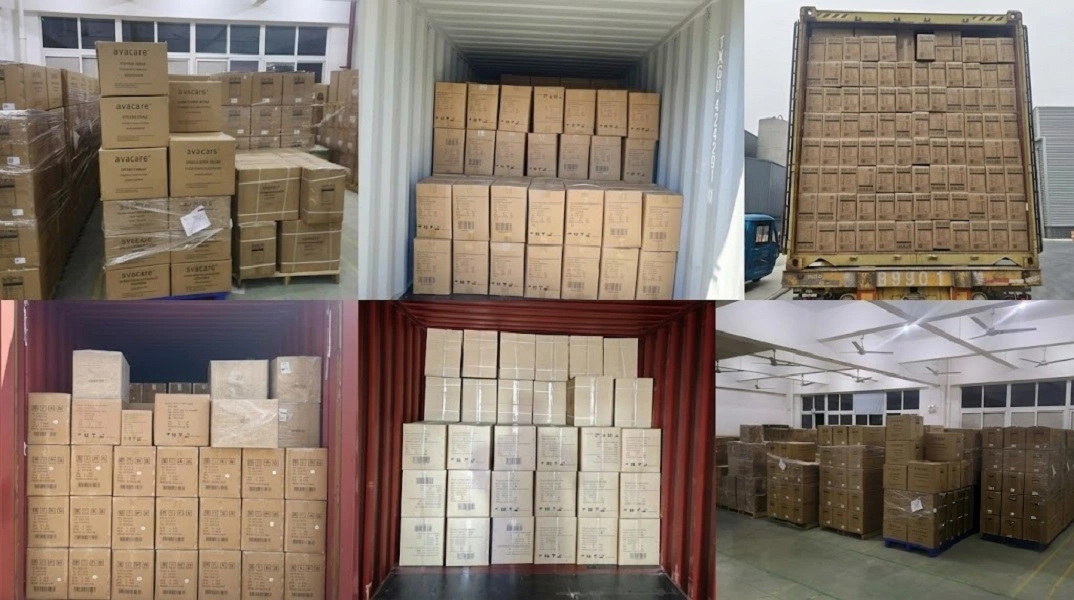
Delivery Time: 30–45 Days (approx.)
Payment Methods: T/T or L/C Accepted
Cat Dog Urine Catheter With Stylet Veterinary Urinary Size : 2 / 2.5 / 3 / 3.5 / 4 Fr
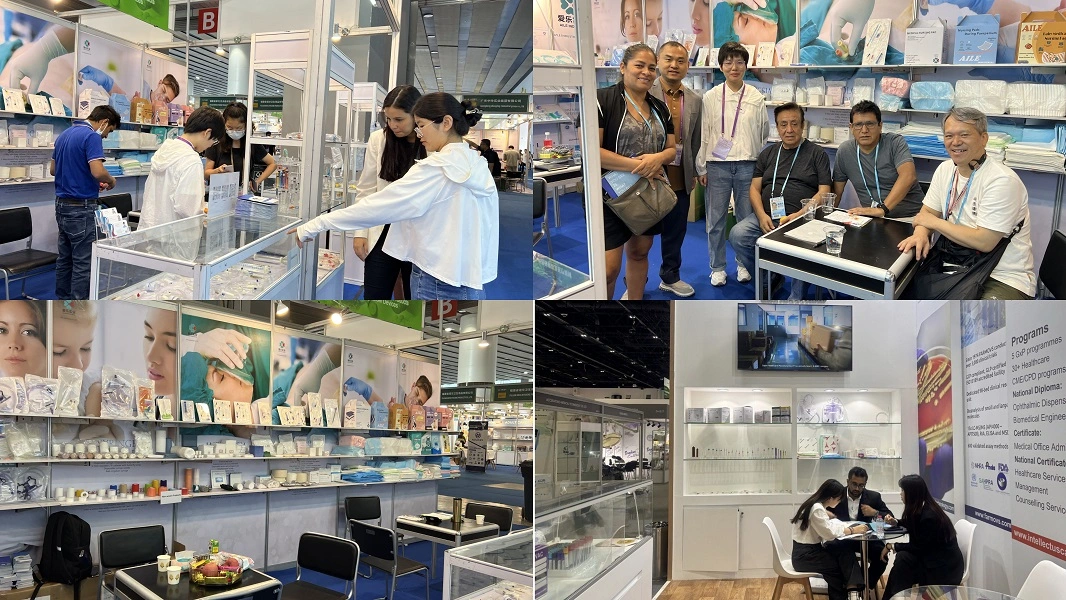
HENAN AILE INDUSTRIAL CO., LTD with over 12 years of medical experience.
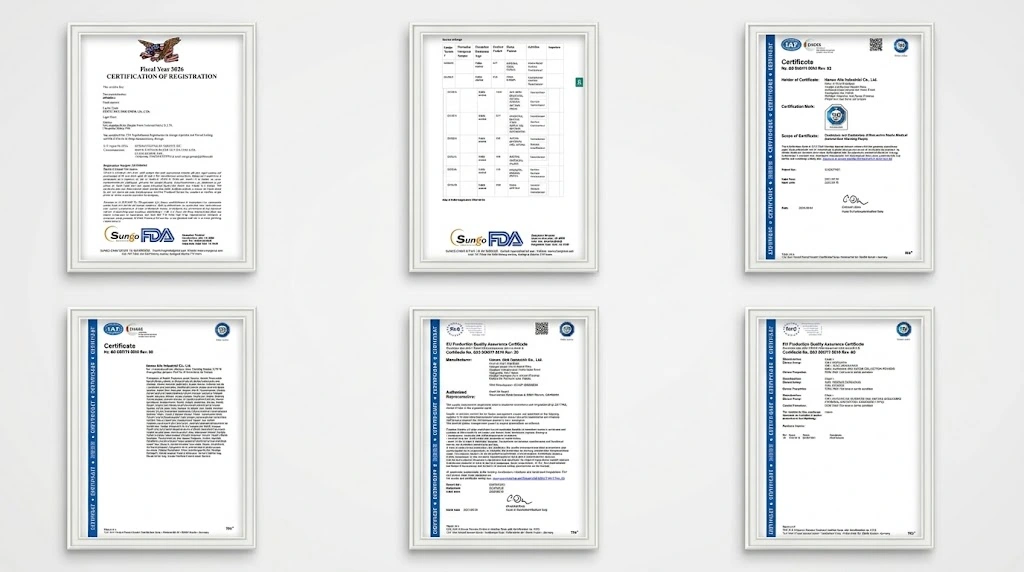
We hold certifications, including CE, ISO 13485 & USA FDA.
1. Key Product Features & Highlights
High-Tensile Removable Medical Stylet
Superior Axial Column Strength: Provides the ideal rigidity needed to push through urethral mucus plugs, protein matrix clusters, and impacted micro-calculi in obstructed male felines.
Atraumatic Safety Gap: The stylet tip is mechanically rounded and recessed from the catheter's distal tip, preventing the stylet from puncturing the catheter wall or creating false tracks.
Easy Withdrawal: Once the catheter reaches the lumen of the urinary bladder, the stylet glides out effortlessly without dragging the shaft out of place.
2. Product Overview & Clinical Value
In veterinary emergency, critical care, and daily companion animal urology, urethral catheterization is an indispensable lifesaving procedure. The Cat Dog Urine Catheter With Stylet Veterinary Urinary Size : 2 / 2.5 / 3 / 3.5 / 4 Fr is precision-engineered specifically for managing feline lower urinary tract disease (FLUTD / FIC), urethral obstruction, canine urolithiasis, and perioperative urine output monitoring.
Featuring a high-tensile medical-grade internal stylet, an ultra-smooth biocompatible shaft, and an atraumatic distal tip, this catheter is optimized to overcome challenging feline urethral anatomy, tortuous pathways, and localized muscular spasms. With sizes ranging comprehensively from 2 Fr to 4 Fr, this line ensures optimal anatomical fit for kittens, adult cats, toy/small-breed dogs, and exotic pocket pets without causing mucosal avulsion or urethral perforation.
Ultra-Smooth Low-Resistance Biocompatible Tubing
Manufactured with precision thermo-molding technology, the outer surface yields an exceptionally low friction coefficient.
Laser-polished, deburred drainage eyelets prevent abrasion against severely inflamed, hyperemic, and friable urothelium.
High-Flow End & Side Drainage Fenestrations
Symmetrical side holes and optimized inner-lumen geometry deliver rapid evacuation of concentrated hematuria, crystal debris, and flushing solutions, preventing intraluminal clogging.
Radiopaque Tracking & Depth Markings
High-contrast radiopacity under diagnostic X-ray and fluoroscopy allows immediate verification of tip positioning inside the bladder lumen.
Clearly marked centimeter graduations along the tube permit millimeter-level insertion depth control.
Universal Luer Lock & Suture Suture Retaining Wings
Rigid female luer connector mates securely with standard luer-tip syringes for back-flushing, contrast injections, or connection to closed-collection drainage systems.
Adjustable suture wings provide secure, stress-free fixation to the prepuce or perineal skin, preventing accidental dislodgement caused by patient movement.

3. Specifications & Sizing Chart
| Size (Fr) | Outer Diameter (mm) | Target Anatomy & Patient Guide | Recommended Clinical Indication |
| 2.0 Fr | ~ 0.67 mm | Kittens, exotic mammals, severe strictures | Acute spasm bypass, pediatric feline catheterization |
| 2.5 Fr | ~ 0.83 mm | Small adult cats, queens, pediatric puppies | Early-stage FLUTD unblocking, exploratory assessment |
| 3.0 Fr | ~ 1.00 mm | Standard domestic male felines, toy dogs (Chihuahua, Pomeranian) | Obstructive plug relief, short-to-mid term indwelling |
| 3.5 Fr | ~ 1.17 mm | Large felines (Maine Coon, Ragdoll), small dogs (Poodle, Dachshund) | Extended drainage, high-viscosity flush irrigation |
| 4.0 Fr | ~ 1.33 mm | Small to medium canines, patent feline urethras | Continuous perioperative UOP monitoring, gross hematuria |
Length: Available in 130 mm, 150 mm, and 300 mm extended lengths
Sterilization: 100% EO Gas Sterilized (Individually sealed in medical peel-pouches)
Shelf Life: 3 to 5 Years
4. Material Differentiation & Science
Veterinary urinary catheters generally fall into three material categories, each suited for distinct clinical scenarios:
| Characteristic | Polyethylene / Polypropylene (PE / PP) | Polyurethane (PU / TPU) | Medical-Grade Silicone |
| Initial Stiffness | High / Rigid | Semi-rigid (softens at body temperature) | Very soft / Floppy |
| Pushability & Stylet Dependency | Excellent push without stylet | Optimal push with stylet; flexible once removed | Requires stylet for any insertion attempt |
| Biocompatibility | Moderate (prone to tissue irritation) | High (minimal urothelial reaction) | Superior (inert, lowest encrustation risk) |
| Indwelling Recommendation | Immediate unblocking or < 24 Hours | 3 to 7 Days safely | 7 to 14+ Days (Long term) |
| Clinical Persona | "The De-obstructor" | "The All-Rounder (Unblock & Indwell)" | "The Critical Care Indwelling Tube" |
Material Strategy of This Product: Combining engineered polymer tubing with an electropolished 304/316 medical stainless steel stylet gives the practitioner the exact stiffness needed to navigate the penile sigmoid flexure and unseat calculi. Once inside, the stylet is removed and the tube softens gently at physiological body temperature, dramatically reducing patient discomfort and bladder wall erosions.
5. Why Choose Our Veterinary Urinary Catheters?
Minimizes Urethral Trauma: Designed to reduce catastrophic iatrogenic injuries such as urethral tears, extravasation, and peri-urethral hematomas.
Complete Size Matrix (2 Fr – 4 Fr): Ensures every patient size from tiny neonates to mature felines and small canines has an anatomically proportionate match ready on the shelf.
Seamless Closed-System Integration: Standardized luer connectors enable direct, aseptic linkage to sterile collection bags, mitigating Catheter-Associated Urinary Tract Infections (CAUTI).
6. Target Audience & Clinical Applications
Primary Users:
Veterinary emergency & critical care clinics (VECC / ICU)
Small animal private practices and animal surgical referral hospitals
Veterinary academia, teaching colleges, and surgical skill labs
Primary Indications:
Complete/partial obstructive uropathy secondary to FLUTD / Feline Idiopathic Cystitis (FIC)
Retrograde hydropulsion of urethral plugs, struvite/oxalate uroliths, or blood clots
Real-time monitoring of Urine Output (UOP) in septic, oliguric, or renal-failure patients
Neurogenic bladder management following Intervertebral Disc Disease (IVDD) or spinal trauma
Positive-contrast retrograde urethrocystography
7. Frequently Asked Questions (FAQ)
Q1: Can this catheter be used in female dogs and cats?
A1: Absolutely. While predominantly deployed for narrow male feline anatomies, it can be applied to female cats and small female dogs for bladder drainage or sterile collection via speculum guidance or digital palpation.
Q2: Will the stylet push through the tip and pierce the bladder wall?
A2: No. The internal stylet length is engineered with a strict mechanical safety margin; its tip is blunt and stops just short of the catheter's distal end, preventing accidental breakthrough under normal veterinary technique.
Q3: What is the recommended indwelling duration?
A3: For standard polyurethane-hybrid materials, 48 to 72 hours is the recommended clinical sweet spot, with a maximum window of 5 days. Daily perineal hygiene and closed drainage bags are strongly advised.
Q4: What should I do if severe resistance is felt during advancement?
A4: Never force the catheter forward. Attach a syringe with sterile saline and 2% lidocaine gel to the luer hub and perform gentle retrograde hydropulsion. Pulsatile fluid flushes dilate the urethral lumen and mobilize lodging calculi safely.
Q5: When should I select a 2.0 Fr or 2.5 Fr catheter?
A5: These ultra-low profiles are ideal for pediatric kittens (< 6 months), patients with marked inflammatory urethral stenosis, or exotic species like rabbits and ferrets.
Q6: Can this catheter be re-sterilized with an autoclave?
A6: No. This is a single-use, sterile EO-processed device. Autoclaving or chemical cold soaks degrade polymer tensile strength, warp the tip geometry, and introduce high risks of nosocomial multi-drug resistant urinary infections.
Q7: How do I prevent post-procedure self-removal by the patient?
A7: Suture the bilateral wings securely to the prepuce or perineum with non-absorbable monofilament suture (3-0 or 4-0). An appropriately sized Elizabethan collar (E-Collar) must remain on the patient at all times.
Q8: Exactly when should the internal stylet be removed?
A8: Withdraw the stylet once the distal tip has crossed the ischial arch, entered the bladder neck, and urine flash is observed in the hub or via trial aspiration.



_1782811410038.webp)