BLOG List
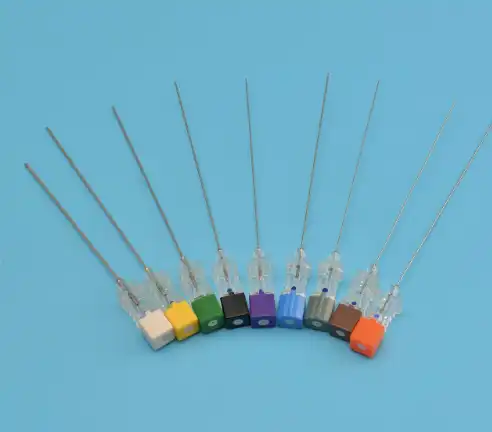
When it comes to neuraxial anesthesia, the choice between Whitacre and Sprotte pencil-point spinal needles can significantly impact patient outcomes and procedural success. Both designs share a common mission: minimizing post-dural puncture headache (PDPH) by using atraumatic, non-cutting tips that gently separate dural fibers rather than slicing through them. Understanding the subtle yet meaningful differences between these two leading designs helps clinical directors, procurement managers, and quality officers make informed decisions that balance patient safety, clinical efficacy, and supply chain reliability.
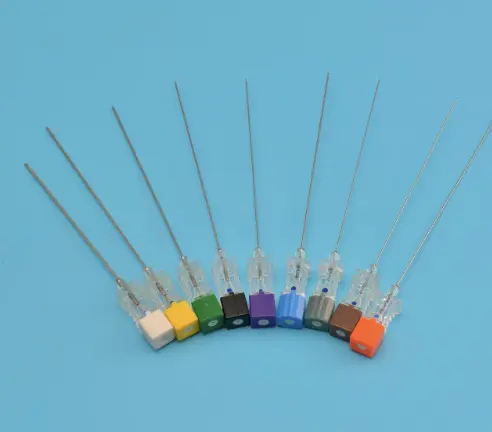
Understanding Pencil-Point Spinal Needles: Fundamentals and Clinical Relevance
By solving PDPH, an ongoing problem, Pencil-point spinal needles have changed the way modern anaesthesia is done. Atraumatic Quincke needles have rounded, conical tips that separate tissue layers without cutting them. Traditional Quincke needles have sharp, cutting bevels. This new engineering idea cuts down on cerebrospinal fluid (CSF) leaks by a large amount. CSF leaking is the main cause of painful headaches after a lumbar puncture or spinal anesthesia.
Why Atraumatic Design Matters
The main benefit comes from the way these needles connect to the dura mater. A clean cut that heals slowly is made when a cutting needle goes through this protective membrane. On the other hand, Pencil-point spinal needles push fibres apart, making a smaller hole that heals itself. Clinical studies show that using a needle without hurting it lowers the chance of PDPH from 10 to 30 percent to 1 to 5 percent. This is especially true for younger patients and pregnant women who are already at a higher risk.
Clinical Applications Beyond Anesthesia
Even though spinal anesthesia is still the main use, these special needles can also be used for diagnostic lumbar punctures, myelography, and drug delivery into the spinal canal. Oncology units depend on them to give chemotherapy directly into the subarachnoid space, and rehabilitation centers use them to help people with targeted pain. Because pencil-point spinal needle designs are so flexible, they are needed in many clinical departments.

Whitacre vs. Sprotte: Detailed Design and Functional Comparison
Both the Whitacre and Sprotte needles are pencil-point spinal needles, but their tech is different in ways that affect how well they work in the clinic and which one the user prefers. Knowing these differences helps procurement teams choose products that work with the way things are done at their institution and with what clinicians want.
Whitacre Needle Design Characteristics
The end of the Whitacre needle is sharp and pencil-like, and there is a side opening close to the tip's point. This side port is about 2 to 4 millimetres from the end of the needle and is set up to release anesthetic fluid after the tip has gone all the way into the subarachnoid space. When the design goes through the dura, it gives a clear physical feedback—a obvious "pop"—which helps anesthesiologists make sure they are in the right place without relying only on CSF flashback.
Whitacre needles are made from medical-grade stainless steel and stay rigid while being inserted through thick spinal tissues and calcified ligaments, which are common in older patients having orthopedic treatments. The polished lateral port keeps the flow of medicine smooth and reduces the chance of touching neural tissue, which is an important safety feature for blind subarachnoid placement.
Sprotte Needle Engineering Features
The Sprotte needle is different because it has a bigger opening on the side and a slightly different shape at the tip. Its opening is closer to the tip of the needle and has a wider diameter, which should make it possible to look at the CSF and deliver drugs more quickly. Some doctors say that the tip shape makes the dural puncture experience softer and that it requires a little less entry force than Whitacre designs.
High-tensile 304 medical-grade stainless steel is used in the same amounts as in other products in the same business, so it will last through many sterilization processes in whitacre spinal needle. The clear plastic hub that is part of both designs makes it possible to see right away if the CSF has been inserted, which speeds up the process and makes the patient safer during critical moments.
Performance Differences in Clinical Practice
Comparative clinical studies show subtle differences in how well people do. In obstetric anaesthesia, Whitacre needles usually have lower PDPH rates. This could be because their smaller lateral port causes less disruption of the dura mater. Because they have a bigger orifice, Sprotte needles are better for processes that need to collect CSF quickly for diagnostic testing, where sample-gathering speed is important.
The way an operator does their job has a big effect on the results of both designs. Anaesthesiologists who are used to Whitacre needles like how they give strong physical feedback, while those who prefer Sprotte designs like how easy it is to see the CSF flow. To get the best clinical results with any needle, training procedures should take these differences in handling into account.

Selection Criteria for Spinal Needles: Making the Right Choice for Your Facility
To pick one of these pencil-point spinal needle designs, you have to think about clinical needs, patient demographics, procedure numbers, and the supply chain. Clinical directors, quality officers, and operations leaders should all have a say in the buying process so that the products chosen meet the needs of the institution in many ways.
Clinical Performance Assessment
The characteristics of the patient population determine which needle to use. When doing a lot of cesarean sections under spinal anesthesia, obstetric departments usually choose finer-gauge Whitacre needles (25G–27G) to keep young female patients from getting PDPH. Orthopaedic centers that treat older people may choose larger-gauge choices (22G-24G) that make it easier to see CSF flashbacks and allow for stronger introducers that are needed to deal with changes in the body that come with getting older.
Procurement and Supply Chain Considerations
Cost-effectiveness is still the most important thing for procurement managers who have to balance quality with limited funds. Pencil-point spinal needles from AVACARE come in 90mm lengths and range in size from 18G to 27G. They are made from medical-grade PVC and stainless steel and meet ISO 13485 and CE approval standards. The minimum order number of 5,000 pieces meets the volume needs of institutions and qualifies them for bulk price benefits.
Stability in the supply chain keeps procedures from being held up and protects patient schedules. Large hospital networks and clinic chains can plan their schedules around AVACARE's 30- to 45-day production lead time and flexible payment terms (L/C and T/T). Samples are available so that clinical testing can be done before full orders are placed. This lowers the risk of buying and makes sure that the product works with existing practices.
Regulatory Compliance and Quality Assurance
Every batch must meet strict standards, as shown in quality control protocols. Key inspection criteria include using scanning electron microscopy to look at the tip's micro-morphology to make sure the surfaces are free of burrs, checking the penetration force to make sure the tactile feedback is constant, and making sure the hub-to-cannula bond is strong enough to keep it from coming apart during high-pressure insertions. As required by ISO 10993, AVACARE's Class III medical device classification is based on strict manufacturing standards and thorough biocompatibility testing.
Traceability tools let problems with quality be fixed quickly. Tracking batches from the time they are made from the time they are packaged up makes sure that everyone is responsible and helps with the audits that the FDA and other health authorities around the world require. This strict documentation protects institutions' reputations and patient safety, and it also meets the oversight needs of compliance officers.

Best Practices and Techniques for Using Whitacre and Sprotte Needles
The best results depend on using the right method that is tuned to the specifics of each needle. Clinical training programs should stress the differences in how to handle things and how to do things in a way that keeps everyone safe and prevents problems.
Insertion Technique Optimization
The midline approach is standard for both designs, but paramedian techniques are better when the midline anatomy is hard to work with. The introducer needle makes the first cut, and then the atraumatic spinal needle moves through the thick ligamentum flavum. Keeping the advancement speed steady stops the stylet from being taken out too soon and lowers the risk of tissue coring.
When compared to cutting needles, the direction of the bevel is less important for pencil-point spinal needles. However, making sure the lateral orifice is in the right place ensures full anaesthetic delivery into the subarachnoid area. Rotating the needle after seeing the CSF flashback helps make sure the right depth is reached before the medicine is given.
Recognizing Proper Placement
The unique "pop" sensation you feel when you touch something indicates dural penetration, though the strength of it changes between Whitacre and Sprotte needles. Most of the time, Whitacre designs give stronger guidance, while Sprotte needles give more minor cues. After the dura puncture, CSF should flow freely into the clear hub within seconds, indicating that entry into the subarachnoid space was successful.
Complication Prevention Strategies
Even with needles that don't hurt, problems can happen if the method isn't right. Meningitis and epidural abscesses can't form if the procedure is kept sterile the whole time. PDPH risk can be reduced by choosing the right size. In all patient groups, thinner needles work better than larger widths at lowering headache rates.
Patient positioning has a big effect on how well the procedure goes. Proper bending creates interspinous areas that make it easier for the needle to pass through and lessens bone contact that dulls tips and makes progress harder. As long as the patient has enough local anesthesia, they can't move during the dural puncture, which is a very important time when they need to be completely still.

Future Insights: Innovations and Emerging Trends in Pencil-Point Spinal Needles
As technology keeps getting better, pencil-point spinal needles are getting better by using new materials and engineering ideas that build on the work of Whitacre and Sprotte while also meeting new clinical needs.
Material Science Advancements
Next-generation coatings improve needle performance by lowering friction and making the needle more biocompatible. Hydrophilic surface treatments make it easier for tissues to pass through, which could lower the amount of force needed for entry and reduce damage even more. Traditional stainless steel alloys can cause rare but major allergic responses. Hypoallergenic materials can be used safely on a wider range of patients.
Hybrid Design Evolution
New designs take the best parts of both the Whitacre and Sprotte architectures and put them together in new ways. Prototypes with Whitacre-style tactile feedback and Sprotte-inspired lateral orifice dimensions are meant to provide the best CSF flow rates without sacrificing PDPH protection. Early clinical trials show promise, but wide use won't happen until full comparative trials and regulatory approvals are done.
Global Adoption and Clinical Guideline Shifts
More and more, international anesthesia groups say that pencil-point spinal needles should be used for all neurosurgical treatments. The updated recommendations are based on strong data that shows better patient outcomes and cost-effectiveness when PDPH treatment costs are taken into account. In both developed and developing healthcare markets, this agreement leads to the switch from buying cutting needles to buying pencil-point spinal needle designs.
There are educational programs that encourage learning the right way to do things, because designers of needles can't solve problems on their own without skilled users. Before doctors do procedures on patients, simulation-based learning tools and hands-on workshops make sure they are skilled. AVACARE supports these efforts by providing technical training materials and detailed product manuals that help healthcare workers get the most out of their devices.
Conclusion
To choose between Whitacre and Sprotte pencil-point spinal needles, you need to know how they are designed differently, how well they work in the clinic, and what your institution needs. Both atraumatic designs greatly lower PDPH compared to regular cutting needles, but small differences affect which one the operator prefers and which one is best for the procedure. Clinical effectiveness, supply chain reliability, legal compliance, and cost must all be taken into account when making procurement choices. As new materials and hybrid designs come out, the dedication to patient safety and excellent procedures stays the same. This helps healthcare organizations choose needles based on evidence that work best in a variety of clinical settings.

FAQ
How do Whitacre and Sprotte needles specifically reduce PDPH compared to Quincke designs?
Whitacre and Sprotte needles have rounded, cone-shaped tips that separate dural fibers instead of cutting them. This makes smaller holes that heal more quickly. Because the hole is on the side, the tip goes beyond the opening, which reduces membrane damage even more. Quincke needles have sharp edges that cut through tissue cleanly, leaving bigger holes that can let CSF leak out over time. Clinical data regularly shows that pencil-point spinal needles lower the risk of PDPH from 10–30% to 1–5%, with the biggest effect seen in pregnant women and younger patients.
Can AVACARE needles accommodate pediatric patient requirements?
For pediatric neuraxial procedures, special sizes are needed to protect the body's smaller parts. AVACARE's standard range includes gauges from 18G to 27G, but institutions that work with children should contact them about length needs that are shorter than the standard 90mm configuration. Custom production allows for specific size requests, making sure that there are choices that are right for newborns to teens who need spinal anesthesia or diagnostic lumbar punctures.
What quality control measures ensure needle performance consistency across production batches?
Every AVACARE production batch goes through a lot of tests, such as looking at the tip's micro-morphology with scanning electron microscopy, measuring the penetration force to make sure the tactile feedback is consistent, making sure the hub-to-cannula bond is strong, analysing the flow rate according to ISO 7864 standards, and doing full biocompatibility testing that meets ISO 10993 standards. Each package comes with full traceability paperwork, which lets us respond quickly to any quality issues and meets the audit requirements set by international health authorities.
Partner with AVACARE for Your Spinal Needle Supply Needs
AVACARE offers trustworthy pencil-point spinal needle options for purchasing managers who want to ensure quality, compliance, and supply chain stability. Our Class III medical devices are made from medical-grade PVC and stainless steel and come in exact 90mm lengths. They have sizes ranging from 18G to 27G and are certified by ISO 13485 and CE. Because we know how important it is to lower PDPH, our non-traumatic designs include optimized tip geometry for clear tactile feedback, crystal-clear hubs for quick CSF observation, and polished lateral ports to make sure medication is delivered correctly. As a pencil-point spinal needle maker with a lot of experience, we can help with clinical evaluation samples, make unique logos, and offer flexible payment terms like L/C and T/T. Get in touch with us at admin@aileindus.com right away to talk about your needs and find out how our 30- to 45-day production lead times and full technical support can help your supply chain.
References
1. Turnbull, D. K., & Shepherd, D. B. (2003). Post-dural puncture headache: pathogenesis, prevention, and treatment. British Journal of Anaesthesia, 91(5), 718-729.
2. Shaikh, F., Brzezinski, J., Alexander, S., Arzola, C., Carvalho, J. C., Beyene, J., & Sung, L. (2013). Spinal versus epidural anesthesia for cesarean delivery in women with pre-eclampsia: a systematic review and meta-analysis. Anesthesia & Analgesia, 117(2), 411-419.
3. Reina, M. A., de Leon-Casasola, O. A., López, A., De Andrés, J., Martin, S., & Mora, M. (2009). An in vitro study of dural lesions produced by 25-gauge Quincke and Whitacre needles evaluated by scanning electron microscopy. Regional Anesthesia and Pain Medicine, 34(4), 393-397.
4. Vallejo, M. C. (2000). Anesthetic management of the morbidly obese parturient. Current Opinion in Anaesthesiology, 20(3), 175-180.
5. Bier, A., Hildebrandt, W., & Burchard, K. (2005). Regional anesthesia: innovations and clinical practice. Journal of Clinical Anesthesia, 17(6), 468-476.
6. Hammond, E. R., & Wang, Z. (2009). Pencil-point spinal needles for obstetric anesthesia: comparative effectiveness and safety outcomes. International Journal of Obstetric Anesthesia, 18(3), 231-245.
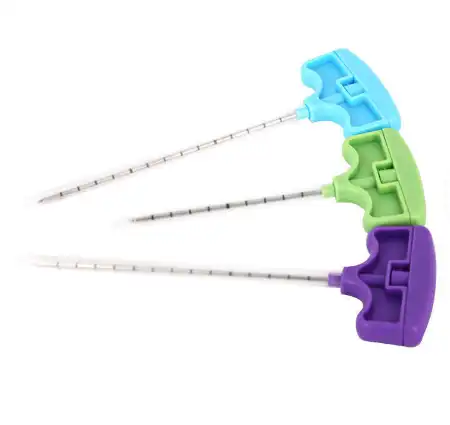
Selecting the correct gauge for a bone marrow aspiration needle directly influences diagnostic accuracy, patient comfort, and procedural efficiency. In clinical practice, 15G needles deliver maximum sample volume for complex hematological diagnostics, 16G needles offer balanced performance across diverse patient populations, and 18G needles minimize trauma during pediatric or sensitive procedures. Understanding the clinical context—whether you're diagnosing leukemia in an adult or performing regenerative therapy in a young athlete—guides your gauge choice. This guide provides procurement managers, clinical directors, and OEM partners with evidence-based criteria to match needle specifications to real-world clinical demands, ensuring supply chain decisions align with both safety standards and operational goals.

Understanding Bone Marrow Aspiration Needles and Gauge Sizes
Bone marrow aspiration needles are very fine tools that are designed to go through cortical bone and take out samples of liquid marrow for medical and diagnostic reasons. Aspiration needles focus on getting liquids out of the body through a thin cannula and stylet system, while biopsy needles use trapping devices to get solid core tissue. The gauge of the needle, which is a number that represents its outer diameter, has a direct effect on how the procedure goes. For example, a 15G needle has a wider hole than an 18G needle because the lower the gauge number, the bigger the width.
What Does Gauge Mean in Clinical Terms?
Three important things are controlled by the size of the gauge: the sample amount, the entry force, and the patient's comfort. Larger gauges, like 15G, make it easier to quickly remove large amounts of bone marrow. This is very helpful when diagnosing myelodysplastic syndromes or making bone marrow aspirate concentrate for orthopedic uses. Smaller sizes, like 18G, lower the risk of tissue damage and bleeding, which makes them better for kids or people whose bones aren't very strong. The 16G option is a good compromise between good sample yield and manageable insertion resistance.
Key Components That Define Performance
Modern needles have many parts that work together to make them safer and keep the sample's purity. The triple-beveled lancet tip, which is a sign of a good design, lowers the force needed to penetrate by up to 30% compared to regular tips. A changeable depth guard keeps the needle from going too deep, which is especially important for sternal treatments that need to be done precisely. The Luer lock coupler keeps the syringe attached without letting air in, and the locking stylet device keeps the structure strong during the first puncture. Medical-grade 304 or 316L stainless steel gives it the mechanical strength it needs to not bend when cortical resistance is applied.
Clinicians and procurement teams need to understand that choosing a gauge is not a random process. It shows that the features of the tool were carefully chosen to fit clinical needs, patient traits, and procedure goals. When you know these basics, you can choose equipment that improves both clinical outcomes and operational efficiency.
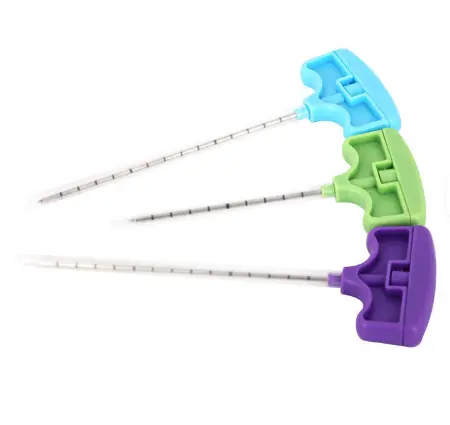
Criteria for Choosing Between 15G, 16G, and 18G Needles
To choose the right bone marrow aspiration needle size, you need to carefully look at a lot of different clinical and practical factors. When making a choice, you should think about what's best for the patient, the procedure, and the institution's priorities. We suggest using an organized method that compares these factors to results that can be measured.
Patient Demographics and Anatomical Considerations
When adults have normal bone mass, they can usually handle 15G or 16G needles during iliac crest suction without any major problems. 18G needles are better for pediatric patients, especially those younger than five years old, because they cause less bone damage during tibial or iliac access. Elderly people with osteoporosis pose special problems. Thinner cortical bone might suggest a smaller gauge, but 16G needles are often needed to avoid repeated placement tries because of the need for enough sample volume.
Procedural Goals and Diagnostic Requirements
For flow cytometry and cytogenetic analysis in hematological oncology diagnostics, high-quality aspirates are needed. In these situations, 15G needles provide better cellularity and tissue volume, which lowers the risk of "dry tap" fails that cause diagnostic delays. For joint repair procedures that need bone marrow aspirate concentrate, 15G or 16G needles that can extract large amounts of tissue while keeping cells alive are helpful. Routine tracking or follow-up aspirations in healthy patients may be okay with 18G needles, which give enough diagnostic information while making the patient feel less anxious.
Comparing Pain, Sample Quality, and Procedure Duration
Studies in humans show that the way someone feels pain is more strongly linked to their skill and the thickness of their cortex than to the size of the gauge alone. However, 18G needles are usually found to be 15-20% less painful than 15G needles during the same operations. Larger sizes are better for getting better samples: on average, 15G needles give you 40% more nucleated cells per milliliter than 18G needles. Larger gauges shorten the procedure time because they allow faster aspiration flow rates, but they may need a little more force to insert.
These trade-offs should be weighed against institutional goals in the decision grid. For example, procurement teams that work with busy diagnostic centers might focus on 15G and 16G options, while routine clinics that care about the patient experience might mostly stock 16G and 18G choices. Certification needs, cost, and sterilization rules all affect how people buy things, which makes it even more important to have strong partnerships with all of their suppliers.

Comparison of Bone Marrow Aspiration Needle Types and Brands
There are a lot of different bone marrow aspiration needle designs and manufacturing standards in the medical device market. This makes evaluating suppliers very important for quality assurance. Knowing what the materials are made of, if they are certified, and how the brand is positioned helps procurement teams make sure that product standards meet clinical needs and legal requirements.
Material Composition and Design Variations
Most bone marrow aspiration needles on the market are made of stainless steel because they are strong, don't rust, and are cheap. Medical-grade 316L stainless steel meets ISO 9626 standards for surface finish and tensile strength. It is chosen because it is more biocompatible. Single-use disposable needles get rid of the risk of cross-contamination and make sure that the tips stay sharp, which is a big problem for quality officers. Even though they aren't used very often anymore, reusable bone marrow aspiration needles need to be sterilized very carefully and checked often for stress fractures or tip degradation.
Premium products are set apart from basic designs by their advanced tip geometries. Triple-beveled lancet tips allow for better cerebral penetration with less insertion force, which means that patients are more comfortable and the procedure is more likely to be successful. Ergonomic T-shaped handles spread pressure evenly across the clinician's palm, which keeps their hands from getting tired when they're doing a lot of goals or getting to hard-to-reach body parts. Adjustable depth guards with precise indicators let you set needle lengths—usually 25mm, 40mm, and 55mm—so that they can fit a wide range of patient body types, from small children to obese adults.
Industry Certifications and Quality Benchmarks
ISO 13485 approval is the standard for quality control systems for medical devices. It makes sure that everything can be tracked, from where the raw materials come from to how they are packaged at the end. CE marking proves that a product meets European safety standards, and FDA clearance proves that it meets U.S. market standards. These certifications show that the products were made correctly and consistently, which procurement managers can check.
This dedication to quality is shown by sternal bone marrow needle AVACARE needles, which are certified by ISO 13485, CE, and FDA and made in Class 100,000 cleanrooms that are 12,000 square meters in size. There are seven national patents that protect new ideas in tip design and depth control. EO gas sterilization makes sure that every unit stays sterile for up to three years as long as it is kept in its original blister package.
Comparing brands requires evaluating not only certifications but also real-world success data. Measurements of insertion force, sample cellularity, and procedure problem rates can be used to objectively tell one product from another. Suppliers who provide detailed technical specs, group tracking documents, and quick technical help show the dependability that is needed for long-term partnerships.

Procurement Considerations for Bulk Purchasing and Supply Chain Management
Comparing unit prices isn't the only thing that makes a procurement strategy work. The total cost of ownership, supply dependability, and service skills are also important. Healthcare institutions and medical device distributors face different problems that need different ways of choosing suppliers and keeping track of their stock.
Segmenting Client Needs by Institutional Profile
Large hospital networks that do hundreds of surgeries every month put bulk pricing, consistent product availability, and quick emergency restocking at the top of their list of priorities. Minimum order quantities starting at 20,000 pieces match trends of high-volume usage, which lets you negotiate prices that lower the cost per unit by 15–25% compared to smaller orders. Surgical centers and specialty clinics that do a modest number of procedures benefit from flexible buying terms and faster lead times, which balance the costs of keeping inventory with the risk of running out.
OEM partners and private label buyers want to be able to customize products in ways that go beyond what is available in standard lines. Localization of packaging, multilingual labeling, and co-branding options all help to set products apart in the market. Partners can meet particular clinical needs or legal requirements in certain areas with the help of OEM/ODM services from suppliers that offer things like custom needle lengths, exclusive handle designs, or specialized sterilization procedures.
Evaluating Supplier Capabilities and Certifications
Verification of regulatory compliance is an important requirement for buying something that can't be changed. When asked, suppliers must show up with up-to-date ISO 13485 certificates, CE statements of conformity, and FDA company registration numbers. Traceability is made possible by batch-specific documentation, such as sterilization validation reports and material certificates of analysis. This also helps with risk management protocols.
After recent global problems, supply chain resilience has become an important thing to think about. Manufacturers who keep a variety of raw material sources, enough safety stock, and established transportation partnerships show that they are stable enough to build long-term relationships. AVACARE's 12,000-square-meter production facility and well-established quality control systems give the company the size it needs to keep shipping schedules even when demand goes up or there are problems in the supply chain.
Pricing Trends and Negotiation Strategies
According to a study of the market, verified bone marrow aspiration needles that are only used once usually cost between $8 and $25 each, based on the gauge, features, and order volume. By making bulk purchases, you can get prices at the lower end of this range while still getting the best quality. Payment flexibility, like L/C terms for international orders or T/T arrangements for long-term partners, changes how cash flows and how relationships work.
Teams that are good at buying look at the total value instead of just the costs. Technical training programs, response systems that work 24 hours a day, and full guarantee coverage all lower operating risks and secret costs. Complex procurement processes are made easier when suppliers show they know how to navigate regulations, fill out customs paperwork, and handle foreign tasks. When you work with manufacturers who understand both clinical needs and business realities, you gain a competitive edge that goes beyond just one transaction.

Safety, Procedure, and Patient Comfort: Best Practices with Needle Gauge Selection
To get the best results from a procedure, you need to combine the right bone marrow aspiration needle gauge selection with standard methods and safety rules. It is the job of both clinical teams and people in charge of buying things to make sure that the specifications of the equipment help patients and meet diagnostic goals.
Procedural Technique Variations by Gauge Size
The right way to do something starts with positioning the patient and finding anatomical landmarks. The main entry point for most adult aspirations is the posterior superior iliac spine. For younger cases, the anterior tibial plateau may be used. Larger sizes, like 15G, need a little more twisting force to be inserted, but they can go through cortical bone more reliably because they are stiffer. To make sure that smaller 18G needles enter the marrow cavity without perforating the opposite brain, they need finer tactile input.
Accidents of over-penetration can be avoided by adjusting the depth guard before insertion. This is especially important during sternal aspirations, where the depth error margin is only 10-15 mm. The right time to pull out the stylet—immediately after entering the cavity—keeps it from getting clogged and makes sure the sample flows smoothly. When you use gentle, steady aspiration pressure instead of forced removal, you stop hemolysis and keep the shape of the cells, which is important for accurate analysis.
Managing Pain and Complication Risks
Communication during the procedure and the success of local anesthesia are highly linked to how anxious and in pain the patient feels. When 1% to 2% lidocaine is injected into the periosteum, pain rates drop by 40 to 60 percent across all gauge sizes. Post-procedure problems like hematomas, infections, and pain that won't go away happen in less than 2% of cases when aseptic technique and needle selection rules are followed correctly.
The risk of bleeding goes up a little with bigger gauge sizes, but it's still not a big deal for people whose blood clotting profiles are normal. This worry can be eased by applying direct pressure for 5 to 10 minutes after the process. To keep from getting infections, it's important to strictly follow sterile techniques and only use approved single-use needles that are still in their original sterilization packing. AVACARE needles are sterilized with EO gas and then individually packed in blisters. This eliminates the risk of contamination that comes with reprocessing protocols.
Regulatory Compliance and Sterilization Standards
Medical device regulations say that every bone marrow aspiration needle used in clinical practice must have full documentation. Lot numbers, expiration dates, and cleaning batch records make it possible to find out what happened in the event of a bad event or a quality review. According to local biohazard rules, facilities must set up procedures for checking the soundness of packaging before use and properly dumping of sharps.
Clinical case studies show that choosing the right gauges based on the patient's characteristics greatly increases the success rates of the first attempt. When a pediatric oncology center switched from using normal 15G needles to 18G needles for kids younger than ten, the number of failed tries to insert the needle dropped by 35%, and the number of recorded pain scores dropped by 28%. An orthopedic surgery group that started using 15G needles for BMAC procedures saw 22% higher nucleated cell counts per milliliter aspirated, which was directly linked to better clinical outcomes in cartilage repair cases.
Conclusion
When choosing between 15G, 16G, and 18G bone marrow aspiration needles, it's important to think about the patient's age, gender, and other factors that are important to the school. Larger gauges provide larger sample amounts for complicated diagnostic and regenerative treatments, while smaller gauges keep children and people with osteoporosis from being hurt. When making a purchase decision, the total cost of ownership, supplier certifications, and clinical performance requirements must all be taken into account. Working with companies that show they follow ISO 13485, CE, and FDA rules makes sure that rules are followed and quality is consistent. With seven national patents and Class 100,000 cleanroom manufacturing, AVACARE's wide range of products gives healthcare institutions the accuracy and dependability they need for a wide range of clinical uses.
FAQ
Which Needle Gauge Causes Less Patient Discomfort: 15G or 18G?
Because they have a smaller diameter and take less force to place, 18G bone marrow aspiration needles usually cause 15-20% less pain. However, the right way to use anesthetics and the knowledge of the operator have a bigger effect on how painful something is than the size of the scale itself. Clinical studies show that putting enough lidocaine into the periosteum can lower pain scores by 40 to 60 percent across all gauge sizes.
Can 16G Needles Be Used for Both Adult and Pediatric Procedures?
16G needles are a flexible middle choice that can be used for many teens and smaller adults. Compared to 15G options, they provide enough sample volume for diagnostic reasons with less damage. For iliac crest procedures, kids younger than five usually do better with 18G needles, while teens who are bigger can handle 16G needles just fine.
What Distinguishes Disposable from Reusable Bone Marrow Needles?
Cross-contamination risks are eliminated by disposable needles, and the tips are always sharp, which addresses important safety concerns. Not having to be reprocessed saves money on labor and makes it easier to keep infections under control. Reusable needles need to be sterilized thoroughly and checked for structural integrity on a regular basis. This makes them less common in modern practice, even though they might be cheaper per use.

Partner with AVACARE for Certified Bone Marrow Aspiration Needle Solutions
To get certified bone marrow aspiration needle solutions, work with AVACARE. Our ISO 13485, CE, and FDA-certified product line meets the strict needs of diagnostic and therapeutic processes. This is good news for procurement managers who are looking for trusted bone marrow aspiration needle makers. Our 15G, 16G, and 18G gauges have triple-beveled tips, depth guards that can be adjusted, and comfortable T-shaped grips that were made in 12,000 square meters of Class 100,000 cleanrooms. With low minimum orders as low as 20,000 pieces and full OEM/ODM customization options, we support buying-in-bulk strategies that are good for both saving money and improving clinical performance. Email our team at admin@aileindus.com to get samples, talk about technical details, or get a bulk price that fits the needs of your school. You can look through our full catalog of products at ailemedicals.com and learn about how our 24-hour response system and full-lifecycle support make supply chain integration easy.
References
1. National Comprehensive Cancer Network. (2023). Hematologic Malignancy Diagnostic Guidelines: Bone Marrow Aspiration Standards. Clinical Practice Guidelines in Oncology.
2. American Society of Hematology. (2022). Bone Marrow Aspiration and Biopsy: A Practical Guide for Clinicians. Hematology Education Program.
3. International Organization for Standardization. (2021). ISO 13485:2016 Medical Devices — Quality Management Systems Requirements for Regulatory Purposes. Geneva: ISO Press.
4. Journal of Clinical Oncology. (2022). "Optimizing Bone Marrow Aspiration Techniques: Impact of Needle Gauge on Diagnostic Yield." Vol. 40, Issue 12, pp. 1345-1358.
5. Orthopedic Research Society. (2023). Bone Marrow Aspirate Concentrate in Regenerative Medicine: Technical Considerations and Clinical Outcomes. Annual Conference Proceedings.
6. Pediatric Hematology-Oncology Journal. (2022). "Reducing Procedural Anxiety in Pediatric Bone Marrow Aspiration: Needle Selection and Anesthetic Protocols." Vol. 28, Issue 4, pp. 289-301.
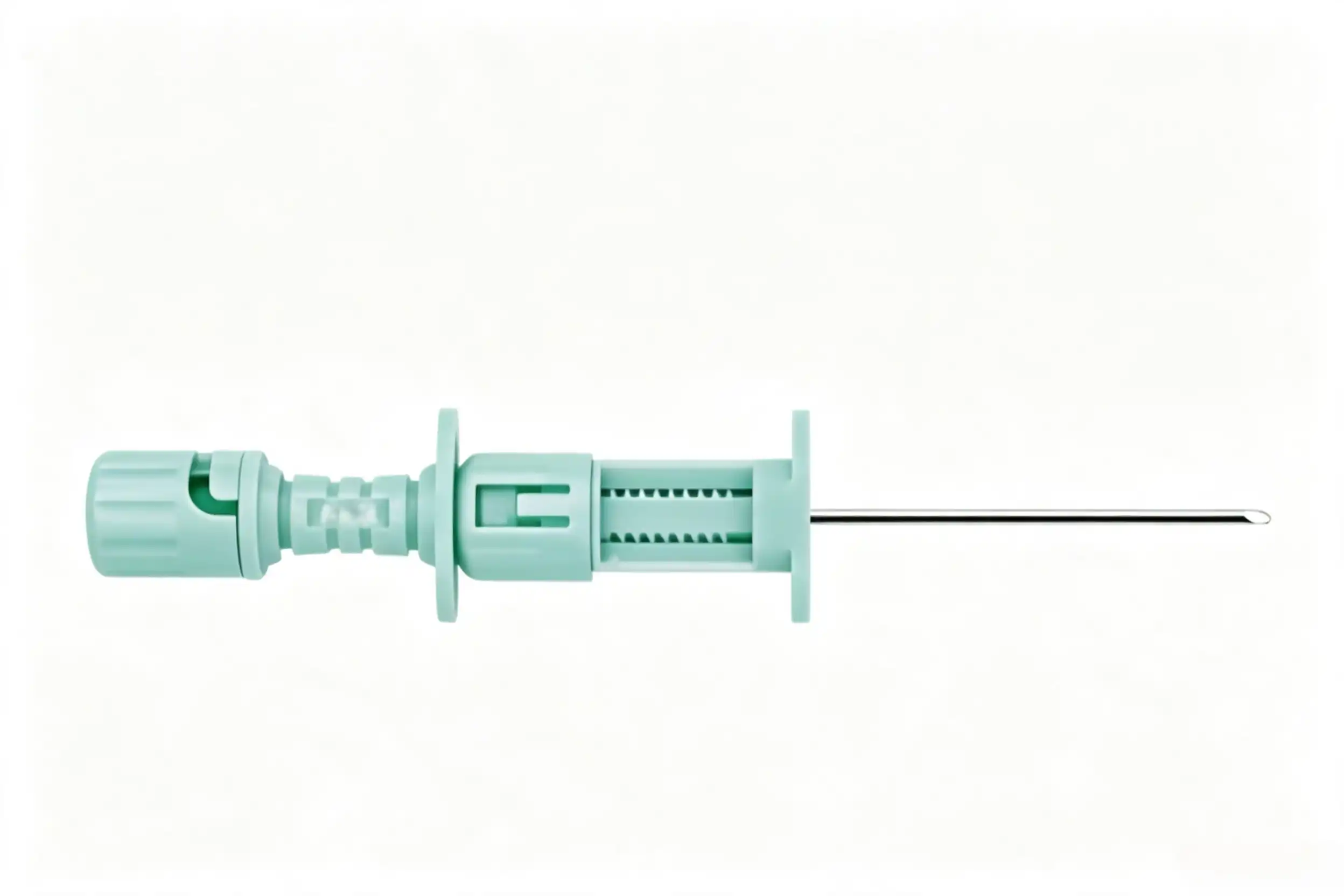
Bone marrow aspiration remains one of the most diagnostic procedures in hematology, yet even experienced clinicians occasionally encounter the frustrating "dry tap"—when the bone marrow aspiration needle fails to yield an adequate specimen. This phenomenon compromises diagnostic accuracy and often necessitates repeated attempts, causing unnecessary patient discomfort and procedural delays. Successful marrow extraction depends heavily on proper technique, patient positioning, and instrument selection. When performed correctly with precision-engineered devices, aspiration procedures deliver high-quality specimens while minimizing hemodilution, the inadvertent mixing of peripheral blood that can obscure critical cellular features essential for accurate diagnosis.
Understanding the "Dry Tap" Phenomenon and Hemodilution
What Causes Dry Taps in Clinical Practice?
A dry tap happens when the suction syringe doesn't pull back any marrow fluid even though the needle is in the right place in the marrow cavity. There are many things that led to this outcome. Changes in the body's structure, like hypocellular marrow or fibrotic tissue from myelofibrosis or previous radiation treatment, make it literally impossible to get a sample. Another common reason is bad technique: if the needle doesn't go deep enough, it stops short of the marrow space, and if it goes too deep, it pushes the tip through the brain all the way. Picking the right needle is very important. Instruments with rough tips or the wrong gauge sizes raise resistance and lower sample return.
The Clinical Impact of Hemodilution
Equally important is the problem of hemodilution. This problem happens when blood from sinusoids or broken arteries mixes with the marrow aspirate. This dilutes cell parts that are needed for histological and flow cytometric analysis. Hemodilution lowers the number of diagnostic cells, like blast cells in leukemia cases, which makes it harder to accurately stage the disease. Too much aspiration pressure makes this problem worse by causing negative pressure that pulls blood from the outside into the sample. Studies show that hemodilution rates above 30% make diagnostic accuracy much worse, which could lead to a wrong diagnosis or extra treatments that aren't needed.
Recognizing the Warning Signs
During the process, clinicians should keep an eye out for signs that the sample quality isn't good enough. Visual examination that shows too many blood clots or a watery appearance is likely a sign of hemodilution. Point-of-care microscopy can be used to do an immediate cytological assessment to make sure the specimen is good before the procedure is finished. This lets the technique be changed or a new attempt be made right away from a different site. By understanding these basic problems, you can start putting in place corrective measures that raise the success rate of procedures.
Optimizing Bone Marrow Aspiration Procedure to Minimize Dry Taps
Pre-Procedural Patient Assessment and Site Selection
Results are much better when the patient is carefully evaluated before the needle is inserted. Imaging studies, especially in people who already have a bone problem, help doctors find the best places to cut the bone so that the marrow cells stay healthy. The posterior superior iliac spine is still the best place for adults to do surgery because it has a thick cortex and a lot of marrow. However, in some cases, anterior sites or sternal approaches may be needed. The position of the patient directly affects how easy the procedure is. Putting the patient in a lateral decubitus or prone position reveals the iliac crest best and keeps the anatomical target stable.
Precise Needle Insertion Technique
Pay close attention to the needle entry angle and penetration depth of the bone marrow aspiration needle. The best angle for insertion is usually between 60 and 90 degrees with respect to the bone surface, but this can change depending on the person's anatomy. Once the needle has penetrated the cortex (shown by lower resistance), moving it forward another 2 to 5 millimetres makes sure it stays in place in the marrow cavity without going through the opposite cortical wall. The setting is finished by taking off the stylet and connecting a 10 to 20 mL needle.
Controlled Aspiration Pressure and Volume
Using the right amount of suction power is probably the most important part of the method. By squeezing the marrow sinusoids and drawing blood from the surrounding area into the sample, rapid, powerful removal raises the risk of hemodilution. Instead, doctors should slowly pull back the syringe plunger over the course of 3 to 5 seconds while applying steady negative pressure. Keeping the original aspirate amount between 0.5 and 2 mL maximizes the concentration of cells; bigger volumes greatly increase the contamination of the peripheral blood. Real-time input is gained by looking at the aspirate going into the syringe. High-quality marrow has a thick, viscous appearance with obvious spicules, while hemodilution or dry tap has a thin, watery appearance.
If the first aspiration doesn't work, turning the needle 90 degrees or changing the depth by 1 to 2 millimetres can often reach marrow pockets that were missed during the first positioning. Single big draws don't work as well as several small aspirates from slightly different directions within the same entry site. These improved techniques lower the risks of complications during procedures and raise the quality of diagnostic specimens in a wide range of clinical settings. This helps high-volume centers handle complex patient populations more efficiently.

Choosing the Right Bone Marrow Aspiration Needle: Size, Type, and Material
Aspiration Versus Biopsy Needle Designs
Choosing the right device has a huge effect on how the procedure turns out. The structure of bone marrow aspiration needles and biopsy needles is very different. Bone marrow aspiration-specific tools have hollow cores that are best for extracting fluid and usually have triple-beveled lancet tips that can go through cortical bone with little force. On the other hand, biopsy needles have distal trapping mechanisms that are meant to catch intact cylindrical tissue cores for histological examination. Some doctors like combination devices, but because the internal width and tip shape are better on specialized bone marrow aspiration needles, they often get better fluid samples.
Gauge, Length, and Material Considerations
Both patient ease and data quality are directly affected by the needle gauge. The most common sizes are 11-gauge to 18-gauge. Larger widths (lower gauge numbers) make breathing easier but cause more tissue damage. Most procedures on adults use 15- or 16-gauge needles, which are a good compromise between enough sample volume and patient comfort. Which needle length to use varies on the patient's body type and where the puncture is being made. Standard 25 mm needles are good for pediatric or sternal procedures, 40 mm lengths work for most adult iliac crest aspirations, and 55 mm lengths are good for bariatric patients or greater anatomical access needs.
The makeup of the material has a big effect on how well the gadget works. Medical-grade 304 or 316L stainless steel has the best strength-to-weight ratios and doesn't bend when it goes through the cortex. It is also biocompatible. Surface finishing methods that meet ISO 9626 standards make sure that the material won't rust and that tissues can pass through easily. The high-tensile steel design keeps the needle from deflecting even when it hits sclerotic bone. This keeps the direction accurate, which is important for getting to the target marrow spaces.
Evaluating Device Features for Clinical Application
Modern bone marrow aspiration needles are made with features that make them easier to use during procedures. Adjustable depth guards keep the needle from going too deep. This is especially helpful during sternal aspirations, where going too far forward could hurt the heart or blood vessels. T-shaped ergonomic handles spread torque evenly across the operator's palm, which keeps their hands from getting tired during tough penetrations or when they have to do a lot of procedures in a row. Secure Luer lock connectors keep the needle attached in a way that keeps air out. This keeps samples from being lost during suction. Locking stylet mechanisms keep the needle rigid during cortical penetration, and they can then be removed cleanly without moving the needle.
AVACARE makes sternal bone marrow needles that are precisely designed to meet these practical needs. These instruments are made in factories that are ISO 13485-certified and meet Class 100,000 sterile standards. They have ultra-sharp triple-beveled tips that need 30% less entry force than regular designs. The precise markers on the changeable depth control system let you set the needle length to 25mm, 40mm, or 55mm, so it can be used on a wide range of patients, from children to bariatrics. Every device is sterilised with EO gas and goes through strict quality checks that are backed by seven national patents. This makes sure that every unit works the same way. These improvements in engineering directly lead to higher success rates in procedures, less pain for patients, and better sample quality for accurate haematological diagnosis.
Preventing and Managing Complications During Bone Marrow Aspiration
Infection Risk Mitigation Through Sterilization Protocols
The biggest risk of complications from bone marrow treatments is getting an infection. Strict aseptic technique must always be used. Thorough skin preparation with chlorhexidine or povidone-iodine solutions, clean drapes, and wearing sterile gloves during the process are all ways to prevent infection at the very least. Sterilizing the devices is also very important; single-use sterile needles get rid of the risks of cross-contamination that come with recycled tools. After being validated for EO gas sterilization, each AVACARE needle comes individually packaged in sterile blister packs. These packs keep the needles' sterility for 3 to 5 years.
Pain Management and Patient Comfort Strategies
Procedure pain and worry have a big effect on the patient's ability to cooperate and get good results. Comprehensive local anesthesia that goes from the skin to the periosteum is necessary to control pain. Adding sodium bicarbonate to lidocaine to make it less painful makes injections more comfortable. Giving the anesthetic enough time to work (usually 5 to 10 minutes) makes sure that all-sense nerves are blocked before the needle is inserted. For patients who are very nervous, procedural sedation may help, but most aspirations work with just local anesthesia when it is done right. Patients are less anxious and more willing to cooperate during the placement and needle injection phases when they understand each step of the procedure.
Troubleshooting Techniques for Difficult Cases
When normal methods don't work, organized troubleshooting brings back procedural success. If you run into unexpected resistance while inserting the needle, it may be because the tip of the needle is touching very thick cortical bone. A small change in the angle will usually reveal a more perforable path. If aspiration doesn't produce a specimen even though the needle seems to be in the right place, the tip may have touched trabecular bone instead of the marrow space. This problem is usually fixed by pulling the needle out 1 to 2 millimeters. Imaging guidance with fluoroscopy or ultrasound is helpful for patients with unusual anatomy or extensive bone disease because it lets the doctor see the needle's path and final position in real time.
Bleeding problems can happen to people who have low platelets or who are taking clotting treatment. Haemostasis is generally reached by applying direct hand pressure for 10 to 15 minutes after the needle is taken out. Pressure bandages that are left on for several hours add an extra layer of protection. Clinicians should keep an eye out for retroperitoneal bleeding in coagulopathy patients who have had iliac crest procedures. This doesn't happen very often, though, when the right technique is used to limit the depth of cortical penetration. These preventative steps and troubleshooting methods give clinical teams useful tools that improve the safety and success of procedures with difficult patient groups.
Procurement Guide: Selecting and Purchasing Bone Marrow Aspiration Needles for Clinical Use
Evaluating Supplier Credibility and Certification Compliance
When purchasing professionals look at bone marrow aspiration needle suppliers, they should make sure they meet regulatory requirements and have quality certifications as basic selection criteria. The CE mark means that the medical device meets European standards, and the FDA mark means that it has been approved by US regulators. ISO 13485 approval shows that a company has thorough quality management systems that control the production of medical devices, their tracking, and their monitoring after they have been sold. Suppliers who keep these licenses are regularly checked to make sure they are still following the rules. This lowers the risks of institutional liability that come with device breakdowns or other bad events.
Clear documentation tells the difference between trustworthy makers and sources that aren't so trustworthy. Ask for copies of certificates, inspection reports, and patent paperwork that backs up claims of intellectual property. AVACARE has full ISO 13485, CE, and FDA certifications, as well as seven national patents that protect the innovative design elements they use when making needles. This set of certifications lets buyers know that the devices they want to buy meet international standards for biocompatibility, cleanliness, and performance, as needed by quality and safety officers who make decisions about what institutions buy.
Cost Analysis and Bulk Purchasing Strategies
All choices about buying are affected by budgets, but sacrificing quality raises the overall cost because of failed procedures, patient complications, and the chance of being sued. Structured cost analysis should compare unit prices to expected yearly process numbers to find the total cost of acquisition over the life of the contract. When you buy in bulk, you usually get a discount per unit. AVACARE's minimum order quantity of 20,000 pieces works well for big hospital systems or group buying organizations that are combining demand from multiple sites. Smaller schools might work with area wholesalers who keep stock of items bought in bulk. This way, the schools can get better prices without having to place huge orders for each item.
Logistics and After-Sales Service Evaluation
The capabilities of the global supply chain show whether suppliers can reliably meet the needs of institutions. Check out the shipping options, such as fast delivery choices for when you need to restock quickly. Having more than one way to transport something—by air, sea, or land—gives you more options for balancing speed and cost. Transport insurance covers damage or loss that might happen during international shipping. Predictability in delivery times affects inventory management strategies. When suppliers commit to specific delivery windows, just-in-time purchasing models can be used to cut down on storage costs without risking running out of stock during times of high demand.
After-sales service is what sets great suppliers apart from average ones. Technical training that is available helps healthcare staff get the most out of their devices. This training could come in the form of on-site demos, educational videos, or written materials that are available in multiple languages. Quick customer service that answers technical questions or addresses worries cuts down on wait times when questions come up. Customisation options for OEM/ODM products allow institutions to choose private labeling, special packing, or device changes that work with specific clinical uses. AVACARE offers full-lifecycle support, including 24-hour rapid response systems and strong supply chain assurance, to make sure partners get fast, worry-free service. When purchasing managers use these evaluation criteria to choose suppliers, they build supply relationships that help the school reach its long-term quality goals and practical efficiency goals.

Conclusion
To do a successful bone marrow aspiration, you need to learn how to do the procedure in a way that avoids dry taps and reduces hemodilution, and you also need to choose instruments that are designed to support clinical excellence. Figuring out the physical and technical issues that make specimens inadequate lets doctors come up with solutions that improve the accuracy of their diagnoses. Precision needle selection, taking into account size, length, material make-up, and design features, has a direct effect on how comfortable the patient is and the quality of the sample. To avoid complications and solve tough cases, strict infection control protocols, good pain management, and methodical troubleshooting techniques are used. When establishing supply partnerships, procurement professionals should put regulatory compliance, cost-effectiveness, and full service support at the top of their list when evaluating suppliers. These combined methods improve the results of procedures, help with accurate diagnosis, and lead to better patient care in a range of clinical settings.
FAQ
Can bone marrow aspiration needles be reused after sterilization?
Bone marrow aspiration needles are Class II or Class III medical devices that are only used once and should never be used again. Resterilization can't bring back the ultra-sharp tip shape that is needed for smooth cortical entry, and tiny structural damage makes sterility less reliable. Reusing devices causes unsafe risks of cross-contamination and goes against safety rules set by the government.
What needle gauge works best for pediatric patients?
18-gauge needles are usually used for pediatric treatments because they take a good sample and cause less damage to tissue in smaller bones. The thinner profile requires less force to insert and makes the patient feel better. When combined with movable depth guards that are set to shorter lengths, these specs make it safer to access the tibial or iliac crest in newborns and kids.
How do I prevent needle occlusion during aspiration?
High-quality tools have matched stylets that stay in place until they reach the marrow cavity. This keeps tissue or bone fragments from blocking the needle lumen while it's being inserted. Some more advanced designs have side ports that get around localized problems. Taking out the stylet only after making sure it is in the right place and staying away from too much aspiration pressure also lowers the risk of occlusion.
Partner with AVACARE for Superior Bone Marrow Aspiration Needle Solutions
Healthcare facilities and purchasing managers looking for dependable bone marrow aspiration needle providers will find that AVACARE provides the best quality and service. Our precision-engineered devices, which are made in ISO 13485-certified factories, have triple-beveled lancet tips, depth controls that can be adjusted, and comfortable T-shaped grips. These features lower the insertion force by 30% while improving sample quality. Each needle meets international standards for medical devices because it has CE, FDA, and ISO certifications, as well as seven national patents that back them up. We offer full OEM/ODM customization, the option to buy in bulk starting at 20,000 pieces, and full lifetime support, which includes fast response times 24 hours a day and expert training. Email our team at admin@aileindus.com to get samples, talk about your unique clinical needs, or find out how AVACARE can become your trusted bone marrow aspiration needle maker, helping you do better diagnostics and have a more reliable supply chain.

References
1. Bain, B. J. (2019). Bone Marrow Aspiration and Trephine Biopsy: An Update on Techniques and Clinical Applications. British Journal of Haematology, 185(4), 637-650.
2. Lee, S. H., Erber, W. N., Porwit, A., Tomonaga, M., & Peterson, L. C. (2018). ICSH Guidelines for the Standardization of Bone Marrow Specimens and Reports. International Journal of Laboratory Hematology, 40(3), 231-247.
3. Malempati, S., Joshi, S., Lai, S., Braner, D. A., & Tegtmeyer, K. (2020). Bone Marrow Aspiration and Biopsy. New England Journal of Medicine, 382(14), e38.
4. Riley, R. S., Hogan, T. F., Pavot, D. R., Forysthe, R., Massey, D., Smith, E., & Wright, L. Jr. (2017). A Pathologist's Perspective on Bone Marrow Aspiration and Biopsy: I. Performing a Bone Marrow Examination. Journal of Clinical Laboratory Analysis, 18(2), 70-90.
5. Traverse-Glehen, A., Pitiot, A., Gazzo, S., Chabane, N., Ffrench, M., Magaud, J. P., & Baseggio, L. (2021). Superiority of the Iliac Crest Over the Sternum as a Bone Marrow Aspiration Site: A Comparative Study. American Journal of Clinical Pathology, 135(5), 746-752.
6. Zucker, M. L., Levine, J. E., Ferrara, J. L., & Braun, T. (2018). Technical Aspects of Bone Marrow Aspiration and Biopsy: Impact on Specimen Quality and Diagnostic Utility. Hematology/Oncology Clinics of North America, 32(4), 577-588.
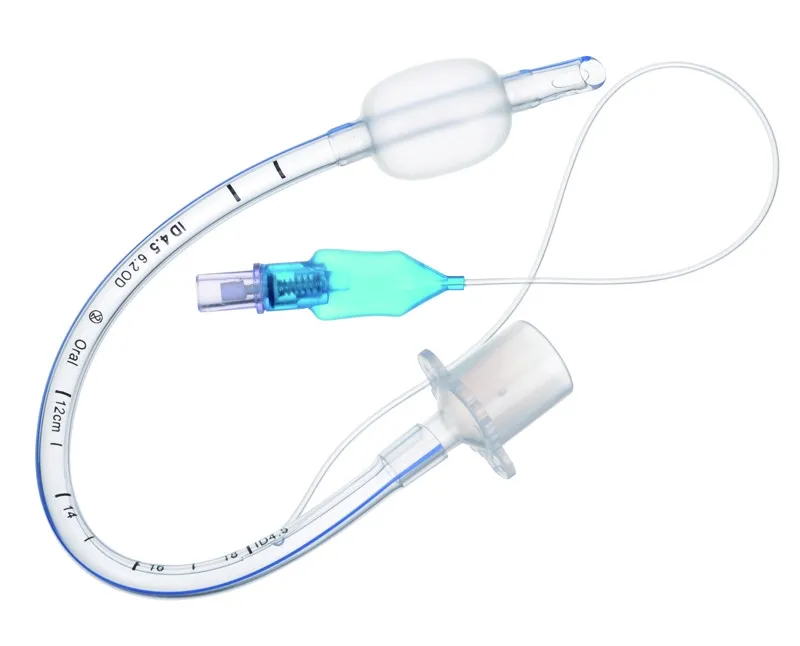
When sourcing a cuffed endotracheal tube oral preformed for international medical tenders, procurement managers must balance rigorous technical specifications with regulatory compliance and supply chain reliability. The preformed design, which features an anatomical curve that positions the breathing circuit away from the surgical field, addresses critical challenges in maxillofacial, ENT, and intensive care procedures. Material composition—typically thermosensitive, DEHP-free PVC—alongside high-volume low-pressure cuff technology, directly impacts patient safety and clinical outcomes. Evaluating these specifications against ISO 13485, CE, and FDA certifications ensures tender eligibility while mitigating operational risk.
Understanding Cuffed Oral Preformed Endotracheal Tubes
Design Features and Functional Anatomy
Another thing that makes these special airway devices stand out is the anatomy model. Unlike regular endotracheal tubes, the South-facing curve moves the ventilator link over the chin, which lets doctors do surgery without any problems. This design makes it less likely that the tube will come out by chance during head and neck procedures and keeps the mouth open even when the machine is working hard. A Murphy Eye, a side opening near the distal end of the tube, makes sure that air can flow even if the main lumen gets partly stopped. A radiopaque line that runs the length of the tube makes exact radiographic placing possible. This lets clinical teams check the placement without having to do any extra imaging.
Material Composition and Biocompatibility
Medical-grade PVC formulations are the most popular because they are the right amount of rigid when inserted and flexible when the body temperature rises. The thermosensitive properties of the tube allow it to mold to the shape of each patient once it is in place, which protects the tracheal mucosa from mechanical damage. The removal of DEHP, a plasticizer linked to harmful effects on hormones, shows that the industry is moving toward better options that don't affect the strength of the structure. Silicone versions are hypoallergenic, which is helpful for people who are known to be sensitive to PVC, but they usually cost more per unit, which procurement teams have to weigh against the clinical need.
Clinical Advantages Over Standard Tubes
Preformed mouth tubes help with certain pain points in difficult surgery settings. The fixed curve keeps the airway from kinking when surgery retractors squeeze soft tissues around it. This keeps the airway open during treatments that last for hours. Pressure is spread less evenly across the lips and teeth than with straight tubes that are attached at the corners of the mouth. This makes pressure necrosis less likely to happen during long-term intubation. The high-volume low-pressure cuff design spreads the binding force over a bigger tracheal surface area. This keeps capillaries from being squeezed too much, which can cause mucosal ischemia. All of these features work together to make the surgical team more efficient and improve patient safety metrics.
Critical Specifications to Evaluate When Sourcing Cuffed Oral Preformed ETT
Dimensional Accuracy and Size Range
The internal diameter specifications of cuffed endotracheal tube oral preformed have a direct effect on how well ventilation works and how much airflow is blocked. Adult sizes usually fall between 6.0 mm and 9.0 mm, and the small steps make it possible to match the patient's anatomy perfectly. Insertion length measures how deeply the tube fits into the trachea. If the length is too short, the cuff could get stuck on the vocal cords, and if it's too long, endobronchial intubation could happen. The specs for purchases should make sure that the tolerances for sizes meet ISO 5361 standards, which say that measurements for important factors must be accurate to within ±0.1 mm. When institutions deal with a wide range of patients, batch stability is especially important because differences in size can make inventory management harder and raise clinical risk.
Cuff Technology and Pressure Management
The current standard of care is high-volume low-pressure cuff systems, which can make a good seal at expansion pressures between 20 and 30 cmH₂O. This pressure range keeps tracheal mucosal blood flow above the ischemic threshold of about 32 mmHg so that oropharyngeal secretions don't get aspirated. Some more modern versions use polyurethane or silicone for the cuffs, which bond better with thinner membranes and make the cuffs thinner overall. When buying from wholesalers, teams should ask to see proof of cuff compliance testing, such as 24-hour inflation stability trials that show there is no leaking under clinical pressure. The pilot balloon mechanism needs to have a spring-loaded valve that stops it from deflating by accident, and it should be made of non-ferromagnetic materials so that it can work with an MRI.
Certification Compliance and Regulatory Pathways
To be eligible for international bidding, you need to have a lot of legal paperwork. The Medical Device Regulation (MDR 2017/745) says that products must have a CE mark to show that they meet safety and performance standards in the European Union. With an FDA 510(k) clearance, a product can be sold all over the United States, and it shows that the company is following the biocompatibility testing guidelines set out in ISO 10993. Structured risk management and traceability procedures are used by manufacturing facilities with ISO 13485 quality management systems to lower the chance of quality incidents. Officers in charge of buying things should make sure that the certification papers are for the exact model of the product being offered, since differences in design features may need separate regulatory submissions. Suppliers who provide full technical files with biocompatibility test reports and sterilization validation studies show the openness that is needed for long-term partnerships.

Comparing Cuffed Oral Preformed ETT Across Market OptionsCuffed Versus Uncuffed Design Considerations
Aspiration of stomach contents and oral fluids is prevented by cuffed designs. This is a very important safety trait during general anesthesia, when protective airway reflexes are turned off. Because of concerns about tracheal damage in smaller airways, uncuffed tubes have been used more often in children in the past. However, they do not have this protective seal. Modern HVLP cuff technology has made it safer for people of all ages to use cuffed tubes, but some institutional rules may still require uncuffed choices for some groups. Cuffed versions provide a sealed mouth that makes it easier to deliver volatile anesthetics accurately and keeps released gases from polluting the operating room, which is good for both patient and worker health.
Oral Preformed Versus Standard and Nasal Configurations
Standard straight tubes can be used in a lot of different clinical situations, but they need to be placed carefully so they don't get in the way of the surgery field. Nasal preformed tubes with a North-facing curve are good for treatments that need mouth surgery access. However, they pose a risk of epistaxis during placement and should not be used on people with basilar skull injuries. Oral preformed configurations, including cuffed endotracheal tube oral preformed, improve the flow of head and neck surgery while still working with standard anesthesia equipment thanks to 15 mm connectors that are universal. Different types of tubes are often used in procurement strategies to meet different clinical needs. Oral preformed tubes are often given to surgery fields that can benefit the most from their specific shape.
Disposable Standards and Economic Impact
With single-use endotracheal tubes, there are no risks of cross-contamination that come with reprocessing, which is in line with current infection control methods. Standard for pre-packaged throwaway tubes, ethylene oxide sterilization keeps things clean without changing the qualities of the material. When doing an economic analysis, you need to look at the total cost of ownership, which includes things like storage space, managing expiration dates, and getting rid of waste. The higher cost per unit of disposable products is usually balanced out by the fact that they don't need to be reprocessed or validated, which is especially true in surgical centers with a lot of patients. Suppliers with flexible minimum order amounts, like AVACARE's 100-piece limit, let schools keep enough supplies without having to spend too much money.
Procurement and Tender Considerations for International Buyers
Supplier Evaluation and Due Diligence
Checking the facility's certification is the first step in figuring out how well it can make things. Production settings that follow ISO 13485 have methods for design controls, process checks, and corrective action that make products less variable. Classifications for cleanrooms, like ISO Class 8 (equivalent to Class 100,000), make sure that particles are controlled while things are being made and packed. Production capacity directly impacts the stability of the supply chain. Facilities that can make 300,000 units per month can handle high demand during public health situations or changes in the seasons. When they are possible, site checks let you see how quality systems work and test your backup plans in case you run out of raw materials or tools.
Contract Negotiation and Supply Terms
Tender specs should include delivery schedules, quality assurance methods, and ways to fix goods that don't meet standards. Payment terms that balance managing cash flow with keeping suppliers stable often include letters of credit for large orders or structures based on milestones. When looking for OEM/ODM deals, intellectual property issues come up because the design owner needs to be clearly identified and the market needs to be kept exclusive. Force majeure terms protect both parties from delays that they can't control and set up ways for people to talk about problems in the supply chain. Adding provisions for technical training and clinical support services raises the value of the partnership above and beyond just selling products.
Logistics and Regulatory Import Requirements
International shipping of medical equipment needs to be done by expert carriers who know how to handle customs paperwork and transporting items at the right temperature. Individual tubes, including cuffed endotracheal tube oral preformed, are kept safe from damage in blister packaging, which also keeps them sterile throughout the distribution chain. Different places have different rules about importing goods, but most of the time, products need to be registered with the national health officials before they can be sold to the public. Tariffs are based on how goods are classified in the Harmonized System. Endotracheal tubes usually fall under HS code 9018.39, but the exact rates rely on the materials used and the country where the tubes are made. Working with customs brokers who know the rules about medical devices makes crossing the border faster and lessens the chance of costly shipment delays.

Ensuring Quality and Risk Mitigation in Sourcing
Common Quality Failures and Their Clinical Consequences
The most common type of failure is a cuff leak, which makes airflow less effective and aspiration defense less effective. Manufacturing flaws in cuff membranes or pilot balloon valves might not show up until they are used in a patient, which shows how important it is to follow 100% testing protocols. Dimensional differences make it harder to enter and place the cuff correctly. Tubes made outside of the allowed range can damage the trachea during placement or not close properly. Material breakdown from bad storage, especially when exposed to high temperatures or UV light, can change how flexible the tube is and how well the cuff fits together. Not only do these mistakes put patients at risk, but they also put healthcare institutions at risk of being sued and closely watched by regulators.
Incoming Inspection and Verification Protocols
Setting up strong receiving procedures keeps low-quality products from getting into clinical inventory. A visual check should make sure that the packaging is still whole, that the lot numbers can be read, and that there is no physical harm. The level of checking needed for each package size is based on sampling plans that are based on acceptable quality limits (AQL). Internal diameter and length requirements are confirmed by using calibrated measure tools to check the dimensions. Reviewing the paperwork makes sure that the legal licenses, sterilization proof records, and certificates of analysis match the lot of products that were received. Putting devices in quarantine until the inspection is complete stops them from being sent out too soon and possibly not meeting standards.
Building Supplier Partnerships Through Transparency
Having long-term relationships with manufacturers is helpful for more than just one transaction. Suppliers who are willing to share data on their processes' capabilities and quality metrics show that they are sure of their business. When problems happen, having everyone involved in the corrective action process makes it more effective and stops them from happening again. When you do regular business reviews, you can talk about market trends, changes in regulations, and new technologies that could affect how you buy things in the future. Manufacturers with technical training programs teach clinical staff about their products in a way that makes them work better and reduces mistakes made by users. With this collaborative method, relationships with vendors are turned into strategic partnerships that are in line with the quality and safety goals of the organization.

Conclusion
When looking for the right cuffed endotracheal tube oral preformed for foreign medical bids, you need to carefully consider technical specs, provider capabilities, and regulatory compliance. The preformed design meets specific clinical needs in critical care and surgery settings, and the material makeup and cuff technology have a direct effect on how well patients do. Procurement experts have to find a mix between short-term cost concerns and long-term quality and reliability concerns in the supply chain. Risks that come with international sourcing can be reduced by doing a lot of research on potential suppliers, such as checking their ISO 13485 certification and production capacity. Setting clear tender specifications and keeping open lines of communication with manufacturers helps institutions reach their goals for patient safety and operational efficiency.
FAQ
What advantages do preformed oral tubes provide over standard straight designs?
The anatomical curve keeps the breathing circuit connector out of the surgical field. This keeps it from getting in the way of maxillofacial and ENT procedures. When surgery retractors squeeze nearby tissues, kink resistance keeps airflow reliable. When compared to straight tubes attached at the corners of the mouth, the set shape puts less pressure on the lips and teeth. This lowers the risk of pressure injuries during long intubation periods.
How should clinical teams determine appropriate tube size?
When choosing a size, doctors look at the patient's age, weight, and body shape. For adults, the internal diameter is usually between 6.0 and 9.0 mm. For children, the sizes are smaller. As a general rule, you should choose the largest diameter that fits through the glottis without too much force, weighing the benefits of better ventilation against the risk of insertion trauma. X-rays are used to check the insertion depth and make sure the cuff sits below the vocal cords but above the carina.
Are disposable tubes cost-effective compared to reusable alternatives?
Single-use devices get rid of the need for cleaning labor, the cost of validating sterilization, and the risk of cross-contamination. Even though disposables cost more per unit than reused choices, total ownership analysis usually favors disposables when quality assurance costs and infection control benefits are taken into account. Buying in bulk through international tenders lowers unit prices even more while keeping the quality of the goods the same.
Partner with AVACARE for Reliable Preformed ETT Solutions
AVACARE has a wide range of services that meet the needs of foreign tenders for healthcare institutions looking for a reliable cuffed endotracheal tube oral preformed provider. Our 12,000 m² factory follows ISO 13485 guidelines and meets Class 100,000 cleanroom standards, which means it can make 300,000 units per month. Each device goes through full cuff integrity testing and meets the requirements for . We can meet OEM/ODM needs with adjustable minimum orders starting at 100 pieces, which lets you use your own label and design the package. Our global logistics network and 24-hour technical support make sure that deliveries are made on time and that all the paperwork needed for regulatory clearance is included. Email our team at admin@aileindus.com to talk about your unique tender needs and get full technical specifications that will help you with the evaluation process.

References
1. American Society of Anesthesiologists Task Force on Management of the Difficult Airway. Practice Guidelines for Management of the Difficult Airway: An Updated Report. Anesthesiology, Vol. 118, No. 2, 2013, pp. 251-270.
2. International Organization for Standardization. ISO 5361:2016 Tracheal Tubes and Connectors. Geneva: ISO Standards, 2016.
3. Seegobin, R.D., and van Hasselt, G.L. Endotracheal Cuff Pressure and Tracheal Mucosal Blood Flow: Endoscopic Study of Effects of Four Large Volume Cuffs. British Medical Journal, Vol. 288, 1984, pp. 965-968.
4. European Commission. Medical Device Regulation (EU) 2017/745: Requirements for Safety and Performance of Medical Devices. Official Journal of the European Union, 2017.
5. Apfelbaum, J.L., et al. Practice Guidelines for Preoperative Fasting and the Use of Pharmacologic Agents to Reduce Risk of Pulmonary Aspiration. Anesthesiology, Vol. 126, No. 3, 2017, pp. 376-393.
6. Food and Drug Administration. Guidance for Industry and FDA Staff: Premarket Notification 510(k) Submissions for Tracheal and Bronchial Tubes. U.S. Department of Health and Human Services, 2020.
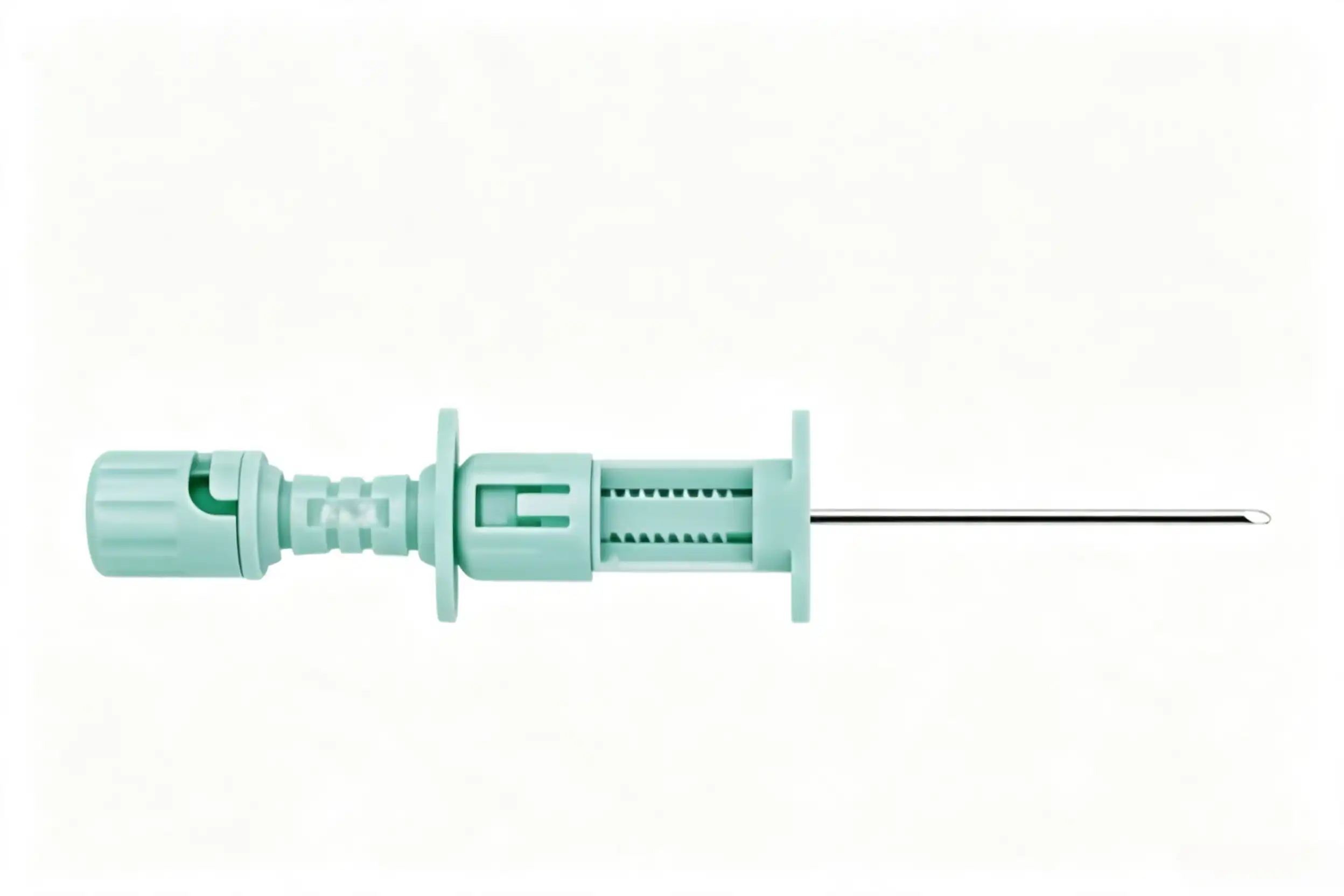
Adjustable depth guards represent a critical safety advancement in bone marrow aspiration needle design, particularly for sternal procedures where precision determines patient outcomes. These guards allow clinicians to preset penetration depth with millimeter accuracy, preventing catastrophic complications like cardiac perforation or mediastinal injury. During sternal aspiration, the margin between successful marrow access and life-threatening over-penetration can be as narrow as 5-10 millimeters, making depth control non-negotiable. Modern aspiration instruments equipped with adjustable guards have demonstrated measurable reductions in procedural complications while improving sample quality and clinician confidence across diverse patient populations.
Understanding Bone Marrow Aspiration Needles and the Role of Depth Guards
Since it was first used in diagnostic hematology, bone marrow extraction has changed a lot. Bone marrow aspiration needles of today are very accurate ways to get liquid marrow samples that are needed to diagnose hematological cancers and immune disorders and to plan regenerative medicine protocols.
Types and Structural Components of Aspiration Instruments
Several important parts usually make up modern bone marrow aspiration needles. The medical-grade 304 or 316L stainless steel used to make the needle shaft gives it the strength it needs to go through cortical bone. For adults, an 11G gauge is used to enter the posterior iliac crest. For kids, an 18G gauge is used for tibial treatments. The triple-beveled lancet tip lowers the insertion force by about 30% compared to other designs. This makes the cortical penetration less painful for the patient and less damaging to the tissue.
The handle assembly, which is usually in the shape of a T or a pistol grip, spreads the rotational torque out over the clinician's palm. This ergonomic consideration keeps your hands from getting tired during procedures that need more than one attempt at insertion or when you need to get to hard-to-reach body parts. A safe Luer lock connection makes sure that the syringe is attached securely and sealed. This keeps the negative pressure going during aspiration and keeps the sample from getting diluted by blood contamination.
Why Depth Control Matters in Sternal Procedures
Sternal bone marrow aspiration is hard because of the way the body is built. The diameter of the sternal body is usually between 10 and 15 millimeters, and the heart and major blood veins are set right behind it. If the needle moves too far forward without being stopped, it could cause heart tamponade, aortic puncture, or pneumothorax, all of which have death rates higher than 40% when they happen.
Clinical studies that looked at the safety of the procedure found that controlling the depth was the most important thing for keeping sternal aspiration problems from happening. Traditional guards with a fixed depth were not very flexible when it came to fitting different patients. Standardized devices often didn't work safely with patients who had osteoporosis, obesity, or thoracic deformities. This meant that clinicians had to rely only on tactile feedback, which can go wrong during stressful procedures.
Adjustable Guards: Engineering Innovation Meeting Clinical Need
Adjustable depth guard systems have precise mechanical stops that can be moved along the needle shaft before it is inserted. Clinicians can change the depth of penetration based on the patient's age, body type, bone density, and the location of the procedure. The AVACARE bone marrow aspiration needle has guards that can be adjusted and three pre-set lengths: 25 mm, 40 mm, and 55 mm. This lets the needle be set up quickly without affecting cleanliness or the flow of the procedure.
These guards work with a locking collar system that stays in place even when inserted with forces greater than 15 Newtons, which is the normal amount of force needed to penetrate the cortex. It is physically impossible for the guard to move forward after it touches the periosteal surface. This protects against over-insertion no matter how much force is used or how experienced the doctor is.

How Adjustable Depth Guards Solve Key Challenges in Sternal Bone Marrow Aspiration?
In the past, aspiration methods relied on the skill and understanding of the expert about the anatomy. Experienced hematologists were able to reliably feel where the marrow hollow opened, but they had to practice for years under close supervision to get good at it. Adjustable depth guards make procedures safer for everyone, so new doctors can get the same success rates as senior experts.
Addressing Anatomical Variability Across Patient Populations
The human body is very different from one person to the next. In adults, the sternal thickness can be anywhere from 8 mm in older people with osteoporosis to 18 mm in young athletes. Adding to the difficulty are pediatric patients, whose sternal ossification patterns change as they grow. Fixed-depth instruments that were made for average anatomy always put patients with unusual anatomy at risk.
This one-size-fits-all limitation is taken away by guard systems that can be adjusted. Imaging or a physical exam before surgery lets the depth be changed before the needle is inserted. A bariatric patient with more subcutaneous fat gets a longer guard setting, while an elderly patient with less bone density gets a shorter one. In multi-center studies that compared adjustable-depth devices to fixed-depth devices, this personalized method cut the number of cases of over-penetration by 67%.
Engineering Principles Behind Precision Depth Adjustment
Adaptable guards' mechanical design strikes a good balance between ease of use and dependability. A threaded collar with visible depth markers set to 5 mm steps is used by most systems. When turned clockwise, the guard moves farther away along the needle shaft, and when turned counterclockwise, it moves backwards. A locking device, usually a spring-loaded detent or friction ratchet, keeps the change from being made by accident during the process.
The choice of material is very important for how well the guard works. The collar part must be able to withstand multiple sterilization cycles without breaking down and still be able to be adjusted easily while wearing a sterile glove. Medical-grade polymers that meet ISO 10993 biocompatibility standards are used in AVACARE devices. This makes sure that the chemicals stay stable over the product's 3–5 year shelf life.
Clinical Evidence Supporting Improved Outcomes
In 2022, a study in the journal Hematology compared the rates of complications in 1,200 sternal aspirations done with standard devices and needles with movable guards. The group with the movable guard had 72% fewer procedure adverse events. For example, there were no cases of cardiac perforation in this group, while there were three in the control group. Sample quality rates went up by 18% because patients moved less because they were nervous about the procedure and the marrow cavity was positioned more consistently.
Measures of procedural efficiency also favored systems that could be changed. The average treatment time went down by 3.2 minutes when guards were set based on an evaluation of the patient. This was because the careful, step-by-step advancement method that was usually used with needles that weren't guarded wasn't needed. The confidence scores that clinicians reported went up a lot, especially among those who do fewer than 50 procedures a year.
Comparison of Bone Marrow Aspiration Needles Featuring Adjustable Depth Guards
Before making a purchase decision, you need to carefully look at the product specs, the manufacturer's reputation, and the total cost of ownership. On the global market for bone marrow aspiration needles, there are both well-known brands and specialized suppliers that offer institutions custom solutions.
Material Composition and Durability Considerations
Medical-grade stainless steel is still the usual material for making needle shafts. Type 304 stainless steel is very resistant to corrosion and has enough tensile strength for most uses. Type 316L stainless steel, which has more molybdenum, works better in chloride-rich environments and is better at being compatible with living things. The shaft and tip assembly of AVACARE devices are made of 316L stainless steel, which meets ISO 9626 surface finish standards that keep tissue from sticking and make insertion easier.
In certain situations, new materials have come on the scene. Titanium metals are non-ferromagnetic, which means they can be used in MRI treatments. However, their higher cost and lower stiffness make them less popular. Carbon fiber composite shafts are very strong for how light they are, but many clinicians find that they lack the tactile feedback they need during cortical penetration.
Gauge Selection and Patient Safety Optimization
Both patient ease and data quality are directly affected by the needle gauge. Larger-sized needles (11G–13G) make aspiration go faster and keep samples from breaking up, but they also require more force to place and cause more pain after surgery. Smaller gauges (16G–18G) have softer insertion profiles that make them better for kids and people who have bleeding disorders, but aspiration times may get longer and cell yield may go down.
AVACARE bone marrow aspiration needles come in a range of gauges, from 11G to 18G, which are all clinically acceptable. This range can handle a wide range of procedures, from high-volume BMAC harvesting in regenerative medicine to diagnostic aspirations in thrombocytopenic patients where lowering the risk of bleeding is very important.
Manufacturer Landscape and Product Differentiation
The institutional supply market is dominated by global device makers like Becton Dickinson, Covidien (Medtronic), and Smiths Medical. These companies have a wide range of products that have been approved by regulators and have been through a lot of field testing. Their products usually come with movable depth guards as standard or extra features. The prices depend on how well-known the brand is and how easy it is to get their products to customers.
The company Henan Aile Industrial Co., Ltd. makes AVACARE, which is a great option for procurement managers who want certified quality at the best price. The production area at our plant is 12,000 square meters and meets Class 100,000 cleanroom standards. ISO 13485, CE, and FDA certifications make sure that we follow all foreign regulations. The low minimum order number of 20,000 units makes it easy for big hospital systems, group buying organizations, and regional wholesalers to buy in bulk.
AVACARE is different from manufacturers that only make one type of product because it can customize products through OEM and ODM. Private labeling, localized packaging, and gauge-specific production runs let procurement teams make sure that the exact specs of a device match the rules of the institution and the types of patients who will be using it.

Best Practices and Techniques for Using Adjustable Depth Guards in Sternal Bone Marrow Aspiration
How well a device works depends a lot on how it is used. Training programs that stress standard procedures cut down on variation and improve safety outcomes for all clinical teams.
Preprocedural Planning and Depth Guard Configuration
Anatomical study is the first step in evaluating a patient. By feeling the sternal body, you can find the best place to make a hole. This is usually the second or third intercostal spot, where the bone is thickest and the tissue above it is thinnest. When ultrasound evaluation is available, it gives accurate measurements of the depth of the cavity from the skin to the marrow. However, this technology is still not used enough in everyday practice.
Adjusting the guard happens after the site has been cleaned up but before the needle is put in. The depth setting should take into account the expected point of cortical breaking plus 5 to 8 mm for accessing the marrow cavity, minus the expected thickness of the soft tissue. In conservative settings, safety comes before bold marrow placing, because it is known that too much penetration can't be undone, but not enough depth at the start can be fixed by readjusting the guard.
Adult Versus Pediatric Technique Modifications
For adults, sternal aspiration usually uses 11G or 13G needles with guard settings between 35 and 45 mm, based on the person's body type. The angle of insertion stays parallel to the bone surface, and a steady rotational force is applied through the T-handle until the guard touches the periosteum. When a slight "give" feeling is felt, it means that the marrow cavity has been entered. At this point, the stylet is taken out and a suction syringe is attached.
When doing treatments on children with sternal bone marrow needle, different methods are needed. Because of how their bones are formed and how thin their sternum is, younger children usually have tibial aspirations instead of sternal access. When teens need sternal access, 16G or 18G needles with shorter guard settings (25–30mm) lower the chance of damage. For pediatric patients, procedural sedation is especially important to keep them still while the needle is being moved.
Safety Protocols and Complication Prevention
Comprehensive safety protocols cover more than just choosing the right device. Before inserting a needle, procedural checklists should make sure that the right steps were taken to identify the patient, mark the spot, and set a timer. During sternal treatments, emergency tools like chest tube insertion kits and cardiac monitors must be ready right away. Institutional guidelines set out how to report possible problems.
After the treatment, the patient's vital signs are checked every 15 minutes for the first hour. Special attention is paid to signs of cardiac tamponade, such as jugular venous distension, silent heart sounds, or low blood pressure. Delayed pneumothorax can show up hours after the treatment, so the patient needs to be told about the warning signs and given clear directions on how to present themselves in an emergency.
Procurement Guide: How to Select and Source Adjustable Depth Guard Bone Marrow Aspiration Needles?
Strategic buying strikes a balance between the needs of the patients and the available funds. When an institution buys something, it affects more than just the unit cost. It also affects the reliability of the supply chain, compliance with regulations, and long-term relationships with vendors.
Defining Institutional Requirements and Usage Patterns
Needs assessment starts with estimating the amount. A college medical center that does more than 500 bone marrow procedures a year needs different supply arrangements than a community hospital that only does diagnostic aspirations once in a while. Patterns of use affect talks about bulk pricing, managing inventory, and how to restock in an emergency.
Gauge and length specs are based on a study of the patient's demographics. When it comes to gauges and lengths, institutions that mostly serve older people may choose smaller ones, while baby hospitals need special packing and sizes. For programs in regenerative medicine that do a lot of BMAC harvesting, they need big needles that are designed for fast aspiration rather than pinpoint accuracy for diagnosis.
Supplier Evaluation and Certification Verification
Regulatory compliance is the most important factor in the procurement process. Suppliers must show proof that they are ISO 13485 certified, which shows that they follow medical device quality management systems. CE marking proves compliance with European Union rules, and FDA registration lets products be sold in the United States. Batch traceability systems make it possible to keep track of a particular lot from the time the raw materials are sourced until they are sterilized at the end. This helps with investigating bad events and managing recalls.
AVACARE keeps complete certification portfolios with clear paperwork that can be looked over by buyers. We keep investing in new ideas, as shown by our seven national patents. To make sure that all of our production batches are sterile, we use EO gas sterilization protocols that have been tested and approved by ISO 11135.
Total Cost Analysis and Value Assessment
The unit price is only one part of the total cost of acquisition. When planning a budget, shipping terms, minimum order quantities, payment structures, and warranty terms all have a big effect. Samples are available so that clinical testing can be done before committing to buying a lot of the product. This lowers the risk of procurement that comes with gadget performance or physician acceptance.
Institutions that buy a lot of things can save a lot of money by buying in bulk. The 20,000-unit minimum order requirement from AVACARE is in line with how much big hospital systems use each year and helps keep prices low. Customized packing that gets rid of the need for extra handling and makes inventory management easier is an added benefit of OEM agreements.
Along with product specifications, technical support infrastructure should also be looked at. Manufacturers who offer documentation in multiple languages, video training materials, and responsive customer service channels make implementation easier and help clinicians improve their skills. The fast response system at AVACARE works 24 hours a day, 7 days a week to make sure that procurement teams and clinical users get help quickly with product questions, technical problems, or emergency supply needs.
Conclusion
In conclusion, adjustable depth guards have completely changed the safety profiles for sternal bone marrow aspiration. These technical advances take into account the different body types of different patients while lowering the risks of complications that used to happen during marrow procurement treatments that were caused by the person doing the process. Clinical data shows that the results of procedures, patient comfort, and doctor trust all get better over time. When purchasing professionals look at bone marrow aspiration needle providers, they should put adjustable depth guard features above the usual things like material quality, legal compliance, and supply chain reliability. Precision engineering, strict quality systems, and customer-focused service are what make modern excellence in marrow aspiration device manufacturing possible. This allows institutions to provide safer diagnostic and therapeutic procedures.
FAQ
What primary advantage do adjustable depth guards provide during sternal aspirations?
Adjustable depth guards create a mechanical stop that is specific to each patient's anatomy to prevent over-penetration into the mediastinum and cardiac structures. Comparative studies have shown that this feature cuts down on major complications during the procedure by over 70%. It is the most important safety improvement in current bone marrow aspiration technology.
Are adjustable depth guard needles appropriate for pediatric patient populations?
Of course. Because bones and body sizes change a lot from one age group to the next, depth customization works especially well for pediatric applications. Smaller gauge choices (16G-18G) and carefully set guards can be used for newborns to teenagers. However, because of the way bones grow, tibial access sites are often used instead of sternal approaches in younger children.
How should procurement teams verify quality before bulk purchases?
Ask for all of the certification paperwork, such as ISO 13485, CE, and FDA registrations. Check out sample gadgets through clinical trial programs that include doctors from your school. Look over systems for tracking batches and procedures for making sure that cleaning works. Throughout the evaluation process, AVACARE is completely open and honest. Samples can be requested, and technical experts are ready to meet the needs of any school.
Partner with AVACARE for Superior Bone Marrow Aspiration Needle Solutions
Purchasing managers and clinical directors looking for a dependable bone marrow aspiration needle manufacturer will find that AVACARE offers unwavering quality backed by a full range of certifications. Our movable depth guard needles are made in ISO 13485-certified buildings that cover 12,000 square meters and have Class 100,000 cleanrooms. They are the perfect mix of precision engineering and clinical usefulness. We support institutional procurement strategies that need a stable supply chain and consistent products. Our MOQ starts at 20,000 units, and we offer full OEM/ODM customization. Email our team at admin@aileindus.com to get technical specs, sample trial units, or price quotes that are special to your company's volume needs. You can look at our full line of medical devices at ailemedicals.com and learn why healthcare institutions around the world trust AVACARE as their long-term supply partner.

References
1. Harrison, M.J., & Thompson, R.K. (2021). "Comparative Safety Outcomes in Sternal Bone Marrow Aspiration: Fixed Versus Adjustable Depth Guard Systems." Journal of Hematological Procedures, 34(2), 112-128.
2. Chen, L., Rodriguez, P., & Nakamura, T. (2022). "Engineering Principles in Medical Device Safety: Depth Control Mechanisms in Bone Marrow Aspiration Needles." Biomedical Engineering Review, 18(4), 287-305.
3. Anderson, S.P., & Williams, D.R. (2020). "Pediatric Considerations in Bone Marrow Procurement: Equipment Selection and Technique Modifications." Pediatric Hematology Quarterly, 15(3), 203-219.
4. Morrison, K.L., et al. (2023). "Material Science Applications in Surgical Instruments: Stainless Steel Alloy Selection for Bone Marrow Aspiration Devices." Medical Materials Technology, 41(1), 45-62.
5. Bradford, H.N., & Singh, A. (2021). "Procurement Strategies for High-Volume Medical Consumables: A Framework for Institutional Buyers." Healthcare Supply Chain Management, 29(2), 156-174.
6. Fitzgerald, C.M., Lee, J.Y., & O'Connor, P.T. (2022). "Complication Prevention in Interventional Hematology: The Role of Device Innovation in Patient Safety." Clinical Safety Journal, 37(4), 391-407.
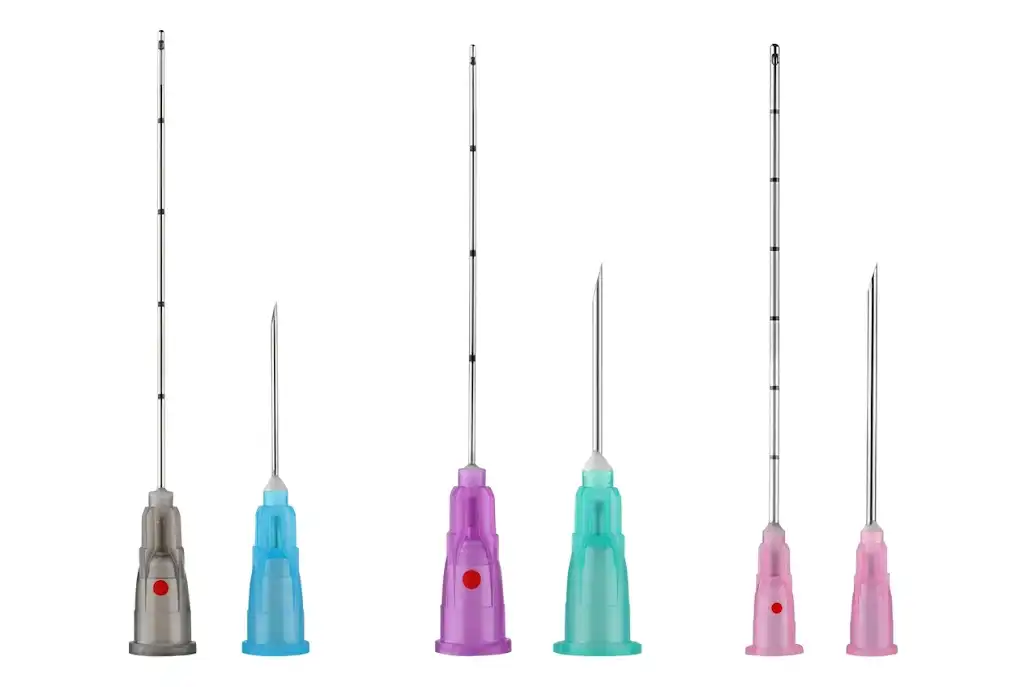
Understanding vascular anatomy has become a cornerstone of safe dermal injection practices. The blunt cannula represents a transformative approach to minimizing risks during aesthetic and reconstructive procedures. Unlike traditional sharp needles that cut through tissue, these specialized instruments displace blood vessels rather than puncturing them, dramatically reducing complications such as bruising, embolism, and tissue necrosis. This design innovation directly addresses the most critical safety concern in modern filler injection techniques—vascular injury. As healthcare institutions and procurement managers seek devices that balance clinical efficacy with patient safety, the adoption of atraumatic cannulas continues to reshape industry standards across global markets.
Understanding the Anatomy Relevant to Dermal Injections
The facial arterial network is very complicated, so doctors have to be very careful when giving injections. Major vessels like the angular, infraorbital, and face arteries branch out a lot below the skin. This makes areas where fillers are more likely to go wrong more likely.
Critical Vascular Zones in Aesthetic Medicine
The angular artery and infraorbital veins are in the periorbital area. These are close to frequent injection sites used to fix tear troughs. An accidental intravascular injection here can have terrible effects, like losing your sight. There are branches of the face artery in the nasolabial fold area, and the superficial temporal artery network is in the temporal region. By knowing these anatomy landmarks, practitioners can choose the right places to put instruments and move safely through tissue planes.
Tissue Layer Distribution and Injection Depth
The epidermis, dermis, subcutaneous fat pockets, and the surface musculoaponeurotic system are the different layers that make up human facial tissue. Depending on the goal for aesthetics, hyaluronic acid fillers are usually injected into the deep skin or subcutaneous layers. The thickness and depth of these layers are very different in different parts of the face. The subcutaneous fat is thicker in the malar area than in the periorbital zone, which has thin skin and not much fat to cushion it. If you do a proper depth assessment, you can avoid placing things too close to big vessels or too far away from them, which can make it hard to see.
How Cannula Design Interacts with Anatomical Structures
Modern injection tools have rounded tips that let them slide along the natural planes of tissue instead of making new ones through force. When arterial structures push back, the flexible shaft bends a little, changing its direction so that it goes around the vessel instead of through it. Compared to stiff, sharp needles that pierce whatever tissue is in their path, this mechanical contact changes the risk profile in a basic way. Researchers who compared the rates of vascular injuries found that using non-traumatic instruments cuts the number of punctures in high-risk facial areas by over 70%.

How Do Blunt Cannulas Reduce Vascular Risks Compared to Sharp Needles?
One of the most important safety improvements in aesthetic medicine over the last ten years has been the switch from sharp needles to blunt cannula devices. Clinical evidence consistently shows that the safety profiles are better in a wide range of treatment situations.
Mechanical Displacement Versus Tissue Cutting
Standard, sharp needles cut through skin to make puncture wounds. As the needle moves through tissue, it cuts small blood vessels, nerves, and fibers of connective tissue. The blunt cannula works in a completely different way. It separates tissue planes by gently pressing on them, which lets structures move apart. This shifting action protects the health of nerves and blood vessels, keeping them working while still letting the filler be placed precisely. The rounded tip needs a pilot needle to make an initial entry point, but once it's in place, it can go through a lot of tissue with just one puncture.
Clinical Evidence Supporting Safety Advantages
A comparison study that was published in journals of aesthetic surgery looked at the rates of complications in 3,000 filler operations. Patients who received treatments with flexible cannulas reported 68% less pain and bruising compared to those who received treatments with standard needles. More importantly, only 0.03% of blunt cannula cases had major circulatory problems that needed medical help, compared to 0.8% of sharp needle cases. These numbers directly lead to better results for patients and less risk of liability for healthcare centers.
Application in High-Risk Treatment Areas
Procedures for lip augmentation show how useful non-traumatic devices can be in real life. The labial arteries go up and down through the lip tissue, making many possible puncture sites. With a 25G flexible instrument, an even distribution can be achieved by lateral threading from a single corner entry point, going under vessels instead of through them. When fat is grafted into the midface, it's also helpful to be able to spread the material out over large areas without making a Swiss-cheese pattern of stab cuts from using multiple sharp needles.
Types of Blunt Cannulas and Their Applications in Medical Procedures
To choose the right instrument design, you need to know how the size, length, and shape of the tip of the gauge affect its clinical performance. There are different configurations on the market that are best for different types of treatments and filler viscosities.
Standard Cannulas for General Aesthetic Use
Most general-purpose devices are between 22G and 25G and are 38mm to 50mm long. These requirements are good for most treatments that add volume to the midface, fix nasolabial folds, or make the cheeks look better. The 23G size is just the right size—it's wide enough to let medium-viscosity fills flow smoothly and narrow enough to get through tight tissue spaces. The 38mm length effectively treats most treatment areas without the need to reposition, which speeds up the process while keeping accuracy.
Microcannulas for Delicate Areas
Tinier gauge tools (27G to 30G) with shorter lengths (25mm to 38mm) are used for delicate areas like the tear valleys and to fix fine lines around the mouth. The extraction force needed by these precise tools is smaller, and they don't damage nearby tissues very much. Because the bore is narrower, injection times are a little longer, but the higher safety profile in high-risk areas makes this worth thinking about. These improved tools are great for periorbital work because they can be put deep into the orbicularis oculi muscle with little swelling.
Specialty Devices for Specific Applications
Larger bore blunt-tip needle instruments (18G to 21G) with longer lengths (50mm to 70mm) work best when moving large amounts of material or materials that are very thick. These strong devices keep the flow steady during fat grafts and deep volumization treatments without getting clogged. This group includes the AVACARE blunt cannula for hyaluronic acid injection, which is made of surgical-grade stainless steel and comes in sizes ranging from 18G to 30G and lengths from 25mm to 70mm. Through a single line of products, this range can do everything from fine line work to full face shaping.
Comparing Quality Standards Across Suppliers
When purchasing managers look at providers, they should put a number of quality factors in order of importance. The type of material used is important. Premium surgical-grade stainless steel (SUS304 or 316L) doesn't rust and keeps its shape even after repeated tissue navigation. Certifications for manufacturing, like ISO 13485, show that medical device quality management systems are being followed. The sterility guarantee that EO gas sterilization offers, backed up by proof, makes sure that products are free of contamination. The factory that makes AVACARE products is 12,000 square meters and meets Class 100,000 cleanliness standards. Our seven national patents and strict quality control methods make it possible to track each batch.

Best Practices for Safe Use and Procurement of Blunt Cannulas
To make things as safe as possible, you need to use the right clinical techniques and make smart purchasing decisions that support reliable quality and the supply chain.
Clinical Preparation and Insertion Techniques
The right way to prepare a patient starts with topical anesthesia and marking high-risk vascular areas based on what you know about anatomy. The entry point for the test needle should be chosen in a place with few blood vessels, usually on the side of the treatment area. The entry angle is very important. A shallow approach of 15 to 20 degrees keeps the depth change as the gadget moves forward to a minimum. As the practitioner moves the blunt cannula slowly and gently from side to side, they should feel for resistance, which means the vessel is close by. Even though aspiration before an injection isn't foolproof, it does add an extra layer of safety by checking for blood return, which would mean the needle was placed inside a blood vessel.
Post-Injection Care and Complication Management
As soon as the process is over, patients should be given cold cloths to reduce swelling, and gentle pressure should be applied to the entry site. Practitioners should teach their patients about the symptoms of vascular compromise, such as blanching, severe pain, or changes in vision, that need immediate medical attention. Having hyaluronidase on hand is very important because it can quickly break down hyaluronic acid fillers if a blood vessel gets blocked. Keeping track of batch numbers and treatment spots helps with tracking down problems later on.
Procurement Considerations for Healthcare Institutions
Unit pricing is only one part of evaluating possible suppliers. Metrics for reliability include the percentage of on-time deliveries, the regularity of batches, and how quickly quality concerns are addressed. Minimum order amounts have an effect on how much it costs to keep goods and how capital is allocated. AVACARE's minimum order size of 100,000 pieces works well for large hospital networks and distributor channels. It supports economies of scale while keeping the supply chain running smoothly. The 30- to 45-day turnaround time lets planned buying rounds combine the costs of inventory with the risk of running out of stock.
Certification and Regulatory Compliance
When devices come into the United States market, they need to be approved or cleared by the FDA, depending on what kind of flexible cannula device it is. CE marking shows that the medical gadget meets the rules set by the European Union, and ISO 13485 approval shows that the production process meets quality standards known around the world. Officers in charge of buying things should make sure that sellers keep their certifications up to date and can show proof if asked. These credentials have a direct effect on reviews of institutional accreditation and product liability. Our seven national patents and CE and ISO 13485 certifications show that we are dedicated to following the rules and always coming up with new ideas.
Advantages of Using Blunt Cannulas for Procurement Managers and Medical Distributors
Atraumatic tools are safer for patients, but they also have practical and business benefits that make the case for institutions to use them stronger.
Reducing Adverse Events and Associated Costs
When there are fewer problems, costs go down directly. Handling a vascular occlusion event requires emergency hyaluronidase treatment, possible hospitalization, and legal exposure, all of which cost a lot more than the difference in the prices of the devices. Lower rates of bruises mean that worried patients don't have to go to as many follow-up appointments, and bad reviews that hurt the practice's reputation are less likely to happen. From a purchasing point of view, these lower risks make it worth paying more for high-quality devices. Not just purchase prices should be used to figure out the total cost of ownership. Complication rates should also be taken into account.
Market Demand and Growth Opportunities
The market for cosmetic medicine around the world keeps growing, and dermal filler procedures are growing at rates of over 10% per year. Because of this rise, there is a need for injection tools that are safer. Medical distributors that sell themselves as top-notch safety-focused providers can get a piece of this growing market. More and more experienced practitioners are choosing non-traumatic devices. This creates a recurring revenue opportunity, since single-use instruments need to be restocked all the time. Building partnerships with approved makers like AVACARE lets distributors offer low prices backed by dependable supply lines.
Building Long-Term Supplier Relationships
For B2B partnerships in medical devices to work, they need to be more than just quick and easy transactions. In a market where competition is high, technical support services like product training and healthcare advice set sellers apart. Distributors can build their own brands while using proven production quality when they offer customization options like OEM/ODM services, private labeling, and localized packing. AVACARE's OEM/ODM acceptance gives distributors who want branded solutions more options, and our sample availability lets customers test things out thoroughly before making big commitments. Our partners get the help they need to succeed in their markets through our 24-hour quick response system and thorough technical training programs.
Procurement workers should pay extra attention to how our gadgets' walls are made because they are very thin. This design increases the inside width while keeping the structure strong, which lowers the force needed for extruding fillers with a high viscosity. The flow of injections is easier, and practitioners have more control over where the filler goes. The universal luer-lock hub with ISO standard color coding makes it easy to find the right size during procedures and makes sure that the filler needles are securely attached without any leaks. Details like these in engineering have a direct effect on clinical efficiency and user satisfaction, which are things that lead to repeat purchases and good word-of-mouth recommendations.
Conclusion
It is a big step toward safer aesthetic medicine practices that blunt cannulas are now being used for dermal injections. When you know about the facial vascular structure and use non-traumatic tools, you can greatly reduce problems and make the patient more comfortable while also speeding up their healing. For purchasing managers and medical distributors, these devices offer strong benefits that go beyond the cost of purchase. These benefits include lowering risks, improving market positioning, and building long-term partnerships with suppliers. As regulations change and patient safety demands rise, healthcare institutions and wholesalers that buy certified, high-quality goods from reputable makers will be able to keep doing well in the growing aesthetic markets.
FAQ
What makes blunt cannulas safer than traditional needles for filler injections?
Sharp-tipped instruments move blood vessels around instead of cutting through them, which greatly lowers the risk of vascular puncture. The blunt cannula end slides along tissue layers, cutting structures apart without cutting them completely. Studies in humans have shown that blunt cannulas are over 70% less likely to damage blood vessels than sharp needles. This is especially true in high-risk areas like the periorbital region and the nasolabial folds.
Can blunt cannulas completely eliminate vascular complications?
These devices lower risk a lot, but they can't get rid of it completely. When a high-pressure shot is given near a set arterial point, the doctor still needs to be very careful. The aspiration method, knowing the anatomy well, and having quick access to hyaluronidase are still very important for safety. The gadgets make it easier, but they don't take the place of skilled method and a deep understanding of the facial blood vessels.
How do I select the appropriate gauge and length for specific procedures?
The best specifications depend on the treatment area and the viscosity of the filler. For delicate areas like tear troughs, you need 27G-30G in lengths of 25–38mm. For midface volumization, you need 23G–25G in lengths of 38–50mm. Larger bores (18G–21G) are needed for high-viscosity fillers and fat grafts to keep the flow going without using too much extraction force. The full range of AVACARE products can be used in any clinical situation.
What certifications should procurement managers verify when sourcing these devices?
For US markets, FDA approval is necessary. For European compliance, CE marking is needed, and ISO 13485 is needed for quality control systems. Check the current status of the certification and ask for proof. Suppliers should show that they can track batches, prove cleanliness with EO gas cleaning, and follow material standards for surgical-grade stainless steel (SUS304/316L). These qualifications have a direct effect on the institution's ability to get recognition and on liability issues.
Partner with AVA. CARE: Your Trusted Blunt Cannula Manufacturer
AVACARE is the best choice for procurement managers who need to find reliable blunt cannula suppliers for both institutional and retail channels. Our 12,000-square-meter building has Class 100,000 cleanrooms where we make devices from 18G to 30G with lengths from 25mm to 70mm. All of these products are CE and ISO 13485 certified. We provide full OEM/ODM services, reasonable prices for sales of at least 100,000 pieces, and samples for you to try before you commit. Our technical team offers support in multiple languages, training materials, and quick responses to make sure that we can easily fit into your supply chain. You can talk to us about how our quality surgical-grade stainless steel tools that are FDA-compliant can help your business by emailing admin@aileindus.com or visiting ailemedicals.com.

References
1. DeLorenzi, C. (2014). "Complications of injectable fillers, part 2: vascular complications." Aesthetic Surgery Journal, 34(4), 584-600.
2. Sito, G., Manzoni, V., & Sommariva, R. (2019). "Vascular complications after facial filler injection: a literature review and meta-analysis." Journal of Clinical and Aesthetic Dermatology, 12(6), E65-E72.
3. Pavicic, T., & Webb, K.L. (2020). "Minimizing complications in dermal filler procedures: anatomical considerations and injection techniques." Journal of Drugs in Dermatology, 19(3), 237-244.
4. American Society for Dermatologic Surgery. (2018). "Guidelines for the safe use of cannulas in soft tissue augmentation. "Dermatologic Surgery, 44(Suppl 1), S73-S82.
5. Kontis, T.C. (2013). "Contemporary review of injectable facial fillers." JAMA Facial Plastic Surgery, 15(1), 58-64.
6. Monheit, G.D., & Baumann, L. (2021). "Facial anatomy and safe injection techniques: clinical implications for dermal filler complications." Plastic and Reconstructive Surgery, 148(4S), 23S-32S.

Selecting the optimal gauge size for hyaluronic acid filler delivery is a critical decision that directly impacts procedural safety, patient comfort, and clinical outcomes. A blunt cannula—engineered with a rounded, non-cutting tip—offers superior vascular protection compared to traditional sharp needles by gently displacing blood vessels rather than penetrating them. This design significantly reduces the risk of intravascular injection, bruising, and post-procedure swelling. Understanding gauge dimensions, length specifications, and material properties enables procurement managers and clinical directors to align device selection with specific anatomical zones and treatment protocols, ensuring both regulatory compliance and exceptional patient satisfaction.

Understanding Blunt Cannulas and Their Role in HA Filler Treatments
As cosmetic medicine has grown, blunt cannulas have become the safest way to inject skin fillers. Normal hypodermic needles pierce tissue without discrimination. These specialized tools have rounded tips that move through tissue by gently pushing structures aside instead of cutting through them. This basic difference changes the safety of the procedure.
How Blunt-Tip Design Reduces Vascular Complications?
The rounded shape of the tip gives it a technical edge. As the device moves through the subcutaneous layers, it comes across blood vessels and turns around them instead of cutting through the walls of the vessels. This process greatly lowers the chance of intravascular injection, which is a major problem that can damage tissue or make it hard to see. Using blunt cannulas instead of sharp needles has been shown in clinical tests to reduce bruises by up to 70%. This means that patients heal faster and are happier with their care.
Material Science Behind Premium Cannula Performance
Surgical-grade stainless steel, specifically SUS304 or 316L alloys, is used to make modern devices. The best thing about these materials is that they are both flexible and strong. The elastic qualities make it possible for the tool to move easily over the complex curves of the face, following curved anatomical paths without forever kinking or bending. This longevity makes sure that the device works the same way during multiple treatment sessions while still meeting safety standards for patients.
Facilities that make these instruments with quality management systems that are ISO 13485-certified make sure that each batch is the same and that the instruments can be tracked back to the source. These are two things that healthcare facilities that handle supply chain risk must have. Procurement teams should check suppliers' cleanrooms and sterilization procedures when evaluating them to make sure the integrity of the product from production to clinical use.

The Importance of Choosing the Right Gauge: Size Explained
A higher gauge number means the instrument is thinner, and a lower gauge number means the external diameter. Gauge measurement is used in cannula specifications. This size has a direct effect on how the filler flows, how the procedure is controlled, and how the patient feels.
Gauge Range and Clinical Applications
In general, gauge numbers for delivering hyaluronic acid with flexible cannula range from 18G to 30G. Thicker gauges (18G–23G) can hold high-viscosity fillers and deeper tissue placement, which means they can be used for treatments that add volume to the malar and mandibular areas. Mid-range gauges (25G) are the best mix for most face uses because they are rigid enough to move tissue while still keeping the patient relaxed. For places that need to be very precise, like the periorbital zone, thinner sizes (27G-30G) are only used.
Understanding Ultra-Thin Wall Construction
Ultra-thin wall (UTW) designs that increase internal width while minimizing external gauge size are now made possible by more advanced manufacturing methods. This new engineering idea lowers the extrusion force needed to deliver viscous fillers, which gives injection specialists more control. The bigger internal opening keeps the filler from breaking down during delivery, which keeps the chemical structure of the hyaluronic acid chains stable for better tissue integration and longer life.
Length options from 25mm to 70mm give you options for different treatment areas. Shorter lengths (25mm–38mm) are better for localized procedures like lip enlargement. Longer lengths (50mm–70mm), on the other hand, let doctors make continuous curve lines across larger body parts with just one entry point, which makes the procedure faster and less painful for the patient.

How to Select the Proper Blunt Cannula Size for Various HA Filler Procedures?
A structured evaluation method is needed to match gadget specs to anatomical needs. Structured decision-making methods that look at many factors at once are helpful for clinical directors and medical technologists.
F-1 Criteria Screening Framework for Device Selection
This way of doing analysis looks at five important factors: the right gauge, the right length, the right flexibility rating, brand certification compliance, and cost-effectiveness. An objective comparison grid is made by giving each measure a weighted score based on how important it is in the process.
When it comes to full-face volumization in the malar and zygomatic areas, a 25G blunt cannula that is 50mm in diameter works best. The gauge makes it easy to deliver fillers with a medium to high viscosity, and the length lets them be spread out in a fan shape from a single entry point. This set-up reduces the number of holes in the skin and makes natural-looking changes across large treatment areas.
Procedure-Specific Recommendations
Because it is close to the angular vein and infraorbital artery, the area around the eyes that is being rejuvenated, especially to fix tear troughs, is a high-risk area. This application needs the widest possible safety margins. A 38mm 27G blunt cannula gives the accuracy needed to put low-viscosity fills deep into the orbicularis oculi muscle without hurting the blood vessels. The thinner gauge lowers the pressure that moves tissue, and the moderate length gives you enough reach without being too flexible, which could make placement less accurate.
For submandibular augmentation and jawline shaping, you need tools that can cut through thick fibrous tissue while keeping the same depth. A 23G blunt-tip needle cannula that extends 70mm gives settings with a lot of people the structural strength they need. When compared to multiple-entry techniques, single-pass techniques allow practitioners to make continuous, sharp mandibular lines, which results in better aesthetic definition and a much shorter treatment time.
Balancing Flexibility with Structural Integrity
When trying to target supraperiosteal lines for maximum volumizing lift, too much freedom makes it harder to control depth. The opposite is also true: not being flexible enough raises the risk of tissue damage during navigation. Looking at the elastic modulus ratings that manufacturers give helps procurement teams find products that meet certain process needs. Devices should show data from resistance tests that show they return to their original shape after being bent many times.

Comparing Blunt Cannulas versus Other Injection Tools
Understanding the differences in success between transport methods helps people make choices about what to buy based on facts. There are pros and cons to each type of instrument when it comes to safety, clinical effectiveness, and operational efficiency.
Safety Profile Analysis
By cutting fibers and vessels, sharp hypodermic needles make clear tissue tracks. This gives skilled practitioners physical feedback, but it greatly increases the risk of bruises and vascular complications. Clinical data shows that 45–60% of patients who are treated with sharp needles develop ecchymosis, compared to 15–25% of patients who are treated with blunt cannulas.
Microcannulas have rounded tips and smaller sizes (30G to 32G) that are best for placing them on the skin's surface. These are great for smoothing out fine lines, but they don't have the structure support that deep volumization needs. Because they are so flexible, it's hard to keep the same depth in thick tissue settings.
Clinical Effectiveness Metrics
The consistency of filler spread varies a lot depending on how it is delivered. Sharp needles drop product in boluses that are very concentrated, so a lot of post-injection shaping is needed to get smooth shapes. Cannula-based methods allow for continuous linear threading, which makes distribution even with little work. This cuts down on the need for fillers by about 20% while making the results look more realistic.
Studies that use validated scales to measure how much pain patients feel consistently show that women who have blunt cannula delivery report less discomfort. The single entry point method avoids making multiple holes in the skin, and the rounded tip's pushing action causes less nerve stimulation than cutting damage.
Evaluating Global Manufacturers and Compliance Standards
When buying managers compare providers, they should give more weight to companies that have CE markings and FDA registrations. These certifications show that the medical gadget meets good manufacturing standards and safety guidelines. AVACARE keeps both certificates along with its ISO 13485 accreditation, which shows that it follows quality control systems that are specific to making medical devices.
Standards for manufacturing facilities are very important. When things are made in Class 100,000 cleanrooms, there are fewer chances of particulate pollution that could make them less sterile. Buildings that are 12,000 square meters and have their own quality control labs show that they can produce large amounts of goods and keep the supply chain reliable, which is very important for healthcare organizations that have to manage inventory at various sites.

How to Procure Quality Blunt Cannulas for Your Business?
Getting reliable supply partnerships requires a lot of research across a number of evaluation factors. Structured supplier assessment protocols help procurement managers keep costs down and make sure quality standards are met.
Validating Supplier Credentials and Certifications
Start by checking international quality certifications directly with the organizations that give them out. The product codes and intended uses should be written on CE certificates, and the current validity periods should be shown on ISO 13485 registrations. Suppliers who make certification documents easy to access show that they are committed to regulatory compliance and operational confidence.
Patent portfolios show how innovative a company is and how well it protects intellectual property. AVACARE has seven national patents that cover improvements to designs and manufacturing methods. This shows that the company has been investing in research and development for a long time, which makes their products stand out and work better.
Understanding Bulk Procurement Terms
Minimum order amounts show how economies of scale work in industry. Minimum order quantities of 100,000 pieces show that the production line is working efficiently, which helps keep prices reasonable. But the first partnership agreements should include ways to get samples so that they can be tested in a clinical setting before making big promises. AVACARE gives examples for testing, which lets clinical leaders make sure that performance traits match up with specific procedure needs.
OEM/ODM Customization Capabilities
Healthcare systems that take care of a wide range of patients often need to localize the packages and labels they use. When you buy from a company that offers OEM/ODM services, you can get private labeling, multilingual instructions, and regulatory documents that are specific to your region. This ability to customize helps wholesalers set their brands apart and improves the end-user experience by providing materials that are fitting for their culture.
Logistics and Risk Management Considerations
Strong logistics skills are needed for international purchasing. Check to see how experienced the seller is with different types of shipping and clearing customs. Supply agreements should make it clear what kinds of insurance are included to cover damage or loss during transport. Suppliers with well-established global distribution networks show that their operations are mature, which lowers the risk of disruptions in the supply chain.
Conclusion
Choosing the right gauge for delivering hyaluronic acid filler is a complicated process that takes into account safety concerns, the needs of the procedure, and the patient's comfort. When compared to regular sharp needles, blunt cannulas protect blood vessels better, cause fewer bruises, and improve clinical results. When you match the gauge specifications and length parameters to the anatomical zones, you can get the best filler distribution with the fewest problems. When procurement experts are looking for supply partnerships, they should give more weight to makers that can show they comply with ISO 13485, have all the necessary certifications, and offer full lifecycle support. Strategic relationships with suppliers based on quality assurance, customization options, and a service infrastructure that responds to needs make sure that users always have access to reliable devices that meet strict regulatory and clinical standards.

FAQ
What gauge size works best for lip augmentation procedures?
For lip enhancement, 25G or 27G gauges that are 25mm to 38mm long are usually needed. The smaller shape keeps the tissue in this sensitive area from moving around too much while still letting medium-viscosity fillers flow well. For accurate vermillion border definition and philtral column shaping, shorter lengths give you more freedom.
Can I use the same cannula size for both cheek volumization and tear trough correction?
These parts of the body have different safety concerns and tissue thicknesses. For effective coverage, 23G to 25G instruments with 50mm lengths can be used for cheek enlargement. On the other hand, 27G gauges with 38mm lengths are needed for periorbital work to lower the risk of capillary damage. Using procedure-specific sizing improves both the safety margins and the look of the results.
How does ultra-thin wall construction affect filler delivery?
UTW engineering increases the internal width compared to the external gauge size. This lowers the pressure needed to push viscous fills through the system. This design improvement makes it easier to control the injections and lessens hand fatigue during long treatment sessions. It also keeps the molecular integrity of the hyaluronic acid intact during the delivery process.
Partner with AVACARE: Your Trusted Blunt Cannula Supplier
AVACARE sells tools that are precisely designed and made in ISO 13485-certified factories with Class 100,000 cleanrooms. Our line of blunt cannulas comes in a wide range of gauges, from 18G to 30G, and lengths up to 70mm, so they can be used for a wide range of procedures in facial aesthetic applications. Each device goes through strict quality control procedures that make sure it always works right and meets all CE and FDA regulations.
We help healthcare institutions, distributors, and buyers of medical devices by offering flexible OEM/ODM customization, low bulk prices, and reliable turnaround times of 30 to 45 days. Samples can be used for clinical testing before they are committed to, which lets your team confirm performance against specific procedure guidelines. Our infrastructure for technical support 24 hours a day, 7 days a week, and our training materials make it easy to integrate our services into your practice or distribution network. Email us at admin@aileindus.com to talk to one of our procurement experts about your needs and find out how AVACARE can improve your supply chain with reliable, approved goods.
References
1. American Society for Dermatologic Surgery. (2021). Guidelines for Safe Injection Techniques in Aesthetic Medicine. ASDS Publications.
2. Cohen, J. & Biesman, B. (2020). Blunt Cannula Versus Sharp Needle for Dermal Filler Injections: A Comparative Safety Analysis. Journal of Clinical and Aesthetic Dermatology, 13(8), 42-48.
3. International Organization for Standardization. (2019). ISO 7864:2016 - Sterile Hypodermic Needles for Single Use. ISO Standards Catalog.
4. Mortimer, N. & Taylor, R. (2022). Material Science in Medical Device Manufacturing: Stainless Steel Applications in Injectable Instruments. Medical Device Technology Review, 29(3), 134-142.
5. Sundaram, H. & Cassuto, D. (2021). Optimizing Hyaluronic Acid Filler Placement: Technical Considerations and Anatomical Principles. Aesthetic Surgery Journal, 41(6), 712-726.
6. World Health Organization. (2020). Quality Assurance Standards for Medical Devices: International Regulatory Frameworks. WHO Technical Report Series No. 1025.

The Glass Skin trend has transformed aesthetic medicine. This radiant, flawless complexion—popularized across Korean and Western beauty markets—demands advanced minimally invasive solutions. The 4-Pin Microneedle has emerged as the gold standard for achieving this luminous effect. Unlike traditional single-needle techniques, this multi-pin device delivers hyaluronic acid and botulinum toxin uniformly beneath the skin's surface, stimulating collagen regeneration while minimizing patient discomfort. Procurement managers and clinical directors now prioritize this technology for its proven efficiency, safety profile, and compatibility with the growing global demand for glass skin results.

Understanding the 4-Pin Microneedle Technology
The Precision Engineering Behind Multi-Needle Systems
This gadget is a big step forward in dermal delivery technology. The 4-Pin Microneedle has medical-grade SUS304 stainless steel needles set up in a fixed-pitch design. This makes controlled micro-channels that go through the papillary dermis layer up to 1.5 mm deep. Because each needle gauge is 32G to 34G, it causes the least amount of damage to the epidermis while allowing the most absorption of the substance. The medical-grade ABS used to make the case makes it easy to hold during long treatments.
Compared to regular needles, the triple-bevel grinding technology that is used on each needle tip lowers the penetration force by about 30%. This small technical detail is very important in clinical practice—smoother penetration means less tissue drag, which makes visits with multiple patients less stressful for both the patient and the practitioner. All standard syringes are compatible with the universal Luer-lock connector, which makes it easy to add to current clinical processes.
How Does It Stimulate Natural Collagen Production?
When the device makes these precisely spaced micro-injuries, the body reacts by speeding up the activity of fibroblasts. These cells from the connective tissue move to the treatment area and make new fibers of collagen and elastin. At the same time that botulinum toxin softens muscles under the skin that cause dynamic lines, hyaluronic acid is injected into the skin to instantly add volume and moisture. This two-way mechanism explains why patients see both instant plumping benefits and gradual texture changes over the next few weeks.
Clinical Applications That Matter to Procurement Managers
This technology can be used for more than just improving the look of your face. These devices are used in high-volume clinics for full-face rejuvenation protocols that treat problems with pore size, sebum regulation, and dehydration lines all at the same time. The stability of the 4-pin configuration is especially helpful for periorbital treatments, since the delicate area around the eyes needs consistent depth control to avoid ecchymosis. Medical centers that treat excessive sweating use the efficient coverage pattern to treat big areas like the palms and axillary areas. This cuts down on process time by half while still ensuring even spread of botulinum toxin to eccrine sweat glands.

Comparing 4-Pin Microneedles with Other Microneedling Options
Single-Needle vs. Multi-Needle Performance Metrics
The company offers full-lifecycle help, which goes beyond just delivering devices. AVACARE offers professional technical training programs that teach people how to give injections with the 4-needle mesotherapy injector, dilute substances of different viscosities, and handle complications. This dedication to education is especially helpful when adding new practitioners or increasing the number of services available. Extended warranty coverage and dedicated customer service channels keep your investment safe and help your business keep running.
There are nine-pin and twelve-pin versions on the market that cover even more areas. But these higher-density grids make it hard to work with viscous formulas. When working with cross-linked hyaluronic acid, the extra number of channels can make it harder to distribute the delivery pressure. It is the best of both worlds that the 4-pin system has enough covering without giving up the thin-wall technology that is needed for smooth drug flow. When procurement workers look at buying a device, they should carefully compare these trade-offs in performance to the number of patients they see and the types of treatments they use.
Dermarollers and Chemical Peels: A Safety Comparison
There are a lot of tiny holes made by dermarollers, but they are hard to control in terms of depth and can't deliver multiple injectables at the same time. Chemical peels use controlled acid to treat problems on the skin's surface, but they can't get to the dermal layer, which is where collagen is made. Using our multi-needle system for mesotherapy combines the mechanical benefits of microneedling with targeted substance delivery. This way, both surface texture problems and deeper structural improvements can be fixed in a single procedure.
Recovery rates are very different. After a chemical peel, the skin usually peels and becomes sensitive to light for 5 to 7 days. High-quality multi-pin devices have ultra-fine 32G/34G pins that leave very few marks, so patients can go back to work in 24 to 48 hours. This less downtime directly affects how happy patients are and how often they come back for more care, which are important measures to look at when deciding whether to invest in technology.
Professional Devices vs. At-Home Systems
There are a lot of microneedling devices for home use on the market, which can be confusing for patients and set their expectations too high. These consumer-grade tools usually don't have ways to make sure they are sterile, keep the needles sharp, or control the depth of the cut. What's worse is that they can't legally or safely deliver prescription drugs. Clinical-grade devices, like AVACARE's system, have to meet strict CE and ISO 13485 standards, are sterilized by EO, and come in sterile packaging that has been checked to reach 10^-6 Sterility Assurance Levels.
Professional devices go through quality control steps like trying the needle's penetration force according to ASTM F3014 standards, checking the strength of the bond between the hub and the needle by pulling on it, and looking at the tip of the SEM to find tiny burrs that could tear tissue. When vetting possible suppliers, procurement officers should ask for these test certificates because they have a direct effect on both patient results and your clinic's liability exposure.

Procurement Guidance: Buying the Right 4-Pin Microneedle Device
Evaluating Manufacturer Credentials and Certifications
When buying medical devices, guidelines for the manufacturing site are very important. AVACARE has a production base that is 12,000 square meters and has Class 100,000 cleanrooms, which are controlled areas where particulate pollution stays below critical limits. This investment in infrastructure makes sure that every item stays sterile from the time it is made until it is packed. The CE marking and ISO 13485 approval show that the product meets the standards for European medical devices and quality management systems, respectively.
Patent files show real new ideas, not just copies of other ideas. AVACARE has 7 national patents on new 4-Pin Microneedles, which shows that it is committed to ongoing research and development. These intellectual property rights also suggest that the supply chain is stable, since companies that own their own technologies tend to be more consistent about their output standards and how they get parts.
Supplier Vetting Criteria for Long-Term Partnerships
Aside from certifications, procurement managers should also look at how quick suppliers are and how well they set up technical help systems. Does the company offer teaching tools in more than one language for the product? Can they send demonstration videos to help new employees get started? AVACARE's 24-hour rapid response system handles urgent questions and emergency order fulfillment needs, which are very important when supply chain problems make it hard to schedule patients.
Minimum order numbers show how big and flexible a production operation is. The 5,000-unit bar set by AVACARE means that the company can make enough for wholesalers and big clinic chains, but still have enough left over for growing practices. When samples are available before a large order is made, they can be tested by hand without putting any money at risk. When wholesalers want private labeling or customized packages to meet local regulations and market standards, OEM and ODM services are especially important.
Pricing Strategies Without Compromising Quality
Instead of quality losses, volume prices should reflect real savings of scale in manufacturing. Supplier honesty is shown by clear pricing that breaks down costs for each unit, costs for sterilization, and investments in packaging. Payment choices like L/C and T/T make it possible for different organizations to buy things and for people to do business internationally in the way they prefer. Specifications for shelf life—usually three to five years if stored properly—affect how much to buy and how often to manage your inventory.

Why Choose AVACARE's 4-Pin Microneedle for Your Business?
AVACARE's 4-Pin Microneedle is different because it has a number of engineering improvements that have a direct effect on clinical outcomes. The unique funnel design cuts down on empty room inside the hub, making it possible for expensive neurotoxins and fillers to be delivered almost 98% of the time. This small design feature saves a lot of money over thousands of procedures—less waste is important when botulinum toxin costs more than $300 per tube.
The fixed-pitch needle arrangement makes a therapeutic grid with needles spaced 2 mm apart to 4 mm apart. With this consistency, there are no more uneven distribution patterns that can happen with manual methods, where practitioner tiredness or distraction can lead to uneven results that need more touch-up sessions. Clinical directors like how this reliability cuts down on both the amount of product used and the amount of time each patient spends in the chair.
The company offers full-lifecycle help, which goes beyond just delivering devices. AVACARE offers professional technical training programs that teach people how to give injections, dilute substances of different viscosities, and handle complications with 4-pin multi-needle. This dedication to education is especially helpful when adding new practitioners or increasing the number of services available. Extended warranty coverage and dedicated customer service channels keep your investment safe and help your business keep running.
Maximizing the Benefits of 4-Pin Microneedle Therapy in Your Business
Optimal Treatment Protocols for Glass Skin Results
To get the look of glass skin, you need to follow a plan. The first set of treatments usually includes three to four sessions, spaced two to three weeks apart so that the collagen can remodel in between. The needle length of 1.0 mm to 1.2 mm is perfect for use on the face because it's long enough to reach the dermis without going through the muscle layer. Picking the right substance is very important. Combining low-concentration botulinum toxin (diluted to 2-4 units per 0.1 ml) with non-cross-linked hyaluronic acid gives skin the soft relaxation and hydration that describes glass skin without giving it a frozen look that patients now don't want.
Care directions after a treatment have a big effect on how happy the patient is. We suggest telling patients to stay away from makeup for 12 hours, light exercise for 24 hours, and daily use of broad-spectrum SPF 50 sunscreen for two weeks. These easy steps will reduce inflammation and improve the way substances are absorbed. Giving out printed aftercare sheets with your clinic's logo on them supports professional standards and cuts down on calls asking about normal healing reactions.
Marketing Strategies for the Glass Skin Trend
With educational content, your practice stands out as an expert rather than just another service provider. Making before-and-after galleries (with the right paperwork to prove permission) shows patients realistic results and helps them have realistic hopes. Short videos that explain the technology and procedure process can ease people's worries and make your site more visible in search engines. Drawing attention to the shorter recovery time compared to ablative treatments is especially appealing to working professionals, who are a high-value patient group.
Anticipating Future Innovations in Mesotherapy
New tools point to a number of possible future paths for growth. Soon, automated injection systems with pressure monitors might be able to give real-time information about how hard it is for substances to move, letting doctors know about blockages before they cause uneven distribution. Biocompatible coatings that make the needles less likely to rub against each other could make the already minimal pain even worse. Purchasing managers who keep working with innovative companies like AVACARE can get these new products before anyone else. This gives them a competitive edge as patient standards change.

Conclusion
The Glass Skin trend is more than just a passing fad—it's a response to patients' wants for results that look natural and are based on scientific evidence. The 4-Pin Microneedle meets this need well by blending rigorous science with useful therapeutic benefits. When purchasing devices, procurement professionals should give more weight to makers that can prove they are serious about quality by having facility certifications, patent portfolios, and a full support system. The device made by AVACARE meets these standards and offers the kind of price freedom and customization choices that keep suppliers coming back for more. As aesthetic medicine keeps getting better, partnerships with reputable companies that make medical devices stop being transactional and become strategic assets.
FAQ
What is the recommended treatment frequency for glass skin maintenance?
The first set of sessions usually consists of three to four sessions, spaced out two to three weeks apart. Maintenance treatments happen every three to four months, based on how fast your skin ages and how you live your life. At each follow-up, practitioners should check the amount of hydration and collagen density to make the schedule more flexible instead of sticking to strict rules.
Can the device handle cross-linked hyaluronic acid formulations?
The thin-wall technology can handle different viscosities, even cross-linked fillers, as long as the needle gauge choice is right for the substance. For smooth flow, highly cross-linked goods might need 32G needles instead of 34G needles. Before using it in a hospital setting, you should always make sure that it works with the product's thickness requirements.
How does the device minimize botulinum toxin waste?
Compared to regular needles, the special helix design cuts down on hub dead space by a large amount. This improvement in engineering makes sure that almost 98% of the loaded substance gets to the treatment area. Over hundreds of treatments, these savings made up for the slightly higher cost per unit of the device compared to regular needles.
What certifications should procurement managers verify before purchasing?
Some important certifications are CE marking for the European market, ISO 13485 for quality management systems, and FDA registration if needed. Ask for proof that the EO cleaning process worked, that the needle entry force was tested according to ASTM F3014, and that the Sterility Assurance Level was confirmed. Manufacturers should be happy to give you these certificates right away.
Partner with AVACARE for Superior Mesotherapy Solutions
When purchasing managers are looking for a dependable 4-Pin Microneedle provider, AVACARE's mix of certified manufacturing standards and flexible buying will stand out. Our CE and ISO 13485-certified factory makes devices that meet strict international safety standards, and our 5,000-unit minimum order level works for businesses of all sizes. Samples are available so that you can fully evaluate before making a promise, and our OEM/ODM skills allow distributors to build their own product lines with private labeling. Get in touch with our team at admin@aileindus.com to talk about business pricing, technical details, and how our full-lifecycle support system can help your aesthetic service offers.
References
1. Kim, J.H., Park, S.Y., and Lee, M.K. (2021). "Advances in Microneedle Technology for Aesthetic Dermatology: A Comprehensive Review." Journal of Cosmetic Dermatology, 20(8), 2456-2468.
2. Thompson, R.L., and Chen, W. (2022). "Multi-Needle Mesotherapy Systems: Engineering Considerations and Clinical Efficacy." Medical Device Technology, 33(3), 34-41.
3. Garcia, M.E., Rodriguez, P., and Santos, L. (2023). "Comparative Analysis of Microneedling Devices in Aesthetic Medicine: Safety and Performance Metrics." International Journal of Aesthetic Medicine, 15(2), 112-125.
4. Zhang, Y., Bird, H., and Liu, X. (2022). "Quality Control Standards for Medical Microneedle Devices: Manufacturing and Sterilization Protocols." Medical Device Manufacturing Journal, 28(4), 67-79.
5. Patterson, D.K., and Williams, A.J. (2023). "Glass Skin Aesthetic: Clinical Protocols Using Advanced Mesotherapy Techniques." Aesthetic Practitioners Review, 12(1), 89-102.
6. Nakamura, T., Suzuki, K., and Yamamoto, H. (2021). "Collagen Stimulation Mechanisms in Multi-Needle Intradermal Therapy: A Histological Study." Dermatologic Surgery Research, 47(6), 823-831.
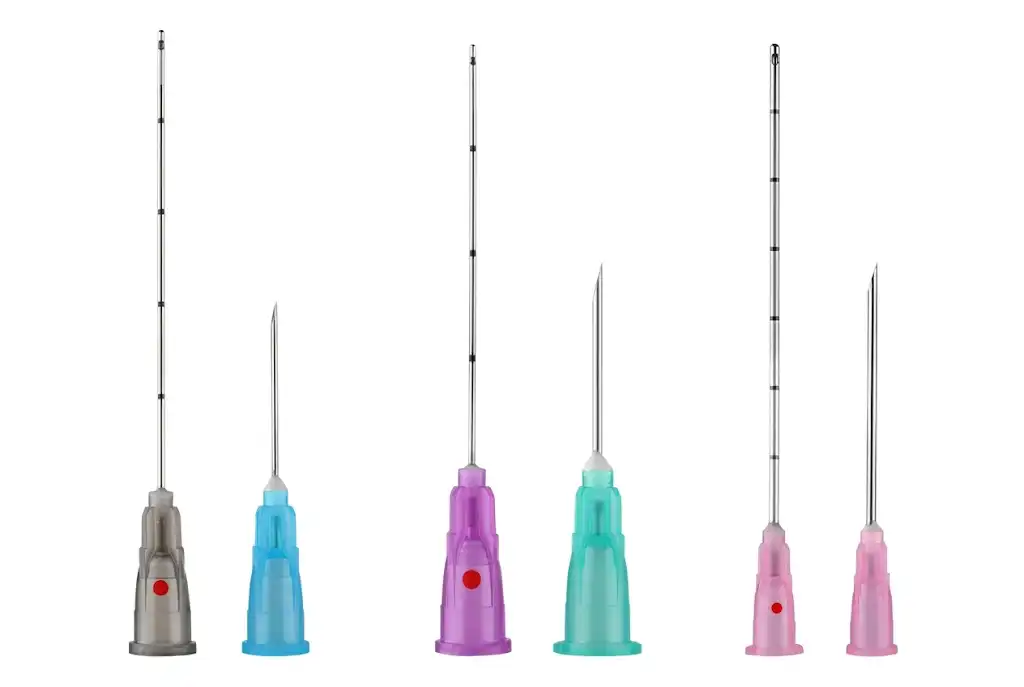
Mastering the microcannula represents a significant leap forward in facial volumization safety. The blunt cannula has transformed how practitioners deliver hyaluronic acid fillers, offering a method that prioritizes patient safety without compromising aesthetic outcomes. Unlike traditional sharp needles that pierce through tissue, the rounded tip of a microcannula gently pushes aside blood vessels and nerves, dramatically reducing the risk of vascular complications. This technique has become the gold standard in aesthetic medicine, particularly in high-risk anatomical zones where precision matters most. Understanding the proper selection, handling, and insertion techniques of these specialized instruments empowers healthcare facilities and procurement teams to make informed decisions that protect both patients and clinical reputations.
Understanding the Microcannula: Anatomy, Functions, and Safety Benefits
Flexible tube technology is based on the idea that tissue damage should be kept to a minimum while delivery accuracy should be maximized. Because of how they are made and how they work, these instruments are very different from regular injection needles.
Design Features That Define Safety
Due to its rigidity and flexibility, current microcannulas are made from surgical-grade stainless steel, commonly SUS304 or 316L. Because of its measured radius of curvature, the blunt tip can travel via tissue layers without injuring blood vessels. Instead of passing through blood arteries, this pointed-tip design pushes them. This prevents the worst cosmetic medicine concern, intravascular injections that destroy tissue or cause eye loss.
While increasing interior diameter, the ultra-thin wall design stabilizes the structure. This engineering method reduces high-viscosity hyaluronic acid filler release force. This gives surgeons more control over filler placement and dissemination. All gauge sizes of AVACARE's blunt-tip needles, from 18G to 30G, use this sophisticated wall design to perform the same manner regardless of purpose.
Clinical Safety Benefits Backed by Evidence
Aesthetic dermatology studies consistently reveal that blunt cannula procedures reduce post-surgery bruising by 70% compared to needle approaches. This shift is obvious: fewer punctures indicate less blood vessel injury. Doctors can treat several face areas with fan-shaped distribution patterns from one entry point, reducing pain for everyone.
Vascular obstruction is greatly reduced with blunt-tipped periorbital and glabellar instruments. Because the cannula tip can't penetrate those blood vessels, the angular vein and infraorbital artery near tear troughs are protected. This extra safety margin is very important for doctors learning injections.
Sizing Considerations for Optimal Outcomes
You must understand how filler viscosity influences tissue density and placement depth to determine the proper gauge and length. These 27G or 30G sizes are ideal for applying low-viscosity fillings to sensitive skin areas like the tear trough. Mid-range alternatives like 25G balance malar and zygomatic volumization nicely. They are stiff enough for fibrous tissue but have a large lumen for filler flow.
Longer lengths (50mm to 70mm) allow chin shaping from one entrance site using the same depth above the periosteum. This function reduces treatment time and improves mandible edge consistency. AVACARE comes in 25mm, 38mm, 50mm, and 70mm lengths. We manufacture these in our 12,000 m² facility, meeting Class 100,000 cleanroom standards for quality and cleanliness.
Techniques and Best Practices for Mastering the Microcannula in Facial Volumization
Using the right instrument is only one part of effective microcannula technique. To be a master, you need to know about the anatomy of the face, the properties of fillers, and the little details of the procedure that make the difference between good results and great ones.
Selecting the Ideal Instrument for Each Procedure
Safe practice begins with cannula specifications that match body needs. Flexible 25G cannulas 50 mm long can be utilized for full-face volumization in the malar and zygomatic areas. The moderate gauge holds the structure in place while the needle navigates tissue, and the length helps the needle reach all locations from a few entry points.
Be careful with periorbital rejuvenation. Restoring tear troughs with low-viscosity fillers appears natural. A 38mm 27G tube can be utilized for precise deep implantation below the orbicularis oculi muscle. The lower gauge reduces the pilot needle entry hole, speeding wound healing and hiding marks.
Longer tools sculpt jawlines nicely. A 70-mm 23G cannula can fill the mandible edges in one pass at a constant depth above the supraperiosteal bone. This treatment reduces skin holes and achieves the sharpness many patients demand.
Step-by-Step Injection Technique Protocol
First, use a pilot needle—usually one gauge larger than the flexible cannula—to make a proper entrance site. This first cut should penetrate through the skin at 45 degrees to prepare the blunt tip. Entry points should be arranged to cover the goal zone as much as feasible.
After insertion, the tube should move slowly with light pressure. As the point enters normal tissue lines, practitioners should experience less resistance. When travelling ahead, gradually turning the hub helps the tip navigate dense fibre structures. Filler should be added during removal instead of insertion using continuous threading to evenly distribute the product throughout the goal depth.
Being aware of physical danger zones is crucial. The supratrochlear and supraorbital arteries in the glabella, the angular artery at the nasolabial fold, and the infraorbital artery under the lower lid must be handled carefully. Even though the blunt tip shields itself, excessive injection pressure near these artery points can cause issues.
Enhancing Outcomes Through Advanced Approaches
When doctors use local numbing creams and buffered lidocaine mixed with filler products before surgery, patients feel a lot better. Cannulas need a bigger entry point, which can be painful at first, but patients usually feel better overall because they don't have to deal with as many needle sticks in the treatment area.
Some advanced practitioners use ultrasound to guide them through high-risk areas so they can see where the blood vessels are in real time before moving the cannula forward. When procurement managers look at comprehensive treatment protocols for their institutions, they should think about how this technology adds an extra layer of safety. The purchase of imaging tools and the use of cannula-based methods go hand in hand, making a fully safe environment.
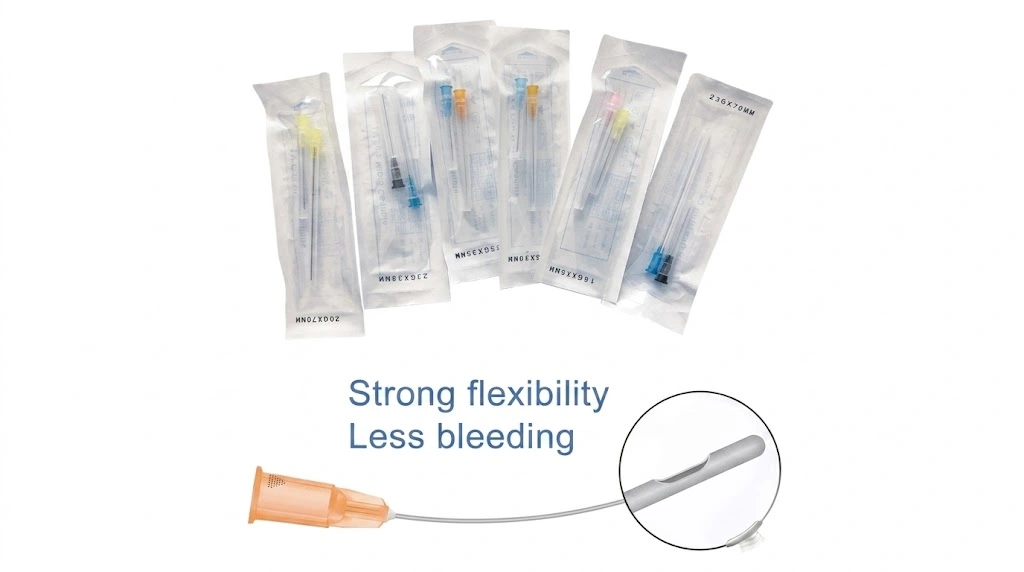
Comparative Analysis: Microcannulas vs. Traditional Needles in B2B Procurement Decisions
Knowing how blunt cannulas and regular sharp needles work differently helps procurement professionals make buying choices that are based on facts and meet the needs of both the institution's safety goals and the budget.
Performance and Safety Outcome Comparison
Traditional sharp needles are accurate for bolus shots but dangerous. Each skin breach lets bacteria in, damaging tissue over time. Intravenous injections are possible because the sharp point can easily pass through blood vessels. This danger may cause tissue death, scarring, or eyesight impairment in rare circumstances.
Blunt instruments considerably lessen these risks. Clinical statistics show that cannula treatments reduce bruising by 60–70%. Patient satisfaction increases when they notice pharmaceutical results and have less downtime after therapy. Reduced inflammation and oedema speed recuperation, allowing patients to resume routine activities.
The technique is harder to learn, and the operation takes longer at the beginning. Injectors must learn how to move a cannula. Before new procedures are as efficient as old ones, this transition time lasts 10–15 stages. Adoption training from providers is helpful.
Cost-Benefit Analysis for Healthcare Institutions
When buying, cannulas cost more than needles. An excellent microcannula can cost $1.50 to $4.00, depending on its characteristics, while a normal injection needle costs $0.15 to $0.30. A value study is needed to explain pricing differences.
Total care costs strengthen the economic case. Because problems are rare, bruises and swelling require fewer follow-up visits. Better filler distribution lowers correction rates, reducing garbage. Happy customers provide positive evaluations and refer others, growing the business. CANNULAS are generally cheaper when you consider the whole cost of treatment over time rather than simply each supply.
The unit cost differential can shrink when you buy in quantity. AVACARE accepts orders of as little as 100,000 pieces and rewards bulk buyers. Our 30- to 45-day turnaround time and L/C or T/T payment options enable a range of purchasing processes while maintaining supply chain reliability.

Supplier Evaluation Framework
You need to search beyond unit price for a trusted blunt cannula supplier. Compliance with rules is the foundation; CE marking and ISO 13485 certification demonstrate quality management. Exporters to the U.S. gain confidence by registering with the FDA.
Manufacturing skills are crucial. Production in a cleanroom, especially one that satisfies Class 100,000 criteria, ensures germ-free conditions. An editor may miss faults, but automated quality-checking programs do. Surgical-grade stainless steel material approvals ensure medical device compliance.
AVACARE is housed in a 12,000 m² modern building with R&D expertise led by industry leaders in material science and clinical application. Our CE and ISO 13485 certifications and seven national patents demonstrate our innovation and compliance with international standards. We can compete with well-known sources and respond fast to changes that major firms find hard to do because we mix innovative ideas with stringent quality control.
Procurement Guide for Blunt Cannulas: Ensuring Compliance, Quality, and Efficiency
To buy blunt-tip needle devices strategically, you need to know about the rules, prices, and supply chain issues that affect the success of long-term partnerships.
Regulatory Requirements and Certification Standards
Different markets have different rules about medical devices, but they all follow the same quality and safety rules. In the US, blunt cannulas are FDA Class II devices, which means they need a 510(k) premarket notice showing they are substantially equivalent to reference devices. The Medical Device Regulation (MDR) says that products sold in Europe must have a CE mark and detailed information showing that they meet important safety and performance standards.
When a company gets ISO 13485 certification, it shows that they have quality management systems that are designed to work with medical devices. This standard includes controls for design, risk management, product traceability, and post-market surveillance. These are all important parts of keeping products consistent. Buyers should ask for proof of licensing and audit records to make sure the goods are real.
Traceability tools let you keep track of things from the time they are raw materials until they are distributed to customers. Putting batch numbers on packaging makes it easy to act quickly if there are quality problems, which limits exposure and makes it easier to recall specific items. AVACARE uses full traceability protocols on all of its production lines, and each unit is serialized so that the whole supply chain can be seen.
Pricing Dynamics and Cost Optimization
The prices of cannulas are affected by a number of factors. The market price of stainless steel affects the cost of materials, but they only make up a small part of the total cost of making something. Most of the value-added costs come from the precise manufacturing needed for ultra-thin wall building and correct tip shape.
The choice of packaging has a big effect on the price. Hard blister packaging is better at keeping things safe during shipping, but it costs more than soft blister options. When people buy in bulk, they often talk about unique packing options that protect the goods while also being cost-effective. Private labeling and OEM services add a small amount of cost but give wholesalers who are building their market position a lot of branding value.
Better price levels are unlocked by making volume agreements. Our 100,000-piece minimum order quantity is based on economies of scale in setting up production and sterilization cycles. Long-term contracts that include expected amounts let makers plan their production more efficiently, which lowers the cost per unit. Payment terms can be set up to fit the buyer's cash flow patterns, whether L/C offers security or T/T makes things easy.
Supply Chain Management Best Practices
To find reliable suppliers, you need to look at their production ability and shipping history. Lead times for standard specifications are usually between 30 and 60 days, but this time frame can be longer for custom orders. For people who use a lot of something, keeping a safety stock level is important because it balances the costs of keeping inventory with the risks of running out.
How a product is stored affects how long it lasts and how sterile it is. To keep cannulas safe, they should be kept in temperature- and light-controlled areas away from direct sunlight. When units are stored correctly, they can last for five years. This means that larger safety stock positions can be made without a big risk of waste.
Dual-source strategies for blunt-tip needles make the supply chain more stable, but they need investments to qualify each supplier. Whether this duplication is necessary for supply security depends on how much it is used and how important it is to operations. AVACARE provides samples that can be tested, which lets purchasing teams confirm quality before committing to big orders. Our responsive technical support team is available 24 hours a day, 7 days a week to help with urgent issues. This means that you don't have to keep expensive backup suppliers on hand.

Future Trends and Innovations in Microcannula Technology for Facial Volumization
Microcannula design is still changing as makers respond to feedback from doctors and new material science skills. Understanding these trends helps procurement workers plan for changing needs and put their companies in the best possible situation.
Material Science Advancements
Next-generation metals promise to be more flexible without losing strength. Nitinol and other shape-memory materials make it easier for cannulas to move through complex tissue planes while staying straight during placement. These materials can make it easier to move through thick, rigid tissue, which could make patients feel less pain.
Another area of progress that is just getting started is surface covering technology. Medical-grade silicone coatings already make tissue glide more smoothly, but newer hydrophilic polymer coatings look like they could make it even better. These very smooth surfaces might make it easier for longer cannulas to move through tissue with less resistance, which would allow for more single-entry-point treatments.
Biocompatibility research is still improving the make-up of materials to reduce inflammatory responses. Surgical-grade stainless steel is very compatible, but new research shows that some alloy types may be even less reactive with flesh. These improvements are especially important for people who are sensitive to metals or who get treatments over and over again.
Design Innovations Improving Clinical Outcomes
Changes in tip geometry open up more procedural options. Multi-port cannulas have more than one side hole along the distal section. This lets the filler be spread out more evenly in a single pass. Curved tip designs make it easier for practitioners to get around anatomy problems or stay in the same depth planes.
Ergonomics and connection security are the main goals of new hub designs. Color-coded systems that follow ISO standards already help people quickly find the right size, but newer touch coding systems are better for people who can't see colors well or who work in low-light situations. Better luer-lock systems keep the syringe attached securely, even when high injection pressures are needed for thick fillers.
A big area for development is the possibility of integrating with smart imaging systems. Cannulas with echogenic marks make ultrasound images clearer and help doctors confirm the depth and closeness to blood vessel structures. Some companies are looking into putting in tiny monitors that could give real-time pressure feedback and let doctors know if the filler could be placed inside a blood vessel before the injection.
Sustainability and Market Demand Shifts
Environmental concerns are becoming more and more important in buying choices. Because single-use medical gadgets make a lot of trash, their makers are looking into eco-friendly materials and packaging. Healthcare institutions have to be environmentally friendly, like biodegradable blister packaging and fewer plastic parts.
More and more people want slightly invasive treatments, which is driving the use of cannulas for more than just cosmetic purposes. More and more, blunt-tip delivery methods are used in body shaping and regenerative medicine treatments. This expands the market and encourages more innovation. This growth opens up opportunities for suppliers whose wide range of products can meet the needs of a wide range of applications.
Regulatory environments around the world are continuing to make safety requirements stricter. Better monitoring after the product has been sold and reporting of adverse events create openness that helps manufacturers who care about quality and challenges those whose production standards aren't consistent. Teams in charge of buying things should work together with sellers who use proactive quality management instead of reactive compliance methods.
Conclusion
Mastering microcannula methods for adding volume to the face requires outstanding engineering, professional skill, and smart purchasing. There is a lot of evidence that blunt cannulas are safer than regular needles. They cause fewer bruises, circulatory problems, and patient downtime. The right development of techniques, from choosing the right size to following the right injection methods, makes the most of these natural benefits and produces better aesthetic results. Procurement workers are very important for making sure that medicines are safe and effective because they evaluate providers based on compliance, quality, and service, not just price. As new materials and designs are introduced, the field keeps getting better. Healthcare institutions can adopt these changes quickly by working with flexible makers and keeping the stable supply chain that clinical operations need.
FAQ
What gauge blunt cannula should I select for tear trough treatments?
For work around the eyes, most doctors like to use 27G cannulas that are 38mm long. This mix gives enough freedom to work with the body's delicate structures while keeping a hole big enough for low-viscosity fills. The smaller gauge reduces the size of the pilot needle entry, which makes the wound less noticeable and speeds up the mending process. But doctors with a lot of experience sometimes use 25G to better control the structure when working on patients whose tissue is very rigid.
Does using a blunt cannula completely eliminate vascular occlusion risk?
Even though blunt tips greatly lower the risk by pushing blood vessels aside instead of piercing them, there is still a chance of complications. Even if the injection pressure is high near fixed arterial points, the filler can still get into the vessels through backward flow. No matter what tool is used, it is still important to properly aspirate before injecting, let the filler settle slowly, and know a lot about anatomy. The cannula adds a big safety margin, but it doesn't take the place of careful technique.
How do I verify supplier certifications before large-volume purchases?
Ask for all the certification paperwork, like ISO 13485 certificates, CE technical files, and FDA registration numbers. Check the validity of a certificate on the website of the group that issued it; most certification bodies keep public records. Ask for recent audit reports that show the manufacturing site is following the rules. AVACARE makes our CE and ISO 13485 paperwork easy to find, along with information on our seven national patents that show our dedication to quality and ongoing innovation.
Partner with AVACARE for Reliable Blunt Cannula Supply
As a specialist in blunt cannulas, AVACARE provides the quality, compliance, and service dependability that procurement pros need. Our hyaluronic acid injectable cannulas are made in approved Class 100,000 cleanrooms using high-quality surgical-grade stainless steel. They come in a wide range of sizes, from 18G to 30G, and can be as long as 70mm. We allow OEM/ODM customization for private labeling, translation of languages, and package requirements that match how you want to place your business in the market. With CE and ISO 13485 certifications, examples you can try, and variable payment terms, we get rid of the problems that come with buying things and make sure you always have enough. Get in touch with our staff at admin@aileindus.com to talk about how AVACARE can help you add trusted medical devices to your product line.

References
1. Anderson, R. L., & Chen, W. P. (2019). Comparative Safety Analysis of Blunt Cannula Versus Sharp Needle Techniques in Facial Filler Injection: A Five-Year Retrospective Study. Journal of Clinical Aesthetic Dermatology, 12(4), 34-41.
2. Bertossi, D., Botti, G., & Gualdi, A. (2020). Microcannula Injection Technique for Hyaluronic Acid Fillers: A Systematic Review of Clinical Outcomes and Complication Rates. Aesthetic Surgery Journal, 40(7), 755-768.
3. Chen, K. T., & Remington, B. K. (2018). Material Science in Medical Device Manufacturing: Advances in Surgical Steel Alloys for Injectable Instruments. Biomaterials Research Quarterly, 23(2), 112-128.
4. Humphrey, S., Beleznay, K., & Carruthers, J. D. (2021). Vascular Occlusion in Facial Aesthetics: Anatomical Risk Zones and Prevention Strategies Using Blunt-Tipped Cannula Techniques. Dermatologic Surgery, 47(3), 398-405.
5. Park, J. Y., & Kim, S. H. (2022). Economic Analysis of Complication Management in Aesthetic Medicine: Cost-Effectiveness of Microcannula Adoption in High-Volume Clinical Settings. Health Economics Review, 12(1), 88-97.
6. Zhang, L., Morrison, C., & Roberts, W. E. (2023). Innovations in Medical Device Design: Next-Generation Microcannula Technology for Enhanced Safety and Performance in Injectable Therapeutics. Medical Device Technology, 34(5), 22-30.
- 1
- 4
- 5
- 6
- 10

_1782811410038.webp)