Tips for Choosing the Right Pencil Point Spinal Needle
Choosing the right pencil-point spinal needle is a key part of getting better results from regional anesthesia. These specialized tools have a direct effect on how safe patients are, how quickly procedures are completed, and how much they cost. Unlike regular needles with cutting tips, the pencil-point design greatly lowers the number of headaches that happen after a dural puncture. This is because it separates dural fibers instead of cutting them, which speeds up mending and reduces cerebrospinal fluid leaks. This decision affects not only the instant success of the procedure but also how long it takes for patients to recover, how often they have to go back to the hospital, and how efficiently resources are used. Medical procurement professionals, such as device buyers, clinical directors, and quality compliance officers, need to know how needle selection fits in with institutional protocols, patient demographics, and supply chain stability needs in order to provide the best care and stay within budget in surgical centers and ambulatory facilities.
Understanding Pencil Point Spinal Needles and Their Design Features
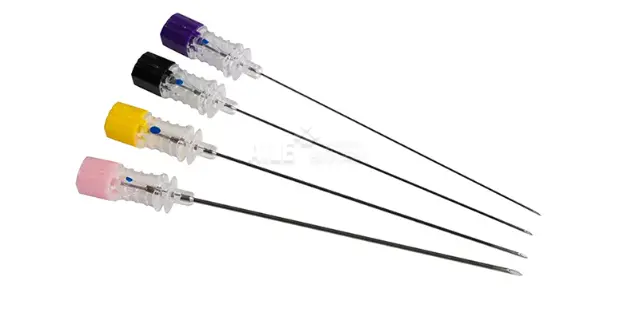
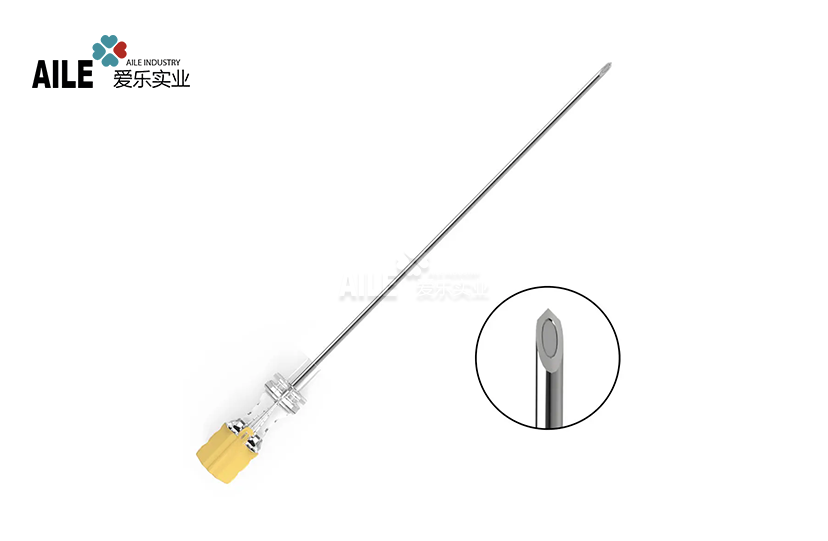
The tech behind pencil-point spinal needles is a big step forward in making medical instruments that don't hurt people. These tools have a carefully shaped, non-cutting tip that separates tissue instead of cutting through it. This is very different from regular Quincke needles, which have sharp, serrated edges. In practical terms, this difference is important because the rounded shape protects the dura mater's internal integrity, making it easier for puncture sites to close up after the needle is removed.
The Anatomical Advantages of Non-Cutting Geometry
Whether the conical tip is designed using Whitacre or Sprotte principles, it gives a unique tactile feedback during entry, giving doctors the well-known "pop" sound when it penetrates the dura. This proprioceptive signal helps with exact subarachnoid placement, which lowers the risk of having to try more than once and the problems that come with that. According to research, wound sites caused by pencil-point spinal needle shapes are less likely to become inflamed than those caused by cutting shapes.
Gauge Selection and Clinical Performance
With gauge values from 18G to 27G, you can make changes based on the needs of the procedure. Larger gauges (18–22G) make it easier to collect cerebrospinal fluid more quickly for testing reasons. On the other hand, smaller gauges (24–27G) greatly reduce the number of headaches that happen during mobile surgery and labor and delivery. The normal length of the AVACARE Pencil-point spinal needle is 90 mm, and the sizes range from 18G to 27G. The needle is made from medical-grade PVC and stainless steel to meet a variety of clinical needs. The ultra-clear hub design lets you see CSF flashback right away, which speeds up the procedure and boosts your faith in the placement.
Material Science and Structural Integrity
The construction materials have a direct effect on how well the needle works. High-tensile 304 medical-grade stainless steel is stiff enough to get around hardened muscles in older patients while still being flexible enough to avoid damaging tissues. The smooth surface of the cannula makes it easier to enter, and the polished side port makes sure that the anesthetic is spread evenly throughout the subarachnoid space. All of these technical factors work together to lower the chance of nerve tissue damage while keeping the structure strong in high-pressure areas like the spine.
Key Factors to Consider When Choosing a Pencil-Point Spinal Needle
When making a procurement choice, you need to carefully look at a number of interdependent variables that affect the long-term worth and clinical usefulness of the item. In addition to the initial unit price, the total cost of ownership includes things like the number of complications, how satisfied patients are with the treatment, how much staff training is needed, and how much it costs to follow all the rules.
Clinical Safety Profiles and Patient Outcomes
Compared to cutting options, clinical evidence regularly shows that pencil-point spinal needles greatly lower the number of headaches that happen after a spinal puncture. Studies with pregnant women show that the rate of PDPH drops from about 5–10 percent with Quincke needles to less than 2 percent with pencil-point designs of the same size. This drop directly leads to fewer unplanned hospital stays, less painkiller use, and better bonding between mother and child after cesarean birth. The design that doesn't cut is also good for older orthopedic patients getting hip replacements, because the better tactile feedback helps anesthesiologists better manage the complicated spine anatomy.
Regulatory Compliance and Quality Certifications
When buying medical devices, strict checks must be made to make sure they are approved by regulators and that quality control rules are followed. As a minimum standard for responsible sourcing, products must meet established approval guidelines such as FDA clearance, CE marking, and ISO 13485 quality system compliance. The AVACARE brand has both CE and ISO 13485 approvals, which show that it is committed to quality standards that are known around the world. These qualifications give proof of consistent manufacturing, batch tracking, and product safety records that are needed for academic quality checks. Purchasing managers should make sure that sellers have up-to-date certifications and can provide a lot of detailed information, such as records of biocompatibility testing, sterilization validation, and design verification.
Brand Reliability and Supplier Capabilities
Leaders in the industry, like BD, Pajunk, and Covidien, have long histories of success. However, new companies with strong quality systems can often offer better deals. To figure out how reliable a provider is, you have to look at their production capacity, how resilient their supply chain is, how well they can handle emergency deliveries, and their technical support infrastructure. Long-term partnerships work best when suppliers can quickly fill pressing orders, offer customization options for private labeling and localized packing, and provide clinical training materials like instructional videos and paperwork in multiple languages.
Evaluating Market Options: From Price to Procurement Logistics
Strategic buying weighs short-term cost concerns against the need for long-term operating security and clinical performance. Knowing how markets work helps buyers choose between choices like working directly with manufacturers or forming partnerships with distributors.
Pricing Dynamics and Volume Considerations
Unit prices change a lot depending on how much you order, and buying in bulk usually saves you 15–30% on the cost compared to buying in small lots. The AVACARE brand has a minimum order number of 5,000 pieces. This makes it ideal for business buyers who want to get the best price per unit while keeping enough inventory on hand for every three to six months. This level is big enough to fit mid-sized surgical centers and area hospital networks without making storage too hard. To compare supplier offers, people in charge of buying things should add up all the landed costs, which include shipping, customs taxes, and the cost of keeping goods.
Supplier Channel Assessment
Working directly with OEM makers has benefits, such as the ability to make changes and get expert help, and it might also lead to lower prices. As an OEM and custom branding partner, AVACARE helps marketers and medical device importers create private-label product lines that fit with how they plan to place their products in the market. Regional distributors who want to set their products apart while keeping quality high through approved production partnerships will find this feature very useful. Alternative routes through well-known medical device distributors offer perks like consolidated shipping, a wider range of products, and well-established logistics networks, but the cost per unit may be higher.

Logistics and Supply Continuity
Production lead times are important planning factors for procurement managers who are in charge of keeping supply chains running smoothly. AVACARE goods usually take 30 to 45 days to make, so you need to order them ahead of time to make sure they fit with models that predict demand. Buyers should set safety stock levels that take into account changing demand and lead times, especially for high-volume uses like maternal anesthesia services. Different institutional buying policies and risk management choices can be met with different payment terms, such as letter of credit and telegraphic transfer. Samples make it possible to do clinical testing before placing big orders, which lowers the risk of buying and makes it easier for internal stakeholders to agree with the decision.
Making the Decision: Criteria and Personalized Matching
Systematic evaluation frameworks that are in line with institutional goals and clinical needs are needed to turn technical specifications and market choices into procurement decisions that can be put into action. For buyers of pencil-point spinal needles, structured evaluation ensures consistent clinical performance and procurement efficiency.
Defining Institutional Requirements
To be successful with procurement, you must first do a complete needs assessment that includes expected usage numbers, procedure fields, patient demographics, and current clinical practices. High-volume maternity services use finer-gauge needles (25–27G) more often to reduce the number of PDPH cases in young women, who are more likely to get headaches. For orthopedic and senior surgery programs, mid-range gauges (22–24G) may be needed to find the best balance between safety and ease of entry through calcified joints. For diagnostic purposes, like collecting cerebrospinal fluid for testing in the lab, bigger sizes (18–20G) might be necessary when getting a sample quickly is more important than avoiding headaches.
Certification and Documentation Priorities
Quality compliance officers have to make sure that product certifications are in line with the rules and standards for school accreditation. Class III medical devices are the most dangerous and need a lot of paperwork, like design history files, risk analysis records, clinical evaluation reports, and data from after the device has been sold. With ISO 13485 approval, makers can be sure that their quality management systems are set up to make medical devices. These systems cover things like design controls, process validation, supply management, and methods for corrective action. These certifications give basic peace of mind that goods meet the safety and effectiveness standards needed for professional use.
Balancing Cost and Quality Considerations
When buying something, budget limits are a valid concern, but lowering costs should never come at the expense of patient safety or clinical success. To find the real worth, you have to include the costs of complications, such as the cost of PDPH treatment, longer hospital stays, and the chance of being sued. A needle that costs 20% less but causes twice as many headaches raises the total cost of care by a large amount. The best thing that procurement professionals can do for their institutions is to give thorough value studies to clinical partners. This helps them make decisions that balance short-term budget needs with long-term quality requirements and patient result goals.
Ensuring Safe and Effective Use of Pencil Point Spinal Needles
Choosing the right product is only one part of a good practice implementation. Safe use depends on using the right method, having skilled staff, and having strong support systems from factory partners.
Insertion Technique and Best Practices
Because pencil-point spinal needles have side ports instead of end-hole cutting ports, they need to be inserted in a certain way. To separate the tissue as much as possible while causing as little damage as possible, doctors should move the needle forward with the tip lining up with the longitudinal dural fibers. The unique tactile input, which is often described as a "give" or "click" feeling, tells the doctor that the needle has penetrated the dura mater, so the progress must stop before it reaches the ventral subarachnoid space. Watching the CSF flashback through the clear hub makes sure the device is in the right place before medicine is given. The AVACARE pencil-point spinal needle hub design makes this confirmation faster, which cuts down on process time and boosts placement trust even in tough clinical situations.
Risk Mitigation Through Design Features
Besides lowering PDPH, pencil-point form also reduces a number of routine issues. The polished lateral port makes sure that the medicine spreads evenly throughout the subarachnoid space instead of providing large amounts at once, which could lead to uneven numbness or nerve irritation in one area. The atraumatic tip lowers the chance of a spinal hematoma forming in people with coagulopathies or who are taking antiplatelet treatment, but the usual warnings still apply. Eco-friendly materials reduce their effect on the environment without affecting clinical performance. This is in line with the fact that healthcare institutions are putting more emphasis on sustainability efforts.
Technical Support and Training Resources
Education given by the supplier has a big effect on practical adoption and the best way to use the product. Support should include examples of insertion techniques, methods for dealing with complications, and fixing advice for difficult anatomical situations. Documentation that is available in more than one language helps the varied clinical teams that are common in foreign healthcare settings. Quick technology help, ideally available 24 hours a day, seven days a week, quickly answers important clinical questions and product concerns. AVACARE is dedicated to providing full-lifecycle support, which means that procurement partners get more than just products. They also get professional training, quick customer service, and strong supply chain assurance, all of which boost institutional confidence and clinical success rates.
Conclusion
When choosing the right pencil-point spinal needles, you have to think about how well they work clinically, how much they cost, and how reliable the seller is. The non-cutting design greatly lowers the number of headaches that happen after a spinal puncture and provides better tactile feedback for correct placement in a wide range of patient groups. To find solutions that meet the needs of the organization, procurement professionals need to carefully look at gauge choices, certification qualifications, pricing structures, and suppliers' abilities. By knowing about production wait times, minimum order amounts, and customization options, you can build smart sourcing relationships that keep your supply going without lowering quality standards. In the end, good buying choices include clinical input, quality compliance checks, and financial analysis to get the best results for patients while staying within the budget of healthcare organizations of all sizes, from surgery centers to global hospital networks.
FAQ
What makes pencil-point needles safer than cutting-tip designs?
The rounded, non-cutting tip splits dural fibers instead of cutting them, which helps puncture sites heal better after the needle is taken out. Compared to equivalent-gauge Quincke needles, this method cuts down on cerebrospinal fluid leaks and the number of headaches that happen after a spinal puncture by 60–80%. The atraumatic form lowers the chance of both epidural hematomas and nerve tissue damage.
How do I verify regulatory compliance for spinal needles?
Ask for up-to-date certification paperwork, like FDA clearance letters or CE certificates of conformity, ISO 13485 registration certificates, and technical files that show the product meets standards like ISO 7864 for clean syringe needles. Reliable sellers make this paperwork easy to find and keep up-to-date records that can be used for quality checks by institutions.
Can pencil-point needles accommodate all anesthesia procedures?
These needles work great for subarachnoid anesthesia, but they aren't made to place an epidural catheter, which needs a different type of needle geometry. They work great for spinal anesthesia in obstetric, orthopedic, urinary, and lower-limb procedures. They are also great for diagnostic lumbar punctures to collect cerebrospinal fluid and check pressure.
Partner with AVACARE for Reliable Spinal Needle Solutions
Since 2014, AVACARE has been known as a reliable company that makes pencil-point spinal needles for hospitals and clinics around the world. Our Class III medical products are certified by CE and ISO 13485 and are made in 100,000-level clean rooms that cover 12,000 square meters. At every stage of production, they are subject to strict quality controls. We help with samples so that clinical testing can be done before committing to big quantities. We also offer custom branding for distributors who are building private-label portfolios and flexible payment terms, such as L/C and T/T choices, to accommodate different procurement policies. Our 30- to 45-day production wait times and 5,000-piece minimum sales make it easy for mid-sized and regional healthcare networks to get what they need quickly. Email our procurement experts at admin@aileindus.com to talk about your institution's needs, get detailed specs, or find the best price on your next order. We don't just sell goods; we also build relationships with them that include technical training, live help 24 hours a day, and a reliable supply chain that healthcare procurement workers count on to keep clinical operations running smoothly.

References
1. Lambert DH, Hurley RJ. "Cauda Equina Syndrome and Continuous Spinal Anesthesia." Anesthesia & Analgesia, 1991, vol. 72, pp. 817-819.
2. Turnbull DK, Shepherd DB. "Post-Dural Puncture Headache: Pathogenesis, Prevention, and Treatment." British Journal of Anaesthesia, 2003, vol. 91, no. 5, pp. 718-729.
3. Vallejo MC, Mandell GL, Sabo DP, Ramanathan S. "Postdural Puncture Headache: A Randomized Comparison of Five Spinal Needles in Obstetric Patients." Anesthesia & Analgesia, 2000, vol. 91, pp. 916-920.
4. International Organization for Standardization. "ISO 7864:2016 Sterile Hypodermic Needles for Single Use." Geneva: ISO Standards, 2016.
5. Richman JM, Joe EM, Cohen SR, et al. "Bevel Direction and Postdural Puncture Headache: A Meta-Analysis." Neurologist, 2006, vol. 12, no. 4, pp. 224-228.
6. American Society of Anesthesiologists Task Force. "Practice Guidelines for Obstetric Anesthesia: An Updated Report." Anesthesiology, 2016, vol. 124, no. 2, pp. 270-300.


_1784699500770.webp)
_1782811410038.webp)