What is included in an epidural anaesthesia kit?
Introduction
Epidural anesthesia is very important for controlling pain during surgeries, births, and other medical treatments because it works very well and targets the pain. For procurement workers, knowing what epidural anesthesia kits are made of and how they work is important for making smart buying choices that put safety, quality, and cost-effectiveness first. The blog aims to provide a thorough summary for global B2B clients, making it clear what an epidural anesthesia kit comprises and giving useful advice on how to choose and obtain these kits to meet various clinical needs.
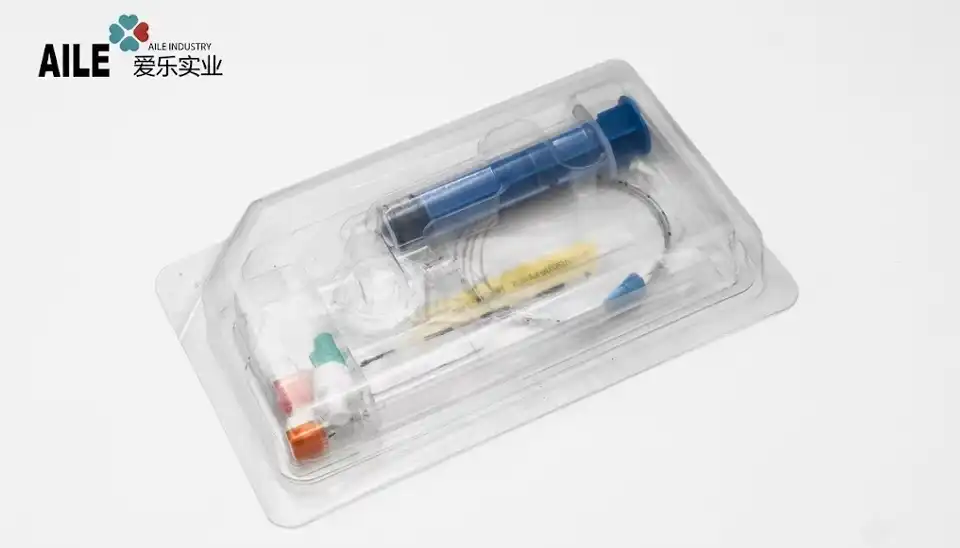
An epidural anesthesia kit is a specialized, germ-free medical procedure set made for putting regional anesthesia and painkillers into the spinal area. It usually comes with a Loss of Resistance (LOR) syringe, a bacterial filter, a Tuohy needle, an epidural tube with connection, and different tools for preparing the skin and fixing the needle. By offering a pre-tested, unified system, it gets rid of incompatible parts and shortens the time needed to get ready in emergency obstetric or surgery settings. It also addresses major pain points like accidental dural puncture and catheter movement during long infusions.
Understanding the Epidural Anesthesia Kit: Components and Their Functions
An epidural anesthesia kit is made up of several important parts that are meant to work together smoothly so that the anesthesia is delivered safely, sterilely, and effectively. Each part has been carefully designed to meet specific clinical needs while upholding the greatest standards of safety for patients and accuracy in procedures.
Core Components of the Kit
The main access tool is the Tuohy needle, which is usually found in sizes from 15G to 18G. AVACARE has high-quality 304 stainless steel needles in sizes 15G, 16G, 17G, and 18G, which make sure they last and are inserted correctly. The curved tip makes it easier to redirect the catheter, and the high-visibility depth marks help with correct placement. The catheter has a soft, non-abrasive tip with clear radiopaque lines that make it easy to see on an X-ray. This makes it less likely that tissue will be damaged during placement.
The Loss of Resistance syringe lets doctors find the epidural space using either air or saline. It does this by giving doctors physical feedback that is very important for placing the needle correctly. With pores that stay at a size of 0.22 μm, the bacterial filter gets rid of microbes and other particles during constant injection. This is especially important for long-term pain management plans after surgery.
Sterility and Safety Features
Each part of the kit comes separately sealed in a hard blister pack, which keeps it sterile while it's being shipped and stored. The 12,000-square-meter production base at AVACARE has 100,000-level clean rooms that make sure that every kit meets the strict ISO 13485 quality control standards. The built-in compatibility design gets rid of the chance of mismatched connections happening during important processes. This directly addresses buying worries about component interoperability and lowers the risk of procedure complications.
Single-Use Design Advantages
Today's epidural kits tend to be single-use, throwaway ones because they are much less likely to spread germs than reused ones. This method fits with how infection control is handled in surgical centers and intensive care units, where buying choices are based on a "zero tolerance" policy for quality events. The 10x10x5 cm single package size makes storage easier in hospital settings, and the 100,000-piece-per-week supply capacity makes sure that high-volume healthcare institutions can keep their inventory levels steady without having to worry about supply gaps.
How to Use an Epidural Anesthesia Kit: Step-by-Step Procedure and Safety Guidelines
From a purchasing point of view, knowing how the professional process works helps figure out how much epidural kits are worth. The usual process includes getting the patient ready, keeping the area clean, inserting the needle or catheter precisely, giving the drug under control, and then checking to see if it worked and was safe.
Patient Preparation and Positioning
The process starts with putting the patient in the right position. Usually, the patient is sitting or lying on their side, which makes it easier to reach the lower back. The clinical staff cleans the site of the injection with antiseptic solutions that come in the kit and sets up a sterile field with covers to lower the risk of infection. This is the first step that sets the stage for a successful epidural placement. It also shows why busy surgery centers prefer complete kits that come with all the necessary preparation materials.
Needle Insertion and Catheter Placement
The doctor moves the Tuohy needle through the skin, subcutaneous tissue, and tendons using the loss of resistance method until it reaches the epidural space. A well-designed kit cuts down on planning time by a large amount because it works more efficiently in the clinic. All the tools you need are in one clean tray in AVACARE's kits. This reduces the chance of cross-contamination and speeds up the process in emergency obstetric or surgery settings where time is of the essence.
Once the epidural space is known, the catheter is put through the needle and moved to the right level using the radiopaque lines to help. The needle is then carefully pulled out, leaving the tube in place and fastened with fixation devices that come with the kit. This unified method makes sure that no extra parts need to be bought separately, which makes purchasing easier and managing supplies easier.
Safety Monitoring and Post-Procedure Care
During the process, it is very important to follow strict safety rules. Neuraxial infections can be avoided by keeping everything completely clean, and unexpected dural puncture can be avoided by using careful techniques. Post-procedure monitoring includes checking the amount and effectiveness of painkillers, keeping an eye on vital signs, and keeping an eye out for possible problems like a catheter moving or a spinal hematoma forming. When buying things, these safety concerns should be taken into account, because kits that support clinical best practices through careful design lower procedure-related complications and improve patient results in the long run.
Comparing Epidural Anesthesia Kits: Choosing the Best Kit for Your Facility
To choose the best epidural anesthesia kit, you have to find a balance between the number of items included, the quality of the products, and the need to meet cleanliness standards. In different healthcare situations, the cost-effectiveness and infection control rules are affected by the differences between disposable and reusable choices.
Material Quality and Biocompatibility
When it comes to technology, a good kit is made with careful engineering and biocompatibility in mind. AVACARE uses 304 stainless steel for its needles so that they last as long as possible and don't rust. Medical-grade polyurethane or PEBAX is used for the catheters so that they are flexible but don't kink. All of the parts don't contain DEHP or latex and passed strict ISO 10993 biocompatibility testing, which meets the high standards of quality and safety officers who check seller certifications.
Disposable Versus Reusable Systems
Nowadays, most people choose to buy disposable epidural kits because they are better at preventing infections and don't require any extra cleaning. At first glance, reused systems may seem like a good deal, but the hidden costs of sterilization, quality control, and possible risk from not reprocessing properly often make them more expensive per unit than throwaway kits. Facilities that put patient safety and supply chain efficiency first are increasingly choosing single-use designs that get rid of all of these factors.
Brand Comparisons and Market Positioning
Leading names in the epidural kit market, like BD, Smiths Medical, B Braun, and Teleflex, each offer special features, such as different types of filters and their own designs for catheters. AVACARE comes into this market with clear advantages: it can customize products for both OEM and ODM customers, it has a low minimum order quantity of 5,000 pieces, and it offers sample support so that customers can test it in the clinic before buying a lot of it. The company has seven national patents, which shows that its research and development (R&D) team is dedicated to making new products that meet real-world healthcare needs.
Price Versus Quality Dynamics
If procurement managers want to cut costs without sacrificing safety, they should look at the total cost of ownership instead of just the unit price. Long-term value is affected by things like a stable supply chain, help with deliveries in a disaster, and thorough professional training. AVACARE's strong supply chain guarantee and 24-hour quick response system give procurement teams peace of mind that pressing orders will be met even when demand spikes unexpectedly. This is especially important for hospitals and surgical centers that can't have supply interruptions.

Procurement Insights: How to Buy Epidural Anaesthesia Kits Efficiently
Getting things from reliable suppliers and knowing how the market prices things and how to send them are important for efficient procurement. This part tells business-to-business buyers about reliable ways to get epidural anesthesia kits and the best ways to compare makers and sellers.
Identifying Reputable Suppliers
When you deal directly with makers, you can see the whole supply line and often get the best deals on large orders. Procurement officers should check foreign standards like ISO 13485, CE, and FDA compliance when looking at possible sellers. AVACARE's classification as a Class II tool and wide range of certifications show that they follow global regulatory standards. This makes it easier for foreign buyers to do compliance reviews.
Evaluating Supplier Capabilities
A supplier's production capacity has a direct effect on the stability of the supply, even if the product is certified. When a manufacturer can make 100,000 pieces per week, even big hospital networks or buying groups with multiple facilities can be sure of regular supply times. Geography is also important. Suppliers with well-established global logistics networks and transport insurance choices lower the risks of delays or damage during travel in international shipping.
Negotiating Bulk Orders and Customization
Different suppliers have different minimum order amounts. For example, AVACARE's 5,000-piece limit is low enough that it can be used by mid-sized hospital networks and wholesalers while still being appealing to bigger institutional buyers. Customization of packaging, language localization for multilingual manuals, and private labeling are all possible with OEM and ODM services. This is especially helpful for medical device distributors who sell to a wide range of customers or global healthcare aid organizations that send kits to many countries.
Cost-Benefit Analysis Framework
To do good buying, you need to look at more than just the unit cost. You need to look at the whole value offer. Technical training programs, product guides in multiple languages, demo videos, and support after delivery are all things that help with clinical acceptance. The hidden costs of working with suppliers who offer lower prices but poor service infrastructure are cut down by AVACARE's full-lifecycle support model, which includes professional expert advice and quick responses to quality issues. Batch tracking systems make sure that quality problems can be quickly found and fixed, which protects both patient safety and the institution's image.
Conclusion
Epidural anesthesia kits are an important part of modern pain control methods for surgeries, labor and delivery, and long-term pain. When choosing sources for these important medical supplies, procurement professionals have to weigh the quality of the parts, the supplier's dependability, the total cost of ownership, and the supplier's compliance with regulations. AVACARE's all-around approach—which includes 304 stainless steel construction, built-in compatibility for components, customizable options, and strong supply chain capabilities—meets the main needs of healthcare institutions, medical device distributors, and international groups looking for reliable partners. As healthcare systems around the world put more emphasis on both clinical results and operational efficiency, it becomes more important to choose providers that can show knowledge, quality assurance, and responsive service to protect patient safety and make the best use of resources.
FAQ
What are the main advantages of using pre-packaged epidural anesthesia kits?
With pre-packaged kits, you don't have to spend time getting different parts from different places. In busy clinical settings, this can cut preparation time by up to 40%. Integrated compatibility makes sure that all the parts work together without any problems, so there are no link problems that could put patients at risk. Sterile packaging keeps the integrity of the product throughout the supply chain, and including all the necessary tools makes it easier for hospital buying teams to keep track of their inventory.
How do disposable kits compare to reusable systems in terms of safety?
Cross-contamination risks are greatly reduced by disposable epidural kits, which do not have the reprocessing factors that come with reuse systems. Each kit is delivered germ-free and is thrown away after only one use, so there are no worries about not being germ-free enough or parts breaking down after multiple cleaning rounds. This method follows good practices for preventing infections and lowers the risk of lawsuits that hospitals and other medical facilities face when they clean important neuraxial equipment again.
Can epidural anesthesia kits be customized for specific clinical protocols?
AVACARE provides full OEM and ODM services that let customers choose their own parts, create their own packaging, and have product instructions translated into different languages. Healthcare organizations that follow strict clinical standards can work directly with the R&D team to create custom solutions that meet their specific needs. Sample support lets people test the kits in a hospital setting before placing big orders. This makes sure that the customized kits work as planned in real-life situations.
Partner with AVACARE for Reliable Epidural Anesthesia Kit Supply
AVACARE is ready to help you with your purchasing needs by providing you with high-quality epidural anesthesia kits that are both clinically excellent and reliable in the supply chain. We have been making epidural anesthesia kits since 2014 and have ten years of experience making medical supplies. Our ISO 13485 certification and seven national patents show that we are committed to innovation. Our 100,000-level clean rooms and 12,000-square-meter production center make sure that the quality of every batch is the same. Whether you need standard setups or OEM solutions that are tailored to your needs with private labeling, our team can help you with all of your technical questions and get back to you quickly. Email us at admin@aileindus.com right now to talk about your unique needs, ask for samples, or get cheap quotes for large orders. Let us help you get a steady supply of high-quality spinal anesthesia options that meet the strict requirements of your institution.
References
1. Miller, R.D., Eriksson, L.I., Fleisher, L.A., Wiener-Kronish, J.P., and Young, W.L. (2015). Miller's Anesthesia, 8th Edition. Philadelphia: Elsevier Saunders.
2. Hadzic, A. (2017). Hadzic's Textbook of Regional Anesthesia and Acute Pain Management, 2nd Edition. New York: McGraw-Hill Education.
3. Cousins, M.J., Carr, D.B., Horlocker, T.T., and Bridenbaugh, P.O. (2009). Cousins and Bridenbaugh's Neural Blockade in Clinical Anesthesia and Pain Medicine, 4th Edition. Philadelphia: Lippincott Williams & Wilkins.
4. International Organization for Standardization (2016). ISO 13485:2016 Medical Devices – Quality Management Systems – Requirements for Regulatory Purposes. Geneva: ISO.
5. American Society of Anesthesiologists Task Force on Obstetric Anesthesia (2016). Practice Guidelines for Obstetric Anesthesia: An Updated Report. Anesthesiology, 124(2), 270-300.
6. Rathmell, J.P., and Neal, J.M. (2012). Complications in Regional Anesthesia and Pain Medicine, 2nd Edition. Philadelphia: Elsevier Saunders.

_1782811410038.webp)