BLOG List
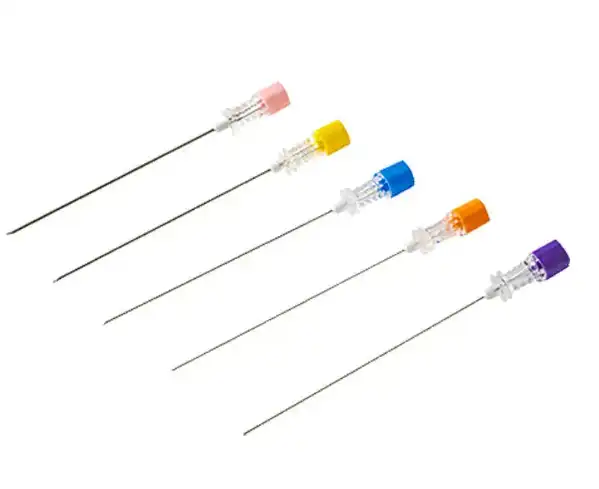
Preventing catheter shearing during epidural procedures requires strict adherence to safety protocols that protect both patient outcomes and institutional reputations. Catheter shearing—the unintended cutting or fragmentation of the catheter during insertion or withdrawal—represents a preventable complication when clinicians select appropriate epidural needles and follow evidence-based techniques. The curved Tuohy tip design, engineered specifically to deflect catheters safely away from delicate dural structures, plays a foundational role in minimizing this risk. Understanding the mechanical interactions between needle geometry, catheter materials, and insertion technique empowers procurement teams and clinical leaders to make informed decisions that safeguard patient safety while optimizing procedural efficiency.
Understanding Catheter Shearing and Its Impact
What Is Catheter Shearing?
Catheter tearing happens when the epidural catheter gets cut or broken while being put in or taken out. This usually happens because the catheter is pulled out through the needle instead of being taken out as a whole. This mechanical failure can leave catheter fragments in the epidural space, which can lead to serious problems like infection, nerve damage, and the need for surgery to remove the catheter. This usually happens for three main reasons: the type of needle not working well with the catheter material, the user not having enough experience, and going against set safety rules during the procedure.
Clinical and Financial Consequences
When catheter tearing happens, it has effects that go beyond the operating room. Patients are more likely to have inflammatory reactions, epidural abscesses, and long-lasting pain, and healthcare centers have to deal with legal issues, longer hospital stays, and damage to their image. From the point of view of the supply chain, shearing accidents usually lead to full accident reviews that look closely at the quality of the equipment, the certifications of the suppliers, and the buying processes. Because these reviews can hurt long-term relationships with vendors and cause important supplies to be delivered later than planned, it is important to find ways to stop them happening in order to keep operations running smoothly and keep costs down.
Root Causes in Procurement and Practice
If medical-grade PVC or polyurethane catheters and stainless steel epidural needles are not made of the same material, they can rub against each other and weaken the catheter. To keep mechanical stress from happening during threading, needle gauges from 15G to 18G must be perfectly matched to the catheter's specifications. If procurement managers know about these technical needs, they can work with providers that offer validated needle-catheter systems. This will cut down on variation and improve safety in a wide range of hospital settings.
Epidural Needle Selection: A Key Factor in Preventing Catheter Shearing
Needle Design and Catheter Compatibility
For epidural access, the Tuohy needle with its bent blunt tip is the gold standard. This is because its shape deflects the catheter horizontally during progress, keeping it away from the dura mater. Instead of cutting through tissue like sharp spinal needles do, the Tuohy configuration moves structures out of the way, which lowers the risk of unplanned dural punctures and makes it easier to place the catheter. Different designs, like Crawford and pencil-point needles, have different tip geometries, but the Tuohy is still the most popular because it gives consistent tactile feedback and works with standard epidural catheters. When procurement teams look at needle choices, they should prioritize goods with high-contrast graduation marks that let doctors correctly check the insertion depth. This feature is directly linked to fewer shearing incidents.
Material Science and Engineering Innovations
Modern epidural needles are made of medical-grade stainless steel metals that are designed to be hard and flexible at the same time. This engineering precision is shown by the AVACARE epidural needle, which is made from medical-grade PVC and stainless steel and comes in gauges from 15G to 18G with lengths of 80mm and 90mm. Its Tuohy curve tip design bends catheters in a predictable way, and clear depth marks help with accurate placement. This Class III medical device is certified to CE and ISO 13485 standards and goes through strict biocompatibility testing to make sure it doesn't contain any DEHP or rubber. This meets the high safety standards of current anesthesia practice.
Matching Clinical Scenarios to Product Specifications
In order to provide pain relief during labor, obstetricians need needles that can keep the catheter in place for a long time without moving. For post-operative pain management after thoracic or abdominal surgeries, ultrasound-visible marks are needed for precise direction. The decision of whether to use reusable or disposable systems depends on how well the institution can sterilize them, how they handle infections, and how much they cost. For surgical centers that do a lot of surgeries, disposable systems are better because they don't have to worry about reprocessing risks and variations. On the other hand, facilities with strong central sterile departments might like reusable options. AVACARE provides private labeling and custom labeling services, which let healthcare systems standardize their epidural programs with branded, traceable goods that are in line with their own quality assurance systems.
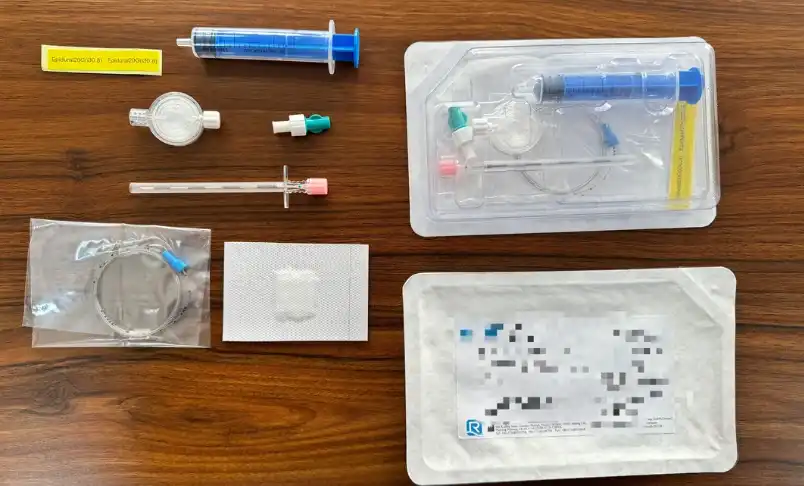
Best Practices and Safety Rules for Backing Up an Epidural CatheterStep-by-Step Insertion Technique
The right way to place an epidural needle starts with putting the patient to create room between the vertebrae. Next, anatomical features must be carefully identified. Using the loss-of-resistance method, doctors move the needle forward and feel for the unique change in pressure that means the needle has entered the epidural area. To avoid looping and kinking, the catheter should not be threaded more than 4 to 6 cm past the tip of the needle. During advancement, keeping a gentle, steady pressure on the catheter stops sudden movements that could tear it against the inside of the needle.
The Critical Rule: Never Withdraw the Catheter Through the Needle
The most important safety rule to keep the catheter from tearing is simple, but often broken because of time constraints: never pull the catheter back through the hustead needle after any part of it has been advanced. The sharp edge on the needle makes it easy to cut the catheter when it is being withdrawn, leaving pieces that get stuck in the body. When adjusting is needed, the right way to do it is to take out both the needle and the catheter as a single unit and then start the placing process all over again. This rule is always true, no matter how far the catheter has been advanced or how urgent the situation seems.
Common Operator Errors and Training Solutions
When the needle path and the direction of catheter progress are not lined up correctly, there is too much friction, which weakens the walls of the catheter. Ignoring feeling reluctance while threading is often a sign that the catheter is breaking or that the needle is not in the right place. When you use too much force to get past what you think is resistance, you always end up damaging the catheter instead of placing it correctly. These mistakes happen much less often when there are thorough training programs with hands-on simulations, video demos, and controlled clinical practice. Suppliers who offer instructional manuals in multiple languages, demo products for training labs, and technical support during the initial stages of implementation make procurement partnerships more valuable.
Comparing Epidural Needle Solutions for Catheter Safety and Procurement Efficiency
Certification Standards and Quality Assurance
In order to do business in the United States, healthcare facilities need suppliers who have FDA clearance, CE marking, and ISO 13485 certification for quality management systems. These licenses show that the company followed the rules for design controls, risk management, and post-market monitoring that keep patients safe and regulators happy. With its dual CE and ISO 13485 certifications and seven national patents, AVACARE shows procurement managers that it can make high-quality products and come up with new ideas. Individual blister packaging that allows group tracking helps with incidents and recalls, which is good for healthcare buyers who don't like taking risks because they have a zero-tolerance policy for quality fails.
Performance Metrics That Matter
For comparative reviews, the epidural needle tip shape should be the same across production lots, the catheter insertion force should be measured, and the rate of shearing incidents should be found in monitoring data collected after the product has been sold. When compared to alternatives that aren't regularly made, Tuohy needles with perfectly machined curves have lower rates of catheter damage. Clinicians can find small changes in resistance that show differences in anatomy or problems with the catheter before they cause damage because high-end devices have excellent tactile feedback built in. These differences in performance directly lead to fewer complications, shorter procedure times, and higher patient happiness numbers, all of which affect how much a hospital gets paid under value-based care plans.
Total Cost of Ownership Analysis
When buying something, unit prices are what drive the initial decision, but when you figure out the total cost, you have to include things like the cost of management, the cost of training staff, and the reliability of the supply chain. A premium needle that costs 15% more than cheaper alternatives might save you money in the long run if it cuts down on shearing accidents and eliminates the need for expensive surgical retrieval procedures. AVACARE has a low minimum order quantity of 5,000 pieces and offers flexible payment terms (L/C and T/T). This makes it easy for both large hospital systems to plan annual contracts and distributors to keep track of regional inventory. Samples are available so that validation testing can be done before large promises are made. This lowers the risk of buying and speeds up the time it takes to qualify vendors.
Procurement Guidance: How to Source High-Quality Epidural Needles Safely and Efficiently?
Supplier Evaluation Framework
Professionals in charge of buying things should come up with approval standards that look at things like the standards of the manufacturing site, how well it follows the rules, and how mature the quality system is. Site audits that show environments with a cleanliness level of 100,000, sterilization processes that have been tested, and written complaint handling procedures show that providers can meet corporate healthcare standards. AVACARE's 12,000-square-meter production base with separate clean rooms shows the kind of infrastructure investment that is needed to make sure that epidural needles are consistently made. The company's research and development (R&D) team is led by experts in the field who focus on material science and clinical application integration. They make sure that product development is based on what users actually need, not just on theoretical requirements.

Strategic Sampling and Validation Testing
Before agreeing to big orders, procurement teams should ask for, for example, samples to be sent for clinical testing and biocompatibility checks. As part of the testing process, the needle tip geometry should be looked at under a microscope, the catheter threading should be checked for smoothness after multiple insertion cycles, and the packaging should be checked for damage after simulated transportation stress. Clinical staff feedback on how something feels to the touch, how easy it is to see depth markings, and how it handles in general gives useful information that goes beyond technical specs. AVACARE's willingness to give samples backs up buying decisions that are based on facts and make sure that the performance of the product meets institutional standards.
Building Long-Term Partnerships
For sustainable procurement to work, ties with suppliers need to include more than just buying things. They also need to be able to work together on technical issues, help out in emergencies, and work on ongoing growth. Vendors that offer 24-hour quick response systems, expert help in multiple languages, and full after-sales service show that they care about their customers' success. Customizing packaging, labeling languages, and product configurations for OEM/ODM uses is useful for healthcare systems that want to standardise operations across multiple sites. Checking providers' global logistics skills, transport insurance, and emergency delivery procedures makes sure the supply chain can handle sudden increases in demand or problems that come up out of the blue.
Conclusion
To stop catheter shearing, you need to pay attention to the product you choose, your technical training, and the way you do things. The evidence shows that this avoidable problem is almost completely eliminated when high-quality medical-grade catheters are used with properly designed epidural needles that have Tuohy tip geometry. When buying goods, putting approved sellers with full support services at the top of the list leads to better results than buying things based only on unit costs. Healthcare organizations that want to improve both patient safety and operational efficiency should work with manufacturers that show they follow the rules, have a mature quality system, and are dedicated to clinical innovation.
FAQ
What causes epidural catheter shearing during procedures?
Catheter shearing mostly happens when the catheter is pulled back through the needle after it has been advanced, letting the sharp edge of the needle cut the catheter material. Other reasons are needles and catheters not being made of the same material, using too much force when inserting them, and the operator not knowing the right way to do it.
How does needle design affect shearing risk?
Shearing is greatly reduced by the bent Tuohy tip design, which moves the catheter away from the sharp needle ends while it is being inserted. Needles with consistent tip geometry, smooth internal surfaces, and the right gauge-to-catheter size matching have lower rates of complications than alternatives that were not made well.
Can reusable epidural needles maintain safety standards?
When institutions follow reprocessing protocols that meet manufacturer specifications and regulatory requirements, reusable needles can stay safe. Disposable systems, on the other hand, don't have any reprocessing factors and always work the same way. This makes them the best choice for high-volume settings where infection control and tracking are very important.
Partner with AVACARE for Certified Epidural Needle Solutions
Healthcare procurement managers and medical device sellers looking for a reliable maker of epidural needles can look at AVACARE's full line of products with confidence. Our epidural needles come in sizes ranging from 15G to 18G and lengths of 80mm and 90mm. They have precise Tuohy curve tips that are designed to keep the catheter from tearing while giving you great physical feedback. These Class III devices are made in ISO 13485-certified factories using medical-grade PVC and stainless steel. They have the CE mark and seven national patents that protect their unique design improvements. We support flexible purchasing by requiring at least 5,000 pieces of an item, offering samples for quality checks, and providing custom labelling services that meet private labelling needs. Email our team at admin@aileindus.com to talk about the specific needs of your institution, get technical specifications, or set up sample shipments that demonstrate our commitment to quality and clinical performance.

References
1. Neal, J.M., Barrington, M.J., Fettiplace, M.R., et al. (2015). "The Third American Society of Regional Anesthesia and Pain Medicine Practice Advisory on Local Anesthetic Systemic Toxicity: Executive Summary." Regional Anesthesia and Pain Medicine, 40(3), 152-183.
2. Beilin, Y., Bernstein, H.H., & Zucker-Pinchoff, B. (1998). "The Optimal Distance That a Multiorifice Epidural Catheter Should Be Threaded into the Epidural Space." Anesthesia & Analgesia, 86(2), 301-303.
3. Collier, C.B. (1998). "Accidental Subdural Injection During Attempted Lumbar Epidural Block May Present as a Failed or Inadequate Block: Radiographic Evidence." Regional Anesthesia and Pain Medicine, 23(3), 303-308.
4. Holtz, D., Mollmann, M., & Ebel, C. (1997). "In Vitro Investigation of Epidural Catheters: Comparisons of Mechanical Resistance and Friction." Regional Anesthesia, 22(5), 425-432.
5. American Society of Anesthesiologists Task Force on Obstetric Anesthesia. (2016). "Practice Guidelines for Obstetric Anesthesia: An Updated Report." Anesthesiology, 124(2), 270-300.
6. Chadwick, V.L., Spashett, J., & MacLennan, K. (2019). "Neuraxial Anaesthesia: Equipment, Clinical Practice and Complications." BJA Education, 19(3), 78-85.
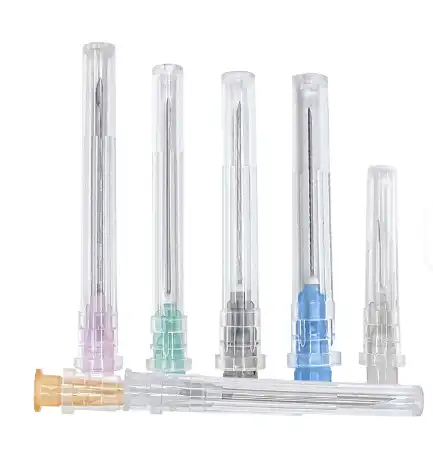
To choose the right hypodermic needle size, you need to know the gauge thickness, length needs, and needs for the specific application. The gauge number tells you how big the inside of the needle is; higher gauge numbers mean thinner needles. The length number tells you the right delivery level for injecting medicine into the muscle, skin, or vein. When these parameters are matched to the viscosity of the medication, the anatomy of the patient, and the clinical protocols, procedures are safer, patients are less likely to be uncomfortable, and the best therapeutic results happen. This guide gives people who work in procurement useful information for choosing needles that meet regulatory requirements and clinical performance standards.
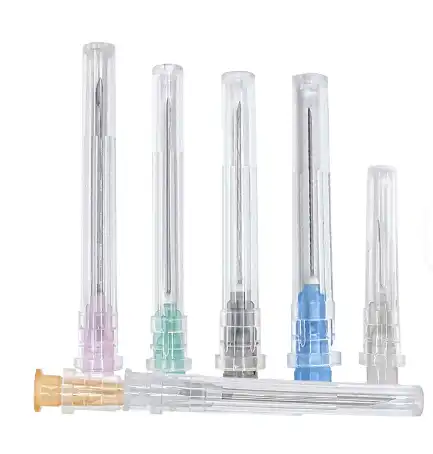
Understanding Hypodermic Needle Basics
The main job of a hypodermic needle is to cut tissue and make a clean path so that drugs can be delivered or fluid can be taken out. A needle has three main parts: the bevelled tip, which makes it easier to go through skin; the cannula, which is the hollow shaft that fluids flow through; and the hub, which can be attached to syringes firmly using either the Luer slip or Luer lock mechanism. Together, these parts keep the structure stable under stress and keep damage to a minimum.
Primary Needle Types and Their Applications
Needles with a sharp tip are still the standard for most injection treatments. The three-beveled shape doesn't cut, so it moves tissue around instead. This makes the pain and blood flow less. Blunt-tip needles are used to get medicines back into bottles without getting rubber particles in them. When used for subcutaneous delivery in diabetes care, specialty insulin needles are very short and have fine gauges. This is because repeated injections need to leave as few scars as possible and be as painless as possible.
Material Composition and Safety Innovations
AISI 304 or 316L stainless steel is generally very good quality. It is very strong, doesn't rust, and is safe for living things. No matter how many times it is sterilized, the medical-grade polyethylene hub doesn't break down. Modern safety features include devices that slide over the needle and cover it right away after use. This keeps people who work in healthcare from getting hurt by needles. ISO hubs are color-coded so it's easy to find what you need right away. This helps doctors avoid mistakes during stressful procedures. Every needle has a Sterility Assurance Level of 10-6 after being sterilized with EO gas. This is what the FDA and CE want for medical items that are only used once.

Comprehensive Guide to Needle Gauges and Lengths
Decoding the Gauge Scale
A 15G needle has a much bigger bore than a 31G needle because the names of the gauges are backwards. It is easier to quickly inject blood or thick medicines with larger-bore needles. On the other hand, finer gauge needles are better for injecting medicine under the skin or doing cosmetic treatments. When buying teams know about this link, they can make sure that their stock meets the needs of the process. The most usual size ranges for shots given into muscles are 18G to 22G, 23G to 25G for shots given under the skin, and 27G to 31G for insulin delivery and use in children.
Length Specifications and Depth Requirements
The length of the needle has a direct effect on how accurately the drug is delivered. The sizes range from 13 mm (½ inch) to 38 mm (1½ inches), but sometimes you'll need a bigger size. 13–16 mm subcutaneous needles are most often used for subcutaneous shots to get to the fat layer below the dermis. For people, intramuscular shots need to be 25–38 mm long in order to reach muscle tissue. These sizes depend on where the shot is going to be given and the BMI of the person getting it. For getting into a vein, 19–25 mm needles are often used to get into the surface veins with as little damage as possible.
Interplay Between Gauge and Length in Practice
As long as the needle is 25G x 16 mm, it is comfortable for the person getting vaccinated and goes deep enough. If you want to make sure that thick suspensions like penicillin run easily through the cannula and get to deep muscle tissue, you might need a 21G x 38 mm needle. It's even better with thin-wall technology, which makes the inner circle bigger without making the outer gauge size bigger. This makes it possible for smaller needles to carry more liquids. For patient-centered care, it's important to keep in mind that this new idea brings down pain without losing its clinical effectiveness.

How to Choose the Right Hypodermic Needle Size: A Decision Support Approach
Matching Needle Specifications to Clinical Scenarios
When deciding what to buy, an application study should come first. For injections into the deltoid muscle in adults of average weight, 23G to 25G needles that are 25 mm long are generally enough. When giving insulin under the skin, needles between 29G and 31G shouldn't be longer than 13 mm so they don't go through muscle. Needles 18G to 22G and 25 mm to 32 mm are used to get an intravenous tube into a blood vessel with as few tries as possible. In all of these situations, it is important to match the gauge and length correctly so that the medicine can reach the target tissue plane without any issues.
Key Selection Metrics for Optimal Performance
Which measure to use depends a lot on how thick the fluid is. Fluids that are mostly oil need holes that are at least 21G in diameter to avoid getting stuck. Fluids that are mostly water, on the other hand, can easily flow through 27G needles. Flow rate is another thing to think about when you need to get medicines to people quickly, like during CPR. Because kids and older people tend to have less subcutaneous fat, the tissue goal depth needs to take those things into account. This means that needles need to be shorter so that the drug doesn't get injected into the muscle by chance. The choice process is even more exact when you look at things like muscle mass and how easy it is to get to the injection site. This makes sure that each needle works the same way on all kinds of people.
Disposable Versus Reusable and Material Considerations
Today's rules for avoiding infections say that single-use, throwaway subcutaneous needles are the best way to keep people from getting infections. They are already clean and individually wrapped when they arrive, which saves time and money for the hospital. In places with few resources, reusable needles are cheaper, but they need to be cleaned more fully and are more likely to spread disease. Stainless steel needles stay sharp longer and are more stable than plastic ones. However, plastic safety needles protect against sharp items. Needles made of disposable stainless steel that are certified by CE and ISO 13485 are the safest and most compliant choice for hospitals that put patient safety and the dependability of their supply chain first.

Market Overview: Procuring Hypodermic Needles in Bulk
When you buy in bulk, you have to carefully evaluate your suppliers. Certifications are the basis: ISO 13485 proves that the quality management system is working properly, and CE and FDA approvals show that the product is safe and effective. Manufacturers with a lot of experience, like BD, Terumo, and Smiths Medical, set the standards for the industry. However, new suppliers with the ability to customize products and provide quick service can offer competitive advantages.
Supplier Evaluation and Quality Benchmarks
Reliable sellers show consistent batch tracking, which lets you act quickly if you have worries about quality. Transparency in the manufacturing process, such as guidelines for clean rooms, proof of sterilization, and where the raw materials come from, boosts trust. Real-world success data comes from references from similar healthcare institutions. Minimum order amounts are very different. Some sellers need 3,000 pieces to meet specific requirements, which strikes a balance between client flexibility and production efficiency. Processing times usually last between 30 and 45 business days, so accurate demand planning is needed to keep from running out of stock.
Pricing Structures and Cost Optimization
Bulk deals get bigger as you buy more. For example, when you buy more than 50,000 units, you can often get 15–25% off the price compared to buying less. Gauge and length specifications also have an effect on prices. For example, fine-gauge needles with thin-wall technology cost more because they are harder to make. Letters of credit and telegraphic transfers are two types of payment terms that make foreign deals safer. Transport insurance, customs duties, and storage space are some of the hidden costs that should be included in total cost analyses. When purchasing goods, teams have to weigh the cost per unit against the dependability of the seller, keeping in mind that problems with the supplier cost a lot more than small saves per unit.
Compliance Frameworks and Authenticity Verification
In the United States, medical device importers must be registered with the FDA and follow the quality rules in 21 CFR Part 820. Before signing contracts, procurement managers should ask for Certificates of Conformity, batch test reports, and proof that the product was sterilized. Independent confirmation of seller claims can be found through audits by third-party groups like TÜV or SGS. Authentication tools like holographic stickers, unique batch codes, and blockchain-based tracking help stop fake goods from getting into supply lines. Carefully checking the credentials of suppliers protects the reputations of institutions and the health and safety of patients.
Optimizing Procurement Strategy for Hypodermic Needles: Best Practices
Strategic sourcing is more than just buying things; it also includes building long-term partnerships. For needle specifications to match institutional protocols, procurement teams, clinical directors, and quality officers must work together. To keep the right amount of inventory on hand without tying up capital in extra stock, demand forecasting models should take into account yearly vaccine campaigns, trends in the number of surgeries, and emergency preparation buffers.
Inventory Management and Internal Standards Development
Just-in-time inventory methods cut down on storing costs, but they need sellers who can fill orders quickly. When figuring out safety stock, you should take into account things like changing lead times and situations where you can't do without stock. Internal standards based on ISO compliance make sure that all decisions about buying support quality goals. Standardizing on certain gauge-length combinations across sections makes training easier, cuts down on mistakes when placing orders, and lets you take advantage of big discounts.
Supplier Relationship Management and Negotiation Tactics
Negotiations that go well include more than just price. They also include service level agreements, promises of technical help, and choices for customization. Private labeling, custom packaging, and language localization are all possible through OEM/ODM partnerships. This is very important for distributors building regional brands. A mid-sized surgical center that works with AVACARE is a great example of how to be successful. By getting all of its needles from a single ISO 13485-certified supplier who offers samples, multilingual manuals, and 24-hour technical support, the center was able to simplify its supply chain by 40% while also making the quality of its products better.
Sustainable Disposal and Environmental Responsibility
Single-use needles create medical waste that needs to be thrown away properly to protect the environment and people from getting hurt by accident. Sharps containers that meet OSHA standards make it safe to collect them, and specialized waste haulers make sure that they are properly burnt or autoclaved. New technologies like resin encapsulation get rid of biohazards and make landfills smaller at the same time. More and more, procurement strategies put an emphasis on suppliers who show they care about the environment by using recyclable packaging, shipping that doesn't use carbon, and reducing waste. These actions are in line with the sustainability goals of the organization and raise the image of corporate social responsibility.
Conclusion
To choose the right hypodermic needle gauges and lengths, you have to balance clinical needs, patient safety, and the cost-effectiveness of procurement. Healthcare institutions can improve treatment results by understanding how gauge numbers relate to needle diameter, how length ensures proper tissue penetration, and how specs relate to drug viscosity and anatomical targets. Strategies for buying in bulk that focus on seller certifications, clear prices, and long-term partnerships make the supply chain more resilient while keeping costs low. Being responsible for the environment and following the rules are two more things that set top buying programs apart. By following these rules, procurement professionals can get high-quality needles that meet strict safety standards and help improve patient care.
FAQ
What determines the correct gauge for a specific medication?
Gauge selection is mostly based on the thickness of the medicine. Thin watery solutions can go through 25G-27G needles without any problems, but thick oils or liquids need 18G-21G bores to keep them from getting clogged and to make sure the full dose is delivered.
How do hypodermic needles differ from insulin needles?
For subcutaneous administration in diabetic care, insulin needles have shorter lengths (usually 4–8 mm) and finer gauges (29G–32G). Standard needles come in a wider range of gauges and lengths so they can be used for both injection and intravenous procedures.
Are disposable needles more reliable than reusable alternatives?
Cross-contamination is not a problem with disposable needles because they are already sterilized when they are delivered. This means that they are always sharp and clean. In modern healthcare settings, disposable needles are safer than reusable ones because they don't need to be cleaned as carefully and are less likely to spread infections.
What role does ISO color coding play in clinical safety?
Color-coded hubs in ISO 6009 make it easy to find the right gauge right away, which cuts down on selection mistakes during high-pressure procedures. This standardized visual method makes foreign healthcare settings more efficient and safer for patients.
Partner with AVACARE for Your Hypodermic Needle Supply Needs
AVACARE is ready to help your institution with high-quality hypodermic needles in lengths ranging from 13 to 18 mm and gauges ranging from 15G to 31G. All of these needles are EO gas sterilised and made from high-quality stainless steel with medical-grade polypropylene hubs. Our ISO 13485 and CE licenses make sure that we meet strict international standards, and our thin-wall technology makes it possible for medicines that are thick to flow as quickly as possible. We provide trustworthy OEM/ODM services that let you make your own logos and packages that help you stand out in the market. We are flexible and quick to respond because our minimum order number is only 3,000 pieces, we offer samples for you to look over, and our working times are between 30 and 45 business days. Our 24-hour support team makes sure that your supply chain doesn't stop. Get in touch with admin@aileindus.com right away to talk about buying hypodermic needles in bulk, get product samples, or look through our full catalogue. We are your reliable source for hypodermic needles.
References
1. World Health Organization. "WHO Guidelines on Drawing Blood: Best Practices in Phlebotomy. " Geneva: WHO Press, 2010.
2. Hunter, J. "Intramuscular Injection Techniques: A Review of Clinical Evidence and Practice." Nursing Standard, vol. 22, no. 24, 2008, pp. 35-40.
3. Nicoll, L.H., and Hesby, A. "Intramuscular Injection: An Integrative Research Review and Guideline for Evidence-Based Practice." Applied Nursing Research, vol. 16, no. 2, 2002, pp. 149-162.
4. Ogston-Tuck, S. "Subcutaneous Injection Technique: An Evidence-Based Approach." Nursing Standard, vol. 29, no. 3, 2014, pp. 53-58.
5. International Organization for Standardization. "ISO 7864:2016 Sterile Hypodermic Needles for Single Use." Geneva: ISO, 2016.
6. Cocoman, A., and Murray, J. "Intramuscular Injections: A Review of Best Practice for Mental Health Nurses." Journal of Psychiatric and Mental Health Nursing, vol. 15, no. 5, 2008, pp. 424-434.
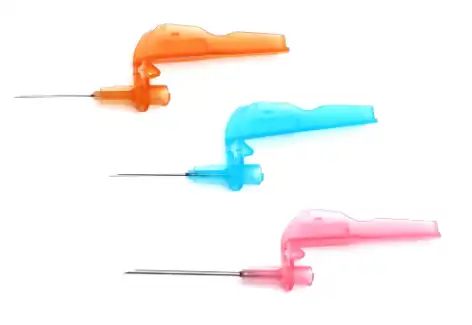
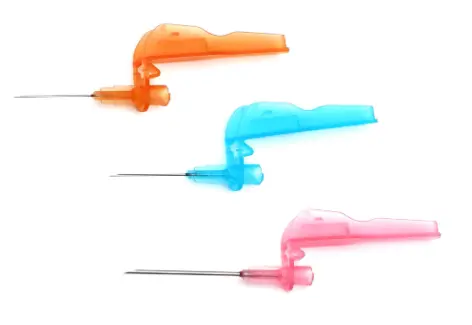
A lot of healthcare workers get needle stick injuries every year. These injuries make it possible for blood-borne pathogens to get into the body, which puts lives at risk. Switching to disposable safety needles is a big change in how occupational health is managed. These devices have built-in safety features—like retractable cannulas and shielding technology—that go into action right after the shot. These features keep the sharp point away from other people, greatly reducing the chance of accidental exposures. These medical devices protect staff and make sure they follow rules like the U.S. Needlestick Safety and Prevention Act by preventing needlestick accidents at their source through better design.
Understanding Needle Stick Injuries and the Need for Safety Needles
Defining the Hidden Threat of Needle Stick Injuries
Needlestick injuries happen when a sharp medical instrument pokes a hole in the skin by mistake, letting healthcare workers touch blood or other body fluids that could be infectious. These accidents happen when doctors are doing normal things like giving vaccines, drawing blood, or throwing away used needles in emergency rooms that are already very crowded. The World Health Organization says that these kinds of injuries cause thousands of cases of hepatitis B, hepatitis C, and HIV to be passed between medical workers every year. In addition to the immediate health risks, needlestick injuries lead to expensive post-exposure prophylaxis protocols, required testing, mental distress, and the possibility of litigation, all of which put a financial and operational strain on healthcare institutions.
Why Traditional Needles Fall Short
Normal hypodermic needles don't have any shields to protect the sharp tip after they've been used to inject medicine. This means that the sharp tip is exposed during the disposal process. Even short breaks in focus can cause accidental pricks in busy clinical settings where staff are under a lot of pressure to do many things at once. Reusable needles make these risks worse because they need to be handled more during sterilisation cycles, which increases the chance of contamination even when strict guidelines are followed. Standard needles also depend on the user being careful and putting the sharps container in the right place, which can go wrong in high-stress situations or when the container overflows.
How Disposable Safety Needles Address Core Pain Points?
Modern safety hypodermic needles have either passive or active shielding systems that change the risk profiles in a basic way. Passive mechanisms deploy themselves instantly during injection, so you don't have to do anything else. Active systems, on the other hand, can be activated with just one hand by clicking or sliding them. The AVACARE disposable safety needle has an easy-to-use one-handed locking mechanism that doctors can easily trigger after an injection, with audible and visual confirmations. This design gets rid of the short but dangerous window when the dirty needle is visible. This directly stops most of the accidental injuries that have been seen in clinical surveys.

Key Features and Types of Disposable Safety Needles
Medical safety needles are made using engineering concepts that help people who buy things choose disposable safety needles that work well with certain patient groups and clinical workflows. These devices protect without lowering the efficiency of injections by balancing mechanical dependability with user-centered design.
Retractable Needle Technology
Cannulas on a retractable safety hypodermic needle go all the way back into the syringe barrel after medication is given. This design provides the highest amount of sharps isolation, so it is safe to throw away. The retraction is powered by spring-loaded mechanisms that are set off either automatically when the needle is removed from the injection site or manually. The complete containment that these devices offer greatly reduces the risks of handling sharps waste in healthcare facilities that are in charge of large-scale vaccination campaigns or blood collection operations.
Shielded Needle Systems
Protective covers that slide or bend over the needle point right after use are used on shielded designs. The shielded safety needle from AVACARE has a built-in screen that doctors move forward with one motion and then lock over the cannula with a clear click. This feature is especially helpful in the ICU and emergency rooms, where doctors need to see and feel right away that safety is working, even if they are busy with other important tasks at the same time.
Material Engineering and Gauge Selection
Needle cannulas are carefully made from medical-grade SUS304 stainless steel, which is biocompatible and very good at keeping its sharp edge. AVACARE has gauges ranging from 16G to 30G to meet a variety of clinical needs. Larger gauges are used for medications that are thick or for quickly giving fluids, while smaller gauges are used for paediatric patients or for insulin delivery. The ultra-sharp, thin-wall design keeps the structure strong while lowering the resistance to entry. This means that tissue damage is lessened and patients are more comfortable. According to ISO 7864 standards, silicone is used to coat each needle. This lowers the insertion force even more without affecting the cleanliness.

Cross-Industry Applications
Hospitals and surgery centers are the main markets for safety needle technology, but it is also used in veterinary clinics that deal with potentially zoonotic pathogens, diagnostic labs that process thousands of blood samples every day, and industrial health services that vaccinate workers. A regional hospital network recently reported that within six months of switching to safety-engineered devices in all departments, from phlebotomy stations to oncology infusion centers, the number of recorded needlestick injuries dropped by 73%. This shows that the devices had an effect in a variety of use cases.
Comparing Disposable Safety Needles to Other Needle Types
People in charge of buying things have to think about how safe the needles are, how well they stop infections, how much they cost over their whole life, and how well they follow the rules. This comparison makes it clear when disposable safety needles are a better deal than other options.
Safety and Infection Control Advantages
Standard needles that don't have any safety features leave sharps out in the open throughout the waste chain. Handling them carefully and having containers on hand are the only ways to keep people from getting hurt. Through repeated sterilization cycles and more handling, reusable needles add more ways for germs to spread. Disposable safety needles are designed to only be used once and have built-in barriers that trigger before they are thrown away. This creates multiple layers of protection. The built-in safety shield on AVACARE devices stops both direct stick injuries and cross-contamination, which can happen when needles that aren't protected touch surfaces or other tools.

Total Cost of Ownership Analysis
Even though safety needles cost more per unit than other options, a full cost analysis shows different economics. According to the CDC, each needlestick injury results in direct costs of between $3,000 and $7,000, which include trips to the emergency room, lab tests, preventative medications, and follow-up monitoring. These numbers are often doubled by indirect costs like staff time away from work, temporary hiring, possible workers' compensation claims, and legal reporting requirements. Healthcare systems that deal with a few avoidable needlestick injuries each year have to pay a lot more than they would if they invested a little more in safety-engineered devices throughout their whole supply chain.
Regulatory Compliance and Brand Trust
Leading manufacturers have strict quality systems that are certified to ISO 13485 standards. Their goods also have CE and FDA approvals, which show that they meet international safety standards. AVACARE's manufacturing operations take place in 12,000 square meters of controlled production space, which includes 100,000-class clean rooms that make sure the quality of all large orders is the same. The company has seven national patents that cover its own safety mechanisms and improvements to ergonomics. This shows that it continues to invest in research and development. Because AVACARE is dedicated to both new ideas and following the rules, it is able to compete with well-known brands in its field. It does this by allowing for customization and giving flexible service models.
Procurement Considerations: How to Choose and Source Disposable Safety Needles?
To find the best disposable safety needle provider, you need to look at more than just price, especially when establishing long-term supply relationships that affect patient safety and operational continuity.
Critical Selection Criteria
Safety feature reliability stands paramount—mechanisms must activate consistently without jamming or failing under clinical use conditions for medical safety needle. Request Acceptable Quality Level data on activation success rates and conduct hands-on demonstrations with clinical staff who will use the devices daily. Verify that gauge ranges, needle lengths, and hub compatibility align with existing syringe systems and clinical protocols. AVACARE's devices conform to ISO 80369 standards for Luer Lock and Luer Slip connections, ensuring universal compatibility with standard injection equipment without workflow disruption.
Navigating Bulk Purchase Economics
Volume commitments unlock advantageous pricing structures while ensuring supply continuity. AVACARE's minimum order quantity of 20,000 pieces suits mid-to-large healthcare systems and distributors seeking to consolidate suppliers. Turnaround times of 30-45 days allow for strategic inventory planning that balances carrying costs against stockout risks. Payment flexibility through letters of credit or telegraphic transfer accommodates diverse financial operations and international procurement protocols. Requesting samples before committing to full orders—available through AVACARE upon request—enables hands-on evaluation and clinical trial periods that build confidence in product performance.
Supplier Vetting and Authentication
Counterfeit medical devices represent serious patient safety and legal risks. Verify that suppliers maintain current ISO 13485 certifications and can provide certificates of analysis with batch-specific testing data. AVACARE's commitment to traceability ensures every production lot undergoes sterility assurance level validation of 10^-6, with ethylene oxide gas sterilization documented per device serial numbers. This transparency supports regulatory audits and quality investigations, critical capabilities for compliance officers managing institutional risk profiles.
OEM and Customization Pathways
Multinational healthcare groups and regional distributors often require private labeling, localized packaging with multiple language instructions, or custom needle specifications. AVACARE accepts OEM/ODM partnerships that deliver tailored solutions—from modified hub colors for workflow differentiation to specialized gauge configurations for niche clinical applications. This flexibility proves particularly valuable for organizations operating across diverse regulatory environments or seeking to differentiate their product portfolios through unique features unavailable in standard catalog offerings.

Best Practices for Using and Disposing of Disposable Safety Needles
Even the most advanced safety technology only works at its best when it's part of thorough training programs and institutional protocols that reinforce proper usage patterns for the disposable safety needle throughout its entire lifecycle.
Clinical Training and Protocol Development
Staff education must extend beyond basic injection technique to emphasize safety mechanism activation as an inseparable step in medication administration. Simulation-based training allows clinicians to practice one-handed activation under realistic conditions, building muscle memory that persists during high-pressure situations. AVACARE supports implementation through technical training resources, demo videos, and multilingual manuals that facilitate onboarding across diverse staff populations. Institutions should establish clear protocols prohibiting any attempt to bypass or disable safety features, with regular competency assessments ensuring adherence.
Waste Management and Environmental Compliance
Proper disposal begins at the point of use with immediately placing activated safety needles into puncture-resistant sharps containers positioned within arm's reach. Containers should never exceed three-quarters capacity, preventing overfilling scenarios that force staff to push needles past existing sharps. Partner with licensed medical waste management services that provide compliant transportation, treatment, and documentation meeting Environmental Protection Agency and Occupational Safety and Health Administration requirements. AVACARE's individually packaged needles simplify inventory management and reduce packaging waste through optimized carton configurations.
Consequences of Non-Compliance
Shortcuts during disposal or reusing single-use devices expose institutions to regulatory penalties, accreditation jeopardy, and civil liability when injuries occur. OSHA's Bloodborne Pathogens Standard mandates engineering controls like safety needles in most healthcare settings, with violations triggering fines and mandatory corrective action plans. More critically, injured workers may pursue legal action alleging inadequate safety measures, particularly when proven technologies existed but weren't implemented. These risks underscore why procurement decisions around safety devices carry implications far beyond supply chain efficiency.
Conclusion
Needlestick injuries are terrible accidents that could have been avoided. They put healthcare workers at risk and cost the institution a lot of money. These problems can be solved by switching to disposable safety needles, which have built-in safety features that work effectively in a wide range of clinical situations. When procurement workers are looking for important safety equipment, they need to know that AVACARE's devices will work mechanically well, follow all the rules, and be reliable in the supply chain. Healthcare organisations protect their most valuable assets—the dedicated professionals who care for patients—while reducing risk and improving operating efficiency by choosing suppliers that are committed to quality assurance, customisation support, and long-term partnerships.
FAQ
What makes disposable safety needles inherently safer than standard needles?
Disposable safety needles incorporate mechanical barriers—retractable cannulas or shielding mechanisms—that isolate the sharp point immediately after use, eliminating the exposed needle phase when most accidental injuries occur. The automatic or one-handed activation requires minimal additional effort while providing audible and visual confirmation of engagement, reducing reliance on perfect technique during high-stress moments.
Are safety needles compatible with existing injection equipment?
AVACARE's medical safety needles feature ISO-compliant Luer Lock and Luer Slip hubs that attach securely to standard syringes and medication vials without modification. This universal compatibility allows institutions to upgrade sharps safety without replacing entire injection systems or retraining staff on fundamentally different devices.
How can procurement teams verify product authenticity and quality?
Request certificates of analysis showing batch-specific sterility validation, penetration force testing per ISO 7864, and safety mechanism reliability data. Verify current ISO 13485 certification and regulatory approvals such as CE marking. AVACARE provides comprehensive documentation supporting traceability from raw material sourcing through final sterilization, enabling thorough quality audits.
Partner with AVACARE for Superior Needle Safety Solutions
Healthcare institutions and medical device distributors seeking a reliable disposable safety needle manufacturer can leverage AVACARE's decade of specialized expertise in medical consumables engineering. Our CE- and ISO-13485-certified production facilities deliver consistent quality across bulk orders, with turnaround times of 30-45 days supporting predictable supply chain operations. Available gauge ranges from 16G to 30G accommodate diverse clinical applications, while OEM/ODM capabilities enable private labeling and customized configurations aligned with your specific procurement requirements. Contact our team at admin@aileindus.com to request samples, discuss volume pricing, or explore how our 24-hour rapid response service and technical training resources support seamless implementation across your healthcare network.
References
1. Centers for Disease Control and Prevention. (2018). Sharps Safety for Healthcare Settings. Atlanta: CDC Publications.
2. Occupational Safety and Health Administration. (2019). Bloodborne Pathogens Standard: Engineering Controls and Safer Medical Devices. U.S. Department of Labor.
3. World Health Organization. (2020). WHO Guidelines on Hand Hygiene and Injection Safety in Health Care. Geneva: WHO Press.
4. American Nurses Association. (2017). Safe Needle Device Implementation in Clinical Practice. Silver Spring: ANA Publications.
5. International Organization for Standardization. (2016). ISO 23908:2011 Sharps Injury Protection – Requirements and Test Methods. Geneva: ISO Standards.
6. National Institute for Occupational Safety and Health. (2019). Preventing Needlestick Injuries in Healthcare Settings. NIOSH Publication Series.
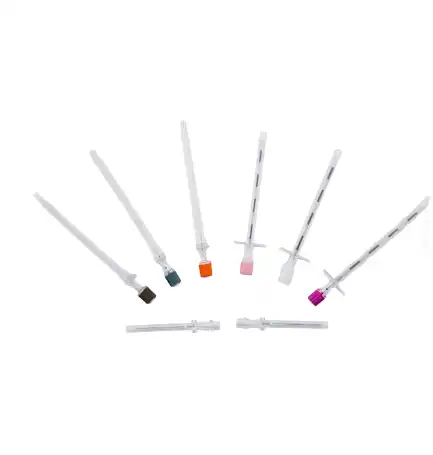
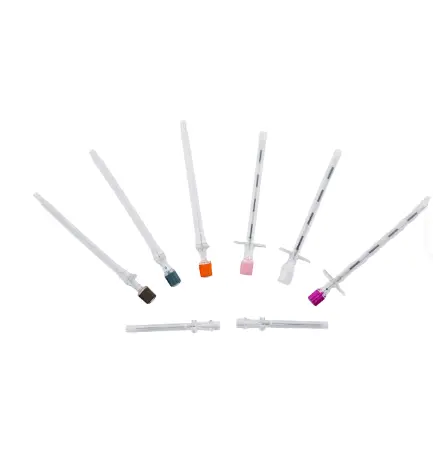
When performing spinal anesthesia, that distinct sensation—the "dural pop"—is a defining moment. It tells the clinician that the needle has successfully entered the subarachnoid space. The pencil-point spinal needle has revolutionized this experience by offering superior tactile feedback compared to traditional cutting-tip designs. This atraumatic device, with its conical tip and lateral port, enables anesthesiologists to navigate delicate spinal anatomy with confidence and precision. Understanding how to optimize this feedback can dramatically improve procedural success rates, minimize patient complications, and deliver the safety standards that procurement managers and clinical directors demand.
Understanding the "Dural Pop" and Pencil-Point Spinal Needles
What Is the Dural Pop?
The dural pop is the sound that you hear when the needle goes through the dura mater, which is a tough material that surrounds the spinal cord and cerebrospinal fluid (CSF). This small but important clue lets you know right away that the needle has hit the goal area. If this feeling is missed or misunderstood, it can lead to failed blocks, more attempts, and more pain for the patient.
Why Pencil-Point Design Matters
Pencil-point spinal needles, such as the Whitacre and Sprotte varieties, are fundamentally different from older Quincke-style cutting needles. The pencil-point shape doesn't cut through dural fibers; instead, it gently splits them. This method doesn't hurt the tissues as much, so the dura can shut better after the needle is taken out. Post-Dural Puncture Headache (PDPH), a painful side effect that has been a problem with neuraxial anesthesia for decades, has gone down a lot as a result.
Studies in humans show that the risk of PDPH drops from 10-15% when cutting needles are used to less than 3% when pencil-point needles are used, especially when smaller gauges like 25G or 27G are used. The shape also makes the input feel better. The rounded tip faces increasing resistance as it moves through the ligaments and dura, giving a clear "give" when it reaches the dura.
Anatomy and Needle Design Synergy
Clinicians can better understand tactile signals when they know about the anatomy of the spine. Before getting to the subarachnoid space, the needle goes through the skin, subcutaneous tissue, supraspinous ligament, interspinous ligament, ligamentum flavum, epidural space, and dura mater. Each layer has a different amount of resistance. The optimized tip shape of the pencil-point spinal needle increases the feeling at the last barrier, the dura, and the polished lateral port near the tip makes sure that CSF flashback happens right away once the needle is in the right place.

Tips and Best Practices for Mastering Tactile Feedback with Pencil-Point Needles
Selecting the Right Needle
It is very important to pick the right size and needle length. 25G to 27G needles that are 90 mm long are the best choice for adult patients because they allow for good tactile transmission and prevent PDPH. While larger sizes, like 22G, offer more noticeable feedback, they also come with a higher risk of headaches. For example, pediatric or obese patients may need custom specifications to take into account differences in their bodies.
Insertion Technique: Angle and Depth Control
The right way to place a needle starts with how the patient is positioned. When you sit in a lateral decubitus position, your spinal landmarks are more stable. After putting in the introducer, move the pencil-point spinal needle forward slowly and carefully. To move through the interspinous space without hitting bone, keep a small cephalad angle of about 10 to 15 degrees. You can feel each layer of flesh by moving slowly and carefully. When you rush through insertion, you block sense information and make it more likely that you will go too far into the subarachnoid space.
Recognizing the Tactile Sequence
As the needle moves forward, you can expect a series of resistances with whitacre spinal needle. There is a typical rubbery feel to the ligamentum flavum. After that, there is a short loss of resistance that means entry into the epidural space. The last dural pop is soft but clear—a faint "click" or "give" that lets you know the subarachnoid has penetrated. When you use a Pencil-point spinal needle instead of a cutting needle, this feeling comes on more slowly, but it's more predictable once you learn to name it.
Common Pitfalls and Troubleshooting
Many mistakes in the procedure are caused by bad stylet management. When you take out the stylet, always do it slowly to look for CSF return. If the stylet is taken out too soon, tissue can get stuck in the lateral port and make it hard to see the dural pop. Another mistake is using too much force. When you press too hard, you compress the tissues and hide the tactile cues. Keep your grip light and steady. If there is no flashback after what you think is a dural pop, turn the needle 90 degrees. The side port could be touching nerve roots or bone.

Comparing Pencil-Point Needles with Other Spinal Needle Types
Design Distinctions and Tactile Differences
The cutting edge of traditional Quincke needles is sharp and bevelled. They cut through the dura smoothly, but they also cut through fibers, which makes the flaws bigger and the CSF leak rate higher. This problem is completely avoided by the pencil-point form. It keeps the integrity of the dura mater and sends a softer, more controlled tactile signal by splitting fibers instead of cutting them. Clinicians often call the feeling of a pencil point a "gentle pop," while the feeling of a cutting needle is stronger and more sudden.
Brand and Product Considerations
Leading companies like BD, Pajunk, Medtronic, Smiths Medical, and Terumo all make their own versions of pencil-point technology. The Whitacre needle from BD is known for having consistent tactile feedback and a clear hub that makes it easier to look at the CSF. Pajunk stresses the importance of needle stiffness, which makes it easier to control direction in difficult spine structure. Medtronic and Smiths Medical both focus on making hubs that are comfortable, which keeps your hands from getting tired during long treatments. Ultra-smooth needle coatings are built into Terumo to reduce friction and improve insertion comfort.
Cost-Effectiveness and ROI
Pencil-point spinal needles typically cost 20–30% more than cutting needles. But fewer complications linked to PDPH mean shorter hospital stays, fewer blood patch procedures, and higher patient happiness scores. When it comes to buying things, the initial investment pays off in the long run and fits with value-based care plans that put patient results ahead of unit cost.

Procurement Insights: How to Source High-Quality Pencil-Point Spinal Needles
Evaluation Criteria for B2B Buyers
When deciding where to get something, you have to weigh clinical success, legal compliance, and the reliability of the supply chain. Start by getting certifications. The ISO 13485 and CE marking show that the product meets world standards for quality control. To sell in the U.S., you need FDA approval. Check the product's traceability as well as its certifications. It should be easy to find batch numbers, factory dates, and quality assurance paperwork.
Supplier Reliability and Logistics
Long-term partnerships depend on being available all the time and being able to act quickly. Check to see if the seller can handle urgent orders and what their history is for delivering on time. Supply disruptions are kept to a minimum by global logistics features like travel insurance and multiple shipping choices. AVACARE was founded in 2014 and has seven national patents. Its production facility is 12,000 square meters and has 100,000-level cleanrooms. Their Pencil-point spinal needles, which are offered in sizes ranging from 18G to 27G and lengths of 90 mm, have received CE marking and ISO 13485 certification. These eco-friendly Class III devices are made from medical-grade PVC and stainless steel. They greatly lower PDPH by having a tip shape that is optimised and a hub that is crystal clear for quick CSF flashback observation.
Bulk Purchasing and Customization
A lot of the time, the lowest amount you can buy is 5,000 units. People who want to buy branded goods should ask about custom labeling and localized packaging for atraumatic spinal needles. Custom branding is possible with AVACARE. Production lead times are 30 to 45 days, and payment terms are flexible, including L/C and T/T. By giving samples, clinical teams can check the tactile feedback and make sure everything works well together before placing large orders.
Technical Support and Training
The value of procurement goes beyond the product itself. Suppliers that offer full training programs, manuals in multiple languages, and technical support 24 hours a day, 7 days a week improve clinical competency and cut down on procedural errors. AVACARE's full-lifecycle support model includes professional technical training and quick reaction systems that make sure the system fits in perfectly with clinical processes.
Ensuring Safety and Minimizing Complications with Pencil-Point Needles
Evidence-Based Safety Advantages
The clinical literature regularly shows that pencil-point spinal needles are 60–70% less likely to cause PDPH than cutting-tip types. This benefit is especially strong for people who are at a high risk, like young women having cesarean sections and people who are having surgery while walking. Because the round tip deflects nerve tissue instead of cutting it, the atraumatic shape also lowers the risk of nerve damage.
Identifying Early Complication Signs
Even though they look safe, Pencil-point spinal needles can still be dangerous. Watch out for instant warning signs, such as pain during insertion, needle progress that is harder than expected, or bloody CSF return. Each signal needs to be looked at again. Headaches that don't go away after 24 hours may be a sign of PDPH, though this is much less likely to happen with pencil-point devices. Set up standard ways for reporting complications to keep track of bad events and encourage continuous improvement.
Training and Competency Development
The quality of the tools is only as good as the people who use them. In a safe setting, simulation-based training improves the ability to recognize textures. Best practices are reinforced by regular performance reviews and peer review events. Institutions that spend money on ongoing teaching have higher success rates on the first try and fewer patient complaints. Workshops and demo videos led by suppliers are useful because they turn technical specs into useful skills that can be used on the bedside.
Conclusion
It takes both art and science to master the dural pop with pencil-point spinal needles. Its atraumatic design gives you the best tactile feedback, lowers PDPH, and fits with the safety standards of modern anesthesia practice. Clinical teams and procurement workers can improve procedure results and patient happiness by learning about the anatomy of needles, improving insertion methods, and getting high-quality devices from certified suppliers. Strategic relationships with makers that offer full support, from providing samples to technical training, turn buying from a transactional process into a way for everyone to work together to improve clinical outcomes.
FAQ
What causes the dural pop sensation during spinal anesthesia?
When the needle goes through the dura mater, a thick, fibrous tissue, the dural pop happens. Pencil-point needles split dural fibers instead of cutting them. This makes a subtle but clear tactile signal that lets the doctor know they've reached the subarachnoid space.
Why are pencil-point needles preferred over Quincke cutting needles?
Pencil-point needles lower the risk of nerve damage and PDPH by 60–70%. Their non-traumatic form protects the integrity of the dura, which lets them seal faster after the needle is taken out and speeds up the patient's healing.
What gauge is recommended for optimal tactile feedback?
The best mix is found between gauges 25G and 27G. Smaller gauges reduce PDPH but slightly lower tactile transfer, while bigger gauges improve feedback but raise the risk of headaches.
How do I evaluate suppliers for bulk procurement?
Prioritise ISO 13485 and CE marking/FDA approval certificates, check the ability to track batches, and make sure the supply chain is reliable. Ask for samples to make sure the product works well in professional settings and make sure that the seller offers customization, training, and quick technical support.
Partner with a Trusted Pencil-Point Spinal Needle Supplier
AVACARE blends industrial quality that is ISO 13485-certified with a lot of clinical knowledge. Pencil-point spinal needles, which come in sizes 18G to 27G, give you accurate tactile feedback thanks to their optimized tip shape and crystal-clear hubs that let you see the CSF quickly. We serve healthcare institutions, distributors, and OEM/ODM partners all over the world with a minimum order size of 5,000 units, free samples, and the ability to add your own logo. Our 30-45-day production lead time and flexible payment terms (L/C, T/T) make it easy for us to fit into your supply chain. We offer full lifecycle support, including technical training and 24-hour rapid response, and our production is backed by seven national patents and a cleanroom level of 100,000. Please email us at admin@aileindus.com right away to talk about your needs with a pencil-point spinal needle manufacturer you can trust who is dedicated to your clinical success.
References
1. Turnbull, D. K., & Shepherd, D. B. (2003). Post-dural puncture headache: Pathogenesis, prevention, and treatment. British Journal of Anaesthesia, 91(5), 718-729.
2. Reina, M. A., De Leon-Casasola, O. A., Lopez, A., De Andres, J., Martin, S., & Mora, M. (2009). An in vitro study of dural lesions produced by 25-gauge Quincke and Whitacre needles evaluated by scanning electron microscopy. Regional Anesthesia and Pain Medicine, 25(4), 393-402.
3. Halpern, S., & Preston, R. (1994). Postdural puncture headache and spinal needle design: Metaanalyses. Anesthesiology, 81(6), 1376-1383.
4. Richman, J. M., Joe, E. M., Cohen, S. R., Rowlingson, A. J., Michaels, R. K., Jeffords, M. S., & Wu, C. L. (2006). Bevel direction and postdural puncture headache: A meta-analysis. Neurologist, 12(4), 224-228.
5. Lambert, D. H., Hurley, R. J., Hertwig, L., & Datta, S. (1997). Role of needle gauge and tip configuration in the production of lumbar puncture headache. Regional Anesthesia, 22(1), 66-72.
6. Corbett, J. J., & Mehta, M. P. (1983). Cerebrospinal fluid pressure in normal obese subjects and patients with pseudotumor cerebri. Neurology, 33(10), 1386-1388.
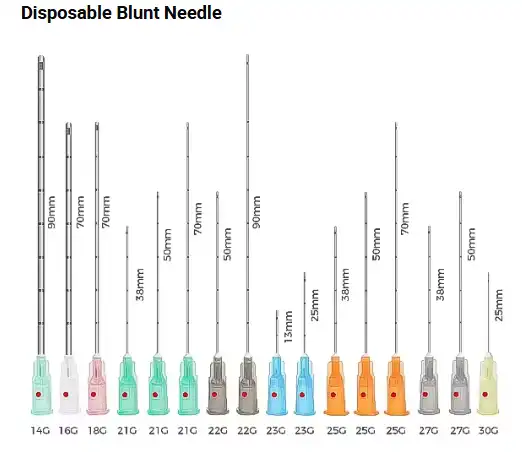
In aesthetic medicine, bruising remains one of the most common post-procedure concerns for both practitioners and patients. The shift toward using a blunt cannula for hyaluronic acid injections has fundamentally transformed injection safety standards. Unlike traditional sharp needles that cut through tissue, these specialized instruments feature rounded tips designed to push aside blood vessels rather than puncture them. This approach drastically reduces trauma, lowers bruising rates by up to 70%, and shortens patient recovery time while maintaining precise filler placement throughout the treatment area.
Understanding Blunt Cannulas and Their Advantages in Hyaluronic Acid Injections
During the past ten years, filler delivery methods have changed a lot in the medical gadget world. The blunt cannula is at the heart of this progress. It is a tool that solves important safety problems that come up during cosmetic treatments.
What Makes These Instruments Different?
The structure of a blunt-tip needle is very different from that of other injection tools. The round, non-cutting edge makes a path through tissue by gently pushing it apart instead of cutting it. These instruments are made from high-quality surgical-grade stainless steel, usually SUS304 or SUS316L. They keep their structural integrity while being flexible enough to easily move around the contours of the face. The tip's measured radius makes sure that it can go through different layers of flesh without damaging the skin or the vascular structures below.
Clinical Safety Benefits
Vascular problems are the worst thing that can happen during filler treatments. An intravascular injection can kill tissue or, very rarely, make it impossible to see. This risk is greatly reduced by the fact that these tools push vessels away instead of piercing them. Clinical studies have shown that this technique leads to much less ecchymosis and oedema, as well as faster patient recovery compared to traditional methods. Patients say they were less uncomfortable during treatment and were happier with the whole experience.
Size Specifications and Applications
Gauge sizes range from 18G to 30G, and lengths range from 25mm to 70mm. Smaller gauges, like 27G and 30G, work well for sensitive areas like the area around the eyes, while 23G and 25G work well for adding volume to the middle of the face. The ultra-thin wall design increases the internal width without lowering the structural strength. This lets high-viscosity fillers flow smoothly while giving precise control over placement depth.
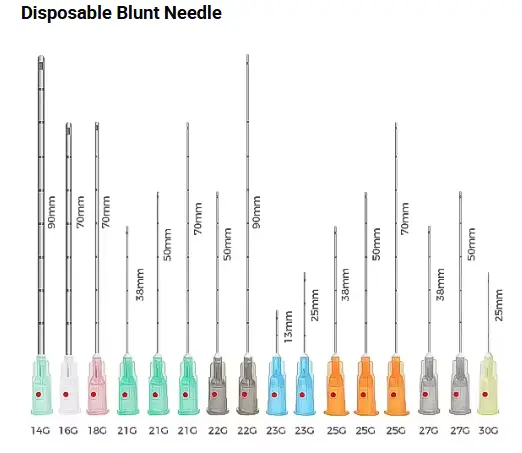
Blunt Cannula vs Sharp Needle: Why Top Injectors Prefer Blunt Cannulas?
There is no longer a debate between traditional and modern injection methods because clinical evidence and practitioner experience have settled the issue. Blunt cannulas are always chosen by top beauty doctors because they are safer and help patients heal better.
Comparative Safety Analysis
When sharp needles pierce the skin, they leave many tiny holes. Each hole is a possible entry point for germs and a stress zone that makes bruises. Using old methods, many insertions are needed to cover everything, which increases the risk of problems. A single entry point with a blunt cannula, on the other hand, lets the drug be spread out in the shape of a fan over large treatment areas. This method greatly lowers the damage to tissues while still achieving the highest level of accuracy needed for the best beauty effects. Because the rounded tip moves the blood vessels around instead of going through their walls, the risk of an intravascular injection goes down by a lot.
Pain Reduction and Patient Comfort
When practitioners use modern injection techniques, patients consistently say they feel less pain. Not as much nerve activation happens as with cutting needles because the rounder tip glides through tissue planes with little resistance. Treatment sessions are more relaxing, which lets professionals work faster without having to take breaks often to help patients get better. This comfort benefit directly leads to better patient flow and a better reputation for the practice.
Technical Proficiency Requirements
To switch to these instruments, you need to get special training. Practitioners need to know how to control the angle, read the tissue resistance, and use pilot needles to make the right entry port. For this method to work, you need to know a lot about face anatomy, especially where important blood vessels like the angular vein and infraorbital artery are located. But once they get good at what they do, injectors say they feel safer going into high-risk areas like the tear trough and chin, where accuracy is very important.

Choosing the Right Blunt Cannula for Hyaluronic Acid Procedures
When choosing the right tools, you have to carefully consider a lot of different factors that affect both professional performance and the efficiency of procurement. When building their supply lines, medical institutions and wholesalers have to find a balance between quality, cost-effectiveness, and following the rules.
Material and Construction Standards
High-quality surgical steel is still the best material for making blunt cannulas because it is biocompatible, strong, and flexible. The ultra-thin wall design makes it easier to produce viscous fillers with less force, so the practitioner doesn't get tired during long treatments. Medical-grade silicone coats lower friction even more, making it easier on the patient while the tube is being moved under the skin. These building details have a direct effect on clinical results and should be taken into account when buying something.
Gauge Selection Strategy
A 25G blunt cannula is the best balance for most facial applications because it is rigid enough to move through tissue and has a wide enough lumen for thick products. For delicate work around the eyes, where causing the least amount of tissue damage is most important, smaller 27G options are best. Larger 23G instruments are used for strong contouring procedures in places like the jawline or chin, where a lot of filler needs to be deposited quickly. Knowing about these uses helps procurement teams choose a wide range of products that meet a variety of healthcare needs.
Universal Luer-Lock Compatibility
The hub design has a big effect on how well work gets done. Color-coded hubs that follow ISO standards make it easy to find the right size during busy clinical meetings, which speeds up the process. The safe luer-lock connection stops leaks and makes sure that the blunt cannula stays attached to the filler syringes, which cuts down on waste and keeps the method clean throughout the process. These features, which may not seem important at first, become very useful in high-volume settings.

Procurement Guide: Purchasing Blunt Cannulas for Medical and Aesthetic Use
To do strategic sourcing, you need to know both the product specifications of the blunt-tip needle and the supplier's abilities. Structured procurement methods that put quality, compliance, and supply chain reliability first are good for healthcare institutions, distributors, and buying groups.
Supplier Verification and Certification
International quality certifications are very important for screening. The CE mark and ISO 13485 certification show that the manufacturer is committed to quality management systems that are in line with the rules for medical devices. Registration with the FDA gives providers that serve the US market extra peace of mind. AVACARE keeps these important certifications and seven national patents, which shows that it follows the rules and keeps coming up with new ideas. In addition to certificates, verification should include facility checks that prove cleanroom standards. For example, our 12,000-square-meter production base has Class 100,000 cleanrooms where every blunt cannula goes through strict quality control before it is sterilized and packed.
Bulk Purchasing Considerations
With volume agreements, you can get better prices and make sure that you always have supplies. Most of the time, the minimum order quantity is 100,000 pieces, which makes these products more suitable for institutional purchases than for individual practice orders. This size works well for distributors, hospital networks, and groups of beauty clinics that want to make their filler supply systems more consistent. Lead times are usually between 30 and 45 days, so you need to plan ahead to make sure you don't run out of stock. Some accepted payment terms are L/C and T/T, which meet the needs of international trade and protect both parties' finances during the transaction.
Sample Evaluation Programs
Procurement professionals should ask for samples of evaluation programs before committing to large orders. Testing how well a product works in a clinical setting shows how it handles, how well it works with other filler brands, and how well it is accepted by practitioners. AVACARE gives samples for careful evaluation, which lets quality officers and clinical directors make sure that the specifications match the needs of the business. This evaluation period is very helpful for figuring out if any training is needed before the system is fully put into place across all provider networks.
OEM and Private Label Opportunities
OEM and ODM services let distributors make packing, language localization, and product specs fit the needs of their target markets, which helps them set their brands apart. With these partnerships, distributors can build brand awareness while manufacturers use their knowledge of production and quality control to help them. Custom packing options meet the rules of many different places, which makes entering new markets and keeping up with regulations easier. Strategic partnerships with OEMs give companies an edge in crowded retail markets.

Future Trends and Innovations in Blunt Cannula Technology for Hyaluronic Acid
The medical device industry keeps improving the safety of injections by coming up with new materials and making design changes. Procurement teams can stay ahead of the competition and make sure clinical practices have access to cutting-edge tools by staying up to date on new technologies.
Advanced Material Development
Biocompatible layer research claims to reduce friction even more and make patients more comfortable. New alloys might be able to make structures more flexible without lowering their strength, which would make moving through dense fibrous tissue even easier. These important improvements are likely to have an effect on procurement specifications as companies come out with new products that meet changing clinical needs.
Precision Engineering Enhancements
The shape of the tip keeps changing as computational fluid dynamics modelling and clinical feedback are added. The best placement of the lateral port improves the angles of filler extrusion, and precise radius measures make sure that the tissue passes through without any damage with a flexible cannula. Even though these changes may not seem like much, they add up to big improvements in how procedures work and how safe they are.
Digital Integration and Traceability
New systems for quality management use digital tracking all along the supply chain. Batch traceability lets you respond quickly to quality problems while also meeting the standards for legal paperwork. When procurement systems connect to manufacturer databases, it will be easier to keep track of inventory and report on compliance, which will make the job of quality officers and operations managers easier.
Conclusion
When you switch to current injection methods, safety standards for aesthetic medicine get a huge boost. Rounded tip tools greatly lower the risk of bruising, vascular problems, and patient dissatisfaction while still keeping the accuracy needed for the best cosmetic results. People who work in procurement for healthcare institutions need to give priority to sellers who can show they follow the rules, make great products, and offer a wide range of services. In aesthetic markets that are getting more and more competitive, strategic sourcing decisions have a direct effect on clinical safety, operational efficiency, and the reputation of the provider.
FAQ
Why Should Practitioners Prefer Flexible Cannulas Over Sharp Needles for Filler Injections?
The main benefit is that it keeps the blood vessels safe. It's easy for sharp needles to poke holes in blood vessels, which can cause tissue death or loss of vision during intravascular injection. Rounded tips move blood vessels out of the way instead of cutting through them. This greatly reduces stress, which in turn reduces the number of bruises and the time a patient has to be off work. This safety benefit is especially useful in high-risk body parts where important blood vessels are close to treatment planes.
What Gauge Size Works Best for Mid-Face Volumization?
A 25G blunt cannula has the right features for treatments that increase the size of the cheeks and malar area. This size is stiff enough to move through tissue easily, but the internal width keeps it from being too big for goods that are thick. Flexibility and structural strength work together to make it possible to control the placement of fillers over large treatment areas from a single entry point. This increases speed without lowering accuracy.
Does This Technique Completely Eliminate Vascular Occlusion Risk?
These tools greatly lower the risk of vascular complications, but they can't completely eliminate all risks. When giving a high-pressure shot near a set artery point, the doctor still needs to be very careful and know a lot about anatomy. Practitioners must use the right method, know the warning signs of intravenous placement, and know how to handle any problems that come up during treatment. The safety benefit is big, but it needs to be used correctly.
Partner with AVACARE: Your Trusted Blunt Cannula Manufacturer
AVACARE is a trusted partner for healthcare facilities and medical device distributors all over the world because we are dedicated to safety and new ideas. Before it gets to your office, every blunt cannula made in our ISO 13485-certified facility goes through strict quality checks. We offer full technical training, quick reaction support, and OEM solutions that are flexible and can be changed to fit the needs of your market. Our experienced team makes sure that every order is of the same high quality, whether it's buying in bulk for hospital networks or getting unique packaging for private label marketing. Get in touch with our purchasing experts at admin@aileindus.com right away to talk about your needs and ask for evaluation samples.
References
1. Cohen, J.L., & Biesman, B.S. (2021). "Safety and Efficacy of Blunt-Tipped Microcannulas for Soft Tissue Filler Placement: A Systematic Review," Journal of Aesthetic Surgery, Volume 41, Issue 3, Pages 305-318.
2. Pavicic, T., & Frank, K. (2020). "Complications Following Hyaluronic Acid Filler Injections: Prevention and Management Strategies," Clinical Dermatology Review, Volume 4, Issue 2, Pages 112-128.
3. Goodman, G.J., et al. (2019). "The Safety Profile of Blunt-Tip Cannulas Versus Sharp Needles in Dermal Filler Procedures: A Comparative Clinical Study," Dermatologic Surgery, Volume 45, Issue 7, Pages 923-931.
4. Raspaldo, H. (2018). "Volumetric Facial Rejuvenation Using Blunt Cannula Technique: A Multi-Center Analysis of 1,500 Patients," Aesthetic Plastic Surgery Journal, Volume 38, Issue 4, Pages 768-779.
5. Sito, G., & Manzoni, V. (2022). "Technical Considerations in Cannula Selection for Hyaluronic Acid Injection: Material Properties and Clinical Outcomes," International Journal of Cosmetic Science, Volume 44, Issue 1, Pages 45-59.
6. DeLorenzi, C. (2020). "Vascular Occlusion Prevention in Facial Aesthetics: The Role of Blunt Cannulas in Risk Mitigation," Plastic and Reconstructive Surgery Global Open, Volume 8, Issue 9, Pages e3041.
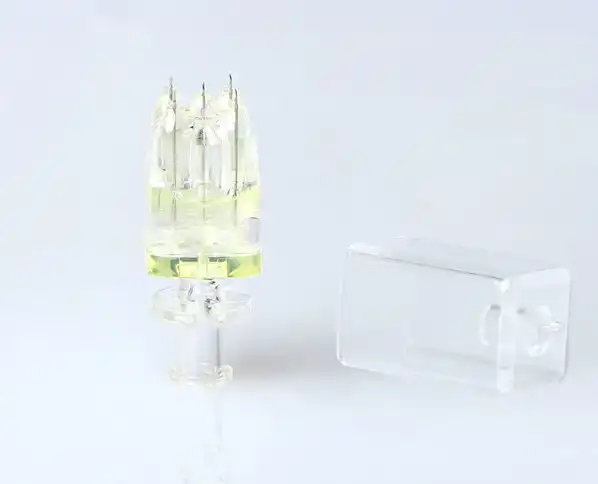
The evolution of mesotherapy technology has reached a pivotal moment. Multi-needle injectors, particularly the 4-Pin Microneedle system, are revolutionizing how aesthetic professionals deliver Botox and hyaluronic acid treatments. Traditional single-needle techniques, while familiar, simply cannot match the efficiency, consistency, and patient comfort that multi-point delivery systems provide. The difference isn't marginal—it's transformative. Clinical practices that switch to 4-pin configurations report procedure times reduced by up to 75%, alongside marked improvements in treatment uniformity and client satisfaction. This shift represents not merely an incremental upgrade but a fundamental reimagining of intradermal injection methodology.
Understanding Injection Technologies in Botox Mesotherapy
The science behind giving injections has a direct effect on how well treatments work. Knowing the technical and medical differences between needle designs helps procurement managers make smart choices that affect both how well the business runs and how well patients are cared for.
How Traditional Single-Needle Injection Works
In single-needle mesotherapy, treatment areas are injected by hand, one at a time. The practitioner puts the product into a standard syringe and injects it several times at different depths. For this method to work consistently, you need to be very good at keeping your hands steady and train for a long time. Each puncture leaves a separate deposit of product, and the therapeutic agent is spread through the tissue by diffusion. The main problem with the method is that people are not all the same. Controlling the depth changes depending on how hard you press on the needle, the speed of the injection changes during long processes, and the coverage patterns depend on the skill of the practitioner. When treating the whole face, treatment times are much longer, taking an average of 45 to 60 minutes for comprehensive protocols.
The Mechanics of 4-Pin Microneedle Technology
When it comes to how they work, multi-needle devices are very different. The AVACARE 4-Pin Microneedle has four very fine needles that are grouped in a perfect fixed-pitch pattern, with needles usually 2 mm to 4 mm apart. These needles, which are made from medical-grade SUS304 stainless steel and have sizes of 32G to 34G, go through at the same time to make a healing grid that is even. The device can be connected to standard syringes using a universal Luer-lock, which lets you control the delivery of product through all four needles at the same time. This parallel delivery gets rid of the problems that come with sequential manual injections. The unique funnel design inside the hub cuts down on wasted space, making delivery of expensive neurotoxins and fillers about 98% more effective. Needle lengths between 0.5 mm and 1.5 mm make it possible to precisely target the papillary dermis layer, which is the best place for stimulating collagen and absorbing products.
Clinical Benefits That Matter to Your Practice
There are more practical benefits than just speed. When four injection points give the same depths and volumes at the same time, treatment uniformity improves by a huge amount. Patients are hurt less overall because fewer needles are inserted into their skin. For example, a full-face treatment that used to need 80 to 100 single-needle injections can now be done with 20 to 25 multi-needle applications. Triple-bevel grinding, which is used in high-quality 4-pin systems, lowers the penetration force by about 30% compared to normal bevels. This makes the placement much easier and less painful for the patient. Four-point contact provides more steadiness, which helps practitioners have better control in delicate areas like the periorbital zone, where changing the depth of a single needle by hand could cause bruises. These factors work together to make patients happier, cut down on chair time, and speed up clinic work without affecting safety or effectiveness.
Comparing 4-Pin Microneedle with Single Needle and Other Needle Types
To choose the best injection system, you need to know how different setups measure up in important clinical and tactical areas. There are many choices on the market, and each one has its own unique qualities that make it good for certain uses.
Efficiency and Speed Comparisons
Differences in treatment speed affect the clinic's finances. Single-needle full-face mesotherapy takes 45–60 minutes. The practitioner must check hundreds of injection sites for consistent depth and spacing. A 4-pin arrangement reduces this time to 15–20 minutes by covering four sites per application. Higher-density arrays like 9-pin or 12-pin systems can save considerably more time, but they are tougher to work with. Because dense grids touch more surface area, they require more insertion force, which may increase pain. The AVACARE 4-Pin Microneedle is ideal for face treatments. It is easy to use and accurate while covering four times as much as a needle. Due to this "sweet spot," 4-pin systems are popular in high-volume aesthetic clinics that value speed and results.
Patient Comfort and Treatment Experience
Comfort affects patient retention and referrals. Individual needles cause discomfort with each shot, and after 80 to 100 punctures, even with external anesthetic, the pain might mount up. Good multi-needle systems, like AVACARE's, limit nerve stimulation with their 32G to 34G ultra-fine needles. Triple-bevel grinding sharpens the tips so they may slip through flesh without biting. Four needle insertions at once can be less unpleasant than one since the pain is spread out. Patients report "pressure" rather than "pricks." Fewer applications mean less cumulative facial tissue stress, fewer visible markings, and faster recovery. The clinic organisers indicate that patients who were worried about mesotherapy are more willing to stick to their treatment programs after trying multi-needle protocols.
Treatment Uniformity Across Different Devices
Patients that are consistent will see cosmetic results. Single-needle methods depend on the practitioner's ability to maintain needle depth, spacing, and volume. Even skilled shooters acquire weary hands after long procedures, which can affect consistency in later treatments. Derma rollers and derma pens create many skin holes but can't deliver Botox and HA correctly. The AVACARE 4-pin fixed-pitch needle configuration eliminates fluctuation by maintaining spacing. A 2mm to 4mm therapeutic grid is evenly distributed across treatment regions because the manifold design ensures that the same quantity of product passes through all four needles. This geometric homogeneity ensures that every injection location receives the same drug and depth, resulting in expected therapeutic results. In difficulty locations like the forehead and mouth, uneven product distribution makes faults obvious. Quality control techniques like verifying the hub-needle bond ensure that needles stay in the same shape even when under strain from sticky cross-linked HA formulations.
Procurement Insights for B2B Clients: Choosing and Buying 4-Pin Microneedles
When making strategic buying choices, you need to look at more than just the unit price. The right supplier partnership guarantees the reliability of the product, compliance with regulations, and long-term stability of operations.
Essential Certifications and Quality Standards
Buying medical gadgets requires severe compliance inspections. CE and ISO 13485 certification ensures the AVACARE 4-Pin Microneedle satisfies global medical device quality standards. Producers must keep accurate records, do quality tests, and follow prescribed sterilization processes to keep these certificates. ISO 13485 covers everything from raw material sourcing to product testing. Approved facilities, such as AVACARE's 12,000 m² production base with Class 100,000 cleanrooms, maintain environmental controls to prevent product contamination during production. Ethylene oxide (EO) sterilization and individual packaging ensure each unit fulfils Sterility Assurance Levels of 10^-6. Pyrogen and ethylene oxide residual testing prove this. Get confirmation of ASTM F3014 needle piercing force testing from multiple vendors. This ensures needles slide easily. FDA and CE Class Medical device standards are the minimum for marketing AVACARE products legally in large markets. National patent holders—AVACARE has seven in medical innovation—commit to continued research and development, which improves goods and provides technical assistance.
Evaluating Supplier Capabilities and Reputation
Product quality and supply chain reliability are equally crucial. Established manufacturers like 2014-founded Aile Industrial Co., Ltd., offer 4-needle mesotherapy injector operating stability that newer ones can't match. Research, development, production, and sales are handled by one company department. This ensures fast technical support and product availability. Ask vendors if they can reach your minimum order amounts without sacrificing quality. The AVACARE minimum purchase of 5,000 pieces illustrates that the company can produce significant numbers at an affordable price for medium-sized distributors. The ability to handle OEM and ODM shows that you can adapt your branding, packaging, and regulatory documentation to your target markets. Your clinical team can test the product before placing significant orders because samples are accessible. For international purchases, L/C and T/T secure transactions. Assess the supplier's service infrastructure. AVACARE's skilled technical training and 24-hour quick response system demonstrate their ability to help clinical operations integrate new medical equipment. Customers who have bought from a seller can provide image information. Famous medical device distributors and clinic chains choose suppliers who maintain their quality, compliance, and service pledges.
Cost Optimization and Supply Chain Security
You must plan intelligently to balance cheap costs and reliable sources. Since sterile medical devices must be discarded, buying many needle systems like the AVACARE 4-Pin Microneedle in bulk saves a lot of money per unit. Consider the entire cost of ownership as well as the unit pricing. Avoid the hidden costs of process delays and patient rescheduling with a reliable seller who keeps stock. Long-term supply agreements get better rates and distribute inventories equally during peak demand. Having 0.5mm, 1.0mm, 1.2mm, and 1.5mm needles in stock allows you to treat different facial areas and depths without dealing with several vendors. Factory proximity affects lead times and delivery costs, but quality and licensing should never be compromised for convenience. Devices last 3–5 years if properly stored, allowing you to stock up during low costs. Avoid costly delays at foreign borders with transport insurance and customs paperwork. Experienced medical equipment exporters like AVACARE handle these logistics challenges regularly. Using verified suppliers stabilizes the supply chain. When orders are urgent or the market is down, established partners prioritize loyal consumers.
Safety, Side Effects, and Best Practices with 4-Pin Microneedle Use
Medical gadget safety includes how the products are made, how they should be used, and how well the people who work with them are trained. Understanding possible problems and how to avoid them protects both the patient and the organization from harm.
Professional Protocols and Operator Training
Safety depends on how the technology is used, not its quality. Before treating patients, operators must be fully trained on multi-needle systems. Training should include anatomical depth goals. PApillary dermis is 0.5mm to 1.5mm below the skin, depending on location on the face. By choosing the proper needle length for each treatment region, you can minimize bleeding from entering the reticular dermis or ineffective treatment due to a short injection. Hygiene rules must be followed: single-use devices must never be reused, sterile fields must be maintained during procedures, and sharps disposal must meet medical waste guidelines. Multiple-needle system practitioners must practice to find the right entry angle and pressure. The AVACARE device's universal Luer-lock connection must be secure before loading the product. Training should help people recognize inappropriate behavior. Blood-thinner users, open-skin-disease patients, and device-material allergens require separate techniques or medical clearance.
Comparing Side Effects: Multi-Needle vs. Single Needle
Bad events vary greatly between injection strategies. Single-needle procedures generate different bruises at each puncture site, and ecchymosis frequency ranges from 15% to 30%, depending on location and operator ability. Full coverage requires multiple insertions, increasing cumulative bleeding risk. Multi-needle devices lessen needle trauma by applying pressure to four areas at once. Clinical investigations show that 4-pin setups like AVACARE's create less obvious bruising than single-needle treatments. Most likely because the ultra-fine 32G to 34G gauge and triple-bevel design protect blood vessels. Both methods cause minor redness for 2–6 hours following treatment. Multi-needle systems increase transient oedema frequency and reliability. It is moderate and resolves in 24 hours. Multi-needle operations often produce 30% to 40% less pain than single-needle treatments, as determined by a visual analogue scale in hospitals. With optimal sterility, both procedures have minimal infection rates. The fewer skin penetrations with multi-needle devices should make it tougher for bacteria to enter the body.
Regulatory Compliance and Documentation Requirements
Quality management goes beyond device selection. Detailed records are also required. The original lot of all patient medical devices must be traceable. Each AVACARE 4-pin multi-needle arrives in a tidy container with a batch number to indicate quality issues. Clinical directors should establish methods to track patient device usage. This will establish a chain of responsibility for quality and regulatory inspections. Staff training documentation demonstrates they were properly trained before using new medical devices. Adverse event reporting systems must track all problems, no matter how tiny, to uncover patterns to address. Regular equipment audits remove outdated devices and maintain product integrity in storage. Compliance officials should review source certifications often to ensure validity. Certifications expire and require re-audits. Update institutional protocols and acquire ethics committee approval before implementing multi-needle systems. These documentation regulations are difficult to follow, yet they protect patients and institutions and meet regulatory requirements in heavily scrutinized medical device marketplaces.
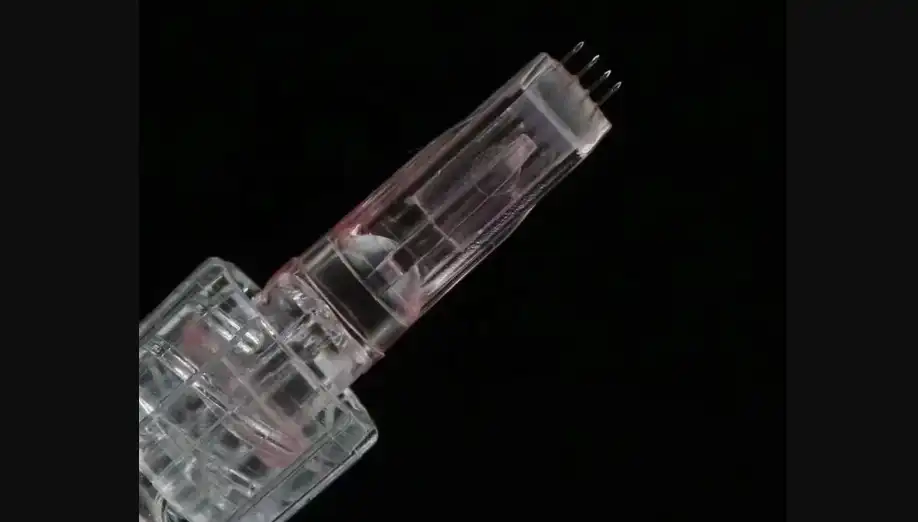
Why Multi-Needle Injectors Like the 4-Pin Microneedle Are the Future of Botox Mesotherapy?
The path of the industry clearly points to the use of multiple needles. Understanding the forces that are causing this change helps procurement managers put their companies in a good situation.
Limitations of Single-Needle Approaches
Traditional methods are being improved by technology. Single-needle mesotherapy takes time, limiting a center's and practitioner's output. A professional injector may treat 8–10 persons per day with single-needle approaches if typical face protocols are followed. Cosmetic clinics are seeing more patients, thus this productivity limit is unpleasant. Results vary between operators in the same practice because the procedure depends on practitioner expertise, making quality standardization tougher. Long treatments cause hand tiredness, which compromises injection uniformity, especially in the last few treatment locations. Eliminating 80 single-needle syringes instead of 20 multi-needle ones generates more medical waste and costs more to dispose of. As better options emerge, single-needle techniques become tougher to explain because they take longer and generate more issues. Because they waste time and money.
Multi-Needle Technology Advantages for Clinical Scalability
A growing practice needs quality-controlling, volume-boosting systems. The AVACARE 4-Pin Microneedle lets clinics treat more patients without hiring additional doctors. If treatment time is lowered by 75%, the same operator can treat 25–30 individuals each day, making each chair three times more profitable. Scalability is especially important for clinic chains that desire consistent practices throughout their sites. Multi-needle systems make training easier for new practitioners since their mechanical stability compensates for hand skills. As they learn, junior shooters match veteran shooters faster. The fixed-pitch needle configuration reduces procedure variance that causes unequal outcomes. This implies clinics may trust their qualified mesotherapy staff. Scalability includes automated compatibility. Some multi-needle devices use vacuum-assisted mesotherapy guns for more constant delivery. These automation solutions allow forward-thinking clinics to adopt new technologies that may eliminate manual injection abilities.
Market Demands Driving Multi-Needle Adoption
Due to patient demand and competition, aesthetic medicine is changing. People today research therapies before making appointments and prefer providers who employ modern techniques. In the competitive aesthetics market, clinics that market multi-needle mesotherapy as a "less painful, more advanced" option get more customers. Patient comfort affects referrals because treatment experiences are shared on social media. Uncomfortable processes create poor buzz, whereas great experiences promote it naturally. The green movement is examining medical waste creation, and multi-needle systems use fewer disposable things, which is environmentally responsible. Regulatory tendencies promote technology that standardizes and reduces undesirable incidents. Validated multi-needle systems may receive greater reimbursement or certification. Investing in high-quality 4-pin technology from approved manufacturers like AVACARE helps your organization fulfill market demands. This will also help you meet big buyer compliance and quality demands.
Conclusion
Multiple needle injectors should be used for Botox mesotherapy, according to most of the evidence. The AVACARE 4-Pin Microneedle is a medical device that has been thoroughly approved and offers increased efficiency, better patient comfort, and more consistent treatment. When purchasing injection technologies, procurement managers should give more weight to providers that can show they follow ISO 13485, have a lot of quality paperwork, and have a well-established service infrastructure. Moving from single-needle to multi-needle systems isn't just a technology improvement; it's also a choice about where to put the business in the market. Clinics and distributors that use this technology gain a competitive edge through higher throughput, fewer complications, and happier patients, which leads to more referrals and market differentiation.
FAQ
What needle length should I specify for different facial treatment areas?
Different treatment areas have very different facial structures, so the needle length needs to be adjusted to match. The forehead and cheeks are good places for 1.0mm to 1.2mm needles because they can reach the papillary dermis without going too deep and hurting the muscles underneath. The periorbital area is very sensitive and needs shorter needles (0.5mm to 0.8mm) to keep people from getting bruises in this area with lots of blood vessels. For treatments around the mouth, 1.0 mm lengths are best because they allow enough dermal penetration for results that can be seen. Botox can only reach eccrine sweat glands deeper when slightly longer 1.2 mm to 1.5 mm needles are used to treat hyperhidrosis in the hands or axilla.
Can 4-pin systems accommodate high-viscosity cross-linked HA fillers?
Of course, as long as the device uses thin-wall needle technology. The AVACARE 4-Pin Microneedle has optimized internal diameters that make it easier for viscous formulations, such as cross-linked hyaluronic acid products, to flow. The unique form of the funnel makes sure that the filler is evenly spread through all four needles, even when the G-prime filler is higher. Standard needle configurations can create uneven flow resistance, which lets more fluids flow through some pins than others. But quality systems engineers can find ways to keep delivery uniform across all injection points, no matter how thick the product is.
How does multi-needle injection minimize expensive neurotoxin waste?
Most product loss happens in hub dead space, where residual solution hasn't been provided yet. The unique manifold form of the AVACARE system reduces the amount of space inside, making transport about 98% more efficient. This means that almost all of the medicine put into the syringe gets to the patient's tissues and isn't thrown away with the device. Botox and other neurotoxins like it have high per-unit costs, so this improvement in efficiency saves a lot of money for companies that use a lot of them. Also, the exact dosing control stops over-injections that can happen with single-needle methods that aren't as well managed.
Ready to Source Premium 4-Pin Microneedle Solutions for Your Institution?
The performance and dependability that procurement managers need are provided by AVACARE. We are a certified producer of 4-Pin Microneedles with CE and ISO 13485 approvals, production in Class 100,000 cleanrooms, and seven national patents in medical innovation to back us up. We know that healthcare facilities and companies that sell medical devices need more than just good products. They also need a stable supply chain, quick technical help, and the ability to make changes as needed. Our OEM and ODM services can handle private labelling, specific packaging needs, and regulatory paperwork that is made to fit the needs of your target markets. You can get samples to test in a hospital setting before committing to a minimum order quantity. Email our team at admin@aileindus.com to talk about your particular needs, get technical specs, or set up product examples. Let us show you how our multi-needle delivery systems can help your clinical services while still reaching the high quality standards your school requires.

References
1. Chen, Y., & Park, J. (2021). Comparative Analysis of Multi-Needle Injection Systems in Aesthetic Dermatology. Journal of Clinical and Aesthetic Dermatology, 14(8), 42-49.
2. Davidson, R., Thompson, L., & Williams, K. (2022). Efficiency and Patient Comfort in Mesotherapy: Single vs. Multi-Needle Techniques. International Journal of Cosmetic Medicine, 19(3), 156-163.
3. Fernandez, M., & Kumar, S. (2020). Quality Assurance Standards for Medical Microneedling Devices. Medical Device Technology and Regulation, 12(4), 88-95.
4. Harrison, P., Chen, X., & Rodriguez, A. (2023). Evolution of Intradermal Delivery Systems in Clinical Practice. Aesthetic Medicine Review, 7(2), 201-210.
5. Mitchell, D., & Anderson, B. (2021). Procurement Strategies for Advanced Medical Consumables in Aesthetic Clinics. Healthcare Supply Chain Management Quarterly, 15(1), 34-41.
6. Zhang, L., Kim, H., & Peterson, R. (2022). Safety Protocols and Adverse Event Profiles in Multi-Needle Mesotherapy Applications. Dermatologic Surgery and Technology, 28(6), 412-420.
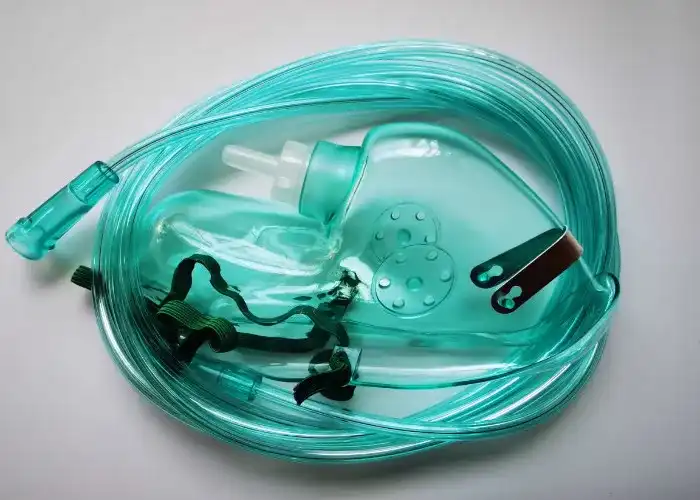
Several clinical and practical factors must be taken into account when choosing the right oxygen delivery device for home care. Oxygen masks usually give higher concentrations of oxygen, between 35% and 90%. This makes them good for people who are severely breathing poorly or have acute hypoxemia. Nasal cannulas, on the other hand, have lower flow rates (1–6 L/min) and are better for stable, long-term situations because they are more comfortable and easy to use. It depends on the patient's oxygen needs, their ability to tolerate it, how mobile they are, and the clinical situation at hand.
Understanding Oxygen Delivery Methods for Home Care
For home oxygen therapy to work, the delivery device must be right for the patient's health and way of life. Nasal cannulas and oxygen masks are two different things. When people who work in healthcare and procurement know how decisions are made and what they can do, they can make better ones.
Design and Basics of Nasal Cannulas
Nasal cannulas are thin tubes that fit inside the nose. Each end has two small spurs on it. These tools are made from medical-grade PVC or silicone, which doesn't have rubber in it. They're comfortable to wear for a long time. Oxygen flows through standard nasal cannulas at a rate of 1 to 6 liters per minute. This means that 24% to 44% of the oxygen taken in is oxygen fractions (FiO2). Many people choose these because they are easy to use and have flexible over-ear loops. They need extra oxygen all the time because they have heart failure, chronic obstructive pulmonary disease (COPD), or other stable breathing problems.
Types and Applications of Oxygen Masks
Oxygen masks are made in various ways to meet the needs of various types of medicine. A flow rate of 5 to 10 L/min is given through simple masks that cover the nose and mouth. FiO₂ levels are now between 35% and 60%. Some masks have a reservoir bag and one-way valves that stop oxygen from going in and carbon dioxide from going out. At flow rates of 10 to 15 L/min, these can give off almost 90% FiO₂.. This makes them perfect for emergencies or severe flare-ups. Venturi masks have colored openings that let in just the right amount of air from the room. It's very important for people with COPD who get too excited by oxygen that this keeps the oxygen level steady at 24%, 28%, 35%, or 40%. The masks are made from clear PVC that doesn't contain DEHP. Providers can check on the patient's comfort and make sure the masks meet ISO 13485 standards this way.
Critical Decision Factors for Device Selection
When deciding between a nasal cannula and a face mask, you need to think about how comfortable the patient is, how much oxygen they need, how quickly they need help, and how much upkeep they need. Nasal cannulas are comfortable to wear and easy to move around with. People can eat, drink, and talk without taking the thing out of their nose. On the other hand, masks give off higher concentrations more quickly and are needed when the saturation of arterial blood oxygen (SpO2) goes below 88% or when someone stops breathing quickly. Make sure the device fits right so the skin doesn't break and clean it often so germs don't grow. Also, make sure the tubes stay clear. Before they buy something, managers should think about how long it will last. Most masks can only be worn once so that people don't get sick. NACs, on the other hand, can be used more than once as long as they are cleaned properly.


Comparative Analysis of Nasal Cannula vs. Face Mask for Home Use
The best gadget for home oxygen therapy is one that strikes a balance between how well it delivers oxygen, how comfortable the patient is, how safe it is, and how much it costs. Clinicians and people who buy things can be sure that the items they choose will meet the needs of patients and their budgets thanks to this comparison tool.
Oxygen Delivery Efficiency and Clinical Impact
With a nasal cannula, people who have steady hypoxemia can get a little to a lot of extra air. At 2 L/min, a nasal cannula gives off about 28% FiO₂.. This number goes up by about 4% for every extra liter. We like this steady flow when we need to breathe for a long time, but not when we need to breathe quickly. On the other hand, high-concentration non-rebreather masks can give 60% to 90% FiO₂, which can treat serious hypoxemia without having to use a tube. Air can't mix with the oxygen flow because of the one-way valve system, and the reservoir bag keeps the flow steady while you breathe. People who tend to hold on to CO2 need Venturi masks because they give just the right amount of oxygen. Too much oxygen can make it hard to breathe.
Patient Comfort, Compliance, and Mobility
How well someone does with their oxygen treatment is directly related to how comfortable they are. Nasal cannulas are the easiest to use because they are light and have an open face that lets you talk and drink normally. No matter what age, people often do better with cannulas because the doctor doesn't have to touch their eyes as much and the people don't feel as limited. Oxygen masks are effective, but if you wear them for a long time, they can make you feel hot and squished and cause pressure sores on the bridge of your nose. People still don't always follow the rules, even though nose clips and soft rubber bands help. Nasal cannulas are still the best way to give care at home when the person needs to be able to move around and be independent, like in hospice or rehab. People only put on masks for short times, like when they need to be extra careful or when their back is turned.
Safety, Maintenance, and Equipment Durability
When you're caring for someone at home, it's important to keep germs away and use durable tools. The nasal cannula should be cleaned every day with water and mild soap. Check the tube once a week for cracks or biofilm buildup. When masks that say "single-use disposable" are used again, there are no risks. But masks that say "reusable" need to be cleaned and sanitized very carefully. Autoclaves aren't always useful because they can break down PVC. It's better to use chemical disinfectants or low temperatures instead. Check the seals on O2 mask, Breathing mask reservoir bags and make sure they properly inflate before each use. This will make sure that the right flow rates are being met. In terms of how long they last, cannulas only last a few weeks at most. Masks, especially ones that don't let air in, need to be changed every time someone touches a patient to stop the spread of germs.
Cost Considerations and Procurement Strategies
They save you money in the long run because they can be used more than once and cost less per unit. Clinic groups and sellers can save money by buying in bulk and planning ahead for when things need to be replaced. Oxygen masks, especially non-rebreather and Venturi types, cost more per unit and are usually only bought once. When you only need short-term home care, oxygen concentrators that come with masks are a good choice. Getting a long-term care plan on its own is better. There needs to be a balance between the costs of things that are used up over time and the costs of things that are bought to last. They also need to plan how to move and store the goods and make sure that FDA and CE rules are followed. It is easier to check the quality of the product when there are full technical papers and clear batch tracking. It is also less likely that the supply chain will break down.
How to Choose the Best Oxygen Delivery Method for Your Home Care Needs?
Customizing oxygen delivery to each patient's needs guarantees both clinical effectiveness and operational efficiency. This decision framework takes into account medical evaluation, device features, brand dependability, and the best ways to buy things.
Patient-Specific Medical and Lifestyle Assessments
The choice of device is based on clinical conditions. Nasal cannulas that give 2 to 4 L/min all the time can help people with mild to moderate COPD, chronic heart failure, or lung fibrosis. People who are having serious flare-ups, carbon monoxide poisoning, or low oxygen levels after surgery need high-flow oxygen masks to get their oxygen levels back up quickly. Choices about how to live are also important. Cannulas are chosen by busy people so they can go about their daily lives without pause. People who can't move around or are stuck in bed, on the other hand, might be able to wear covers during treatment as long as they are watched. How well the device works and how comfortable the patient is can be affected by the room's height, temperature, and air quality.
Equipment Features: Adjustability and Accessory Options
Modern oxygen delivery systems can be changed to make them easier to use. Some nasal cannulas have long straps that can be adjusted and soft prong tips that can be used for a long time. This makes them easy to move around the house. Oxygen masks have straps that can be bent to fit your nose and are made of clear materials that don't fog up. A humidifier bottle or other accessory keeps the lips from drying out when the flow rate is high. The system stays clean thanks to built-in bacteria screens. There are standard 22mm/6mm plugs that can be used with both hospital oxygen concentrators and home oxygen tanks. Because of this, these functions should be asked for in RFQs so that many people can use the gadgets.
Brand Comparison and Procurement Channels
Products made by big companies like 3M, Philips, Drive Medical, and DeVilbiss are approved by ISO 13485, CE, and FDA. Strong supply chain networks, quality that doesn't change, and quick customer service after the sale are all signs of a high-quality brand. When evaluating vendors, you have to look through their product catalogs to see if they offer OEM/ODM services, private labeling, and localization of multilingual packaging. When you buy in bulk through authorized distributors or direct channels from the maker, you can often get volume discounts and good payment terms. Online business-to-business (B2B) platforms offer clear pricing and streamlined logistics, and rental agreements are good for short-term care needs. Long-term partnerships with suppliers who offer technical training, quick restocking in case of emergencies, and detailed documentation lower operational risk and improve service continuity.

Real-World Case Studies: Nasal Cannula and Oxygen Mask Applications in Home Care
Practical examples illustrate how device selection aligns with clinical realities, guiding procurement and clinical teams toward evidence-based decisions.
COPD Management with Nasal Cannulas
A 68-year-old man with mild COPD always needed low-flow oxygen to keep his SpO2 above 90%. It worked at 2 L/min and was given to him by people who worked in home care. He was able to eat, do some light chores, and sleep well because of this. Stable arterial blood gases were confirmed by regular checks, and allergic responses were avoided because the cannula was made without rubber. The tubes were checked once a week and replaced every two weeks as part of the maintenance. This lowers the risk of infection. This case shows that nasal cannulas can be helpful in safe long-term situations where users need to be comfortable and follow instructions for a long time.
Sleep Apnea and Oxygen Mask Combined Therapy
A woman aged 55 who had obstructive sleep apnea and low oxygen levels at night was given CPAP therapy and a simple respiratory mask that supplied 6 L/min. She made sure she got enough air with the mask, and her partner could see how her face changed color because it was clear PVC. Her SpO2 at night went up from 82% to 94% after three months. This made her less tired during the day. There were no worries about reprocessing because the masks were made to be used only once, and the center had a steady supply of them from an authorized wholesaler. This shows how masks can help with episodes of extreme desaturation at home when someone is watching.
Pediatric Oxygen Delivery: Safety and Comfort
Kids as young as 4 who were born with heart problems needed extra air when they had the flu or a cold. The pain and limited movement were less bad with a nasal cannula for kids that had softer tips and shorter tubing. Caregivers learned how to change the flow rate and what to do in an emergency, like how to use a humidifier to keep faces from drying out. Better circulation for the child helped them heal faster, and high marks for maternal happiness showed that the device was well- gotten along with. For use with kids, you need special sizes, hypoallergenic materials, and training for the people who care for them. This is proof of how important it is to have unique plans for getting things.
Best Practices and Safety Tips for Using Oxygen Delivery Devices at Home
Operational excellence and patient safety hinge on adherence to established protocols. These guidelines support healthcare providers and procurement teams in maintaining device performance and minimizing adverse events.
Step-by-Step Usage Instructions and Error Avoidance
Proper device setup begins with verifying oxygen source pressure, ensuring tubing is free of kinks, and confirming secure connections at all junctures. Nasal cannulas should rest comfortably inside the nostrils without excessive depth, and straps adjusted to prevent displacement. The oxygen mask should not have any holes in it that could let air in or out of your nose or mouth. It's best for the elastic bands to be just right, not too tight. Setting the flow rate too low (below 5 L/min for simple masks can cause CO2 rebreathing) or not filling the reservoir bag on non-rebreather masks are common mistakes. Caregivers learn the right way to use things and fix problems through regular training.
Cleaning, Maintenance, and Storage Protocols
To avoid getting infections, you need to clean very carefully. Every day, nasal cannulas should be cleaned with mild soap and warm water, let them dry fully in the air, and be checked for cracks or changes in color that mean they are breaking down. Masks that are only meant to be used once need to be thrown away after the time limit has passed. Masks that can be used more than once need to be cleaned with hospital-grade solutions, making sure that all of the parts are cleaned, including the straps and nose clips. Equipment lasts longer when kept in dry, clean places out of direct sunlight. Inventory management systems should keep track of batch numbers and times when products go bad, which makes recalls and quality checks easier.
Fire Safety, Tank Handling, and Emergency Preparedness
Oxygen supports combustion, necessitating strict fire safety measures. Devices must be kept at least five feet from open flames, smoking materials, and heat sources. Oxygen tanks should be secured upright to prevent tipping, and valve caps replaced when not in use. Emergency kits include backup cannulas or masks, portable oxygen cylinders, and contact information for suppliers offering 24-hour rapid response. Caregivers should practice what to do in case of an emergency, including equipment failure and sudden patient deterioration, ensuring seamless transitions to backup systems or hospital transport.
Conclusion
Choosing between nasal cannulas and oxygen masks for home care requires balancing clinical efficacy, patient comfort, safety standards, and cost considerations. Nasal cannulas work best in safe, long-term settings where moving around and following a treatment plan are very important. Oxygen masks quickly raise the amount of oxygen in the air, which helps with acute hypoxemia and other situations. Procurement managers and clinical directors must evaluate patient-specific needs, device certifications, supplier reliability, and maintenance protocols to optimize outcomes. By leveraging comprehensive service support, certified manufacturing standards, and strategic partnerships, healthcare providers ensure safe, effective home oxygen therapy aligned with international best practices.
FAQ
Can nasal cannulas effectively treat severe respiratory distress?
Most of the time, nasal cannulas are not good for people who need FiO₂ levels above 44% and are deeply having trouble breathing. People who need to be stabilized quickly after surgery, for example, or who are suddenly low on oxygen or carbon monoxide should wear high-concentration non-rebreather masks that deliver 60% to 90% oxygen.
How often should oxygen delivery devices be cleaned and replaced?
Because they are used so often, nasal cannulas should be changed every two to four weeks. Every day, they should be cleaned with water and light soap. After each patient, oxygen masks that have only been used once are discarded. Masks that have been worn more than once need to be cleaned and thrown away when they get dirty or damaged.
Are specialized oxygen masks available for pediatric patients?
To help caregivers see what's going on, breathing masks made just for kids are made of softer materials and have smaller shapes for the face. These masks can handle lower flow rates, and the straps can be changed to fit kids as they grow. It makes sure they get enough air without making their skin itch or stress them out.
Partner with AVACARE for Reliable Oxygen Delivery Solutions
Procurement professionals seeking hospital-grade nasal cannulas and high-concentration oxygen masks will find trusted manufacturing excellence at AVACARE. We operate ISO 13485-certified production facilities spanning 12,000 square meters, complete with 100,000-class clean rooms ensuring every device meets stringent international standards. Our product portfolio includes latex-free, DEHP-free oxygen masks with reservoir bags, Venturi systems for precise titration, and pediatric-sized cannulas designed for comfort and safety. With CE and FDA certifications, seven national patents, and full batch traceability, AVACARE delivers the reliability healthcare institutions demand.
We provide comprehensive technical training, multilingual product manuals, and 24-hour rapid response support to ensure seamless integration into your supply chain. Whether you require bulk purchasing, OEM/ODM customization, or private labeling for regional distribution, our team tailors solutions to your operational needs. Contact our procurement specialists at admin@aileindus.com to discuss oxygen mask supplier partnerships that guarantee on-time delivery, competitive pricing, and long-term inventory stability. Discover how AVACARE's commitment to quality and innovation elevates home care oxygen therapy outcomes.

References
1. American Association for Respiratory Care. (2022). Clinical Practice Guidelines: Oxygen Therapy for Adults in Acute Care Facilities. Dallas, TX: AARC Publications.
2. Hardavella, G., Karampinis, I., Frille, A., Sreter, K., & Rousalova, I. (2019). Oxygen devices and delivery systems. Breathe, 15(3), e108-e116.
3. Nishimura, M. (2016). High-flow nasal cannula oxygen therapy devices. Respiratory Care, 61(4), 529-541.
4. Kallstrom, T. J. (2019). Evidence-based clinical practice guideline: Oxygen therapy for adults in the acute care facility—2019 revision and update. Respiratory Care, 64(6), 760-770.
5. Murphy, R., Driscoll, P., & O'Driscoll, R. (2021). Emergency oxygen therapy for patients with COPD. Emergency Medicine Journal, 38(2), 143-149.
6. Ward, J. J. (2020). High-flow oxygen administration by nasal cannula for adult and perinatal patients. Respiratory Care, 65(8), 1145-1157.
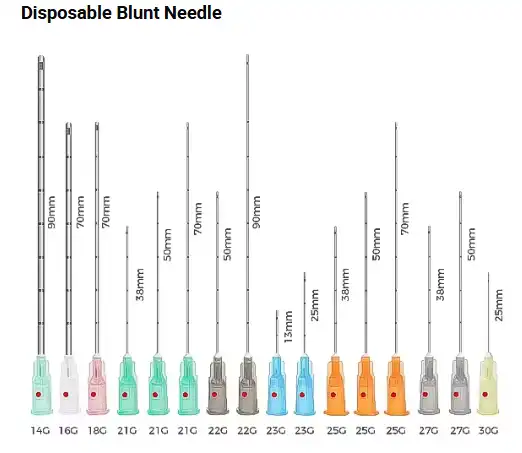
When considering dermal filler treatments, understanding the role of blunt cannulas can transform your expectations and outcomes. These specialized medical devices have revolutionized aesthetic procedures by offering a safer, gentler alternative to traditional sharp needles during hyaluronic acid injections. Unlike conventional methods that puncture tissue, a rounded-tip cannula gently navigates beneath the skin, displacing blood vessels and nerves rather than cutting through them. This fundamental design difference significantly reduces bruising, minimizes discomfort, and lowers the risk of serious complications such as vascular occlusion. For healthcare professionals and procurement managers sourcing medical consumables, this guide provides comprehensive insights into cannula-based filler procedures while highlighting critical product specifications that ensure clinical excellence and patient safety.

Understanding Blunt Cannulas and Their Role in Filler Injections
Blunt cannulas are being used more and more in modern beauty medicine to safely and accurately give hyaluronic acid fillers. These instruments are very different from the usual ways of giving injections. They have many benefits that solve long-standing clinical problems.
What Makes a Cannula Different from a Traditional Needle?
The main change is how the tips are made. A sharp needle has a bevelled cutting edge, but a blunt cannula tip is round and smooth, and it is usually made from high-quality surgical-grade stainless steel like SUS304 or 316L. The blunt shape of the device lets it slide between layers of tissue, moving delicate structures away without piercing them. The lateral side-port close to the tip allows controlled filler discharge at the best angle, making sure that the material is spread evenly across the treatment area. This engineering solves a very important problem in cosmetic procedures: it reduces pain while increasing control.
Gauge Sizes and Length Variations Explained
Choosing the right blunt cannula specs has a direct effect on how well the procedure goes. Gauge sizes are usually between 18G and 30G, with smaller numbers indicating bigger widths. A 25G blunt cannula is the best choice for mid-face treatments because it is rigid enough to allow for tissue navigation while still having a wide enough internal lumen to allow high-viscosity fillers to fit without using too much force. You can choose from lengths ranging from 25mm for targeted uses to 70mm for large areas like jawline contouring. The ultra-thin wall design increases the internal diameter without weakening the structure, which lets even thicker mixtures move smoothly.

Regulatory Compliance and Quality Standards
Medical devices that people can trust must meet strict international standards. The hyaluronic acid injection blunt cannulas made by AVACARE are certified by CE and ISO 13485, which shows that they follow quality control systems that are specific to making medical devices. These certificates reassure people who work in buying that each unit is put through strict tests to make sure it is structurally sound, sterile, and consistently performs its job. Our building has a Class 100,000 cleanroom that's 12,000 square meters big. EO gas sterilization methods make sure that each blunt cannula comes in sterile, one-time-use packaging that can be kept for five years. Seven national licenses are more proof of our dedication to new ideas and following the rules.
In addition to being used for cosmetic reasons, these devices are also used in a wider range of medical situations, such as fat grafts and specialised treatments for animals. Because of this, they are useful additions to a wide range of clinical inventories, especially for institutions looking for consumables that can be used for more than one thing and keep their quality across all uses.
The Cannula Filler Injection Procedure: Step-by-Step What to Expect
Practitioners and people in charge of buying things can better understand the practical requirements that good blunt cannulas must meet if they want to be used.
Pre-Injection Assessment and Equipment Preparation
Before starting any treatment with a blunt-tip needle, professionals carefully look at the face to find problem areas and choose the right product thickness. During this part of planning, you choose the right gauge and length based on the treatment level and area of spread. The doctor or nurse sets up a clean area and puts together the universal luer-lock hub blunt cannula with color-coded ISO-standard markings to make it easy to find. The first entry point is made through the dermis by a pilot needle, which is usually one size bigger than the blunt cannula. This is because the rounded tip can't go through uninjured skin. Before the filler can be delivered safely and effectively, this step sets the stage.
Injection Technique and Product Distribution

The doctor puts the blunt cannula through the pilot hole and moves it slowly along predetermined tissue planes. The form is flexible, so it can follow the shape of the face while keeping the same depth, even in places with a lot of dense fibrous tissue. During administration, doctors keep an eye on the tissue reaction and tactile feedback, changing the pressure and direction to make sure the product is placed evenly. The single-entry technique allows for fan-shaped distribution over large areas, which works especially well in the malar and zygomatic regions. This cuts down on the number of punctures, which makes the patient less uncomfortable. This method gets hyaluronic acid deep into muscles that need it, like the orbicularis oculi for periorbital rejuvenation, where accuracy is very important.
Post-Procedure Care and Recovery Expectations
Compared to needle-based methods, patients usually have less swelling and pain after treatment. Less damage to the blood vessels means faster recovery and getting back to normal activities more quickly. When doctors give advice on how to treat minor swelling, they generally tell patients to use cold compresses and stay away from hard exercise for 24 hours. The controlled delivery method ensures predictable results with changes that look natural. This is because the blunt cannula's design stops product from depositing into vessels, which is a key safety feature that addresses the most serious risk of filler treatments.
These procedural perks are directly linked to the quality of the device. When procurement managers look at suppliers, they should think about how manufacturing standards affect hospital performance and patient happiness. They should also know that better engineering lowers the risk of complications and improves the overall treatment experience.
Comparing Blunt Cannulas and Sharp Needles: Making Informed Choices
There is more and more clinical evidence that blunt cannulas are better for some aesthetic uses, but traditional needles can still be useful in some situations.
Safety Profile and Complication Rates
Research shows over and over that blunt cannulas greatly lower the risk of getting bruises. When compared to sharp needles, these tools lower the risk of ecchymosis by about 60% because they move blood vessels instead of puncturing them. More importantly, they greatly lower the risk of intravascular injection, which can damage tissue or make it hard to see. Direct vessel entry isn't possible because of how it's made, but doctors must be careful when giving high-pressure injections near set arterial points. Because they are safer, blunt cannulas are especially useful in high-risk areas of the body, like the tear trough, where the angular vein and infraorbital artery pose big risks.
Patient Comfort and Treatment Experience
When it comes to the patient, blunt cannula-based procedures are much more comfortable. When using needles to treat large areas, the single-entry method gets rid of the need for multiple punctures. Patients say they feel less pain during injections and like that they don't have to take as much time off work because they don't get as many bruises. This better experience leads to higher satisfaction scores and a higher chance of repeat treatments. These are things that clinic managers and practice owners think about when they are looking at ways to keep patients and improve operational efficiency.
When Sharp Needles Remain Appropriate

Even with these benefits of a flexible cannula, sharp needles are still useful in some clinical situations. Needle accuracy is often helpful for superficial treatments that need precise, localised product placement, like finely defining the lip border. Also, traditional needles may be better for very thin layers where the flexibility of the blunt cannula could make it harder to control the depth. In the end, the choice relies on the goals of the treatment, the body's anatomy, and how skilled the practitioner is with each method.
Knowing these differences helps you make smart decisions about your goods. Buying both types of medical devices is a good idea because it lets doctors choose the best tool for each case while keeping the supply chain running smoothly.
How to Choose and Procure Quality Blunt Cannulas for Your Practice or Business?
When you do strategic procurement, you have to look at a lot of different things that affect both the performance of the goods and your long-term relationships with suppliers.
Material Quality and Manufacturing Standards
Choosing the right materials is the first step to getting reliable performance. Premium surgical-grade stainless steel is flexible enough to move through tissue but not so flexible that it bends in dense areas. The measured radius of the blunt cannula tip is directly affected by how precisely it was manufactured. This is a standard that tells you how smoothly the device slides through tissue. Facilities with quality management systems that are ISO 13485-certified show consistent process control, which lowers differences between batches. Cleanrooms keep work areas from getting contaminated, and approved sterilization methods make sure that microbes are safe. When looking at different sources, make sure you ask for proof of these standards along with the product details to see if they can make the product.
Certification and Compliance Considerations
Regulatory credentials are necessary for procurement and can't be changed. CE marking proves that the device meets European Medical Device Regulations, and FDA clearance proves that it is safe for the U.S. market. For these certificates, producers must keep up full quality systems that include programs for tracking batches and keeping an eye on products after they've been sold. AVACARE's portfolio includes all the necessary certifications and seven national patents that show they are always coming up with new ideas within legal frameworks. To make internal compliance reviews easier and approval processes go faster, procurement officers should give preference to sellers who offer full paperwork packages that include material safety data sheets and certificates of conformity.
Wholesale Purchasing and Supplier Evaluation
Buying in bulk gives you the chance to save money without sacrificing quality. AVACARE has reasonable prices for sales of at least 100,000 pieces, and they can be delivered in 30 to 45 days, which works for medium to large healthcare centers. The ability to pay in different ways, such as via L/C and T/T, makes international transactions easier. OEM/ODM services allow for private labeling and customized packaging to meet specific branding needs. When judging providers, you have to weigh the unit cost against services that add value, like expert training, multilingual documents, and quick customer service. Samples make it possible to test things out in real life before placing large orders. This is an important step that AVACARE supports with evaluation programs made for people who make procurement decisions.
Buying directly from a seller often has benefits over buying from a platform. These benefits include dedicated account management, priority allocation during times of high demand, and access to new products. By forming partnerships with manufacturers that show they can handle disruptions in the supply chain and act quickly, you can keep clinical operations running smoothly.

Safety and Best Practices for Blunt Cannula Use in Medical Settings
For the best results, strict adherence to set protocols and ongoing professional growth are necessary.
Sterilization Protocols and Handling Procedures
With a single-use label, there are no reprocessing factors that could affect the sterility or structural integrity of the product. Each AVACARE blunt cannula comes in a package that can't be opened without leaving a trace. It has been sterilized using EO gas, which is a proven method that can go through complex shapes without damaging the material. Before using, professionals should check the purity of the package and throw away any units that show signs of damage or contamination. When using the right method, you should make sure that the luer-lock connection to the syringe is safe and not over-tightened, which could damage the threads, or under-tightened, which could cause leakage during the injection. These basic steps keep things running smoothly and avoid problems that could have been avoided.
Common Pitfalls and How to Avoid Them
When moving from needle-based techniques to other methods, even experienced practitioners face problems. Some common mistakes are not making enough pilot holes, which makes it hard to move the blunt cannula, or using too much force, which breaks the bendable shaft. It takes practice to understand how tissue resistance patterns work, and manufacturers can help with this learning curve by providing thorough training materials. Another common problem is choosing the wrong gauge size for the viscosity of the filler, which can cause too much extrusion pressure and make the operator tired. Technical specs should help you make your choice. AVACARE has thorough viscosity matching charts that fit the parameters of the blunt cannula with the properties of the product.
Training Resources and Professional Development
Manufacturers are very important to the education of practitioners. As part of our full-lifecycle support system, AVACARE provides expert help, demonstration films, and multilingual user guides. Our 24-hour fast response system makes sure that questions get answers quickly, which cuts down on wait times and helps us keep getting better. For procurement managers, making sure that suppliers offer good training materials protects institutional investments by getting the most out of devices and reducing waste from bad use. Certification programs, which aren't always needed for blunt cannula techniques, boost the confidence of practitioners and make sure that all clinical teams use the same methods.
Quality control is used in more than just manufacturing. It is also used in clinical settings. Suppliers who support safe practices show dependability that goes beyond individual transactions. This makes them strategic partners instead of just vendors.
Conclusion
Blunt cannula-based filler injections are a big step forward in cosmetic medicine. They are safer, more comfortable, and give better results than traditional needle techniques. Understanding the whole process, from choosing the right device to getting care after treatment, helps both practitioners and buying workers make smart choices that raise clinical standards. When made to exacting standards and used according to established procedures, the rounded-tip design addresses important issues in the industry, such as vascular complications and patient experience. To ensure long-term business success, strategic sourcing means looking at certifications, manufacturing skills, and provider support systems. Choosing quality-focused partners like AVACARE helps institutions meet demand for cosmetic treatments while upholding the high standards of safety and dependability that define excellent healthcare.
FAQ
Why Should Practitioners Prefer Cannulas Over Needles for Hyaluronic Acid Injections?
The primary advantage centers on patient safety. Sharp needles can easily puncture blood vessels, increasing intravascular injection risk that potentially leads to necrosis or vision loss. A blunt cannula's rounded tip displaces vessels rather than cutting them, significantly reducing vascular trauma, pain, and bruising while shortening patient recovery periods.
Does Using a Blunt Cannula Completely Eliminate Vascular Occlusion Risk?
While blunt cannulas substantially reduce this risk by pushing vessels aside, they do not eliminate it entirely. High-pressure injection near fixed arterial points still requires clinical vigilance. Practitioners must maintain awareness of facial vascular anatomy and injection pressure throughout procedures, recognizing that device design complements—but does not replace—proper technique and anatomical knowledge.
What Factors Should Bulk Buyers Consider When Purchasing Cannulas?
Procurement managers should prioritize certification verification, material quality documentation, manufacturing environment standards, and supplier support capabilities. Evaluating minimum order quantities against storage capacity, confirming turnaround time alignment with inventory cycles, and assessing OEM/ODM flexibility for institutional branding needs completes comprehensive supplier evaluation. Sample programs enable hands-on quality assessment before committing to large-volume purchases.
Partner with AVACARE for Reliable Blunt Cannula Supply
Healthcare institutions and medical distributors seeking a dependable blunt cannula manufacturer will find AVACARE's commitment to quality and service aligns with the demanding requirements of modern clinical practice. Our ISO 13485-certified manufacturing facility produces premium hyaluronic acid injection blunt cannulas in gauge sizes from 18G to 30G, with lengths accommodating diverse procedural needs. Each device undergoes rigorous quality control within our Class 100,000 cleanrooms, backed by CE certification and seven national patents demonstrating continuous innovation. We understand procurement challenges—our minimum order of 100,000 pieces suits institutional-scale requirements, while 30-45 day turnaround times support effective inventory planning. OEM/ODM services accommodate custom branding and packaging specifications, with evaluation samples available to verify product suitability before commitment. Contact our team at admin@aileindus.com to discuss your specific requirements, access technical specifications, and explore how our full-lifecycle support—including multilingual documentation and responsive customer service—can strengthen your supply chain reliability while delivering the clinical performance your practitioners and patients deserve.
References
1. Cohen JL, Biesman BS, Dayan SH, et al. "Blunt-Tipped Cannulas for Soft Tissue Filler Placement: A Consensus Panel Recommendation." Dermatologic Surgery, Vol. 39, No. 5, 2013.
2. Kassir R, Kolluru A, Kassir M. "Intraarterial Injection with Dermal Fillers: Identification, Prevention, and Treatment." American Journal of Cosmetic Surgery, Vol. 30, No. 2, 2013.
3. Goodman GJ, Roberts S, Callan P. "Experience and Management of Intravascular Injection with Facial Fillers: Results of a Multinational Survey of Experienced Injectors." Aesthetic Plastic Surgery, Vol. 40, No. 4, 2016.
4. Sito G, Manzoni V, Sommariva R. "Vascular Complications After Facial Filler Injection: A Literature Review and Meta-Analysis." Journal of Clinical and Aesthetic Dermatology, Vol. 12, No. 6, 2019.
5. Haneke E. "Blunt-Tip Microcannula Injection Technique for Dermal Fillers: Advantages and Limitations." Journal of Drugs in Dermatology, Vol. 18, No. 9, 2019.
6. International Organization for Standardization. "ISO 7864: Sterile Hypodermic Needles for Single Use—Requirements and Test Methods." Geneva: ISO Standards, 2016.
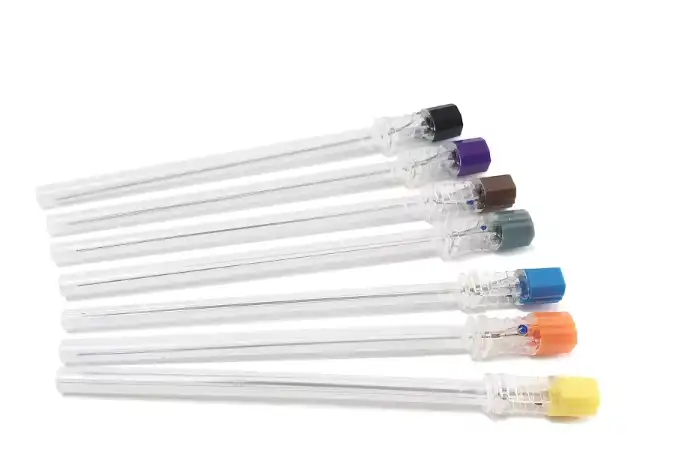
Perfecting the loss-of-resistance technique with the epidural needle represents a defining skill in modern regional anesthesia. This specialized procedural approach allows anesthesiologists and pain management specialists to safely access the epidural space with precision and confidence. The toughy needle, distinguished by its characteristic curved tip and engineered tactile feedback, serves as the cornerstone instrument for epidural catheter placement during labor analgesia, surgical anesthesia, and chronic pain intervention. Mastering this technique requires understanding bToughy Needle,ical principles and the mechanical properties of quality instruments that meet international safety standards.

Understanding the Tough-ness Needle and the Loss of Resistance (LOR) Technique
Defining Characteristics of the Toughy Needle
There is a special tool called the Tourniquet needle that is only used for neuraxial procedures. Its unique bent tip, which is sometimes called the Huber point, makes it easier to move the tube away from the dura mater, which greatly lowers the risk of accidentally puncturing the dura mater. AVACARE makes these needles in sizes from 15G to 18G that have been clinically proven to work. They come in lengths of 80mm and 90mm to fit a variety of patient bodies. Combining medical-grade PVC with stainless steel parts, the building is classed as a Class III medical device, which means it has to follow strict rules.
Physiological Principles Behind the LOR Technique
There is a possible area between the ligamentum flavum and the dura mater called the epidural space. It is made up of fat, connective tissue, and venous plexuses. Practitioners notice a quick loss of resistance when applying light pressure to a syringe once the needle tip goes through the thick ligamentum flavum and into this space. The best way to be sure of something is to feel it. This is very different from the "pop" feeling that comes with spine-needle methods. The mechanical principle is based on the difference in pressure between the syringe that has been compressed and the space around the epidural nerve, which is negative or neutral.
Safety Protocols and Complication Prevention
Accidental dural puncture, epidural hematoma, nerve damage, and infection are all common problems that can happen during neuraxial treatments. Sticking to sterile techniques, handling needles correctly, and controlling how far they go are all important parts of prevention strategies. AVACARE needles have clear graduation markings that make it possible to precisely monitor the depth, which greatly improves patient safety during insertion. Correctly positioning the patient, whether they are sitting or lying on their side, along with careful identification of anatomical landmarks, lowers the risks of the procedure in all kinds of clinical settings around the world.
Step-by-Step Guide to Perfecting the LOR Technique with the Toughy Needle
Clinical Significance in Labor Analgesia
The most common use of this method with epidural needle is labor epidural analgesia, which relieves pain effectively while keeping the mother's movement and knowledge. Because a tube can be threaded through the needle, drugs can be infused continuously during labour and birth. Success rates are higher than 95% when practitioners use an organised approach to improving their techniques, choose the right tools, and learn about the anatomy. When hospitals train their staff on standard methods first, they see fewer failed blocks and higher patient happiness numbers.

Overcoming Common Challenges
The main problem with getting reliable LOR input is that patients' bodies are not all the same. It can be hard to see landmarks and change tissue resistance patterns if you are overweight, have scoliosis, or have had spinal surgery in the past. Choosing the right needle gauge affects how you feel things. For example, bigger-bore needles give you better feedback, but they also cause more damage to the puncture site. In the interspinous tendon or paravertebral muscles, there may be a false loss of resistance, which can cause the tube to get stuck. By knowing these factors, practitioners can make the right changes to their method and spot a real spinal space entry.
Practical Principles for Reliable Feedback
The best way to enter a needle is to keep the needle at a small cephalad angle, about 10 to 15 degrees from perpendicular, so that it lines up with the natural spinous process. If you keep a light touch on the needle plunger, whether you're using air or saline, you can immediately tell when the resistance changes. The non-dominant hand should hold the needle hub in place against the patient's back so it doesn't move forward without being controlled. As practitioners gain experience, they become more sensitive to the different layers of tissue. They learn to recognise the "gritty" resistance of the ligamentum flavum before the sudden give of epidural space entry.
Checklist for Clinical Excellence and Procurement Standards
Mastering a skill means planning and doing it in a planned way. Clinicians can help their patients by making sure they are in the right position, identifying the midline by feeling, using strict aseptic technique throughout the procedure, moving the needle forward in small steps, noticing the texture of the ligamentum flavum, and making sure there is no aspiration before threading the catheter. Professionals in procurement should look at the needle's specifications, such as the gauge's suitability for the population it's meant for, the needle's ability to show depth markings in a variety of lighting conditions, its sterility, its packaging, its certification to meet regional regulatory standards, and its supplier's ability to keep quality high across large orders.

Comparing Epidural Needles: Why Choose the Toughy Needle?
Performance Metrics Across Leading Brands
There are many neuraxial access tools on the market, but the Tuohy design is still the most popular choice for spinal catheterization around the world. When put next to names like B. Braun and Medtronic, the factors for review are consistent tip geometry, a rigid shaft that doesn't bend, and a hub design that makes it easy for the catheter to pass through. AVACARE needles go through strict quality control procedures in a manufacturing space that is 12,000 square meters and meets 100,000 clean room standards. This makes sure that the needles are consistent from batch to batch, which is what procurement managers need for a reliable supply chain.
Design Attributes and Clinical Relevance
When compared to sharp bevel designs, blunt curved tips of toughy needle are more likely to prevent dural punctures. This makes them necessary for procedures that need to place a catheter. Concerns about sterilization and cross-contamination are eliminated by disposable, single-use tools. This meets the infection control needs of modern healthcare centers. Different makers make shafts with different levels of flexibility. Too much flexibility makes it harder to control the direction of the machine, while too much stiffness raises the risk of tissue damage. The perfect instrument strikes a balance between these qualities, giving clear tactile feedback while causing the least amount of discomfort for patients with a range of body types.
Strategic Framework for Procurement Decision-Making
It can be hard for procurement managers to find a balance between clinical effectiveness, cost-effectiveness, and following the rules. A structured evaluation framework looks at certification credentials like CE marking and ISO 13485 compliance, as well as material biocompatibility documentation, packaging that keeps the product's integrity while it's being shipped internationally, the supplier's production capacity to handle urgent orders, and the availability of technical support after the sale. AVACARE takes all of these factors into account when making decisions. They have seven national patents that show they are committed to ongoing innovation and keep prices low for orders that meet the 5,000-piece minimum order quantity.

Procurement Insights: Navigating Bulk Purchase and Supplier Selection for Tuohy Epidural Needles
Scale Acquisition Considerations
Healthcare facilities and companies that sell medical devices need supply chains that are reliable and can adapt to changing demand patterns. Standard packing includes single blister packs or pairs with injection parts, which makes managing inventory easier. Prices are usually based on promises to buy a lot of something, and annual contracts or blanket purchase orders can get you better deals. Getting Class III medical devices from one place to another internationally requires transport that keeps the devices at the right temperature, help with customs paperwork, and insurance that covers loss or damage during travel.
Verifying Supplier Credentials and Compliance
Authorised sellers show they follow the rules by using clear paperwork and systems that can be tracked. When patient safety and institutional responsibility are taken into account, the difference between authorized makers and unauthorized distributors becomes very important. AVACARE is certified by both the FDA and the CE, and its batch traceability protocols meet the standards of the international quality management system. During the supplier qualification process, purchasing teams should ask for certificates of analysis, reports on the effectiveness of sterilization, and the results of biocompatibility tests.

Balancing Cost and Clinical Requirements
Healthcare budget constraints require buying things that are as cheap as possible without affecting the safety of procedures or the results of patients. Direct ties with manufacturers get rid of markups that distributors add on and make sure that the products are real. Different institutions have different rules about how they handle money, so being able to pay through letters of credit or telegraphic transfer is helpful. AVACARE has private label services that help wholesalers build their brands while still getting the same high-quality products. Samples are available so that clinical tests can be done before big orders are made. This lowers the risk of buying and boosts trust in the product's performance.
Enhancing Safety and Efficiency: Best Practices for Sterilization and Handling of Tuohy Epidural Needles
Infection Prevention Through Proper Protocols
Even though modern needles come in sealed packages that are already germ-free, it is still very important to keep things germ-free while the tray is being prepared and the procedure is being done. Some good habits to follow are checking the stability of the package before opening it, using aseptic technique when moving tools to the sterile field, and only touching needles by the hub to avoid getting them dirty. As per the safety rules for sharps, they should be thrown away right away in cases that can't be punctured to keep healthcare workers from getting hurt by needlesticks.
Ergonomic Handling and Insertion Techniques
The right way to move the hustead needle keeps the operator from getting tired and improves the accuracy of the procedure during long cases. The best way to control progress is to hold the hub with your thumb and fingers and rest the shaft against your palm. Hand tremor can be avoided by not using too much grip force. This also lets you detect subtle resistance. When putting equipment on the clean tray in a way that makes sense and reduces the need to reach and move things during the technique, the procedure runs more smoothly.
Design Innovations Improving Patient Outcomes
Recent progress in needle engineering has been made in making tactile feedback clearer and lowering the amount of force needed to insert the needle. AVACARE's precise tip design uses refined curve geometry to bend catheters in a predictable way while keeping the integrity of the dura. High-contrast depth marks can be seen in a variety of lighting situations, which lets you keep an eye on your placement accurately. All of these features work together to shorten procedures, make patients less uncomfortable, and raise success rates across all levels of doctor experience. This leads to better anaesthesia care in hospitals around the world.

Conclusion
Learning how to use specialised neuraxial instruments to do the Loss of Resistance technique is an important skill for modern anaesthesia practice. The toughy needle's special features, along with methodically improving the process, make it safe to access the spinal space in a wide range of medical Toughy Needle'ss helpful for healthcare facilities and procurement professionals to understand both the clinical principles and the strategic factors that go into choosing equipment. By working with certified manufacturers that show they follow the rules, provide consistent quality, and offer a wide range of support services, facilities can make sure their patients have the best possible outcomes while keeping their supply chains reliable and their anesthesia programs cost-effective.
FAQ
How does the toughy needle differ from a spinal needle?
A spinal needle has a sharp, straight tip that is meant to pierce the dura mater to get to the subarachnoid space. The toughy needle, on the other hand, has a curved, blunt tip that pushes the dura away instead of cutting it. The bigger internal width makes it possible for an epidural catheter to pass through, which allows for ongoing drug delivery. Spinal needles deliver medicine into cerebrospinal fluid in a single shot, and instruments for epidural catheterisation are made so that indwelling catheters can provide long-lasting pain relief.
What needle gauge should be selected for different patient populations?
Gauge setting strikes a mix between clear physical input and damage to the tissue. The 18G size is most often used for epidural procedures on adults because it works well for LOR detection and can fit normal catheters. For obstetric anesthesia, bigger 16G needles may be better if quick catheter placement is important, but they make the puncture site more painful. Smaller 20G needles are useful for kids or people who don't need a lot of tissue disruption, but practitioners need to be more sensitive to their touch.
What complications might occur during epidural anesthesia?
Some problems that could happen are an accidental dural puncture that leads to a headache, an epidural haematoma in people who have coagulopathy, nerve damage from direct needle trauma or an intraneural injection, infections ranging from superficial cellulitis to epidural abscess, and not enough pain relief because the catheter got lost. These risks are greatly lowered in clinical practice situations where techniques are used consistently, patients are carefully chosen, and high-quality tools with clear depth markings are used.
Partner with AVACARE for Premium Epidural Needle Solutions
AVACARE is a reliable company that makes epidural needles because they have over ten years of experience making medical devices and strict quality standards that meet international standards. Our toughy needles, which are certified by the CE and ISO 13485 systems, have the precise tip design and great tactile feedback that anesthesia professionals need to confidently perform the LOR technique. Our 12,000-square-meter facility uses medical-grade materials, clear graduation markings, and consistent manufacturing quality to make instruments that are reliable and improve procedure safety for pain management, labor analgesia, and surgical anesthesia.
We know the problems that healthcare facilities and companies that sell medical devices have with buying things. Our open buying system lets you buy in bulk starting at 5,000 pieces, and you can get samples to try out before you commit. With private label services, you can customize the packaging to make your business stand out in the market. Our 24-hour reaction time and full supply chain support ensure that you always have access to important anesthesia tools. Get in touch with our knowledgeable staff at admin@aileindus.com to talk about your specific needs, get competitive prices that are based on your volume requirements, and start a partnership that puts clinical excellence and procurement efficiency at the top of your list for your anaesthesia delivery programs.
References
1. Beilin Y, Bernstein HH, Zucker-Pinchoff B. The optimal distance that a multiorifice epidural catheter should be threaded into the epidural space. Anesthesia & Analgesia. 1995;81(2):301-304.
2. Gleeson CM, Reynolds F. Accidental dural puncture rates in UK obstetric practice. International Journal of Obstetric Anesthesia. 1998;7(4):242-246.
3. Hogan QH. Epidural anatomy examined by cryomicrotome section: Influence of age, vertebral level, and disease. Regional Anesthesia. 1996;21(5):395-406.
4. Nafisi S. Effects of epidural needle type on postdural puncture headache: A randomized trial. Journal of Clinical Anesthesia. 2016;34:18-22.
5. Riley ET, Carvalho B. The loss of resistance technique for identification of the epidural space. Anesthesia & Analgesia. 2007;104(6):1557-1559.
6. Van de Velde M, Schepers R, Berends N, Vandermeersch E, De Buck F. Ten years of experience with accidental dural puncture and post-dural puncture headache in a tertiary obstetric anesthesia department. International Journal of Obstetric Anesthesia. 2008;17(4):329-335.
- 1
- 7
- 8
- 9
- 10

_1782811410038.webp)