BLOG List
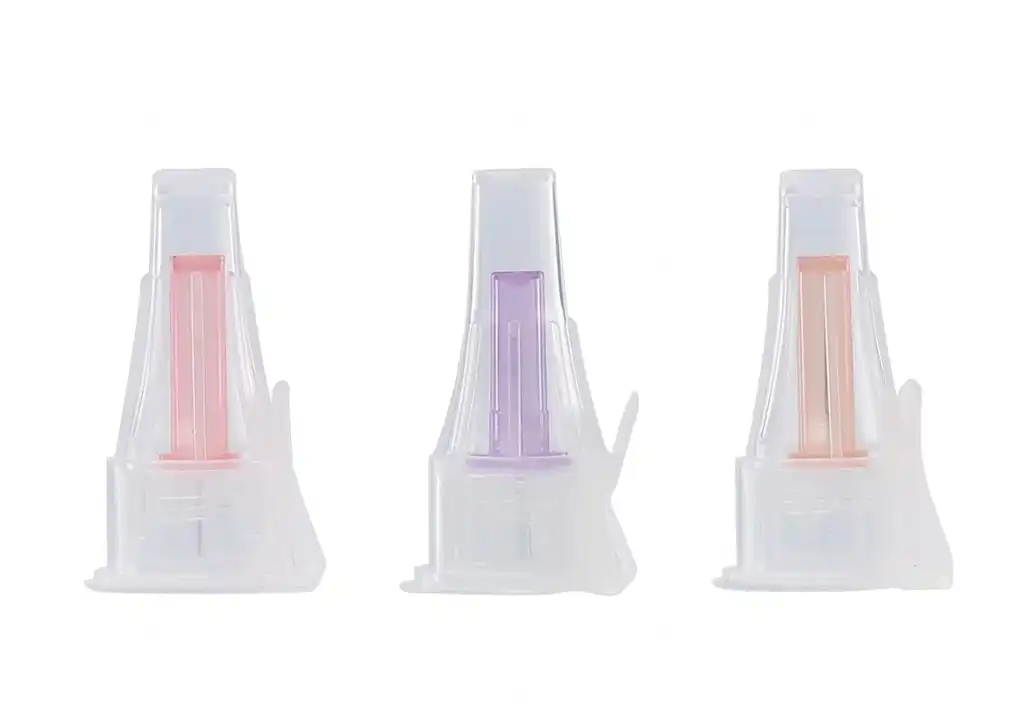
Understanding that a disposable insulin pen needle is a clean, precisely made medical device designed only for single-use subcutaneous insulin delivery is the first step in implementing best practices for disposable insulin pen needle use. These medical parts connect insulin pens to patient care, making sure that the right dose is given and lowering the risks of needle reuse, such as lipohypertrophy, infection transfer, and decreased drug flow. Healthcare institutions can protect patient results while keeping operations running smoothly by following set rules for things like the right way to give injections, how to store medications properly, and how to properly get rid of them. When purchasing teams choose quality-certified goods from reputable companies, they build a base for long-term clinical success and patient satisfaction in a wide range of care situations.
Understanding Disposable Insulin Pen Needles: Types, Sizes, and Safety
Core Features That Define Quality Insulin Pen Needles
Modern disposable insulin pen needles are a big step forward in the technology used to treat diabetes. These devices are made from medical-grade AISI 304 stainless steel and have lancet tips with three or five bevels that are covered with medical-grade silicone lube to protect the tissue while they are being inserted. The universal screw-on hub design makes it compatible with the most popular insulin pen brands around the world. This makes buying insulin pens easier for healthcare buyers who have to manage a wide range of tools.
Gauge and Length Specifications for Clinical Applications
The needle gauge is the outside width. It usually ranges from 29G to 34G, with higher numbers indicating smaller needles. Length choices range from 4mm to 12mm, so they can be tailored to each patient's body type and the needs of the injection spot. Ultra-fine 32G and 34G needles are used for kids and older people with sensitive skin or less fat tissue. 4mm and 5mm small needles keep people with a lower body mass index from accidentally injecting themselves into their muscles. Thin Wall (TW) and Extra Thin Wall (ETW) technologies increase the inner diameter without increasing the outer gauge. This makes sure that medications are delivered quickly, even through fine needles, which is important in healthcare settings where injection speed affects the number of patients seen.
Safety Standards and Sterilization Protocols
Quality control starts with the producing process. EO treatment keeps a 10⁻⁶ Sterility Assurance Level according to ISO 11135, which means that transport methods are guaranteed to be free of pyrogens and not harmful. The performance and size limits are set by ISO 11608-2 compliance, and the CE and ISO13485 certifications show that the company follows international quality management systems. AVACARE brand goods go through several steps of inspections, such as testing for penetration force, verifying bond strength, checking patency, and analyzing surface integrity using high-resolution microscopy to find any metal pieces or burrs that could put patient safety at risk.
Best Practices for Using Disposable Insulin Pen Needles
Preparation and Injection Technique Protocol
To use it correctly, wash your hands well with soap and water or an alcohol-based hand cleaner. Before opening the needle package, healthcare workers should make sure it is still sealed properly. The needle should then be attached to the insulin pen by aligning the screw threads and turning clockwise until it is securely in place. By entering two units and hitting the injection button, you can do an "air shot," which makes sure the medicine flows and gets rid of any air bubbles that could affect the accuracy of the dose. To keep lipohypertrophy from happening, injection sites should be switched between the upper arms, legs, belly, and thighs. Each site should only be used once every four weeks.
Injection Execution and Post-Administration Care
Skin preparation varies by school, but new research shows that people who take good care of their own hygiene may not need to be swabbed with alcohol. For people with little fat under the skin, pinching it makes a subcutaneous pocket. For people with more fat, they can inject at 90-degree angles without pinching. Maintaining needle insertion for 5–10 seconds after drug delivery stops medication leaks. This is especially important for larger doses. Taking out the needle right away and putting it in a sharps container that can't be punctured ends the safe injection cycle. This keeps people from getting needlestick injuries and increases the risk of cross-contamination in clinical settings.
Storage and Inventory Management Guidelines
Needles that haven't been opened should be kept in climate-controlled spaces between 15°C and 25°C (59°F and 77°F), out of direct sunlight and away from wetness, which could damage the packing. When healthcare facilities handle a lot of goods, they need rotation systems that follow the "first-expire, first-out" rule. They also need batch tracking systems that make it easy to quickly coordinate recalls if quality issues arise. AVACARE includes full batch paperwork and certificates of analysis with every package. This helps hospital quality control officers keep the long-term records of products that are required by regulations.
For B2B clients, these organizational best practices directly lead to results that can be measured. When healthcare facilities use standard guidelines for needle usage, infection rates go down, patient comfort scores go up, and medicine waste goes down. All of these things improve the facility's image and lower its costs.
Choosing the Right Insulin Pen Needle for Your Clients
Evaluating Needle Specifications Against Patient Demographics
Decisions about procurement should be based on the traits of the patient group. Pediatric care centers can use 32G or 34G needles that are 4 mm long to make injections easier for kids and make sure they are delivered properly under the skin. Bariatric patients may need longer 8mm or 12mm needles to reach enough fat tissue, but doctors are increasingly preferring shorter needles that are used correctly, no matter what body type the patient has. Endocrinology departments and clinical leaders should work together to look over injection site reaction reports and make changes to the needle specs based on patterns of bleeding, bruising, or patient discomfort.
Cost-Benefit Analysis for Disposable Versus Reusable Options
On the surface, reused needle systems look like they are a good deal, but a full financial study shows that they actually have hidden costs. For reusable needles to work, you need a system for sterilization, training for your staff, and strict upkeep plans. These costs add up over the lifecycle of the product. Disposable systems get rid of these extra costs while offering better infection control, which is very important in hospital settings with a lot of patients. When purchasing managers add up the total cost of ownership, which includes labor, equipment upkeep, and reducing risk, disposable insulin pen needles show a good return on investment, especially for hospitals that put patient safety and ease of use first.
Supplier Credential Validation and Quality Assurance
Manufacturers with a good reputation keep clear records of their quality control systems. Procurement teams should check that the seller has ISO 13485 certification, ask for certificates of analysis for sampling samples from different lots, and make sure that the supplier is following the rules for FDA registration that medical device businesses need to follow. AVACARE has a production center that is 12,000 square meters and has 100,000-class cleanrooms. The company's research and development teams have seven national patents for new needle designs. This production infrastructure supports reliable supply chains and regular quality output, which are important for hospital and clinic chains that need to keep their inventory on hand at all times.
Certifications are only one part of evaluating a supplier; service skills are also taken into account. Technical training programs, product documents in multiple languages, and 24-hour quick response systems are some of the things that set apart sellers who can handle complicated buying relationships. OEM and ODM features allow for private labeling and customized packaging, which is helpful for international healthcare companies that want to standardize product lines across regional sites while still using localized branding strategies.
Benefits and Challenges of Using Disposable Insulin Pen NeedlesClinical Advantages Driving Healthcare Adoption
Diabetes control results are significantly improved by disposable insulin pen needles. Cross-contamination risks still exist even with systems that can be used more than once, but single-use compliance gets rid of them. This lowers the rates of healthcare-associated infections shown in peer-reviewed clinical studies. Ultra-fine scales and precision-beveled tips in painless injection technology make patients much more likely to stick with their treatment plans. This is important because diabetes care research shows that injection fear is a major reason why 20–30% of insulin-dependent patients don't follow their plans.
Addressing Implementation Challenges Through Education
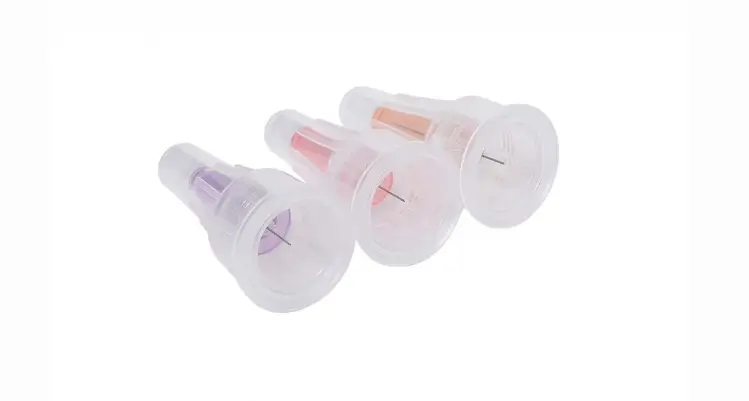
A common worry in buying is whether fine-gauge needles hurt the effectiveness of injections. Enhanced flow rate technology answers this question. Thin Wall innovations make the inner lumen diameter bigger without making the outer gauge bigger. This keeps the fast medication delivery that is needed in hospital processes with limited time. Color-coded cap systems make it easy to find the right size quickly when giving a lot of doses at once. This cuts down on selection mistakes that could affect the accuracy of dosing. When these user-centered design features are put into practice, they make it easier for nurses to take care of multiple patients with different needle needs.
A small number of injections cause reactions at the injection site, such as minor bruises, temporary soreness, or subcutaneous bleeding. These reactions are usually caused by bad technique, not problems with the product itself. These problems can be solved by giving staff a lot of training that focuses on the injection angle, site rotation, and when to remove the needle. Within three months of starting organized education programs, healthcare facilities that use them report big drops in patient complaints and tracking of adverse events.
Large hospital networks' procurement case studies show that better results come from ties with suppliers that go beyond business relationships. When facilities work with makers who offer on-site clinical training, demonstration videos, and ongoing technical advice, staff skills improve faster and patients are happier. AVACARE offers full support throughout the entire lifetime of a product, including professional technical training modules that are customized to meet the needs of each school. This makes sure that needle systems can be easily integrated into current diabetes management workflows.
Procurement Strategies for Disposable Insulin Pen Needles
Sourcing Channels and Volume Optimization
Finding purchase outlets that work with your organization's size and buying power is the first step to efficient procurement. Large hospital systems benefit from having direct ties with manufacturers because they can discuss prices, change the way products are packaged, and be sure that supplies will be distributed even when there are shortages. Medical device distributors work with mid-sized clinic chains that need to place smaller orders. However, procurement managers should check with the maker that the distributor is authorized and that the product is real. Group purchasing organizations (GPOs) are often used by international organizations to combine demand from all of their member sites. This helps them get big discounts while keeping a variety of suppliers on hand to reduce risk.
Minimum order amounts are a key point of discussion. AVACARE sets a minimum order size of 20,000 pieces for customized orders that meet OEM/ODM needs. Samples can be sent upon request to test the product before committing to the full-scale order. With this method, buying teams can do thorough performance reviews and collect feedback from healthcare staff without having to risk a lot of money.
Contract Terms Supporting Supply Chain Stability
Long-term supply deals should include language about how accurate forecasts should be, how to handle emergency orders, and price stable promises for 12 to 24 months. Lead time guarantees—usually 30 to 45 days for normal configurations—require estimates of buffer stock that take into account changes in demand and possible transportation problems. T/T (Telegraphic Transfer) or L/C (Letter of Credit) choices are common payment terms that balance managing cash flow with keeping good relationships with suppliers. L/C offers transaction security, which is especially useful for cross-border purchasing relationships.
Healthcare institutions are protected from batch quality deviations by quality assurance terms that set acceptance sampling processes, defect rate levels, and reaction times for corrective actions. As part of procurement contracts, suppliers should be required to keep up-to-date with thorough batch tracking systems. This way, if quality problems are found after the product has been sold, affected inventory can be quickly found. These contractual protections are in line with healthcare organizations' "zero tolerance" policy for product quality events. They help with both patient safety goals and meeting regulatory requirements.
Conclusion
The best way to use a disposable insulin pen needle is to carefully choose the right product and follow the steps exactly as they are written. This creates a complete plan for diabetes care that meets both patient needs and business goals. When healthcare procurement experts look at needle specs, they should make sure that the gauge and length match the needs of the patient, that the seller has the right credentials, and that the service ecosystem can do more than just send the product. The success of the implementation relies on how well the staff is trained to use the right techniques, how well the institution's rules are followed for storage and disposal, and how well the seller partnerships provide ongoing technical support. When companies include these things in their purchasing plans, they get long-lasting changes in patient outcomes, cost savings, and the reliability of their supply chains. These are the qualities that make modern diabetes treatment great.
FAQ
What needle gauge should we specify for adult patients with average body composition?
The best results are seen in adults with a normal body mass index (18.5-24.9) who use 31G or 32G needles that are 4mm to 6mm long. These standards make sure that subcutaneous delivery works well and causes as little tissue damage as possible to the patient. More and more clinical data supports shorter needles, no matter what body type, as long as the right injection method is used. This means that 4mm needles are good for most adult populations.
How do we ensure compliant disposal across multiple facility locations?
Set up standard procedures for placing sharps containers at all injection sites. The containers should be placed at a height that makes them easy for clinical staff to reach without having to bend over, which could lead to needlestick accidents. Partner with qualified medical waste management services that offer regular pickup plans, transportation records, and final disposal certifications that meet EPA and state rules. During training, staff should be told to throw away items right away after using them instead of putting them away temporarily in bags or on work tables.
Can disposable insulin pen needles accommodate patients with latex allergies?
Good disposable insulin pen needles are made from materials that don't contain latex, so people who are allergic won't have to worry about getting an allergic response. AVACARE products are made without latex or pyrogens, and the material specs are written down in records of analysis that can be reviewed by institutions. During the seller approval process, procurement teams should check to see if the product is latex-free and keep this information in product master files that clinical staff handling allergy guidelines can access.
Partner With AVACARE for Your Insulin Pen Needle Supply
Through an effective relationship with AVACARE, healthcare institutions looking for a reliable disposable insulin pen needle manufacturer can improve the results of their purchases. Our factory is approved by CE and ISO13485 to make high-quality needles with painless injection technology, global compatibility, and higher flow rates that meet basic therapeutic needs. We offer OEM and ODM services that let you make solutions that are unique to your needs. These services include private labeling, localized packing, and product standards that are based on the needs of your patients.
Our clear ordering process, clear wait times (30–45 days), flexible payment terms (T/T and L/C allowed), and sample availability for testing before committing to a large order are all benefits for procurement managers. Our 24-hour quick response system makes sure that technical questions get answered right away by an expert, and our extensive training materials speed up the development of staff skills. You can email our buying experts at admin@aileindus.com to talk about volume prices, get product samples, or find out how our full-lifecycle support model can help your diabetes care supply chain. We turn ties with suppliers into strategic partnerships that improve patient outcomes and business efficiency in a way that can be measured.
References
1. American Diabetes Association. (2023). Standards of Medical Care in Diabetes—Injection Technique and Device Selection. Diabetes Care, 46(Supplement 1), S123-S135.
2. Frid, A.H., Kreugel, G., Grassi, G., Halimi, S., Hicks, D., Hirsch, L.J., Smith, M.J., Wellhoener, R., Bode, B.W., Hirsch, I.B., Kalra, S., Ji, L., & Strauss, K.W. (2016). New Insulin Delivery Recommendations. Mayo Clinic Proceedings, 91(9), 1231-1255.
3. International Organization for Standardization. (2022). ISO 11608-2:2022 Needle-based injection systems for medical use—Requirements and test methods—Part 2: Needles. Geneva: ISO.
4. Hirsch, L.J., Byron, K.J., & Gibney, M.A. (2014). Intramuscular Risk at Insulin Injection Sites—Measurement of the Distance from Skin to Muscle and Rationale for Shorter-Length Needles for Subcutaneous Insulin Therapy. Diabetes Technology & Therapeutics, 16(12), 867-873.
5. Spollett, G., Edelman, S.V., Mehner, P., Walter, C., & Penfornis, A. (2016). Improvement of Insulin Injection Technique: Examination of Current Issues and Recommendations. Diabetes Educator, 42(4), 379-394.
6. U.S. Food and Drug Administration. (2021). Medical Device Quality Systems Manual: A Small Entity Compliance Guide. Silver Spring, MD: FDA Center for Devices and Radiological Health.
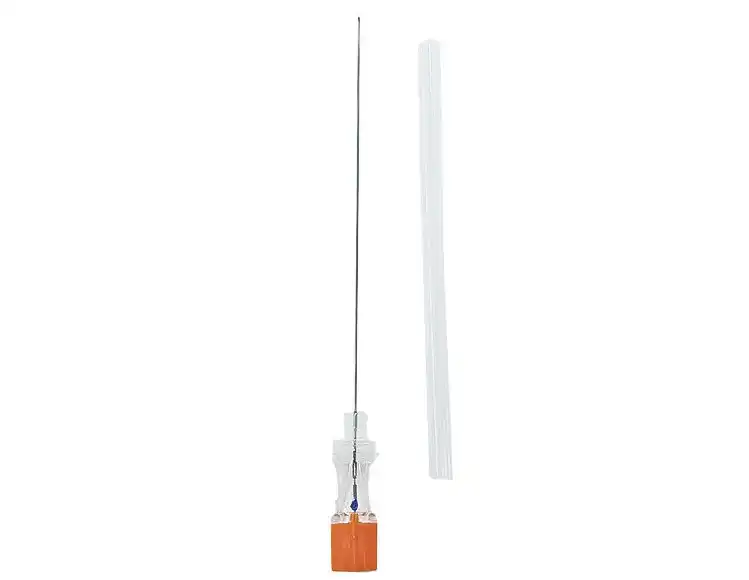
Pencil-point spinal needles are a huge step forward in neuraxial anesthesia. They are better than regular cutting needles and should be used instead of them in hospitals. Post-dural puncture headache (PDPH) is one of the most common problems that can happen after spinal anesthesia. The unique non-cutting, conical tip design parts dural nerves gently instead of breaking them. By stopping CSF leaks and speeding up the closure of puncture sites, these non-traumatic tools help patients get better faster and save the hospital money that would have been spent on longer stays and managing complications.
What Is a Pencil-Point Spinal Needle? Understanding the Basics
Defining the Non-Cutting Design
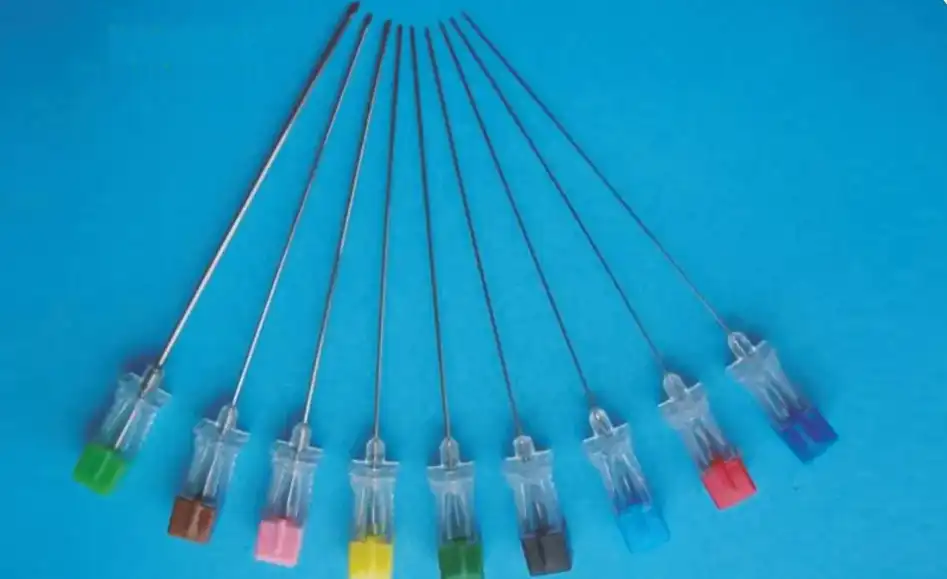
A pencil-point spinal needle is a carefully made medical tool that is intended to give regional anesthesia into the subarachnoid space. In contrast to regular Quincke needles, which have sharp, cutting edges, this one has a rounded, bullet-shaped tip with a side hole just next to it. The AVACARE pencil-point spinal needle tip is made of medical-grade SUS304 stainless steel, and the hub assembly is made of medical-grade PVC. This keeps the structure strong even when navigating difficult body parts.
The non-cutting geometry splits dural fibers during injection instead of cutting them, making a puncture route that heals itself. Compared to standard needle designs, this basic design concept greatly lowers the amount of tissue damage and cerebrospinal fluid leakage.
Anatomical Features and Tip Geometry
There are several important parts to the pencil-point spinal needle anatomy that make it work well in the medical setting. The clear polycarbonate hub lets you see the CSF flashback right away, which cuts down on the time needed for proof during process setting. The side port, which is about 2 to 4 mm from the tip, spreads the anesthetic solution out evenly without coming into direct touch with the nerves.
AVACARE makes these needles in a wide range of gauges, from 18G to 27G, and with a normal length of 90 mm. This means that they can be used with a wide range of patients, from children to obese people. The finer gauges (25G–27G) are best for obstetric anesthesia because they lower the risk of PDPH. The bigger gauges are better for orthopedic treatments that need to give medication quickly.
Whitacre and Sprotte Variations
In the pencil-point spinal needle group, there are two main tip designs: the Whitacre and the Sprotte. The Whitacre version has a shorter, rounder tip with a lateral hole closer to the tip's top. This gives better tactile feedback during dural penetration. Sprotte needles have a slightly longer, tapered tip with a bigger lateral port. This makes it easier for CSF to move during diagnostic lumbar punctures. Both designs still have the major benefit of separating fibers, but doctors often choose one over the other based on how it feels and the needs of the procedure.
Comparing Pencil-Point Spinal Needles with Other Needle Types
Clinical Outcome Differences
Several randomized controlled studies have shown that pencil-point spinal needles that don't cause trauma lower the risk of PDPH by 60–80% compared to cutting needles of the same size. A large study that looked at more than 15,000 patients found that the risk of PDPH was about 1% to 3% with pencil-point designs and 10% to 15% with Quincke needles in obstetric groups. These changes in outcomes directly lead to lower rates of hospital readmission, lower drug costs for managing PDPH, and higher patient happiness scores.
The patient's happiness goes beyond keeping headaches away. The gentle splitting of tissues leads to less inflammation along the needle path, which lowers back pain after the procedure. Even though neurological complications are already very rare when done correctly, they get a little better with pencil-point spinal needles because there is less chance that the side drug delivery port will touch a nerve root.
Supplier Landscape and Product Quality
There are a lot of manufacturers on the global market, from large, well-known international companies to small, specialized regional sellers. Premium names usually put a lot of emphasis on strict quality control procedures, a lot of clinical confirmation data, and a lot of technical support infrastructure. AVACARE stands out by having CE and ISO 13485 licenses, which make sure that every batch meets strict international quality standards. At the same time, the company keeps its prices low enough that large institutions can buy in bulk.
Aside from unit cost, procurement managers should look closely at a number of other important factors when reviewing providers. Levels of sterility guarantee are directly affected by production facility standards, such as cleanroom grades (AVACARE has 100,000-grade cleanrooms). When there are problems on a world scale, supply chain resilience is very important. Manufacturers with well-established transportation networks and inventory management systems are great partners for healthcare institutions that need to keep getting supplies.
Advantages of Pencil-Point Spinal Needles for Clinical and Procurement Needs
Clinical Safety and Efficacy Benefits
The main benefit that is causing broad adoption is a huge drop in PDPH. AVACARE's pencil-point spinal needles reduce dural trauma through complex tip geometry, which lowers the risk of PDPH while keeping the procedure efficient. The improved tip gives a unique physical feedback—a clear "pop" sound—that helps anesthesiologists confirm correct subarachnoid placement. This is especially helpful when working with calcified ligaments in older patients or difficult anatomy in fat people.
The crystal-clear hub design makes it possible to see flashbacks quickly, which cuts down on the time needed to find CSF reflux. This trait is especially important for treatments that need to be done quickly or for treating patients whose CSF dynamics aren't usual. The polished lateral port makes sure that the medicine is evenly distributed throughout the subarachnoid space and avoids touching nerve tissue by mistake, which improves both safety and the regularity of the anesthetic.
These clinical benefits lead to gains in business speed that procurement teams really value. Lower rates of complications mean less work for nurses, less money spent on drugs to treat symptoms, and shorter hospital stays. By switching from cutting to pencil-point spinal needles, a normal maternity unit that does 200 cesarean sections a year can avoid 20 to 30 cases of PDPH, which will save the unit a lot of money and more than cover the cost of buying the new device.
Procurement and Logistics Considerations
Institutions that buy a lot of things can save a lot of money by using bulk buying methods. AVACARE accepts orders as low as 5,000 pieces, which lets hospital systems and delivery networks get better prices while keeping supplies going. The 30-45 day production lead time lets you plan your goods strategically, and the flexible payment terms, such as L/C and T/T, can be used in different foreign markets to meet the needs of different financial managers.
There are more ways to customize than just private labels. AVACARE offers full OEM/ODM services, such as localizing the language on the packaging, customizing the gauge selection, and integrating brand recognition to help distributors place themselves in the market. Sample support makes it easier to do clinical testing before making a big purchase, which lowers the risk of the purchase and makes sure that the product meets the clinical needs.
How to Choose and Purchase Pencil-Point Spinal Needles: A B2B GuideDefining Clinical and Volume Requirements
A thorough needs survey is the first step to successful buying. The clinical leaders should work with the anesthesiology teams to figure out how many gauges are needed for each procedure. A tertiary care center that does a lot of obstetrics needs a higher number of 25G-27G pencil-point spinal needles. On the other hand, orthopedic-focused hospitals should have a balanced inventory that includes 22G-24G options for quick drug delivery in hip and knee arthroplasty cases.
Buying plans are greatly affected by annual volume projections. If an institution does fewer than 500 neuraxial procedures a year, they may want to choose flexible providers with lower minimum orders. On the other hand, centers that do a lot of procedures benefit from bulk contracts with fixed prices and sure supply sharing during shortages.
Supplier Evaluation Framework
Credentials for quality assurance are the basis for judging a seller. Getting ISO 13485 certification means that you have put in place thorough quality control systems that are meant to make medical devices. CE marking proves that a product meets European safety standards, and FDA registration (if needed) proves that it meets strict American standards. AVACARE has both CE and ISO 13485 certifications, which show that their manufacturing methods always make gadgets that meet international safety and performance standards.
Assessing a company's ability to make things goes beyond just giving licenses. Site audit data, production capacity metrics, and supply chain reliability measures show how resilient a seller is when demand goes up or there are problems in the supply chain. The 12000-square-meter production center that AVACARE has, complete with cleanroom infrastructure, shows that the company can produce goods in a way that can be expanded to meet the needs of big healthcare networks with multiple sites.
Infrastructure for after-sales help is what sets exceptional providers apart from average ones. Comprehensive technical training programs make sure that healthcare staff get the most out of the pencil-point spinal needles while reducing problems that users may have with them. AVACARE offers instructional materials in multiple languages, demonstration videos, and quick-response technical support 24 hours a day, 7 days a week. This helps with the usual application problems that come up when switching products.
Negotiation and Compliance Strategies
When negotiating prices, you should find a mix between lowering costs and making sure the quality is good. Standard bargaining tools include volume-based tier pricing, longer payment terms, and allocating freight costs. However, procurement managers should not lower quality standards to save a little money. Instead of just looking at the cost of buying a unit, the total cost of ownership should take into account the value of supply consistency, the cost of complicated management, and the cost of training.
Verification of regulatory compliance shields institutions from being sued. Ask for proof of batch tracking that shows quality control testing was done on each lot. Independent lab certificates should be used to back up claims about the level of sterility guarantee. AVACARE's dedication to full batch tracking and the integrity of sterile packing means that procurement teams can safely show that they did their homework during regulatory checks or investigations into adverse events.

Best Practices for Using Pencil-Point Spinal Needles in Clinical Settings
Optimizing Insertion Technique
To get the most out of a pencil-point spinal needle, you need to change how you do things compared to cutting-needle processes. The non-cutting tip needs a little more force to go through the skin at first, but the rounded shape gives better physical feedback when going through ligaments. Instead of strong thrusting motions, clinicians should use steady, controlled advances. This will let the tip shape naturally separate tissues while keeping the unique "pop" sound that confirms dural penetration.
Needle position has a big effect on how well the procedure works. To get the best drug flow in the subarachnoid area, the lateral port should face either cephalad or caudad instead of laterally. When giving hyperbaric or hypobaric anesthetic solutions, where gravity changes the spread patterns of the dermatome, this orientation issue becomes even more important.
Following the Sterile Protocol
Even though the pencil-point spinal needle design is safer, a strict aseptic method must still be used. Thoroughly cleaning the skin with chlorhexidine-alcohol treatments, covering the whole area with a shield, and following strict hand hygiene rules stop infectious problems that could compromise the device's safety. Checking the quality of single-use, sterile packaging before opening it makes sure that contamination doesn't happen anywhere in the supply chain, from production to clinical use.
Troubleshooting Common Challenges
Systematic problem-solving methods are needed for difficult needle placement situations, such as when the body is hard to understand or when the first try fails. If there is no CSF return even though the needle is inserted at the right depth, turning the pencil-point spinal needle 90 to 180 degrees may line up the lateral port with the CSF flow. If paresthesia happens during placement, the needle must be taken out and repositioned right away, because the lateral port design already lowers the risk of direct nerve contact in most cases.
Observations of blood-tinged CSF need to be carefully interpreted. Passive CSF flow often clears up minimal initial blood exposure, which suggests vessel damage during needle passage rather than arterial placement. If there is persistent blood return or changes in hemodynamics, the treatment should be aborted and an alternative method should be thought about. This protects patients from possible hematoma complications.
Conclusion
Pencil-point spinal needles have clear clinical and economic benefits that are in line with today's healthcare objectives, which focus on patient safety, procedure speed, and low costs. The non-cutting design greatly lowers the risk of PDPH while keeping the success rate of the procedure. This directly improves patient happiness and lowers the costs of managing complications in the hospital. Procurement teams benefit from having a wide range of provider choices that offer reasonable prices, the ability to make changes, and full support services that make adoption easier. When you choose qualified makers like AVACARE that have proven quality management systems, scalable production capacity, and quick technical support, you can be sure that the relationship will be valuable for a long time after you buy the device.
FAQ
What gauge sizes are recommended for adult spinal anesthesia procedures?
Adult patients usually get anesthesia through 22G to 25G pencil-point spinal needles, which balances the speed with which the medicine is delivered with the chance of PDPH. For obstetric patients, 25G or 27G choices are best because they lower the chance of headaches in this high-risk group. For hip or knee surgery, 22G or 24G needles are often used for quick local anesthetic injections. Selection is affected by the patient's body type; for example, obese patients may need bigger sizes that are hard enough to allow them to move through deep tissues.
How do pencil-point needles reduce post-dural puncture headache compared to cutting needles?
The non-cutting tip splits dural fibers instead of cutting them during insertion. This makes the effective puncture width smaller and speeds up the healing process after the needle is taken out. Cutting needles leave cross-shaped holes in the dura mater with cut fiber ends that heal more slowly. This lets cerebrospinal fluid (CSF) leak for a longer time, which lowers the pressure inside the brain and causes a headache. The positioning of the lateral port also helps because it eliminates the need to rotate the bevel during drug delivery. This reduces the amount of extra tissue damage that happens during the process.
Are pencil-point spinal needles available for bulk procurement internationally?
Quality makers support bulk buying around the world, and the minimum order quantity is usually between 5,000 and 10,000 pieces. AVACARE meets the needs of institutions and distributors by requiring orders of at least 5,000 pieces, providing samples for clinical testing, and offering customization services such as private labels. International shipping operations, help with legal paperwork, and flexible payment terms, such as letters of credit, make it easier for healthcare systems and distribution networks in multiple countries to do business across borders.
Partner with AVACARE for Premium Pencil-Point Spinal Needle Supply
AVACARE provides pencil-point spinal needles that have been clinically tested and are ISO 13485 and CE-certified. These needles are made in our 12,000-square-meter building, which has specialized 100,000-grade cleanrooms. Our partnership with a pencil-point spinal needle supplier gives institutional buyers a wide range of gauge choices (18G–27G), eco-friendly medical-grade materials, and batch tracking that meets the strictest quality control standards. Procurement managers like that we have 30-45 day production wait times, a minimum order size of 5,000 pieces, and flexible L/C or T/T payment terms that can be used for a range of operating needs. Get detailed product catalogs, cheap bulk price quotes, or clinical samples by emailing our team at admin@aileindus.com. Find out how AVACARE's technical know-how and quick support system can make your supply chain stronger and patient results better.
References
1. Turnbull DK, Shepherd DB. Post-dural puncture headache: pathogenesis, prevention, and treatment. British Journal of Anaesthesia. 2003;91(5):718-729.
2. Lambert DH, Hurley RJ, Hertwig L, Datta S. Role of needle gauge and tip configuration in the production of lumbar puncture headache. Regional Anesthesia. 1997;22(1):66-72.
3. Vallejo MC, Mandell GL, Sabo DP, Ramanathan S. Postdural puncture headache: a randomized comparison of five spinal needles in obstetric patients. Anesthesia & Analgesia. 2000;91(4):916-920.
4. Halpern S, Preston R. Postdural puncture headache and spinal needle design: meta-analyses. Anesthesiology. 1994;81(6):1376-1383.
5. Sprotte G, Schedel R, Pajunk H. An "atraumatic" universal needle for single-shot regional anesthesia: clinical results and a 6-year trial in over 30,000 regional anesthesias. Regional Anesthesia. 1987;12(4):175-177.
6. Bezov D, Lipton RB, Ashina S. Post-dural puncture headache: part I, diagnosis, epidemiology, etiology, and pathophysiology. Headache: The Journal of Head and Face Pain. 2010;50(7):1144-1152.
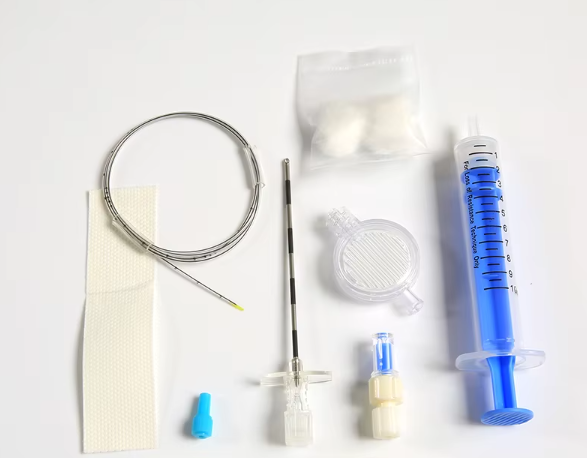
An epidural anesthesia kit is a very important medical tool for putting regional anesthesia right into the space around the spinal cord called the epidural space. This clean set usually comes with a Tuohy needle, an epidural tube with connections, a Loss of Resistance (LOR) syringe, a bacterial filter, and other tools for precisely managing pain. Healthcare centers all over the world use this one-step procedure for pain relief during labor, big surgeries, and long-term pain management. The kit's combined design gets rid of problems with parts not working together and cuts down on preparation time during crucial moments, keeping patients comfortable and doctors safe during long treatments.
Introduction
Regional anesthesia has changed the way we treat pain today by giving patients better alternatives to general anesthesia that let them stay awake during treatments. In this context, epidural anesthesia stands out as a key method for managing pain during labor, big abdominal surgeries, lung surgeries, and treatments for chronic pain. The quality and dependability of the tools used, especially the epidural anesthesia kit, are very important for how well and safely these treatments work.
In hospitals and surgical centers, choosing the right kit has a direct effect on clinical results, patient happiness, and the efficiency of procedures. It can be hard for procurement managers, clinical directors, and quality compliance officers to balance tight budgets with the need to look at technical specs, regulatory certifications, and supplier dependability. This guide was made to help purchasing managers, original equipment manufacturers (OEMs), distributors, and procurement experts find their way around the complicated world of medical device buying. We want to take the mystery out of how epidural anesthesia kits are used, what parts they have, and how to buy them. This will give you more confidence in your ability to make decisions that improve patient care and operating efficiency.

Understanding the Epidural Anesthesia Kit and Its Uses
Core Purpose and Clinical Applications
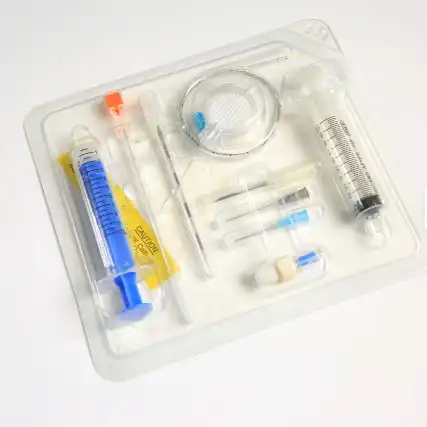
A complete, germ-free medical procedure set designed for giving regional anesthesia and pain relief through the epidural space is called an "epidural anesthesia kit." This part of the body is just outside the dura mater, which is the protective covering that surrounds the spinal cord and cerebrospinal fluid. By putting anesthetics into this space, doctors can stop nerve signals from certain parts of the body while still letting patients be awake and responsive.
The practical uses cover a wide range of dangerous medical situations. During obstetric labor analgesia, which is also known as "painless delivery," the kit allows constant injection through a catheter. This lets pregnant women feel a lot less pain while still being able to move around and be aware of what's going on around them. In medical settings, especially for major abdominal, thoracic, or orthopedic procedures, the kit makes it easier to give anesthesia during surgery and control pain for a longer time afterward. This makes opioid drugs and their side effects much less common. Pain management professionals also use these kits to treat chronic pain by giving patients with long-term spine problems corticosteroids or performing nerve blocks guided by ultrasound.
Mechanism and Component Functions
Localized nerve blocking is what the epidural method is based on. When numbing drugs get into the epidural space, they spread out across the nerve roots that come out of the spinal cord. This stops the brain from receiving pain signals for a short time. This focused method effectively relieves pain without having the systemic effects of general anesthesia.
Every part of an anesthetic kit is used for a different thing. The Tuohy needle usually comes in sizes 15G, 16G, 17G, and 18G. It has a bent tip that makes fitting the catheter easier while lowering the risk of accidentally puncturing the dura mater. The tube is usually made of medical-grade polyurethane or PEBAX, which is both flexible and resistant to kinks. This makes sure that medicine is delivered reliably for long periods of time. Radio-opaque lines on the tube make it easy to see with an X-ray, which ensures accurate placement.
The LOR syringe is very important when inserting the needle. As the Tuohy needle moves through the layers of tissue, doctors keep an eye out for a rapid loss of resistance. This means the needle has reached the epidural space. The bacterial filter, which has pores that stay at a size of 0.22 μm, gets rid of microbes and other particles during constant infusion, keeping people safe from getting infections. The system is finished off with plugs, tools for prepping the skin, and fixation devices, which make it an all-in-one solution that makes the whole process easier.
Clinical Benefits and Value
When it comes to buying, knowing about these clinical benefits helps make spending choices more logical. Better patient comfort leads to higher approval numbers and a better image for the center. The safety benefits, such as less drug exposure throughout the body, staying awake, and fewer breathing problems compared to general anesthesia, have a direct effect on how well the patient does and how much risk is involved. In places with a lot of work, procedure savings are very important. The kit saves time by putting all the needed tools on a single clean tray. It also lowers the risk of cross-contamination and makes sure that all clinical teams follow the same steps. These practical changes have an effect on healthcare institutions' output, staff productivity, and, in the end, their bottom line.
Step-by-Step Guide: Proper Use and Procedures with Epidural Anesthesia Kits
Preparation and Safety Protocols
A successful epidural treatment starts a long time before the needle is put in. To stop infections, you need to use strict aseptic techniques. Clinical teams must make sure that the kits are sterile by checking the purity of the packing, making sure that the expiration dates are correct, and looking for any signs of compromise. The process room should have the right air controls, and everyone who works there must follow strict rules for washing their hands and wearing PPE.
Before setting up the tools, the patient is evaluated. When doctors look at a patient's medical background, they look for things that might make the procedure unsafe, like coagulopathy, a local infection, or certain structural problems. Talks about informed consent include pros, cons, and other choices. Setting up an IV and keeping an eye on vital signs makes a safety net for dealing with possible problems.
Procedural Steps and Catheter Placement
How the patient is positioned directly affects how well the procedure goes. Proper positioning opens up areas between the vertebrae, making it easier to insert a needle, whether the person is sitting up straight or lying on their side. To find anatomical landmarks, you have to feel the spinous processes and choose the right interspace based on the amount of anesthesia you want.
After putting on clean drapes and injecting local anesthetic, the doctor slowly moves the Tuohy needle forward while checking for loss of resistance over and over again. Once it is determined that the needle has reached the epidural space, the tube is threaded through it and moved about three to five centimeters into the space. The needle is then carefully pulled out while the tube stays in place. Using fixing devices to hold the tube in place stops it from moving when the patient moves.
Before the full tranquilizer is given, a test dose is given to make sure the needle is in the right place and won't spread into the bloodstream or the spinal cord. During the whole process, the patient is being watched for signs of adequate blockade and any possible problems.

Safety Considerations and Risk Management
While epidural anesthesia is generally very safe, problems can happen. If you accidentally puncture the dura mater, cerebral fluid can leak out, and you might get a headache afterward. This risk is reduced by using needles of the right size and using the right method. Problems with catheters include kinking, moving, or breaking. These things happen less often when you use good tools that are more flexible and have higher tensile strength.
To avoid getting an infection, you must always use clean techniques when preparing, inserting, and taking care of a catheter. Even though neurological problems are rare, they need to be found and treated right away. Comprehensive training makes sure that clinical teams know the warning signs and how to respond to them. This protects both patients and facilities from bad results that affect choices about buying that are based on quality and compliance.
How to Choose the Right Epidural Anesthesia Kit for Your Facility
Essential Selection Criteria
When purchasing managers look at epidural anesthesia kits, they have to think about a lot of things. Regulatory approvals are the basis for any purchase choice. Getting FDA permission and a CE marking shows that you follow strict safety and performance standards. When a company gets ISO 13485 certification, it means they have strong quality control methods in place throughout the whole production process. These licenses are more than just paperwork; they show that a company is serious about customer safety and the quality of its products.
Compatibility with the hospital's current system is very important. Kits must work perfectly with the infusion pumps, tracking gear, and catheter control systems in your hospital. As we move toward ISO 80369-6 (NRFit) guidelines, we want to stop dangerous neuraxial misconnections. This makes future-proof compatibility a very important thing to think about. Specifications for parts should be carefully read. The needle gauge choices should fit the tastes of your healthcare team and the types of patients they treat. The AVACARE brand comes in a range of sizes, from 15G to 18G. All of them are made from 304 stainless steel, which is known for being strong and biocompatible. The tube material affects both how comfortable the patient is and how well the procedure goes. Polyurethane and PEBAX fabrics are flexible and don't kink easily, which is very important during long injections.
Material safety is more than just about how well it works. All of the parts must not contain DEHP or rubber and must pass the ISO 10993 biocompatibility testing requirements. These requirements protect patients with reactions and show that the maker is dedicated to full safety profiles.
Comparative Analysis and Cost-Efficiency
Global names like BD, Smiths Medical, and Teleflex have built strong reputations over many years of professional use and constant improvement. New makers, especially those that follow international certification standards, are coming up with more and more affordable options that balance value and quality. Choosing between throwaway and reused parts affects both the costs you pay up front and the costs you pay over time. Using disposable kits cuts down on the cost of cleaning, lowers the risk of infection, and guarantees uniform performance. Even though the cost of a single unit may seem higher, when you add up the costs of sterilization, equipment upkeep, and quality control tests, the total cost of ownership often works out better for disposable options.
This value offer is shown by AVACARE Epidural Anesthesia Kits. These Class II medical devices come in hard box packs that are 10 cm x 10 cm x 5 cm and are individually packed. They are ready to use right away. The built-in compatibility makes sure that all the parts work perfectly with each other, so there are no risks of incorrect connections during important processes. Catheters with soft, non-harmful tips and clear, radio-opaque marks for accurate placement proof under an X-ray are safety features that make them better. Putting all the tools that are needed on a single clean tray cuts down on preparation time and the chance of cross-contamination, which leads to better professional efficiency.
Concerns about cost shouldn't get in the way of safety measures and clinical success. It is easier to see the value of something when you calculate the cost per process instead of the cost per unit. When you commit to buying a lot, you can often get better prices. AVACARE's minimum order number of 5,000 pieces is good for institutional purchases, and the company's strong supply capacity of 100,000 pieces per week makes sure that big hospital networks or distributor inventories are always stocked. Sample support lets you try out the product before placing a large order, which lowers the risk of buying and boosts trust in the product's performance.

Market Overview and Procurement Insights for Global B2B Clients
Current Market Trends and Innovations
The global market for epidural anesthesia kits and epidural anesthesia keeps growing because more surgeries are being done, painless birth methods are being used more, and opioid-sparing pain management techniques are getting more attention. The most popular places to use them are surgical and maternity hospitals, but orthopedic and chronic pain treatments are also growing quickly.
New developments in materials science have made catheters work better. These days' ingredients make materials more flexible without weakening their structure, which means that they don't kink as easily after long-term use. Radio-opaque marker methods have improved, making it easier to see with fluoroscopy. Concerns about safety caused by accidental misconnections are addressed by better connector design, especially the move toward NRFit standards. New packaging ideas make things last longer on the shelf while keeping the clean walls in place. Protocols for checking ethylene oxide residues make sure that neurotoxicity risks stay below critical levels, which are usually less than 10 ppm.
Identifying Trustworthy Suppliers
In addition to product specifications, operating dependability and service skills are also looked at when evaluating suppliers. International approvals are a neutral way to check that production standards are met. Facilities that have ISO 13485 quality management systems show organized ways of controlling designs, making sure processes work, and always getting better. Standards for the production setting are very important. Classifications of clean rooms, especially 100,000-grade facilities with enough space, show that they have the right level of cleanliness for making medical devices. AVACARE has a production base that is 12,000 square meters and has 100,000-grade cleanrooms. This allows for both high-quality output and scalable capacity.
Research and development skills show that a provider is dedicated to new ideas and clinical applications. Material science and clinical application integration are the main areas of focus for research and development teams in the pharmaceutical business. These teams make sure that goods solve real-world problems rather than just meeting minimum requirements. Patent collections show that you are a leader in invention. Suppliers with multiple national patents have consistently invested in their own technologies that make their products stand out.
Stable supply chains are very important to think about, especially after recent world problems. When things go wrong quickly, suppliers who offer 24-hour fast response systems, emergency delivery help, and a variety of logistics choices can give you peace of mind. High-value shipments across foreign lines are kept safe by transport insurance and full tracking systems.
Bulk Ordering Strategies and Negotiation
When you buy in bulk, you need to carefully plan your wait times, price, and contractual terms. Knowing how long it takes to make something helps you set reasonable shipping standards. Suppliers whose weekly production capacity is more than 100,000 pieces can handle large orders without lowering quality or greatly lengthening lead times. Volume promises help with pricing talks, but buyers should find a balance between trying to get discounts and thinking about how much it costs to store inventory and how long a product will last. Standard shelf lives of three to five years allow for acceptable stockpiling in high-use buildings, but predicting demand is still necessary.
Distributors and healthcare groups that want private naming or unique configurations can get more out of OEM and ODM capabilities. AVACARE offers both OEM and ODM partnerships, which help brands stand out in areas with a lot of competition. Packaging and language localization services take into account the needs of different regions. This is especially important for international companies that have to deal with different regulatory settings. The terms of the contract should include things like consistent quality, batch tracking, access to expert help, and planning for what to do if there are problems with the supply chain. Setting up clear lines of communication and processes for escalating problems stops confusion and makes sure that problems are quickly solved when they happen.
Conclusion
Epidural anesthesia kits are important medical tools that are used in millions of procedures every year in settings like obstetrics, surgery, and chronic pain management. Purchasing choices have big effects on the safety of patients, the efficiency of professional work, and the financial health of an organization. Purchasing managers and other decision-makers can make better choices for their facilities if they know about the technical specs, clinical uses, regulatory environment, and provider capabilities.
Procurement methods that work are based on quality standards, component materials, built-in design features, and suppliers that can be trusted. To find the best balance between short-term costs and long-term benefits, you need to look at more than just unit prices. You need to look at things like total cost of ownership, supply chain security, and service support. The market is always changing with new materials and better safety features. To make sure healthcare organizations stay successful, they need to stay on top of new trends and build relationships with reliable providers.
FAQ
What distinguishes epidural kits from spinal anesthesia kits?
Epidural and spinal anesthesia kits are used for different procedures and parts of the body. Epidural kits use bigger Tuohy needles and flexible tubes for constant infusion to get medicine into the epidural area, which is outside the dura mater. Spinal kits have smaller, pencil-point needles that can go through the dura to deliver medicine straight into the cerebrospinal fluid. Spinal techniques have a fixed length and a fast start, while epidural treatments allow titrated dosing and a longer duration.
How can procurement teams ensure quality consistency when sourcing internationally?
To keep quality consistent, you need to check that your suppliers have the right certifications, such as ISO 13485, CE marking, and FDA approval. To make sure of ongoing compliance, you should ask for batch traceability documents, proof of analysis reports, and regular checks. Setting clear quality standards in buying contracts, such as accepted quality levels and testing procedures, gives people a way to get back at companies that don't meet their standards. Varying risks between shipments can be cut down by checking samples before placing large orders and keeping business relationships with approved providers.
Are eco-friendly epidural kits available, and do they compromise performance?
As makers respond to worries about the environment, more and more medical devices are becoming environmentally friendly. Some sellers offer kits with less plastic packaging, materials that can be recycled, and more efficient production to help reduce carbon footprints. Sustainability goals can be met with products that are nontoxic, DEHP-free, and latex-free and that meet strict safety standards. Performance doesn't have to be sacrificed. When looking for providers that are committed to corporate social responsibility without losing clinical excellence, procurement teams should ask about specific environmental initiatives, lifetime studies, and disposal advice.
Partner with AVACARE for Reliable Epidural Anesthesia Kit Solutions
Quality, reliability, and comprehensive support define the AVACARE commitment to healthcare institutions worldwide. As an established epidural anesthesia kit manufacturer since 2014, we understand the critical importance of consistent performance, regulatory compliance, and responsive service throughout your supply chain. Our 12,000-square-meter production facility, equipped with 100,000-grade clean rooms and backed by ISO 13485 certification, produces Class II medical devices meeting international safety standards.
Our Epidural Anesthesia Kits feature precision-engineered components crafted from 304 stainless steel in multiple gauge options, an integrated compatibility design, enhanced safety catheters with radio-opaque markings, and optimized packaging for immediate clinical use. With production capacity exceeding 100,000 pieces weekly and minimum order quantities starting at 5,000 pieces, we serve hospital networks, distributors, and medical device procurement specialists efficiently. OEM and ODM customization services support private labeling and regional packaging requirements.
Our full-lifecycle support includes professional technical training, 24-hour rapid response mechanisms, comprehensive supply chain assurance, and multilingual customer service. Sample availability enables hands-on evaluation before bulk commitments, reducing procurement risk. Whether you're establishing new supply partnerships or evaluating alternative suppliers for existing contracts, our team stands ready to discuss your specific requirements and demonstrate how AVACARE quality and service excellence can benefit your organization. Contact our procurement specialists today at admin@aileindus.com to request detailed product catalogs, pricing information, or customized quotations tailored to your institutional needs.
References
1. Hawkins, J.L., and Bucklin, B.A. (2018). Obstetric Anesthesia: Principles and Practice. Philadelphia: Elsevier Health Sciences.
2. Hadzic, A. (2017). Hadzic's Textbook of Regional Anesthesia and Acute Pain Management, 2nd Edition. New York: McGraw-Hill Education.
3. Cousins, M.J., Carr, D.B., Horlocker, T.T., and Bridenbaugh, P.O. (2020). Cousins and Bridenbaugh's Neural Blockade in Clinical Anesthesia and Pain Medicine, 5th Edition. Philadelphia: Lippincott Williams & Wilkins.
4. International Organization for Standardization (2016). ISO 13485:2016 Medical Devices—Quality Management Systems—Requirements for Regulatory Purposes. Geneva: ISO.
5. Rathmell, J.P., and Neal, J.M. (2019). Complications in Regional Anesthesia and Pain Medicine, 3rd Edition. Philadelphia: Elsevier Saunders.
6. American Society of Anesthesiologists Task Force on Obstetric Anesthesia (2016). Practice Guidelines for Obstetric Anesthesia: An Updated Report. Anesthesiology, 124(2), 270-300.

An exact manufacturing method that starts with high-quality stainless steel tubing is used to make the lumen, the hollow channel that runs through a hypodermic needle. Manufacturers don't drill holes in solid wire, despite what most people think. For starters, they use special drawing and casting methods to make metal tubes with thin walls. Then, these tubes are carefully cut, sharpened, and connected to hubs that are color-coded. This makes the clean, single-use needles that hospitals and clinics use every day. Knowing how this important part is made helps buying workers better judge the skills of suppliers and the quality of their products.
Understanding Hypodermic Needle Anatomy and Function
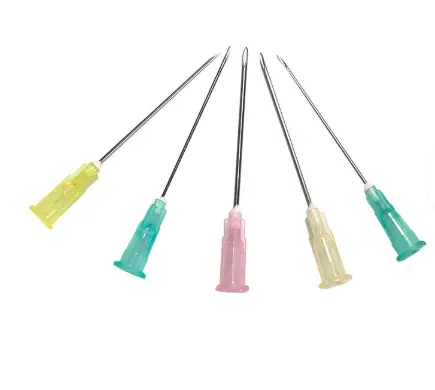
To ensure safe and correct drug administration, each hypodermic needle has a number of interdependent parts. The lumen is inside the cannula, which is the metal tube, and the beveled tip makes it easier to go through soft tissue. The hub, which is usually made of medical-grade polypropylene, uses either the Luer Slip or Luer Lock device to firmly connect the needle to the syringe.
The Critical Role of the Lumen
The opening width has a direct effect on how well the patient does. A properly made internal passage keeps the flow of fluids constant, stops medicine from shearing, and lowers the force needed for injection. When the inside stays smooth and even, doctors and nurses can give treatments more accurately and with less pain for the patients. Internal flaws or sizes that don't match up can make it harder to deliver medicine, especially viscous solutions or shots that need to be given at a certain time.
Material Selection and Manufacturing Precision
Most needles are made from medical-grade stainless steel, especially AISI 304 or 316L, because it doesn't rust and is very strong. The material has to be able to stand up to being sterilized many times without losing its shape. Surface treatments, such as medical-grade silicone oil coats, make entry easier by reducing friction, which has a direct effect on how the patient feels. AVACARE makes needles out of high-quality stainless steel that meets ISO standards. This makes sure that the needles will last for a long time and can be used for a wide range of medical procedures, from regular shots to specialized cosmetic procedures.
Hub Design and Color Coding Standards
Color-coded hubs are required by ISO 6009 standards so that gauges can be quickly identified. This cuts down on professional mistakes during high-pressure scenarios. The clear hub design of AVACARE, which is made from medical-grade PP, lets you see where the fluid is going and still works with normal syringe systems. In emergency rooms, surgery centers, and outpatient offices, this uniform design helps keep things running smoothly.
How Is the Hole Made Inside Hypodermic Needles?
The process of making something doesn't start with cutting but with making tubes. Stainless steel is drawn over and over through dies that get smaller and smaller. This makes the outer width smaller while keeping the internal channel the same. This cold-working process makes the metal structure stronger and gets the wall thickness just right for the hypodermic needle to work.
Primary Manufacturing Techniques
Tube drawing is the basic method for making needles. Stainless steel bars are fed through carbide dies, which makes the material longer and creates the hollow core. Each pass lowers the size by a small amount, making sure that the wall thickness and lumen width are all the same. To keep the process from breaking down materials, the temperature must be carefully controlled and grease must be used.
Extrusion methods work well with drawing methods, especially for certain types of needles. When manufacturers push hot metal through shaped dies, they make tubes with certain sizes and shapes. This method gives you more control over changes in wall thickness, which is important for thin-wall technology that aims to increase internal width compared to gauge size.
Advanced Precision Methods
With laser-cutting technology, makers can make cuts that are very clean and sharp angles that are very accurate. Computer-controlled systems place the tube at exact angles, making the triangular tips that protect tissue as much as possible. Because laser cutting doesn't involve touching the part, it doesn't create burrs or mechanical stress that could damage the lumen.
Electrochemical cutting gets rid of tiny flaws on the inside surfaces. In this method, controlled chemical dissolving is used to smooth out the stream, which is necessary for laminar flow. For smaller-sized needles, where mechanical cleaning isn't possible, this method works especially well.

Quality Control During Production
Before they are packed, automated screening devices look over each needle. CCD cameras take very clear pictures of the shape of bevels and can find hooks or spikes that are only a few micrometers long. Flow testing checks the consistency of the lumen by measuring the link between pressure and volume in standard circumstances. AVACARE uses strict checking procedures that are in line with ISO 13485 standards. To make sure that performance specifications are met, puncture force tests and hub-to-cannula bond strength verification are done.
Comparing Hypodermic Needle Types and Their Lumens
Needle gauge numbers are the opposite of needle diameter numbers; bigger gauge numbers mean smaller needles. This standard method makes it easy for clinical staff to quickly choose the right sizes based on the viscosity of the medicine and the needs of the injection site. A 31G needle works well for putting insulin under the skin, and an 18G needle can be used for quick fluid therapy.
Gauge, Length, and Clinical Applications
Flow rate is based on the link between hypodermic needle gauge and lumen width. AVACARE needles are known for their thin-wall technology, which makes the inner circle bigger without making the outer size bigger. This new technology solves a long-standing problem in pain management and cosmetic medicine by letting more liquid medicines flow through smaller, less painful holes.
Lengths between 13mm and 18mm can be used for a variety of injection lengths and body types. For intradermal and subcutaneous administration, shorter needles work well, while longer ones can reach tissue planes inside the muscle. When setting inventory rules, procurement experts need to think about the case mix at their school and find a balance between variety and the efficiency of inventory management.
Disposable Versus Reusable Considerations
With single-use needles, there are no chances of cross-contamination that come with recycling. Every throwaway design makes sure that the production process is consistent, so every unit is sterilized with EO gas to reach a sterility assurance level of 10⁻⁶. This method is in line with current guidelines for preventing infections and makes it easier to keep track of compliance.
Even though they are used less often these days, reusable needles still have quality problems. Sterilization processes that are done over and over can wear down lumen surfaces, and mechanical wear can make tips less sharp. The total cost study has to take into account the costs of reprocessing, the space needed for keeping, and legal issues. These are all things that make disposable choices more appealing to business buyers.
Material Performance Characteristics
Stainless steel hypodermic needles stay the same size better through different cleaning methods and storage situations. The tensile strength of the material keeps it from deforming during placement, which is especially important when working through thick tissue or getting to hard-to-reach veins. It is also possible to grind the bevels on metal needles more finely, which makes the tips sharper and lowers the entry force.
Different materials are used for specific tasks. During radiological processes, polymer needles reduce image flaws, but they give up some sharpness properties. When procurement teams understand these trade-offs, they can better match needle specifications to the needs of each area. This improves both healthcare results and the efficiency of the supply chain.

Quality Assurance and Sterilization of Hypodermic Needles
A very important quality standard is keeping the lumen's structure during production and cleaning. Even small surface imperfections can stop laminar flow, which raises needle pressure and could lead to medicine foaming or protein denaturation. Strict testing procedures make sure that the inside areas are smooth enough for pharmaceutical use.
Inspection Methodologies
At magnifications greater than 100x, microscopic examination shows the quality of the surface finish. Technicians look at sampling samples from each production lot and write down any that don't meet the requirements. Automated systems use optical coherence tomography to map the inside of test samples without damaging them, which is in addition to human review.
Sterilization Impact on Performance
AVACARE uses ethylene oxide cleaning, which gets rid of microbes effectively without changing the qualities of metal. With the low-temperature method, the bevel stays sharp and the silicone coating that makes entry easier stays in place. Validation procedures make sure that the gas gets into all of the packaging and keep an eye on the amounts of leftover EO to make sure that patients are safe.
Certification and Compliance Standards
The fact that a hypodermic needle product has CE marking and ISO 13485 certification shows that the company is committed to quality management systems. These badges show that production sites, like the 100,000-class clean rooms where AVACARE makes its needle portfolio, keep the right environmental controls. FDA approval gives providers that serve the U.S. market extra peace of mind by proving they follow the rules in 21 CFR Part 820.
Traceability systems link each output lot to the certifications of the raw materials, the conditions for processing, and the check results. This paperwork is very important during checks and lets us act quickly if problems are found during post-market monitoring. AVACARE keeps detailed batch records that allow full traceability from receiving the steel coil to closing the last package. This meets the strict paperwork needs of healthcare institutions around the world.
Practical Considerations for Procurement Specialists
When making sourcing choices, the total cost of ownership is taken into account as well as unit prices. The way lumens are made has a direct effect on how long needles last, how well they work in the body, and how often complications happen. All of these things affect how much healthcare costs altogether. Instead of just looking at prices, procurement teams should judge providers based on their professional skills.
Manufacturing Indicators of Quality
Standards for production facilities show how committed a company is to quality. Manufacturing has reached a mature stage when it has clean room classes, automatic inspection integration, and preventive maintenance programs. Site visits or checks by a third party make sure that the claimed capabilities match what is actually possible. This lowers the risks in the supply chain that come with quality breakdowns.
R&D spending shows the ability to come up with new ideas. When manufacturers create their own coating formulas or advanced bevel shapes, they show a level of technical skill above and beyond what is required for mass production. AVACARE has seven national patents that show its ongoing efforts to come up with new ideas that lead to better clinical performance and unique product offers.
Balancing Cost and Quality Parameters
When making cheaper needles, they often skimp on accuracy, which can have an effect on how well they work in the clinic. The study of procurement should figure out how much it costs to fix problems with flow that cause more pain during insertion, more complications, or wasted medicine. Along with purchase price, these factors are taken into account by a thorough evaluation method.
Minimum order amounts affect how much it costs to keep goods and how warehouse space is used. The 3,000-piece MOQ from AVACARE strikes a good mix between production efficiency and buying flexibility. This lets institutions keep the right amount of stock without committing too much capital. The 30-45 business day production time takes careful planning, but the quality is always high because the manufacturing process is not rushed.
Supplier Due Diligence Best Practices
When reviewing technical specifications, you should look at more than just marketing materials. You should also look at real test results. Ask for papers that show the proof of analysis, including readings of puncture force, verification of dimensions, and sterility validation results. When you compare data from different possible sources, you can see real changes in performance that are hidden by general claims about specifications.
Verification of certification supports claims of regulatory compliance. By directly getting licensing body databases, fake paperwork is stopped, which is a problem that keeps happening when buying medical devices. Make sure that the certifications cover the exact goods and factories that you need to source from. Certifications don't automatically apply to different product lines or factories.
Environmental and Safety Compliance
Getting rid of sharps is a big natural and financial load on institutions. Understanding the parts of a needle's design that make it safe to handle and throw away helps with both safety in the workplace and environmental efforts. Needles with built-in safety features lower the risk of needlestick injuries, but they cost more per unit and take up more space in trash cans. Different places have different rules about how to handle medical trash, which can make dumping more expensive and difficult.
Conclusion
Making hypodermic needle lumens with great accuracy takes a complex mix of material science, mechanical engineering, and quality control. When procurement workers know how to draw, cut, bevel, and sterilize stainless steel tubing, they can make smart choices about where to buy it that balance cost with clinical performance needs. The correctness of the lumen's measurements and the smoothness of its surface have a direct effect on how well medications are delivered and how comfortable patients are. These are factors that affect more than just unit price; they also affect the total cost of healthcare delivery. By looking at sellers' licenses, manufacturing skills, and traceability systems, you can lower the risks in the supply chain and make sure that products work the same way everywhere in the healthcare industry.
FAQ
How does lumen diameter affect injection performance?
Larger internal sizes lower flow resistance, which lets medicines get to patients faster and makes it possible for more thick solutions to be used. Thin-wall technology makes the lumen bigger without making the outer gauge bigger. This keeps the flow rates good while lowering tissue damage. The link follows the rules of fluid dynamics, which say that even small changes in width have a big effect on flow capacity.
What manufacturing techniques produce the highest quality lumens?
The smoothest interior areas are made by precision tube drawing and electrolytic polishing. Laser cutting gets rid of burrs that make flow less smooth. Manufacturers who use automatic inspection systems and statistical process control show higher stability across production lots. This means that there is less difference in performance that can affect patient results.
How can buyers verify supplier lumen quality claims?
Ask for certificates of analysis that include test results, not just claims that the specifications were met. Ask for readings of the puncture force, proof of the flow rate, and microscopy images of the inside areas. Performance claims can be objectively checked by testing results from a third party. Site checks that show clean room standards and inspection tools prove that the factory can make the goods.
Partner with AVACARE for Superior Hypodermic Needle Solutions
Healthcare facilities and medical device wholesalers looking for dependable hypodermic needle providers will find that AVACARE has the accuracy, certification, and excellent customer service needed for tough clinical uses. Our factory is ISO 13485 and CE approved, and it makes needles from 15G to 31G. These needles use thin-wall technology to increase flow rates while reducing patient discomfort. We support OEM/ODM relationships as a seasoned hypodermic needle maker by providing specialized branding and packaging options that are tailored to the needs of your market. Our production base is 12,000 square meters and has 100,000-class clean rooms where strict quality control makes sure that every needle meets worldwide standards. Contact admin@aileindus.com to request samples, discuss your volume requirements starting at our 3,000-piece minimum order quantity, or explore how our technical team can support your procurement objectives with reliable supply chain performance and thorough documentation.
References
1. International Organization for Standardization. (2016). ISO 9626:2016 - Stainless steel needle tubing for the manufacture of medical devices - Requirements and test methods. Geneva: ISO.
2. Patel, H. & Morrison, J. (2019). Manufacturing Processes in Medical Device Production: Precision Engineering for Hypodermic Needles. Journal of Medical Engineering & Technology, 43(4), 234-247.
3. American Society for Testing and Materials. (2020). ASTM F2063-18 - Standard Specification for Wrought Nickel-Titanium Shape Memory Alloys for Medical Devices and Surgical Implants. West Conshohocken: ASTM International.
4. Chen, L., Rodriguez, M., & Kim, S. (2021). Advanced Sterilization Techniques and Their Impact on Medical Device Performance. Biomedical Instrumentation & Technology, 55(2), 112-126.
5. European Committee for Standardization. (2018). EN ISO 7864:2016 - Sterile hypodermic needles for single use - Requirements and test methods. Brussels: CEN.
6. Williams, D. F. (2022). Biocompatibility and Performance of Medical Devices: Material Selection and Manufacturing Excellence. Cambridge: Woodhead Publishing.
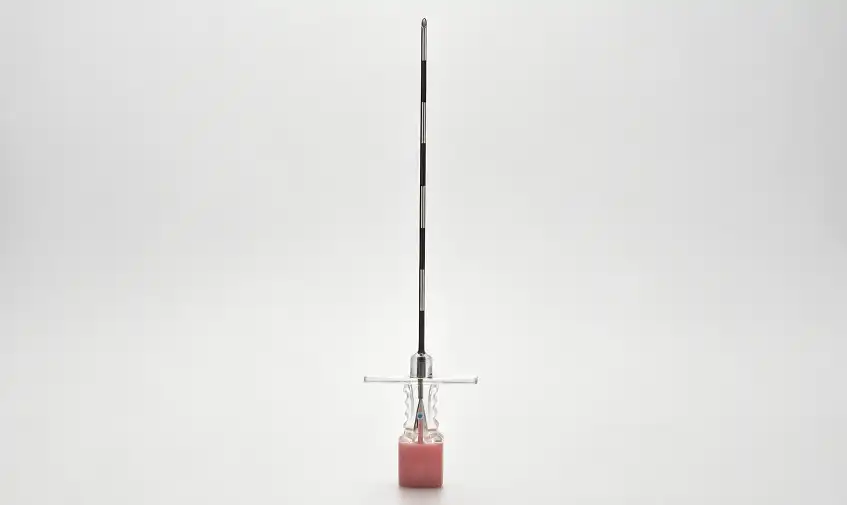
The epidural needle, which was developed especially for delivering regional anesthesia into the epidural space surrounding the spinal cord, is a crucial piece of equipment in modern pain control and anesthesia. Most of the time, this special tool has a Tuohy-bent tip design that lets doctors effectively relieve pain during labor, surgery, and treatments for chronic pain. Understanding the technical details, safety features, and buying factors for these tools is important for healthcare organizations that want to improve patient results while keeping supply chain costs low. As rules get stricter and patient needs change, procurement managers have to find a balance between quality control and operating efficiency to make sure that their facilities can get safe, approved goods that meet international standards.
Understanding Epidural Needles—Anatomy, Types, and Specifications
The Anatomy of a Modern Epidural Needle
In order to ensure safe delivery, an epidural needle is made up of several carefully designed parts. The shaft, which is usually made of medical-grade stainless steel, gives the tool the strength it needs to move through tissue layers. At AVACARE, our epidural needles are made of medical-grade PVC and stainless steel, which makes them both strong and flexible. The hub, which is usually made of clear plastic, lets doctors see cerebrospinal fluid (CSF) right away if the dura mater gets punctured by mistake. Clear graduation marks along the shaft make it possible to accurately check the depth during entry, which is an important safety feature that lowers the risk of complications. The stylet fits snugly inside the needle opening and stops tissue coring while the needle is moving forward. It is then taken out when the epidural space is reached.
Gauge and Size: Decoding the Specifications
The needle size has a direct effect on both the success of the procedure and the comfort of the patient. Our product line includes sizes from 15G to 18G, with lengths of 80mm and 90mm to fit a variety of body types. Larger gauge needles, like 15G or 16G, give you better physical guidance during the loss of resistance method, but they may also hurt your tissues more. On the other hand, 18G needles are less painful, but you need more technical know-how to notice small changes in tissue resistance. Which length of needle to use depends on the patient's body type. Standard 80mm needles work well for most adult patients, while 90mm needles are better for people with deeper subcutaneous tissue or certain structural issues that need deeper penetration.
Tuohy Needle Versus Spinal Needle: Critical Distinctions
The Tuohy needle is very different from spinal needles in how it is designed and how it is used in medicine. Spinal needles have sharp, pencil-point tips that are meant to cut the dura mater. The Tuohy needle, on the other hand, has a curved, blunt tip that is meant to move away from the dura rather than pierce it. This special shape makes it much less likely that the dura will be punctured by mistake. The Tuohy needle has a bigger lumen width, which makes it easier to thread an epidural tube for continuous anesthetic infusion. Spinal needles, on the other hand, only give single-shot subarachnoid blocks. When spinal and epidural methods are used together, a fine spinal needle is passed through the Tuohy needle, combining a quick start with long-lasting pain relief.
Disposable Versus Reusable: Practical Considerations
Due to rules about preventing infections and following the rules, disposable needles have become the standard in all U.S. healthcare centers. AVACARE's single-use needles come in clean blister packs that protect each one individually. This eliminates the need for reprocessing and the risk of contamination that comes with using tools more than once. Disposable tools make sure that the sharpness and performance are the same throughout all procedures, which solves the problem of quality variation that comes with cleaning methods. In terms of overall cost, disposable needles save money on labor costs related to cleaning, verifying sterilization, and keeping track of instruments. They also completely protect against prion transfer and bloodborne pathogen exposure. As regulations tighten their grip on reprocessing proof and paperwork needs, purchasing managers are favoring disposable choices more and more.
Epidural Needle Procedures and Safety—Best Practices and Complications
Standard Insertion Technique and Loss of Resistance
The best way to find spinal space entry is still to use the loss of resistance method. As the needle goes through the skin, subcutaneous tissue, and the tough ligamentum flavum, the clinicians keep gently pressing on a syringe that is full of saltwater or air. AVACARE needles are designed to give doctors great physical feedback during this important phase. This lets them feel the "pop" sound that happens when the needle tip enters the negative-pressure epidural space. The precise Tuohy curve shape lets the catheter move more slowly and safely while keeping it away from nerve structures. Our needles have high-contrast depth markings that allow real-time tracking. This helps doctors keep the right insertion depth and avoid going too far, which could cause a dural puncture or vascular damage.
Common Complications and Risk Mitigation Strategies
In about 1% to 2% of treatments, an accidental dural puncture happens, which is the most serious problem. It can lead to a headache after the operation. This risk is cut down a lot by our Tuohy curve design's displacement system. Vascular puncture is not very common, but it can put a local drug into the bloodstream and make it dangerous. Using test amounts and aspirating before a shot can help find the right place inside the blood vessel. Nerve damage is rare if the right techniques are used, which shows how important it is for the patient to be able to talk to the doctor during the process. With strict aseptic practice and one-time-use devices, the chance of infection stays very low. When buying needles, it's best to choose ones that have been tested for safety and can be tracked back to their source. AVACARE keeps detailed batch records that are in line with ISO 13485 standards, which lets them quickly look into any problems that may arise.
Patient Comfort and Pain Management Factors
The quality of the tools and the way the procedure is done have a big impact on how the patient feels during epidural placement. The sharpness of the needle directly affects tissue damage and insertion pain. Our precision-ground tips reduce resistance while the needle is moving forward. The choice of gauge strikes a balance between the needs of the procedure and the pleasure of the patient. In general, 18G needles are less painful than bigger options. The patient's ability to tolerate the procedure is greatly enhanced by the adequate local anesthetic injection prior to epidural needle insertion. Clear conversation lowers worry, which can make pain feel worse. Purchasing managers who work with maternity units should know that the quality of the tools has a direct effect on how satisfied patients are and how often they come back. This means that buying high-quality needles is more than just a matter of cost.
How to Choose the Best Epidural Needle—A Procurement Guide
Quality Indicators and Certification Requirements
Checking foreign certifications that confirm safety standards and production standards is the first step in quality assurance. AVACARE has both the CE marking and the ISO 13485 certification, which show that we follow strict quality control methods all the way through the production process. The qualifications show that the quality is the same from batch to batch, that there are full traceability processes, and that the sterilization methods have been tested and proven to work. Our medical device's Class III status comes from the fact that neuraxial treatments are very dangerous and that production is closely supervised by the government. Instead of depending only on what distributors say, procurement officers should ask makers for copies of the certificates directly. Batch traceability paperwork lets you act quickly if there are problems with the quality of the product, which protects both patient safety and the institution's legal risk.
Comparing Leading Brands and Supplier Reliability
Picking a brand means looking at more than just the product specs. It also means looking at the whole range of skills the provider has. Well-known brands like B.Braun and Medline have strong reputations and large distribution networks. Newer companies like AVACARE, on the other hand, offer competitive benefits through their ability to customize products and provide quick service. We offer OEM and ODM services with custom marking, which lets healthcare facilities and wholesalers make their own private-label programs. Our minimum order number of 5,000 pieces is low enough for mid-sized facilities to use while still being attainable for clinic groups that are growing. Samples are available so that clinical testing can be done before big purchases are made, which lowers the risk of buying. Letters of credit and telegraphic transfers allow for flexible payment choices that support different institutional purchasing practices and the needs of international transactions.

Total Cost of Ownership Analysis
The price per unit is only one part of figuring out how much something costs all together. When looking at AVACARE's prices for 15G-18G needles, you should also look at how reliable their shipping is, whether they can deliver in an emergency, and whether they offer technical help. There are hidden costs when there are problems with supplies that need faster shipping, when products don't work right and need to be sent back, or when employees aren't trained properly, which leads to more problems and lost supplies. These secondary costs are cut down a lot by our 24-hour quick reaction system and skilled technical training programs. A lot of the time, volume buy deals save a lot of money. Our MOQ structure lets us discuss different price levels for committed annual volumes. When you buy disposable needles instead of reused ones, you don't have to pay for reprocessing labor, sterilization equipment upkeep, or quality assurance testing. This means that even though they cost more per unit, the overall cost is much lower.
Streamlining Procurement – Where and How to Buy Epidural Needles
Identifying Trusted Global Suppliers
Finding manufacturers with steady supply lines and a history of compliance is necessary when sourcing epidural needles. AVACARE has a production center that is 12,000 square meters and has 100,000-grade clean rooms to make sure that the work area is free of contamination. Our R&D team has seven national patents, which shows that they are always coming up with new ideas that go beyond making basic goods. When looking at possible sources, procurement managers should either visit the facilities themselves or look at reports from third parties that confirm they can make the goods. Geographic diversity makes the supply chain less vulnerable. When there are global breakdowns, single-source relationships cause risk. Building ties with a number of certified sources, such as well-known Western names and high-quality Asian companies like AVACARE, makes you more resilient while keeping your pricing power.
Leveraging Bulk Purchase Strategies and Flexible Logistics
Buying in bulk saves a lot of money and makes sure that areas that do a lot of business always have what they need. Individual plastic packs or combination kits with injection needles are some of the ways we can package our products. This lets you order in a way that fits your procedure's process. Bulk shipments cut down on the cost of freight per unit and the time it takes for the receiving staff to handle them. AVACARE accepts a variety of payment methods, such as L/C and T/T, to meet the needs of both institutions and foreign trade. Setting up blanket buy orders with set delivery dates helps balance the costs of keeping goods with the risk of running out. During sudden increases in demand, emergency delivery support is very important. Our logistics network offers fast shipping choices with the right insurance to protect valuable packages. Professionals in procurement should discuss service level agreements that spell out guaranteed arrival times and how to punish noncompliance.
Verification Protocols and Quality Assurance
Receiving inspection processes are the last line of defense against quality problems that get into clinical areas. AVACARE includes a lot of paperwork with every package. This includes certificates of conformance, records of the sterilization process, and information on how to track each batch. When the goods come in, quality control should check the integrity of the packaging, the date of expiration, and the correctness of the product labels against the buy requirements. Randomly selecting lots to look at helps find problems with the production before they are sent to user areas. Setting up vendor scorecards that keep track of things like on-time delivery rates, quality reject rates, and quick customer service helps build data-driven methods for evaluating suppliers. Regular business reviews with important providers like AVACARE allow for ongoing efforts to improve quality by handling new quality trends or changing clinical needs before they have an effect on how care is delivered to patients.
Future Trends and Innovations in Epidural Needle Technology
Advances in Needle Tip Design and Materials
Needle technology keeps getting better at making things safer and better for patients. Next-generation tip shapes have ultra-fine surface finishes that make it easier to enter the needle without dragging on tissue. New developments in material science are looking into polymer coats that can reduce friction even more while keeping the structure strong. Ultrasound vision is better with echogenic needles that have rough surfaces. This lets the doctor guide the needle placement in real time and lowers the risk of complications in difficult anatomy. AVACARE's current research and development projects are aimed at combining these new technologies while keeping costs low enough for value-based healthcare settings. Strategies for buying things should be able to predict these new technologies and work with providers that can quickly put them into production without interrupting supply during product changes.
Regulatory Evolution and Compliance Adaptation
Globally, rules about medical devices are getting stricter, with a focus on things like tracking, biocompatibility testing, and keeping an eye on them after they've been sold. The FDA's Unique Device Identification rules require full tracking from the time a device is made until it is used by a patient. The EU Medical Device Regulation makes it more important for Class III devices to have strong clinical proof. AVACARE has proactive compliance plans that make sure our goods meet new foreign standards before they become required. Professionals in charge of buying things need to work with sellers that show regulatory foresight instead of reactive compliance methods. When choosing a vendor, asking for their regulatory roadmaps helps you figure out how well they can keep their approval status as standards change. This keeps institutions from having to deal with supply problems caused by regulatory noncompliance issues.
Sustainability Considerations and Environmental Responsibility
As healthcare institutions try to leave less of an impact on the environment, sustainability efforts are having a bigger impact on the purchases they make. The rise of single-use devices makes it harder to handle trash, which is why wrapping should be kept as simple as possible and recyclable materials should be used. AVACARE looks into eco-friendly packing options that promise cleanliness while lowering the amount of trash that ends up in landfills. Purchasing managers should ask suppliers to provide environmental effect studies and proof that they participate in recycling programs. Finding a balance between environmental concerns, the need to avoid infections, and the need to make sure patients are safe is still hard. Disposable medical devices reduce the risk of disease spread, which makes their environmental costs worth it. Healthcare organizations can reach their environmental goals without lowering the quality of care by working with suppliers who are dedicated to always making things better for the environment, starting take-back programs, and investing in environmentally friendly ways to make things.

Conclusion
Epidural needle purchase necessitates a thorough assessment that balances clinical performance, safety, regulatory compliance, and cost effectiveness. When procurement managers know about technical specifications, how procedures are used, and quality measures, they can make choices that protect both patient results and institutional resources. Because AVACARE is dedicated to making the best products, has certified quality systems, and offers full customer support, we are a great choice for healthcare organizations that need stable supply options. As technology improves and rules change, keeping ties with creative, legal sellers becomes more and more important for successful procurement.
FAQ
What is the difference between Tuohy needles and standard epidural needles?
The Tuohy needle, which has a broad, bent tip, is the most popular type of epidural needle. Mostly, its displacement device keeps catheters away from the dura mater instead of puncturing it directly. This makes it different from other types of needles. In clinical settings, the terms "Tuohy needle" and "epidural needle" are often used equally. However, "Tuohy" refers to the unique design with a curved tip.
Can epidural needles be reused after proper sterilization?
Reusing epidural needles is highly discouraged by current infection control standards and government guidelines. Single-use throwaway needles get rid of the problems that come with not sterilizing them properly, protein residue spreading, and mechanical damage from reuse. AVACARE only makes throwaway needles that meet the sterility guarantee levels needed for neuraxial treatments. This way, you can be sure that the needles won't get contaminated and will always work the same way.
How do I determine the appropriate needle gauge for my facility?
Which gauge to use relies on the clinical situation, the practitioner's personal taste, and the characteristics of the patients. Most obstetric anesthesia uses 18G needles, which are good for both patient ease and catheter passing. For better feeling feedback, 16G or 17G needles may be used in surgical anesthesia. Talking to your anesthesia department about their technical preferences and looking at data from your quality assurance program about complications can help you choose the best gauges for your school.
Partner with AVACARE for Reliable Epidural Needle Supply
Healthcare facilities and medical device wholesalers looking for a reliable epidural needle maker will find that AVACARE offers great value through our wide range of products and service model that focuses on the customer. Our 15G–18G needle range comes in 80mm and 90mm lengths and has a precise Tuohy curve design and clear depth marks that make the procedure safer. Our dedication to international quality standards is shown by our CE and ISO 13485 certificates. Our flexible payment options and custom marking services also help with a wide range of purchasing needs. Because samples are available, you can try our products without any risk before you commit to our 5,000-piece minimum order. Get in touch with our team at admin@aileindus.com to talk about how AVACARE can become your reliable epidural needle provider, providing stable quality, quick service, and a reliable supply chain that supports your clinical excellence objectives.
References
1. Neal JM, Barrington MJ, Fettiplace MR, et al. "The Third American Society of Regional Anesthesia and Pain Medicine Practice Advisory on Local Anesthetic Systemic Toxicity: Executive Summary 2017." Regional Anesthesia and Pain Medicine, 2018, 43(2):113-123.
2. Baxi V, Thakore P, Sharma A. "Epidural Anesthesia: Techniques, Complications, and Their Management." International Journal of Clinical Anesthesiology, 2019, 7(4):89-105.
3. American Society of Anesthesiologists Task Force on Obstetric Anesthesia. "Practice Guidelines for Obstetric Anesthesia: An Updated Report." Anesthesiology, 2016, 124(2):270-300.
4. Beilin Y, Zahn J, Bernstein HH, et al. "Treatment of Incomplete Analgesia After Placement of an Epidural Catheter and Administration of Local Anesthetic for Women in Labor." Anesthesiology, 1998, 88(6):1502-1506.
5. Hermanides J, Hollmann MW, Stevens MF, Lirk P. "Failed Epidural: Causes and Management." British Journal of Anaesthesia, 2012, 109(2):144-154.
6. ISO 7864:2016. "Sterile Hypodermic Needles for Single Use – Requirements and Test Methods." International Organization for Standardization, 2016.
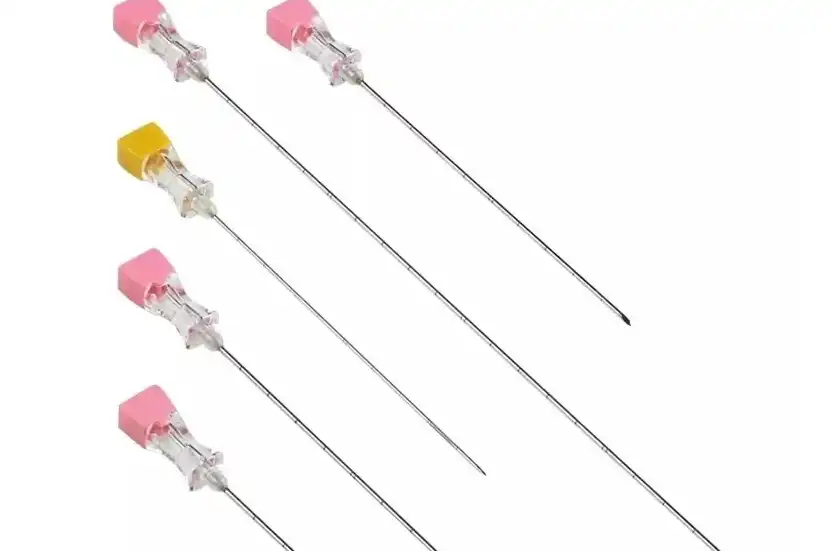
When anesthesiologists and procurement managers look at the best spinal needles for pain control in 2026, the pencil-point spinal needle comes out as the clear winner. Pencil-point spinal needles have a non-cutting conical tip that gently splits rather than severs dural nerves. This makes it much less likely that someone will get headaches after a spinal puncture and ensures that the sedative is delivered precisely. This new idea has changed how regional anesthesia is used in childbirth, orthopedics, and outpatient surgery.
Introduction
Picking the correct pencil-point spinal needle is more than just a regular purchase choice; it has a direct effect on how quickly patients heal, how many complications they have, and the clinician's image. Due to their atraumatic design, which handles one of the most chronic problems in spinal procedures, post-dural puncture headaches, pencil-point spinal needles have become the gold standard in neuraxial anesthesia over the past ten years.
As 2026 goes on, procurement leaders are under more and more pressure to find a mix between cutting costs and maintaining high quality standards. When putting in a needle, clinical directors want needles that give regular tactile feedback, and compliance officers look very closely at certifications and tracking systems. This guide is for people who make decisions and know that choosing the right pencil-point spinal needle protects both patients and the reputation of the organization. We will talk about product features, comparing products, buying strategies, and best practices to help you make buying choices that are based on facts, clinical excellence, and your budget.
Understanding Pencil-Point Spinal Needles: Features and Benefits
What Sets Pencil-Point Design Apart
Pencil-point spinal needles are different because their tips are tapered and don't hurt when they touch the skin. Traditional Quincke needles have a cutting edge that cuts through dural fibers, making bigger holes that heal slowly and let cerebrospinal fluid leak out. Some pencil-point spinal needles, like the Whitacre and Sprotte types, separate the fibers without cutting them. This lets the wound close quickly after the needle is taken out.
This new idea in design has real health benefits. Studies show that pencil-point spinal needles are up to 70% less likely to cause headaches after a spinal puncture than cutting-tip needles. Patients have less pain after surgery, stay in the hospital for shorter periods of time, and get back to normal routines faster. These results are highly supported by quality metrics and patient happiness scores.
Core Clinical Advantages
There are several ways that the pencil-point spinal needle shape makes the user more comfortable. The lateral side-port, which is close to the tip, makes sure that the medicine is evenly distributed in the subarachnoid space while lowering the risk of touching nerve tissue. Clinicians like how the needle makes a clear "pop" sound when it goes through the dura. This lets them know right away that they've placed the needle correctly and cuts down on the number of times they have to try.
Another benefit is that cerebrospinal fluid flashback observation can be done quickly. Modern designs have hubs made of crystal-clear polycarbonate that lets doctors see CSF overflow right away. This cuts down on treatment time and patient worry. The medical-grade SUS304 stainless steel used to make the cannula's smooth surface means that there is little pressure during entry. This means that tissue is less likely to be damaged and infections are less likely to happen. All of these qualities make pencil-point spinal needles the best tool for high-volume surgery centers and ambulatory facilities because they speed up procedures and improve patient results.
Comparing Pencil-Point Spinal Needles with Other Types
Design Differences and Clinical Implications
Knowing about the different types of needles helps buying teams make smart choices. Quincke needles have a sharp, cutting edge that is meant to quickly penetrate the dura, but their aggressive design breaks up the dural fibers more. On the other hand, pencil-point spinal needles have a smooth tip with a hole in the side. This gently separates threads and makes the puncture smaller.
Whitacre needles are a common type of pencil-point spinal needle that has a side port slightly behind the tip. This makes drug delivery better and reduces the risk of tissue coring. Sprotte needles have a bigger side port hole, which speeds up CSF flashback but needs to be handled carefully so the stylet doesn't move. It is important to choose designs that are right for the process because Tuohy needles, which are often used for epidural anesthesia, have a bent Huber tip that makes them unsuitable for subarachnoid placement.
Gauge, Length, and Bevel Considerations
The needle size has a direct effect on both the success of the procedure and the patient's result. Smaller sizes (25G–27G) lower the risk of PDPH even more, but they need more force to be inserted and may make tactile input worse. Larger gauges (20G–22G) allow for faster CSF flow and drug input, but they also cause more damage to the dura mater. Most pain treatment plans recommend 25G needles because they are the safest and easiest to use.
The needle length needs to fit the patient's body and the way the procedure is done. Standard 90 mm lengths are good for most lumbar punctures in adults, while shorter lengths are better for kids or people with little subcutaneous tissue. It is very important to make sure that product standards are in line with clinical practices because bevel design affects insertion resistance and tissue displacement patterns. Clinical directors should work with procurement teams to create standard product packages that meet the needs of a wide range of procedures without making the inventory more complicated.
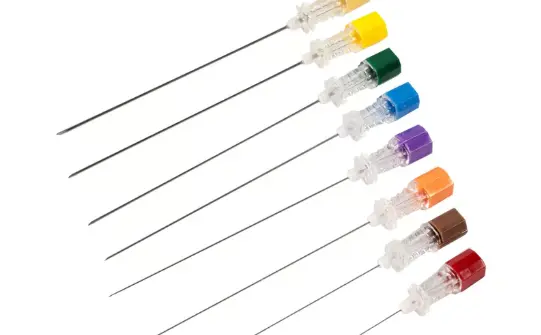
2026's Top Pencil-Point Spinal Needle Options for ProcurementMarket-Leading Manufacturers and Product Profiles
The global spinal needle market is dominated by a few well-known companies, each with their own unique value offers. BD (Becton, Dickinson and Company) has a strong reputation for consistently high-quality manufacturing and thorough regulatory paperwork. This makes their goods very appealing to institutions that focus on compliance. Terumo focuses on advanced polymer hub technology that makes it easier to see CSF, while Pajunk has built its name on precise production and packaging that is easy for doctors to use.
New sellers from well-known medical manufacturing hubs are also becoming popular because they offer low prices without lowering quality. This trend is shown by AVACARE, which was formed in 2014 and combines ISO 13485 certification with a variety of customization options that meet the needs of large buyers. Their range of products comes in normal 90 mm lengths and sizes from 18G to 27G. They are made from medical-grade PVC that is safe for the environment and stainless steel. The main worry of anesthesiologists is PDPH reduction, which is achieved by their non-cutting pencil-point spinal needle design. Additionally, their crystal-clear hub design speeds up CSF flashback observation, which is especially useful during busy surgery schedules.
Essential Purchasing Criteria for Procurement Teams
When choosing spinal needle providers, procurement managers need to look at more than just the unit price. Gauge variety lets clinical teams match the right needle specs to the type of treatment and the patient's health. For sterility assurance, providers must show that they have strong quality control systems that include being able to track batches and using approved sterilization methods.
Packaging issues have a direct effect on how efficiently the operating room works. Individual clean bags with clear labels cut down on the time needed to prepare food and the chance of contamination. Single-use disposable needles get rid of the costs and worries about infection control that come with recycling. However, they need a stable supply chain to keep them in stock during times of high demand.
Procurement Logistics and Cost Management
Buying things in bulk can save you a lot of money and keep your supply stable. Different manufacturers have different minimum order quantities. For example, AVACARE has a 5,000-unit minimum order quantity that is a good fit for how much mid-sized surgery centers use each year. Sample support programs let healthcare teams test how well a product works before placing a big order, which lowers the risk of procurement.
When you're in charge of capital spending, payment freedom is important. Suppliers who give both a letter of credit and telegraphic transfer can work with a variety of institutional financial processes. Production lead times are usually between 30 and 45 days, so procurement planners have to keep strategic inventory gaps that balance the costs of having stock against the risk of running out of it. Custom branding lets healthcare systems make sure that products are identified the same way on all of their sites. This improves visibility in the supply chain and makes it easier to restock supplies.
Ensuring Safe and Effective Use of Pencil-Point Spinal Needles
Best Practices for Needle Insertion
For spinal anesthesia to work, the patient must be properly positioned, and physical landmarks must be identified. When using the lumbar approach, the L3-L4 or L4-L5 interspace is usually the goal. This can be found by feeling the iliac crests and finding the matching spinous processes. It is necessary to use sterile techniques, and skin preparations based on chlorhexidine work better against germs than povidone-iodine liquids.
The midline method or the paramedian technique should be used for needle insertion, based on the patient's body and the doctor's choice. Pencil-point spinal needles give clear physical feedback that helps confirm dural puncture without having to try again and again. Slow, controlled movement keeps tissue damage to a minimum and patient pain to a minimum. Continuous monitoring of the hub for CSF flashback ensures the right placement of the subarachnoid space.
Mitigating Complications Through Design Advantages
Nerve damage, infections, and epidural hematomas are all common side effects of spinal anesthesia, but they don't happen very often if the right techniques are used. Because they don't hurt as much, pencil-point spinal needles reduce some of these risks. The lateral side-port lowers the risk of direct nerve touch during medicine injection, and the smooth surface of the cannula keeps tissues from being damaged in ways that bacteria could use as entry points.
Techniques for reducing pain include changes to both the shape of the needle and the way it is used. A local anesthetic is injected at the site of the injection; midazolam is used a lot to calm the patient down, and the patient is kept informed throughout the operation. Good pencil-point spinal needles have a smooth side hole that makes sure that medicine is spread evenly without causing high-pressure jets that could irritate nerves. These methods show how choosing the right tools and using the right clinical technique can work together to help patients get the best results.
Conclusion
The development of pencil-point spinal needle technology has made pain treatment much safer and more effective. Pencil-point spinal needle shapes are now the usual way to reduce headaches after a spinal puncture while still delivering anesthetic precisely. As you look at your choices for the procurement cycles in 2026, give more weight to providers who can show that they have a wide range of quality certifications, can customize products easily, and have a stable supply chain. The right needle choice keeps patients safe, promotes professional excellence, and provides measured value in terms of cost, results, and patient happiness. Buying high-quality atraumatic needles isn't just a purchase choice; it's a strategic move to raise standards in the school and improve the level of care for patients.
FAQ
What gauge size works best for pain management procedures?
Most pain management plans use 25G pencil-point spinal needles because they are the best mix between lowering the risk of PDPH and speeding up the procedure. Smaller sizes (27G) have slightly lower rates of headaches, but they need more force to be inserted and may make tactile input less accurate. When you use larger sizes (22G–23G), you can inject medicine faster, but you also cause more damage to the dura mater. The final choice should be based on clinical opinion and the patient's data.
Can pencil-point needles be used across all anesthesia procedures?
Pencil-point spinal needles are made for diagnostic lumbar punctures and subarachnoid anesthesia. They can't be used for epidural anesthesia because that needs Tuohy needles with their bent tips. Combining spinal and epidural methods may work, but it depends on how the kit is set up and how the procedures are done.
How can procurement teams verify product authenticity and quality?
Ask for a lot of paperwork, like ISO 13485 certificates, CE or FDA approvals, and sterile test results that are special to the batch. Reliable sellers offer sample units so that you can test them in a laboratory setting before you buy in bulk. Check the standards of the manufacturer's production plant and ask for on-site audits if the amount of purchases supports the cost. Traceability systems that connect lot numbers to production times and quality control records show that suppliers are serious about being open and responsible.
Partner with AVACARE for Your Spinal Needle Procurement Needs
With our full range of pencil-point spinal needle options, AVACARE is ready to support your institution's dedication to professional quality. Our factory is CE and ISO 13485 certified, and it has strict quality control as well as a lot of customization choices, such as the ability to add your own label and localize the package to fit your needs. As a provider of only pencil-point spinal needles, we keep production lead times at 30–45 days and offer sample support to make sure the product meets your clinical standards before you order in bulk. With a minimum order number of 5,000 units, we can work with mid-sized healthcare systems and still offer reasonable prices thanks to economies of scale. Email our team at admin@aileindus.com to get example kits, talk about custom branding options, or get detailed quotes that fit your budget and schedule for purchase.
References
1. American Society of Anesthesiologists Task Force on Neuraxial Anesthesia. Practice advisory for the prevention, diagnosis, and management of infectious complications associated with neuraxial techniques. Anesthesiology, 2023.
2. Reynolds, F. Dural puncture and headache: avoid the first but treat the second. British Medical Journal, 2022.
3. Horlocker TT, Vandermeuelen E, Kopp SL, et al. Regional anesthesia in the patient receiving antithrombotic or thrombolytic therapy: American Society of Regional Anesthesia and Pain Medicine evidence-based guidelines. Regional Anesthesia and Pain Medicine, 2024.
4. Turnbull DK, Shepherd DB. Post-dural puncture headache: pathogenesis, prevention, and treatment. British Journal of Anaesthesia, 2021.
5. Bader AM, Tsen LC, Camann WR, et al. Clinical effects of subarachnoid injection of preservative-free morphine in obstetric anesthesia. Anesthesiology, 2023.
6. Sng BL, Lim Y, Sia AT. An observational prospective cohort study of incidence and risk factors for post-dural puncture headache in a South-East Asian parturient population. BMC Anesthesiology, 2022.
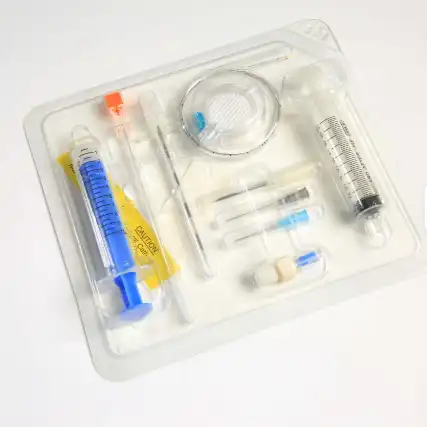
During labor, an epidural anesthesia kit is used because it relieves pain effectively and continuously while still letting moms stay awake and involved in the birth. This special medical tool puts regional anesthesia into the epidural space around the spinal cord. This blocks pain signals from the lower body without making the person lose consciousness or their ability to push during delivery. The combined design of the kit makes sure that it is safe to use, that the dose is managed, and that there are few side effects for both the mother and the baby. This makes it the gold standard for labor analgesia in modern obstetric care around the world.
Introduction
Epidural anesthesia kits have changed the way labor pain is managed, making it easier for moms to stay comfortable while still being involved in the delivery. These sterile, precisely designed systems provide targeted pain relief while still respecting the mother's right to choose and the needs of professional safety. It is important for procurement managers, clinical directors, and medical device distributors to understand the technical details and clinical reasoning behind these kits so they can make purchases that balance quality, legal compliance, and operating efficiency. One of the most popular reasons for neuraxial treatments around the world is labor analgesia. In many U.S. hospitals, over 70% of women who are laboring ask for epidurals. This guide answers the basic question of why epidural anesthesia kits are so important in labor rooms and gives useful information for business people looking for trustworthy, approved options that meet global standards and help mothers have the best possible results.
Understanding the Role of Epidural Anesthesia Kits in Labor
Defining the Epidural Anesthesia Kit and Its Purpose
For giving regional anesthesia into the epidural space, the Epidural Anesthesia Kit is a complete, clean procedure set that includes all the necessary parts. This part of the body is just outside the dura mater that surrounds the spinal cord. This means that local anesthetics can stop nerve signals without going through the cerebrospinal fluid. During labor, this method provides constant pain relief that can be changed as contractions get stronger. This solves the unique problem of dealing with long-lasting pain that changes in intensity and can last for hours.
How Epidural Analgesia Improves Labor Outcomes
Clinical proof shows that epidural anesthesia given correctly lowers a mother's stress hormones by a large amount. This can improve blood flow to the uterus and oxygenation to the baby. Instead of systemic opioids, which can cross the placental barrier and slow down the baby's breathing, epidural methods focus the medication's effects on the mother's brain. The controlled delivery system lets anesthesiologists change the doses as labor stages progress, making sure that the patient gets enough pain relief while keeping the motor skills they need to push during the second stage. This balance makes moms happier, lessens the stress of giving birth, and helps labor continue naturally when handled by trained professionals.
Medical Indications and Patient Suitability
Epidural analgesia is recommended for women who are in mild to serious labor pain and want to use medicine to help. Some medical situations where epidurals are especially helpful are when labor lasts a long time and pain needs to be managed continuously, when a pregnancy is high risk and the baby's heart rate needs to be closely watched, and when a planned surgery needs to be done and regional anesthesia is better than general anesthesia. Some things that make it not a good idea are a patient who doesn't want to go through it, coagulopathy, an infection at the site of insertion, serious hypovolemia, and some brain conditions. To understand the kit's role in full obstetric processes, procurement teams need to know these clinical factors.
Key Components and Features of Epidural Anesthesia Kits for Labor
Essential Components for Safe Neuraxial Access
Knowing how an epidural anesthesia kit works helps people who buy things decide if the product is good quality and will work in a hospital setting. The following parts work together to make sure the procedure goes well:
• The Tuohy needle, which is usually between 16G and 18G, has a bent Huber-point tip that makes it easier to thread the catheter and lowers the risk of puncturing the dura mater. Medical-grade 304 stainless steel needles in different gauges (15G, 16G, 17G, and 18G) are used in AVACARE's kits to suit different patient anatomy and physician preferences. The epidural catheter is made of bendable but not kink-prone materials like polyurethane. It also has radio-opaque depth marks that let an X-ray check that the placement was correct. The improved safety catheter from AVACARE has a soft, atraumatic tip that protects tissue while it is being inserted and clear marks that make it easy to place precisely.
• The Loss of Resistance (LOR) syringe is the main tool for finding the opening in the epidural space. It does this by giving physical input when saline or air meets the normal pressure drop. Bacterial filters with pores that are 0.22 μm in size keep microbes from getting into the system during continuous infusion, and connection parts make sure that medicine doesn't leak out. AVACARE kits have carefully designed parts that work with each other, so there are no mismatched links that could put the patient's safety at risk during important treatments.
Quality Standards and Sterility Assurance
Labor and delivery rooms must be completely germ-free because some women giving birth are vulnerable, and spinal space infections can have terrible effects. The rules for making things are set by international standards such as ISO 10993 for biocompatibility and ISO 10555 for catheter function. AVACARE follows strict ISO 13485 quality control systems and keeps its CE/FDA licenses, which make sure that each kit goes through strict testing procedures. Individual hard package packaging keeps parts clean for as long as the product is on the shelf, and materials that are DEHP- and latex-free keep allergic reactions to a minimum. Testing for ethylene oxide residues shows that neurotoxicity is prevented and amounts are kept below the 10 ppm safety limits.
Disposable Kit Advantages in Obstetric Settings
In modern obstetrics, disposable epidural anesthesia kits are the norm because they are better at preventing infections, don't cost anything to reprocess, and ensure that all of their parts will work properly for every operation. The single-use plan stops the chance of cross-contamination between patients, which is very important because healthcare-associated infections are getting more attention. AVACARE can give up to 100,000 pieces per week, so hospitals can keep enough inventory without worrying about the storeroom. The small size of a single package (10x10x5 cm) also makes storage more efficient. The known cost per process of disposable systems is preferred by procurement managers compared to reusable equipment that needs to be maintained, sterilized, and eventually replaced because it wears out.
The Epidural Anesthesia Kit Procedure: Step-by-Step for Labor Pain Relief
Pre-Procedure Preparation and Staff Competency
A successful epidural anesthesia kit delivery starts a long time before the needle is put in. Clinical teams have to make sure that the patient gives informed consent, check for any possible side effects, set up an IV line so that the patient can get water and emergency medicine, and make sure that the patient is in the right position, which is usually sitting or lying on their side with their back arched. Staff training that follows WHO safe surgery standards and the hospital's own rules makes sure that everything is the same across shifts and doctors. AVACARE supports clinical expertise by providing a wide range of technical training materials, such as bilingual lesson plans and support for live demonstrations that cover the specifics of labor analgesia procedures.
Insertion Protocol and Real-Time Monitoring
To do the procedure, a clean area is prepared, a local anesthetic is injected at the desired interspace (usually L3-L4 or L4-L5), a Tuohy needle is advanced using the loss of resistance technique to find the epidural space, a catheter is threaded through the needle and into the epidural space (usually 4-6 cm), the needle is removed while the catheter is secured, and a test dose is given to rule out intrathecal or intravascular placement. During the injection and following analgesic infusion, the mother's vital signs are continuously monitored to find any signs of low blood pressure. At the same time, the baby's heart rate is monitored to find any troubling patterns that need to be addressed. With all of the tools grouped in a single clean tray, AVACARE kits are designed to be as clinically efficient as possible. This cuts down on preparation time and the risk of contamination during these time-sensitive procedures.
Post-Procedure Care and Safety Protocols
After an epidural is successfully placed, the patient's ongoing care includes checking how well the analgesic is working, keeping their motor and cognitive functions, checking the catheter site for movement or leaks, and moving the mother's position to avoid blocking one side. Recording the depth of the catheter, the medicines given, and the mother's reactions produces the traceability that is needed for quality control and medical malpractice protection. An aseptic approach and a visual check of the catheter tip are needed to make sure that the removal process is complete after delivery. Standardized routines lower the number of complications and help make sure that procedures are always done the same way in busy labor rooms. This makes kit selection choices that favor ease of use and clear component identification very important.
How to Select the Best Epidural Anesthesia Kit for Your Institution's Labor Needs
Evaluation Criteria for Procurement Decisions
To choose the best epidural anesthesia kit, you need to look at it from many angles, including how well it works in the clinic, how well it meets regulations, how much it costs, and how reliable the supply chain is. Checking the certifications is the first step in judging quality. For example, CE marking is used for European markets, FDA clearance is used for U.S. sales, and ISO 13485 compliance shows that the production quality systems are strong. AVACARE keeps these official certifications and seven national patents, which show that it can come up with new ideas and understands regulations. Professionals in procurement should compare the qualities of the needle (such as tip geometry and depth marks), the catheter (such as its flexibility, resistance to kinks, and visibility), and the filter (such as pore size and flow rates) with what the clinical team wants and what the patient group is like.
Comparing Epidural and Spinal Techniques
Even though both epidural anesthesia kits and spinal anesthesia involve delivering drugs to the spinal cord, they are used in very different ways in childbirth. Spinal anesthesia gives a quick-onset, thick numbness that works well for cesarean sections but only lasts for a short time without a catheter being put in. Epidural methods offer titratable, long-lasting pain relief, which is perfect for labors that last a long time or a short time. The anesthesia can be made stronger if surgery is needed to deliver the baby. By knowing these differences, schools can make sure they have the right tools for a wide range of clinical situations. A lot of hospitals keep epidural and spinal kits separate, but for some clinical practices, combined spinal-epidural (CSE) kits meet both needs in one package.
Procurement Strategies and Supplier Partnership
When you buy something, you should think about how reliable the product is, how quick the seller is, and how well the logistics work. AVACARE's minimum order number of 5,000 pieces is good for big hospital systems and distributor networks that want to save money by buying in bulk. Sample support lets doctors test the products before making a full commitment. OEM and ODM features let wholesalers build a brand identity through private labeling, and they can also customize packages to meet language or formulary standards in different regions. Supply chain security is very important when volume changes, which is why AVACARE's promise to produce 100,000 pieces per week and respond quickly are such useful differentiators. Supply interruptions that could hurt patient care can be avoided with global logistics tools like emergency delivery standards and shipping insurance.
Ensuring Safety and Managing Potential Complications of Epidural Anesthesia in Labor
Common Complications and Mitigation Strategies
Even though epidural anesthesia kit treatments have high safety ratings, they do have risks that need to be carefully managed and prevented. Post-dural puncture headaches (PDPH) happen when the dura membrane perforates accidentally. This happens in about 1% of maternal epidurals and causes serious positional headaches that need treatment ranging from conservative care to epidural blood patches. PDPH has become less common since needles have been made with pencil-point tips and smaller sizes. Ten to thirty percent of people with sympathetic blockage develop low blood pressure in the mother. This can be treated by putting fluids into an IV, moving the uterus to the left, and, if needed, giving a vasopressor.
Epidural abscesses and meningitis are two rare but possibly deadly infections that can happen during surgery if aseptic methods are followed. Most of these risks can be avoided by following strict sterile processes and using bacterial screens. Problems with the catheter, such as movement, kinking, or breaking, can lower the quality of the analgesia or make it harder to remove. The improved safety catheter design from AVACARE, which has soft tips and clear depth marks, solves these issues by making it easier to handle and confirm placement.
Regulatory Compliance and Continuous Quality Improvement
To keep patients safe, you have to keep up with government standards, staff training, and keeping an eye on results. Rules set by professional groups like the American Society of Anesthesiologists and the Society for Obstetric Anesthesia and Perinatology should be followed by institutions. Batch tracking systems make it possible to act quickly if problems arise with the quality of a product, and reporting bad events helps the whole industry keep an eye on safety. AVACARE's quality management system meets these needs by providing detailed documentation, keeping track of lots, and quick technical help through specific methods.
Clinical audit programs that look at complication rates, patient happiness scores, and procedural efficiency metrics find ways to make things better and back up choices about what tools to use. Partnerships with makers that offer training materials, up-to-date clinical guidance, and technical advice improve the safety mindset of institutions in more ways than just buying products.
Conclusion
Epidural anesthesia kits are still very important in modern maternity care. They have changed the way labor pain is managed by providing safe, effective, and readjustable analgesia that supports the mother's choices while supporting the body's natural delivery processes. Knowing the parts of a kit, the steps that need to be taken, and safety concerns helps procurement pros make smart choices that combine clinical excellence with operational efficiency. To meet the strict needs of healthcare institutions around the world, AVACARE's complete epidural solutions include precise engineering, international certification compliance, and a reliable supply chain. Hospitals and wholesalers make sure their obstetric teams always have the tools they need to provide excellent care to mothers by choosing partners who are committed to quality, innovation, and quick service.
FAQ
Can Epidural Anesthesia Kits Be Reused Safely?
Modern epidural anesthesia kits are made to be used only once. This is done to avoid cross-contamination risks and make sure that each operation uses only original parts. Reprocessing lowers the cleanliness of items, makes needles less sharp, and makes catheters less flexible, all of which pose unacceptable risks to patient safety. Regulatory bodies and professional groups all say that throwaway neuraxial equipment is the best way to go. In modern maternal anesthesia, single-use kits are the norm.
What Training Do Clinical Teams Require for Epidural Administration?
For epidural placement, you need special training, which is usually given during a residency in anesthesia or an advanced nursing school. Competency development includes learning about anatomy, practicing procedures with a supervisor, recognizing and dealing with complications, and keeping up with your skills through regular clinical practice. Institutions should check the qualifications of providers, keep procedure logs that show how much experience each person has, and offer ongoing education that covers new techniques and safety rules.
How Do Procurement Teams Verify Supplier Quality Assurance?
Checking the quality starts with looking at the certifications (ISO 13485, CE, FDA), then the standards, testing methods, and traceability systems for the manufacturing site. By asking for samples, you can do a scientific review of a product before buying a lot of it. More confidence comes from supplier audits, checking references with current customers, and judging how quickly technical help responds. The most reliable basis for quality assurance is long-term relationships with clear lines of contact and proof of regulatory compliance.
Partner with AVACARE for Superior Epidural Anesthesia Solutions
AVACARE has Class II epidural anesthesia kits that are safe, reliable, and good for clinical performance and are ready to meet your institution's labor pain needs. We have been making epidural anesthesia kits since 2014 and use ISO 13485-certified production methods. We also offer full technical support and a variety of OEM/ODM customization options. Our carefully designed parts, such as 304 stainless steel Tuohy needles in different gauges, improved safety catheters with non-atraumatic tips and radiopaque markings, and built-in compatibility that gets rid of connection mismatches, give you the quality your clinical teams need and the consistency your procurement strategy needs. With the ability to make more than 100,000 units per week, a strong foreign logistics system, and service that is available 24 hours a day, 7 days a week, AVACARE makes sure that the supply chain stays stable even during times of high demand. Email our team at admin@aileindus.com to talk about your specific needs, ask for samples to be tested in a clinical setting, or get full quotes that show how our competitive value proposition can help healthcare centers provide excellent maternal care.
References
1. Reynolds, F. Labor analgesia and the baby: Good news is no news. International Journal of Obstetric Anesthesia, 2011, 20(1): 38-50.
2. American Society of Anesthesiologists Task Force on Obstetric Anesthesia. Practice Guidelines for Obstetric Anesthesia: An Updated Report. Anesthesiology, 2016, 124(2): 270-300.
3. Comparative Obstetric Mobile Epidural Trial (COMET) Study Group UK. Effect of low-dose mobile versus traditional epidural techniques on mode of delivery: a randomized controlled trial. The Lancet, 2001, 358(9275): 19-23.
4. Hawkins JL, Bucklin BA. Obstetrical Anesthesia. In: Barash PG, Cullen BF, Stoelting RK, editors. Clinical Anesthesia, 8th edition. Philadelphia: Wolters Kluwer; 2017. p. 1144-1177.
5. Simmons SW, Taghizadeh N, Dennis AT, Hughes D, Cyna AM. Combined spinal-epidural versus epidural analgesia in labor. Cochrane Database of Systematic Reviews, 2012, Issue 10. Art. No.: CD003401.
6. Pan PH, Bogard TD, Owen MD. Incidence and characteristics of failures in obstetric neuraxial analgesia and anesthesia: A retrospective analysis of 19,259 deliveries. International Journal of Obstetric Anesthesia, 2004, 13(4): 227-233.
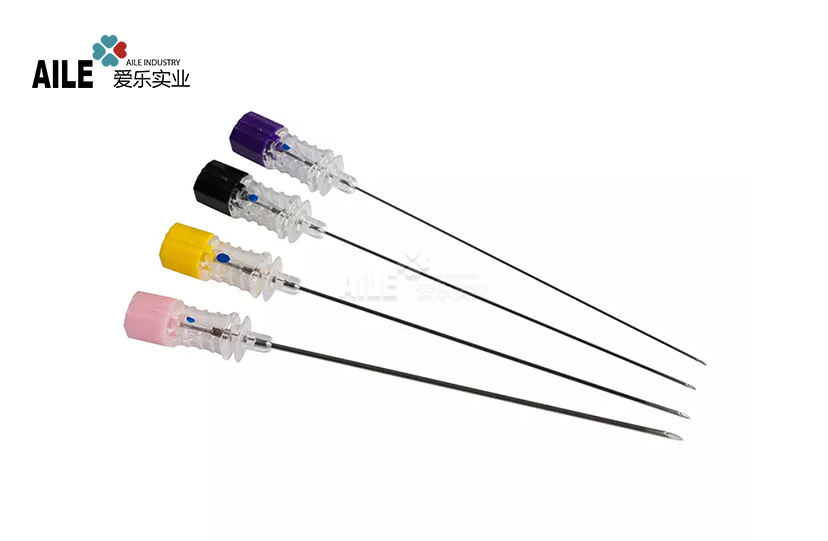
Choosing the right pencil-point spinal needle is a key part of getting better results from regional anesthesia. These specialized tools have a direct effect on how safe patients are, how quickly procedures are completed, and how much they cost. Unlike regular needles with cutting tips, the pencil-point design greatly lowers the number of headaches that happen after a dural puncture. This is because it separates dural fibers instead of cutting them, which speeds up mending and reduces cerebrospinal fluid leaks. This decision affects not only the instant success of the procedure but also how long it takes for patients to recover, how often they have to go back to the hospital, and how efficiently resources are used. Medical procurement professionals, such as device buyers, clinical directors, and quality compliance officers, need to know how needle selection fits in with institutional protocols, patient demographics, and supply chain stability needs in order to provide the best care and stay within budget in surgical centers and ambulatory facilities.
Understanding Pencil Point Spinal Needles and Their Design Features
The tech behind pencil-point spinal needles is a big step forward in making medical instruments that don't hurt people. These tools have a carefully shaped, non-cutting tip that separates tissue instead of cutting through it. This is very different from regular Quincke needles, which have sharp, serrated edges. In practical terms, this difference is important because the rounded shape protects the dura mater's internal integrity, making it easier for puncture sites to close up after the needle is removed.
The Anatomical Advantages of Non-Cutting Geometry
Whether the conical tip is designed using Whitacre or Sprotte principles, it gives a unique tactile feedback during entry, giving doctors the well-known "pop" sound when it penetrates the dura. This proprioceptive signal helps with exact subarachnoid placement, which lowers the risk of having to try more than once and the problems that come with that. According to research, wound sites caused by pencil-point spinal needle shapes are less likely to become inflamed than those caused by cutting shapes.
Gauge Selection and Clinical Performance
With gauge values from 18G to 27G, you can make changes based on the needs of the procedure. Larger gauges (18–22G) make it easier to collect cerebrospinal fluid more quickly for testing reasons. On the other hand, smaller gauges (24–27G) greatly reduce the number of headaches that happen during mobile surgery and labor and delivery. The normal length of the AVACARE Pencil-point spinal needle is 90 mm, and the sizes range from 18G to 27G. The needle is made from medical-grade PVC and stainless steel to meet a variety of clinical needs. The ultra-clear hub design lets you see CSF flashback right away, which speeds up the procedure and boosts your faith in the placement.
Material Science and Structural Integrity
The construction materials have a direct effect on how well the needle works. High-tensile 304 medical-grade stainless steel is stiff enough to get around hardened muscles in older patients while still being flexible enough to avoid damaging tissues. The smooth surface of the cannula makes it easier to enter, and the polished side port makes sure that the anesthetic is spread evenly throughout the subarachnoid space. All of these technical factors work together to lower the chance of nerve tissue damage while keeping the structure strong in high-pressure areas like the spine.
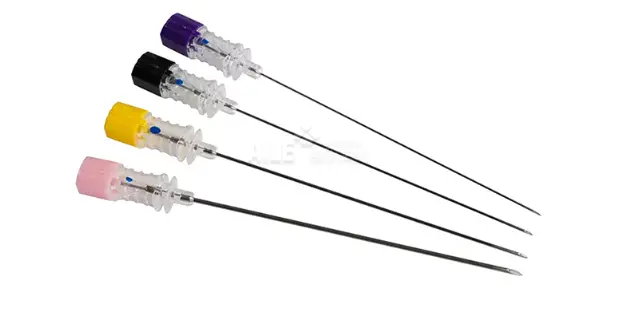
Key Factors to Consider When Choosing a Pencil-Point Spinal Needle
When making a procurement choice, you need to carefully look at a number of interdependent variables that affect the long-term worth and clinical usefulness of the item. In addition to the initial unit price, the total cost of ownership includes things like the number of complications, how satisfied patients are with the treatment, how much staff training is needed, and how much it costs to follow all the rules.
Clinical Safety Profiles and Patient Outcomes
Compared to cutting options, clinical evidence regularly shows that pencil-point spinal needles greatly lower the number of headaches that happen after a spinal puncture. Studies with pregnant women show that the rate of PDPH drops from about 5–10 percent with Quincke needles to less than 2 percent with pencil-point designs of the same size. This drop directly leads to fewer unplanned hospital stays, less painkiller use, and better bonding between mother and child after cesarean birth. The design that doesn't cut is also good for older orthopedic patients getting hip replacements, because the better tactile feedback helps anesthesiologists better manage the complicated spine anatomy.
Regulatory Compliance and Quality Certifications
When buying medical devices, strict checks must be made to make sure they are approved by regulators and that quality control rules are followed. As a minimum standard for responsible sourcing, products must meet established approval guidelines such as FDA clearance, CE marking, and ISO 13485 quality system compliance. The AVACARE brand has both CE and ISO 13485 approvals, which show that it is committed to quality standards that are known around the world. These qualifications give proof of consistent manufacturing, batch tracking, and product safety records that are needed for academic quality checks. Purchasing managers should make sure that sellers have up-to-date certifications and can provide a lot of detailed information, such as records of biocompatibility testing, sterilization validation, and design verification.
Brand Reliability and Supplier Capabilities
Leaders in the industry, like BD, Pajunk, and Covidien, have long histories of success. However, new companies with strong quality systems can often offer better deals. To figure out how reliable a provider is, you have to look at their production capacity, how resilient their supply chain is, how well they can handle emergency deliveries, and their technical support infrastructure. Long-term partnerships work best when suppliers can quickly fill pressing orders, offer customization options for private labeling and localized packing, and provide clinical training materials like instructional videos and paperwork in multiple languages.
Evaluating Market Options: From Price to Procurement Logistics
Strategic buying weighs short-term cost concerns against the need for long-term operating security and clinical performance. Knowing how markets work helps buyers choose between choices like working directly with manufacturers or forming partnerships with distributors.
Pricing Dynamics and Volume Considerations
Unit prices change a lot depending on how much you order, and buying in bulk usually saves you 15–30% on the cost compared to buying in small lots. The AVACARE brand has a minimum order number of 5,000 pieces. This makes it ideal for business buyers who want to get the best price per unit while keeping enough inventory on hand for every three to six months. This level is big enough to fit mid-sized surgical centers and area hospital networks without making storage too hard. To compare supplier offers, people in charge of buying things should add up all the landed costs, which include shipping, customs taxes, and the cost of keeping goods.
Supplier Channel Assessment
Working directly with OEM makers has benefits, such as the ability to make changes and get expert help, and it might also lead to lower prices. As an OEM and custom branding partner, AVACARE helps marketers and medical device importers create private-label product lines that fit with how they plan to place their products in the market. Regional distributors who want to set their products apart while keeping quality high through approved production partnerships will find this feature very useful. Alternative routes through well-known medical device distributors offer perks like consolidated shipping, a wider range of products, and well-established logistics networks, but the cost per unit may be higher.

Logistics and Supply Continuity
Production lead times are important planning factors for procurement managers who are in charge of keeping supply chains running smoothly. AVACARE goods usually take 30 to 45 days to make, so you need to order them ahead of time to make sure they fit with models that predict demand. Buyers should set safety stock levels that take into account changing demand and lead times, especially for high-volume uses like maternal anesthesia services. Different institutional buying policies and risk management choices can be met with different payment terms, such as letter of credit and telegraphic transfer. Samples make it possible to do clinical testing before placing big orders, which lowers the risk of buying and makes it easier for internal stakeholders to agree with the decision.
Making the Decision: Criteria and Personalized Matching
Systematic evaluation frameworks that are in line with institutional goals and clinical needs are needed to turn technical specifications and market choices into procurement decisions that can be put into action. For buyers of pencil-point spinal needles, structured evaluation ensures consistent clinical performance and procurement efficiency.
Defining Institutional Requirements
To be successful with procurement, you must first do a complete needs assessment that includes expected usage numbers, procedure fields, patient demographics, and current clinical practices. High-volume maternity services use finer-gauge needles (25–27G) more often to reduce the number of PDPH cases in young women, who are more likely to get headaches. For orthopedic and senior surgery programs, mid-range gauges (22–24G) may be needed to find the best balance between safety and ease of entry through calcified joints. For diagnostic purposes, like collecting cerebrospinal fluid for testing in the lab, bigger sizes (18–20G) might be necessary when getting a sample quickly is more important than avoiding headaches.
Certification and Documentation Priorities
Quality compliance officers have to make sure that product certifications are in line with the rules and standards for school accreditation. Class III medical devices are the most dangerous and need a lot of paperwork, like design history files, risk analysis records, clinical evaluation reports, and data from after the device has been sold. With ISO 13485 approval, makers can be sure that their quality management systems are set up to make medical devices. These systems cover things like design controls, process validation, supply management, and methods for corrective action. These certifications give basic peace of mind that goods meet the safety and effectiveness standards needed for professional use.
Balancing Cost and Quality Considerations
When buying something, budget limits are a valid concern, but lowering costs should never come at the expense of patient safety or clinical success. To find the real worth, you have to include the costs of complications, such as the cost of PDPH treatment, longer hospital stays, and the chance of being sued. A needle that costs 20% less but causes twice as many headaches raises the total cost of care by a large amount. The best thing that procurement professionals can do for their institutions is to give thorough value studies to clinical partners. This helps them make decisions that balance short-term budget needs with long-term quality requirements and patient result goals.
Ensuring Safe and Effective Use of Pencil Point Spinal Needles
Choosing the right product is only one part of a good practice implementation. Safe use depends on using the right method, having skilled staff, and having strong support systems from factory partners.
Insertion Technique and Best Practices
Because pencil-point spinal needles have side ports instead of end-hole cutting ports, they need to be inserted in a certain way. To separate the tissue as much as possible while causing as little damage as possible, doctors should move the needle forward with the tip lining up with the longitudinal dural fibers. The unique tactile input, which is often described as a "give" or "click" feeling, tells the doctor that the needle has penetrated the dura mater, so the progress must stop before it reaches the ventral subarachnoid space. Watching the CSF flashback through the clear hub makes sure the device is in the right place before medicine is given. The AVACARE pencil-point spinal needle hub design makes this confirmation faster, which cuts down on process time and boosts placement trust even in tough clinical situations.
Risk Mitigation Through Design Features
Besides lowering PDPH, pencil-point form also reduces a number of routine issues. The polished lateral port makes sure that the medicine spreads evenly throughout the subarachnoid space instead of providing large amounts at once, which could lead to uneven numbness or nerve irritation in one area. The atraumatic tip lowers the chance of a spinal hematoma forming in people with coagulopathies or who are taking antiplatelet treatment, but the usual warnings still apply. Eco-friendly materials reduce their effect on the environment without affecting clinical performance. This is in line with the fact that healthcare institutions are putting more emphasis on sustainability efforts.
Technical Support and Training Resources
Education given by the supplier has a big effect on practical adoption and the best way to use the product. Support should include examples of insertion techniques, methods for dealing with complications, and fixing advice for difficult anatomical situations. Documentation that is available in more than one language helps the varied clinical teams that are common in foreign healthcare settings. Quick technology help, ideally available 24 hours a day, seven days a week, quickly answers important clinical questions and product concerns. AVACARE is dedicated to providing full-lifecycle support, which means that procurement partners get more than just products. They also get professional training, quick customer service, and strong supply chain assurance, all of which boost institutional confidence and clinical success rates.
Conclusion
When choosing the right pencil-point spinal needles, you have to think about how well they work clinically, how much they cost, and how reliable the seller is. The non-cutting design greatly lowers the number of headaches that happen after a spinal puncture and provides better tactile feedback for correct placement in a wide range of patient groups. To find solutions that meet the needs of the organization, procurement professionals need to carefully look at gauge choices, certification qualifications, pricing structures, and suppliers' abilities. By knowing about production wait times, minimum order amounts, and customization options, you can build smart sourcing relationships that keep your supply going without lowering quality standards. In the end, good buying choices include clinical input, quality compliance checks, and financial analysis to get the best results for patients while staying within the budget of healthcare organizations of all sizes, from surgery centers to global hospital networks.
FAQ
What makes pencil-point needles safer than cutting-tip designs?
The rounded, non-cutting tip splits dural fibers instead of cutting them, which helps puncture sites heal better after the needle is taken out. Compared to equivalent-gauge Quincke needles, this method cuts down on cerebrospinal fluid leaks and the number of headaches that happen after a spinal puncture by 60–80%. The atraumatic form lowers the chance of both epidural hematomas and nerve tissue damage.
How do I verify regulatory compliance for spinal needles?
Ask for up-to-date certification paperwork, like FDA clearance letters or CE certificates of conformity, ISO 13485 registration certificates, and technical files that show the product meets standards like ISO 7864 for clean syringe needles. Reliable sellers make this paperwork easy to find and keep up-to-date records that can be used for quality checks by institutions.
Can pencil-point needles accommodate all anesthesia procedures?
These needles work great for subarachnoid anesthesia, but they aren't made to place an epidural catheter, which needs a different type of needle geometry. They work great for spinal anesthesia in obstetric, orthopedic, urinary, and lower-limb procedures. They are also great for diagnostic lumbar punctures to collect cerebrospinal fluid and check pressure.
Partner with AVACARE for Reliable Spinal Needle Solutions
Since 2014, AVACARE has been known as a reliable company that makes pencil-point spinal needles for hospitals and clinics around the world. Our Class III medical products are certified by CE and ISO 13485 and are made in 100,000-level clean rooms that cover 12,000 square meters. At every stage of production, they are subject to strict quality controls. We help with samples so that clinical testing can be done before committing to big quantities. We also offer custom branding for distributors who are building private-label portfolios and flexible payment terms, such as L/C and T/T choices, to accommodate different procurement policies. Our 30- to 45-day production wait times and 5,000-piece minimum sales make it easy for mid-sized and regional healthcare networks to get what they need quickly. Email our procurement experts at admin@aileindus.com to talk about your institution's needs, get detailed specs, or find the best price on your next order. We don't just sell goods; we also build relationships with them that include technical training, live help 24 hours a day, and a reliable supply chain that healthcare procurement workers count on to keep clinical operations running smoothly.
References
1. Lambert DH, Hurley RJ. "Cauda Equina Syndrome and Continuous Spinal Anesthesia." Anesthesia & Analgesia, 1991, vol. 72, pp. 817-819.
2. Turnbull DK, Shepherd DB. "Post-Dural Puncture Headache: Pathogenesis, Prevention, and Treatment." British Journal of Anaesthesia, 2003, vol. 91, no. 5, pp. 718-729.
3. Vallejo MC, Mandell GL, Sabo DP, Ramanathan S. "Postdural Puncture Headache: A Randomized Comparison of Five Spinal Needles in Obstetric Patients." Anesthesia & Analgesia, 2000, vol. 91, pp. 916-920.
4. International Organization for Standardization. "ISO 7864:2016 Sterile Hypodermic Needles for Single Use." Geneva: ISO Standards, 2016.
5. Richman JM, Joe EM, Cohen SR, et al. "Bevel Direction and Postdural Puncture Headache: A Meta-Analysis." Neurologist, 2006, vol. 12, no. 4, pp. 224-228.
6. American Society of Anesthesiologists Task Force. "Practice Guidelines for Obstetric Anesthesia: An Updated Report." Anesthesiology, 2016, vol. 124, no. 2, pp. 270-300.
_1781502882078.webp)
Needlestick injuries are one of the most dangerous risks that healthcare workers have to deal with every day. The disposable safety needle is a revolutionary answer to this problem because it has built-in safety features that greatly lower the risk of accidental punctures and exposure to blood-borne pathogens. With features like retractable cannulas and moving safety shields, these medical-grade devices use cutting-edge tech to keep healthcare workers safe from getting HIV, hepatitis B, and hepatitis C. In addition to keeping hospital staff safe, these needles make patients more comfortable by having very thin walls that are very sharp and cause less tissue damage. They also have to strictly follow global regulatory standards like FDA and ISO 13485.
Understanding Disposable Safety Needles: Definition and Function
What Makes Safety Needles Different from Conventional Needles
Because they have built-in safety features, safety-engineered sharps devices are very different from regular injection needles. These medical tools have either passive systems that work automatically during injections or active designs that need to be activated by the user on purpose to launch protected shields. The engineering behind these devices handles a major safety issue in the workplace: according to data from occupational health, about 385,000 needlestick accidents happen to healthcare workers every year in hospitals alone. When you throw away or handle a traditional needle, the sharp point is left out in the open. This makes it easier for germs to spread.
The ways that different types of devices protect themselves are very different. When the shot is done, retractable features pull the cannula back into the barrel. A shield system with hinges swings a protected cover over the needle tip, and a sheath moves along the length of the needle with sliding sleeve mechanisms. Each system goes through a lot of tests to make sure it always works and locks permanently, stopping further exposure. The Needlestick Safety and Prevention Act forces companies to look at and use safer medical equipment. These engineering advances are directly in response to those rules.
Technical Construction and Material Standards
The cannulas of modern disposable safety needles are made from medical-grade SUS304 stainless steel, which is very resistant to rust and maintains its structural integrity. The ultra-thin wall technology increases the flow rate of medicine while keeping the mechanical power needed for deep tissue penetration. To meet manufacturing standards, needle tips must be precisely ground to make them triple-beveled, which lowers the force needed to penetrate and lessens patient pain. A medical-grade silicone lubrication layer that meets ISO 7864 standards lowers entry resistance and tissue drag even more.
Another important technical factor is the sterilization routines. EO gas cleaning achieves a Sterility Assurance Level of 10⁻⁶, which means that it completely gets rid of bacterial contamination without changing the qualities of the material. Biocompatibility standards set out in ISO 10993 say that the gadgets must not generate heat and contain no DEHP. Hub links meet ISO 80369 standards, which means they work with both Luer Lock and Luer Slip syringe connectors. These technical details have a direct effect on clinical performance, changing everything from the accuracy of the medicine to the comfort of the patient while it is being given.
Core Benefits of Using Disposable Safety Needles in Healthcare Settings
Enhanced Occupational Safety and Injury Prevention
The main benefit of disposable safety needles is that they have been shown to lower the number of needlestick accidents. There is clinical data that shows that when facilities start complete safety needle programs, the number of injuries goes down by more than 60% within the first year. By putting a constant barrier between the dirty needle tip and healthcare workers, the built-in safety shield successfully stops accidental pricks. This safety goes beyond the instant injection moment; it also covers risks during disposal processes, which is when most needle injuries happen.
Being able to activate something with one hand is especially helpful in emergency rooms and critical care units, where nurses have to do a lot of work at once. The improved locking structure lets nurses and doctors lock the safety device without taking their attention off of watching over patients or giving them medicine. This benefit is even more clear in emergency situations involving patients who aren't cooperating or are even fighting, because doctors can protect themselves right away without needing both hands or stable standing. The simple design cuts the time it takes to activate from several seconds to less than one second, which makes exposure areas smaller.
Infection Control and Cross-Contamination Prevention
In addition to keeping healthcare workers safe, safety devices play a big role in preventing infections. When a lot of people are getting care at the same time, the instant shielding of contaminated needle points keeps the surroundings from getting contaminated. This containment feature is especially helpful in labs that work with high-risk specimens because it keeps sharps from getting exposed when people move or bump into things in a busy office. Users can be sure that the permanent locking mechanism won't be activated while they're handling trash because they can hear and see signs that it has been locked.
Sterilization approval under CE and ISO 13485 standards makes sure that medical devices don't have any microbes on them when they get to healthcare facilities. EO gas cleaning can get into complicated device shapes, like the inner channels of needle hubs and safety mechanism parts. This thorough cleaning goes beyond the needle itself and includes all parts that come into touch with medicine or patient tissue. The individually boxed design keeps the product sterile until it is used, which helps hospitals with their infection control programs and meets Joint Commission compliance standards.
Financial Impact and Cost-Benefit Analysis
Disposable safety needles cost more up front than other options, but a full financial study shows that they save a lot of money in the long run. Treatment for a needlestick injury may include instant post-exposure prophylaxis, lab tests, follow-up medical visits, and possibly long-term antiviral therapy. The Centers for Disease Control say that care costs about $3,000 to $7,000 per event on average. High-risk exposures could cost more than $1 million if the disease spreads in the worst way possible and people are sued.
The real cost of needlestick injuries is much higher because of workers' compensation claims, staff replacements during recovery times, and possible lawsuit payouts. When healthcare facilities start safety needle programs, their insurance rates go down because risk management officers see them as proactive steps to avoid injuries. Simplifying the rules for getting rid of sharp objects makes administration more efficient because safety-engineered devices cut down on the need to sort things and reduce the number of cases where sharps containers are overfilled. These operational changes save environmental services staff and nursing staff who are in charge of handling waste streams measured amounts of time.
Types and Selection Criteria of Disposable Safety Needles for Procurement
Device Categories and Clinical Applications
Based on the needs of clinical applications, disposable safety needle shapes are divided into separate groups. When speed and ease of use are most important, retractable systems are perfect for high-volume vaccine programs. This is because the passive activation doesn't require any extra steps from the user beyond the standard injection technique. When exact anatomical targeting is needed, hinged screen designs improve visibility, letting doctors keep visual proof of needle placement before triggering protection. Sliding sheath systems have the smallest appearance, which is useful in places with limited room, like vehicles or homes where healthcare is provided.
The choice of gauge has a big effect on clinical results and patient comfort. Larger gauge sizes (18G–21G) can handle thick medicines and quick fluid giving in emergency situations, while smaller gauges (25G–30G) reduce tissue damage for infant and subcutaneous injections. The AVACARE safety needle line covers the whole range, from 16G to 30G, giving purchasing managers a lot of choices for a wide range of hospital areas. Lengths ranging from 0.5 inches to 1.5 inches allow for release through the skin, the subcutaneous layer, or the muscle in a variety of patient groups.
Supplier Evaluation and Quality Verification
To choose trusted suppliers, you need to look at more than just the product specs. Certifications for manufacturing facilities show how quality management systems and process controls work. Medical device quality management standards, such as design controls, risk management, and post-market tracking, must be followed in order to get ISO 13485 approval. The CE label shows that the product meets the requirements of the European Medical Device Regulation, and the FDA registration shows that it meets the requirements of US legal standards. AVACARE has both CE and ISO 13485 standards, and our 12,000-square-meter production center has rooms that are 100,000 times cleaner.
The production capacity, inventory management systems, and transportation infrastructure should all be looked at in a supplier capability review. The minimum order quantity (MOQ) affects both budget planning and storing needs. AVACARE's MOQ of 20,000 pieces strikes a mix between manufacturing efficiency and easy entry points for mid-sized facilities. The time it takes to get an order and send it affects how inventory is managed. Our normal 30- to 45-day production cycle works with the planning time frames that are common in hospital procurement. Offering both L/C and T/T payment options lets institutions with different buying practices and preferences for foreign transactions work together.
Streamlined Procurement Strategies for Disposable Safety Needles
Building Strategic Supplier Partnerships
Long-term stability in the supply chain relies on building partnerships with makers who know what healthcare operations need. Pricing systems that are clear make it possible to make accurate budget projections and stop sudden changes in costs that mess up financial planning. Volume discount programs reward loyalty while lowering the cost per unit. This makes it easier for facilities on a tight budget to adopt disposable safety needles. AVACARE's OEM/ODM services let you change the languages used on the package, parts of the branding, and even small parts of the design to fit institutional guidelines or local regulatory needs.
Transactional vendors are different from superior providers because they don't offer technical help services. Full product training makes sure that hospital staff know how to properly activate the device, which maximizes safety benefits and reduces user mistakes. Supporting various healthcare workforces, demonstration videos and multilingual instruction guides cut down on training time and make it easier to check that people are competent. Our 24-hour quick response system takes care of important questions or supply situations right away, so procurement managers can be sure that problems with operations will be fixed right away. Evaluation groups can do hands-on tests before committing to large-scale buying when samples are available upon request.
Quality Assurance in Procurement Workflows
Healthcare facilities can avoid using substandard devices that could harm safety programs by putting in place strong quality testing processes. The Certificate of Analysis paperwork shows that each production batch meets the required standards for size, triggering force, and cleanliness. Batch tracking systems let you quickly fix problems with quality by isolating the affected goods and stopping the spread of faulty units to many other locations. AVACARE's quality management system keeps detailed records that show the full supply chain, from the lots of raw materials used in the production process to the end distribution.
Incoming inspection procedures should check the soundness of the package, the accuracy of the labels, and the sufficiency of the expiration dates. Random sampling from shipments that have been received lets safety devices be tested to make sure that triggering forces are within acceptable ranges and locking systems work consistently. Performance standards, such as penetration force tests, make sure that needles are sharp, which keeps tissue damage to a minimum and patient pleasure at its highest level. These quality checkpoints fit right in with how hospitals normally receive goods, adding little to no extra work for staff while greatly lowering the number of nonconforming products that are accepted.
Regulatory Compliance and Safe Disposal Practices for Disposable Safety Needles
Navigating Global Regulatory Requirements
International rules on medical devices make it hard for buying workers to stay in line when they buy goods from other countries. In order to get FDA 510(k) clearance in the US, makers have to show that their products are substantially equivalent to existing devices. This can be done by checking their performance and making sure they are biocompatible. For European products to get the CE mark, the Medical Device Regulation (MDR) says they need to have a lot of technical paperwork, like clinical evaluation reports and plans for after the product goes on sale. AVACARE's dual certification makes it easier for centers that work in more than one state or in foreign healthcare networks to follow the rules of disposable safety needles.
The Bloodborne Pathogens Standard from OSHA says that safer medical devices must be evaluated every year, and healthcare companies must show that they have thought about and put in place technical controls like safety needles. Compliance officers have to keep track of needlestick accidents, review exposure control plans, and show that field healthcare workers' opinions are taken into account when choosing devices. For these legal requirements, the procurement paperwork needs to include seller certifications, product testing results, and proof that clinical staff took part in the evaluation. Our complete technical paperwork package helps with these legal tasks, making the work of the quality and regulatory affairs departments easier.
Environmental Responsibility and Waste Management
Properly throwing away sharps protects not only the people who use them but also people who work with trash, environmental services, and community cleaning. Rigid sharps containers that meet OSHA and EPA standards keep needlestick injuries from happening during shipping and treatment because they can't be punctured. Safety-engineered devices lower the amount of sharps containers that need to be used because protective shields stop needle points from sticking out of containers that are too full. This bulk economy means that less trash needs to be hauled away, which saves money in the long run.
Different areas have different ways of getting rid of trash, but the main ones are burning, autoclaving, and chemical cleaning. Safety needles are treated the same way as regular sharps, so they don't need to be handled in a special way that could make removal more difficult. The individually packaged design helps separate waste correctly, so infected and non-infectious waste streams don't mix, which could make cleaning more expensive. In healthcare facilities that are trying to be more environmentally friendly, fewer needlestick injuries help reach bigger environmental goals by getting rid of dangerous drug waste from post-exposure prevention medicines and lowering the carbon footprint of medical care related to injuries.
Conclusion
Disposable safety needles make the workplace safer, stop infections, and run more smoothly, which are the things that healthcare buying decision-makers care about the most. Because they are new in terms of engineering, follow the rules, and have been shown to reduce injuries, these gadgets are necessary parts of modern healthcare systems. Carefully choosing suppliers, making sure products are of good quality, and planning purchases strategically can help get the best return on investment while also protecting healthcare staff. As rules and safety standards get stricter and more complicated for healthcare centers, it's important for programs to work with certified makers who can provide full technical support and a reliable supply chain.
FAQ
Are safety needles sterile when received?
All AVACARE Disposable Safety Needles are sterilized with EO gas and come in individually sealed packages to keep them that way until they are used. Each box has a sterility sign and an expiration date. Our normal shelf life is five years from the date of creation, as long as the product is stored properly.
How do safety needles differ from safety syringes?
Standard syringes can be used with safety needles, which have safety features built into the needle itself. Safety syringes, on the other hand, have both the needle and the barrel built into a single device. Needle-only designs are better in many professional situations because they give you more options for processes that need to change syringes or mix medications.
What happens if the safety mechanism fails to activate?
Quality control tests make sure that activation frequency is higher than 99.9%, but if an activation device breaks down, it should be put in a sharps container right away and reported through your facility's adverse event system. AVACARE keeps track of each lot, which lets any known problems be looked into quickly.
Partner with AVACARE: Your Trusted Disposable Safety Needle Supplier
When buying healthcare supplies, you need more than just reasonable prices. You also need to work with makers who are dedicated to quality, compliance, and quick service. Every disposable safety needle that AVACARE makes is the result of ten years of experience making medical devices. We use ISO 13485 quality management, CE approval, and seven national patents to protect our innovations. Our Class II medical device portfolio serves hospitals, surgery centers, and clinical care facilities in over 100 countries. It is backed by strong logistics skills, such as emergency supply support and full shipping insurance. Email our technical team at admin@aileindus.com to get samples, talk about OEM customization options, or get volume pricing that fits the needs of your building.
References
1. Centers for Disease Control and Prevention. (2020). Sharps Safety for Healthcare Settings. National Institute for Occupational Safety and Health Publication Series.
2. International Organization for Standardization. (2016). ISO 13485:2016 Medical Devices — Quality Management Systems. Geneva: ISO Standards Publications.
3. Occupational Safety and Health Administration. (2019). Bloodborne Pathogens and Needlestick Prevention Standards. U.S. Department of Labor Regulatory Guidelines.
4. American Nurses Association. (2018). Safe Needle Devices: Protecting Healthcare Workers. Journal of Clinical Nursing Practice, Volume 12.
5. World Health Organization. (2017). WHO Best Practices for Injections and Related Procedures Toolkit. Geneva: WHO Press.
6. European Parliament and Council. (2010). Directive 2010/32/EU on Prevention of Sharps Injuries in Hospital and Healthcare Settings. Official Journal of the European Union.
- 1
- 10
- 11
- 12
- 13