BLOG List
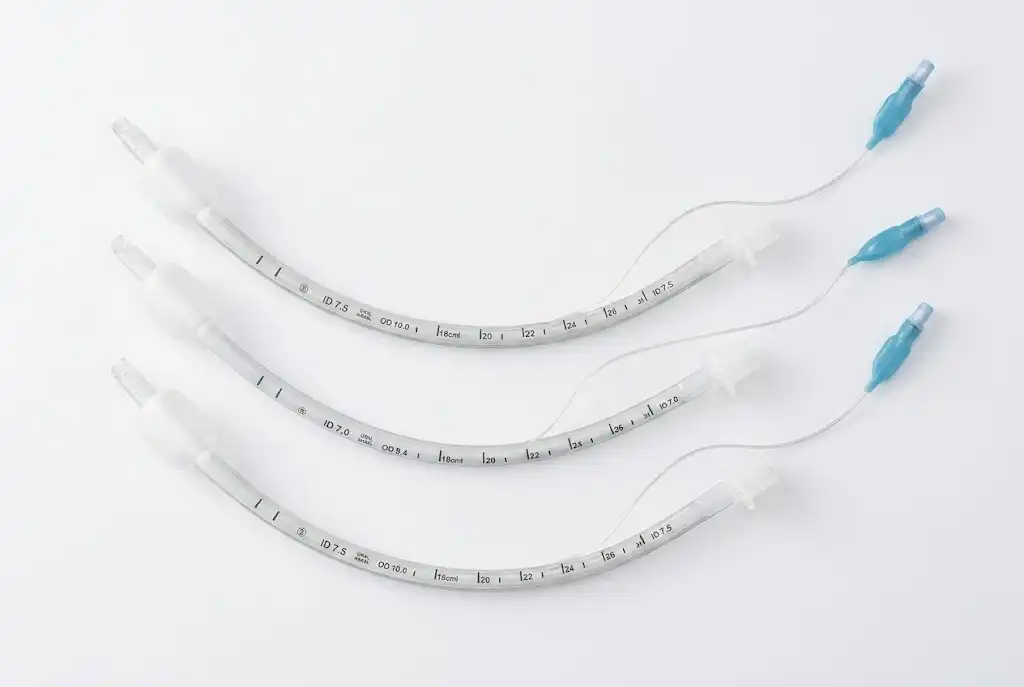
When selecting an endotracheal tube with cuff for your healthcare facility, understanding the differences between PVC and polyurethane cuff materials is crucial. Each material offers distinct advantages in terms of sealing efficiency, patient safety, and clinical outcomes. PVC cuffs have been the industry standard for decades, while ultrathin polyurethane cuffs represent advanced technology with micron-level thickness that creates superior tracheal seals. This guide walks procurement professionals through material properties, regulatory compliance, sizing considerations, and supplier selection criteria to make informed purchasing decisions that balance clinical performance with cost-effectiveness.
Understanding Endotracheal Tubes with Cuff: Basics and Functions
As a critical airway management device, an endotracheal tube with cuff makes a sealed passageway for artificial breathing in patients who are very sick. The inflatable cuff near the distal end makes a seal around the tracheal walls, keeping air from leaking during positive pressure ventilation and keeping stomach contents or oropharyngeal secretions from entering the lower respiratory system.
Core Components and Their Clinical Roles: Endotracheal tube with cuff
Modern cuffed tubes have a number of important traits that affect both the patient's safety and the quality of breathing. The radiopaque line that runs the whole length of the tube lets doctors check the tube's position accurately with X-rays. This is especially important in emergency intubation situations. The Murphy eye works as a backup way for air to flow, making sure that gas stays flowing even if the main opening gets partly blocked by mucus or touches the tracheal wall. The standard 15mm universal connection makes sure that all kinds of ventilation equipment can work together, so there are no delays when time is of the essence. These parts work together to provide reliable airway control in places like emergency rooms, intensive care units, and operating areas where safety and accuracy must not be compromised.
Clinical Indications and Applications
Cuffed endotracheal tubes are mostly used in three high-stakes situations in healthcare facilities. Intensive care units use them for patients who need artificial breathing for more than 48 hours. The closing ability of the cuff is important for keeping tidal amounts steady and avoiding ventilator-associated pneumonia. During general anesthesia, operating rooms need cuffed tubes. This is especially true for laparoscopic procedures, which need safe breathing protection because of the higher pressure inside the abdomen. During rapid sequence induction for trauma or cardiac arrest patients, emergency rooms and pre-hospital care teams depend on these devices. The tube must immediately guard against aspiration in unfastened people.
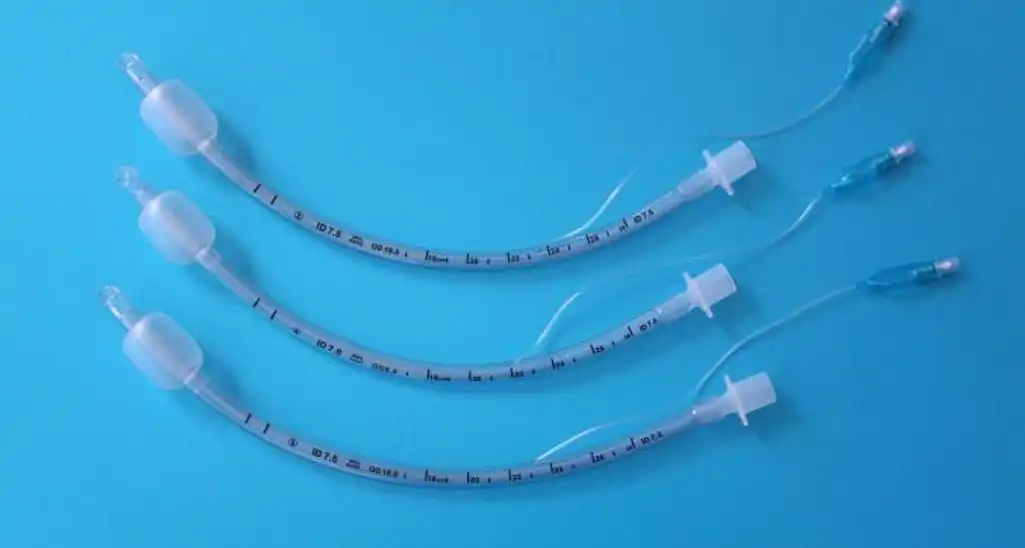
PVC Cuff vs. Polyurethane (PU) Cuff: Material Analysis and Core Differences
The material you choose for the tip of your endotracheal tube has a direct effect on how well it works, how much it costs, and how safe it is for patients. When procurement teams know the physical and chemical properties of each option, they can make decisions that are in line with specific clinical needs.
PVC Cuff Characteristics
Traditional PVC cuffs of endotracheal tube with cuff are usually 50 to 80 microns thick and need more air to be pumped into them to seal the trachea properly. The stronger wall structure makes bends that form micro-channels when the balloon expands, which could let secretions pass even though the seal seems to be intact. PVC is flexible at room temperature, but it gets stiffer when it comes in contact with body heat. This can make pressure points on the tracheal mucosa worse during long periods of intubation. These tubes are approved by the FDA as Class II medical devices and meet ISO 5361 standards. They are easy to find through established supply chains and cost between $2 and $5 per unit for bulk orders.
Polyurethane Cuff Advantages
The use of polyurethane technology has made a big improvement in how well airways are sealed. The ultrathin PU cuffs from AVACARE are only 7–15 microns thick, which is about one-fifth the thickness of regular PVC options. This thinner wall completely gets rid of the micro-folding issue, making a fluid-tight seal at lower mucosal pressures. Because the material is thermosensitive, it softens at body temperature to fit each person's tracheal structure perfectly, even if the shape isn't perfectly round. Clinical studies show that PU cuffs lower the risk of ventilator-associated pneumonia by limiting the number of micro-aspiration pathways. The better conformability makes high-volume, low-pressure design work better, spreading contact force evenly across the tracheal wall and lowering the risk of ischemia during long-term ventilation.
Regulatory Compliance and Safety Standards
Before they can be used in hospitals, both products must meet strict international quality standards. ISO 5361 tells us about tracheal tubes' basic safety standards, how they should fit together, and any size or shape differences that may exist. Biocompatibility testing, which makes sure that materials don't cause bad effects in tissues, is governed by ISO 10993. Today, buyers want DEHP- and latex-free products so that known allergens and hormone-disrupting substances don't come into contact with patients. The factory where AVACARE makes their products is ISO 13485 certified and has Class 100,000 cleanrooms. They also have seven national patents that cover ultrathin cuff technology and special ways to make things. This certification shows that quality control is carried out in a planned way throughout the whole production process, from checking the raw materials to making sure they are sterile by using ethylene oxide sterilization and keeping track of the results.
Choosing the Right Endotracheal Tube with Cuff: Size, Type, and Brand Considerations
To choose the right tube sizes and shapes, you need to carefully think about the types of patients, the medical standards, and the tastes of the institution. Procurement teams have to find a mix between how well the body fits and how well the material is managed.
Size Selection Guidelines
Endotracheal tubes are sized by their internal diameter in millimeters. The size is chosen based on the patient's age, gender, and body structure. Adult men usually need tubes that are 7.5 to 9.0 mm in diameter, while adult women usually need tubes that are 7.0 to 8.0 mm in diameter. For pediatric uses, smaller widths are needed. AVACARE has a range of sizes from 4.0mm to 6.0mm to meet the needs of a wide range of patients. The right size stops problems like not enough airflow from tubes that are too small or tracheal damage from tubes that are too big. The length of the tube must also fit the patient's body. For adults, the standard length is between 270 and 330 mm. Purchasing managers should keep a wide range of sizes in stock so that they are ready for emergencies without having to pay too much to store the goods.
Tube Type Variations
In addition to standard cuffed endotracheal tube with cuff, there are also specialized configurations that are used in certain clinical situations. In reinforced tubes, spiral wire is built into the wall to keep it from kinking when the patient is in a complicated surgical position. This is especially helpful for neurosurgery or prone procedures. The oral and nasal versions are shaped and lengthened differently to fit the intended insertion route. Some designs have subglottic suction holes that remove fluids that build up above the cuff. This lowers the risk of aspiration even more. The high-volume low-pressure cuff design has become the standard for most uses. It spreads touch pressure over a bigger surface area than older high-pressure low-volume designs.
Brand Evaluation and Supplier Reliability
Manufacturers that have been around for a long time can offer consistent quality and clinical validation. Teleflex sells the Rusch line, which comes in a lot of different sizes and has a lot of clinical success statistics. Smiths Medical makes new cuff pressure control tools for the Portex range. Medtronic's Shiley tubes are built stronger so they can be used in tough surgery situations. AVACARE uses advanced ultrathin polyurethane technology that is made in a facility that is ISO 13485-certified and can make 300,000 units per month. Smaller facilities and distributors can work with us because the minimum order quantity is only 100 pieces. Our OEM and ODM services allow for private labeling and customization to meet the needs of local markets. When purchasing teams look at different companies, they should check if they are currently certified, ask for proof of batch tracking, and see what kind of logistics support they offer, including help with emergency deliveries.
Proper Use and Safety: Insertion, Monitoring, and Complications
For the best results, even the best tubes need to be handled in the right way by a doctor. When making purchases, people should think about how the features of a product help keep clinical practices safe.
Insertion Best Practices
A successful intubation starts with properly preparing the patient and checking the tools. Clinicians should check the cuff for leaks by blowing it up before putting it on and making sure there are no bulges or tears in the expansion. Using a water-soluble gel to coat the tip of the tube protects the mucosa during passing. Direct laryngoscopy or video laryngoscopy lets the tube be guided between the vocal cords and into the airways. Once it is in place, the cuff should be inflated with just enough air to make a seal. Usually, 5–10 ml of air is enough, but this depends on the size of the tube and the patient's anatomy. The radiopaque line lets an X-ray show that the distal tip is about 3–5 cm above the carina. This keeps the main bronchus from being accidentally intubated or detubated.
Cuff Pressure Monitoring Protocols
Keeping the right cuff pressure during the intubation time is a very important safety measure that is directly linked to how well the material works. Professional standards say to keep the pressure between 20 and 30 cm H₂O to make sure there is a good seal against airway mucosal circulation. If the pressure is below this range, aspiration and ventilator air leaks could happen. If the pressure is too high, blood flow to the tracheal tissue could be cut off, which could lead to ischemic injury. At the lower end of this pressure range, the ultrathin polyurethane design seals well, giving you an extra safety cushion. Facilities should use calibrated manometers to check the pressure every 8 to 12 hours, and if numbers fall outside the goal range, they should be fixed right away. The pilot balloon gives tactile feedback, but it's not very accurate, so it's important to use objective measurement.
Complication Prevention and Management
When buying, teams know about possible problems; they can highlight product features of endotracheal tube with cuff that lower risk. Cuff leaks can happen because of mistakes in the manufacturing process, a broken starter balloon valve, or worn-out materials. This shows how important source quality systems are. The level of tracheal injury, from mild inflammation to severe stenosis, is related to the pressure and properties of the cuff. This means that PU's low-pressure, conformable design is clinically beneficial for long-term intubation. Because tubes can move around when a patient is being moved or transported, the Murphy eye is an important backup breathing system. Full-length radiopaque lines should be required for position verification in the procurement specifications, along with strong connector attachment to prevent accidental disconnection. AVACARE's ultrathin PU cuff has high tensile strength despite being very thin, so it won't tear when used for a long time in tough conditions.
Procurement Guide: Buying, Pricing, and Supplier Selection for Endotracheal Tubes with Cuff
To get value for the whole company, strategic procurement strikes a balance between clinical needs, legal compliance, cost management, and the dependability of the supply chain.
Sourcing Channels and Purchasing Strategies
Endotracheal tube with cuff units are usually bought by hospitals and other medical facilities through established medical device sellers, group buying organizations, or direct relationships with manufacturers. Distributors make it easier to order by combining orders, but they may charge 20–40% more than what the manufacturer charges. Group purchasing organizations use their buying power to get better deals from big suppliers. Compared to buying from a single facility, they can often get discounts of 10 to 25 percent. When you deal directly with a maker, you can get the best prices for large orders and make changes because of OEM and ODM agreements. AVACARE can produce 300,000 units per month, which is enough to handle big contracts with flexible delivery plans. On the other hand, our 100-piece minimum order size is perfect for smaller facilities and specialty distributors who are just starting out in the market.

Pricing Considerations and Budget Planning
Different types of materials, sizes, and order quantities affect the price of endotracheal tubes. When bought in bulk, standard PVC closed tubes usually cost between $2 and $5 per unit. Premium brands, which have a better image, charge more. The price of advanced polyurethane closed tubes ranges from $4 to $8 per unit, which is due to the complex ways they are made and their excellent clinical performance. Even though the unit cost seems higher, the lower number of complications and better results for patients often make up for it. This is because fewer days on the ventilator and lower care costs for tracheal injuries mean that the investment is worthwhile. Instead of just looking at the price of acquisition, procurement managers should figure out the total cost of ownership, which includes things like how well the product works, how to keep problems from happening, and how much it costs to keep inventory on hand.
Supplier Qualification and Certification Verification
Doing your research before choosing a supplier protects both the safety of patients and the institution's reputation. Procurement teams should ask for up-to-date ISO 13485 certificates that show the quality management system is compliant, as well as CE and FDA paperwork that shows the market is authorized. Batch tracking systems let suppliers act quickly if quality problems arise, which is why they are so important for responsible suppliers. Audits of manufacturing facilities let people see firsthand how things are made, how quality is controlled, and how clean the facilities are. AVACARE's 12,000-square-meter buildings have Class 100,000 cleanrooms, which shows how committed we are to preventing pollution throughout the manufacturing process. Our seven national patents, which cover ultrathin cuff technology and specialized processes, show that we are investing in innovation on top of just following the rules.
Conclusion
To choose between a PVC and polyurethane cuffed endotracheal tube with cuff, you have to weigh the costs, clinical performance, patient safety, and following the rules. Traditional PVC cuffs work well and are priced reasonably thanks to well-established supply lines. This makes them good for everyday use. Advanced polyurethane technology provides better sealing with lower complication risks. This is especially helpful for long periods of intubation, where avoiding ventilator-associated pneumonia is worth the extra cost. Buyers should judge providers based on their certifications, their ability to make products, the stability of their supply chains, and their customization services. The decision has a direct effect on the health of the patients and also has an effect on the budgets and efficiency of inventory management across your healthcare organization.
FAQ
What are the key differences between PVC and PU cuffs?
PVC cuffs are 50–80 microns thick and make tiny pathways when they inflate that may let secretions pass through. Polyurethane cuffs, on the other hand, are only 7–15 microns thick and don't fold, so they can make fluid-tight seals at lower pressures. Polyurethane softens at body temperature to perfectly fit the shape of the trachea. This makes it safer for extended breathing by lowering the risk of pressure points and ischemia compared to stiffer PVC options.
How do I determine the correct tube size for different patient populations?
Adult men usually need tubes with an internal diameter of 7.5 to 9.0 mm, while adult women usually need tubes with an internal diameter of 7.0 to 8.0 mm. For pediatric uses, diameters between 4.0 and 6.0 mm are needed, depending on the child's age and weight. AVACARE has a wide range of sizes, from 4.0mm to 6.0mm, to meet the needs of all of your patients' different body types.
Why is cuff pressure monitoring essential?
Keeping the pressure between 20 and 30 cm H₂O stops aspiration and air leaks and keeps blood flowing through the airway tissue. Too much pressure can cause ischemic harm that could lead to stenosis, and not enough pressure can cause ventilator-associated infections. Using calibrated manometers to check on the patient every 8 to 12 hours during the intubation period makes sure that they stay in the best possible balance.
Partner with AVACARE for Superior Airway Management Solutions
AVACARE provides medical-grade cuffed endotracheal tubes that are Class II. These tubes are made in our ISO 13485-certified 12,000 m² building that has Class 100,000 cleanrooms. Our ultrathin polyurethane cuff technology, which is only 7 to 15 microns thick, seals better than other options. It is backed by seven national patents and meets ISO 5361 and ISO 10993 standards. We offer OEM and ODM customization for private labeling and regional needs, and our minimum order size is only 100 pieces. Every month, we send out 300,000 units. For the safety of the patient, our tubes don't contain any DEHP or latex and have Murphy eyes and full-length radiopaque lines. Send an email to admin@aileindus.com to our procurement team asking for technical details, certification paperwork, and bulk price for this advanced endotracheal tube with cuff provider. Visit ailemedicals.com to see our full range of airway control products and to try out our quick response support system, which is available 24 hours a day, 7 days a week.

References
1. Dullenkopf A, Gerber A, Weiss M. Fluid leakage past tracheal tube cuffs: evaluation of the prevention efficacy of different pediatric cuffs. Intensive Care Medicine, 2003, 29(10): 1849-1853.
2. Bernhard WN, Yost L, Joynes D, Cothalis S, Turndorf H. Intracuff pressures in endotracheal and tracheostomy tubes: related cuff physical characteristics. Chest Journal, 1985, 87(6): 720-725.
3. Seegobin RD, van Hasselt GL. Endotracheal cuff pressure and tracheal mucosal blood flow: an endoscopic study of the effects of four large-volume cuffs. British Medical Journal, 1984, 288(6422): 965-968.
4. Lorente L, Lecuona M, Jiménez A, Mora ML, Sierra A. Influence of an endotracheal tube with polyurethane cuff and subglottic secretion drainage on pneumonia. American Journal of Respiratory and Critical Care Medicine, 2007, 176(11): 1079-1083.
5. Young PJ, Ridley SA, Downward G. Evaluation of a new design of tracheal tube cuff to prevent leakage of fluid to the lungs. British Journal of Anaesthesia, 1998, 80(6): 796-799.
6. Dave MH, Frotzler A, Spielmann N, Madjdpour C, Weiss M. Effect of tracheal tube cuff shape on fluid leakage across the cuff: an in vitro study. British Journal of Anaesthesia, 2010, 105(4): 538-543.
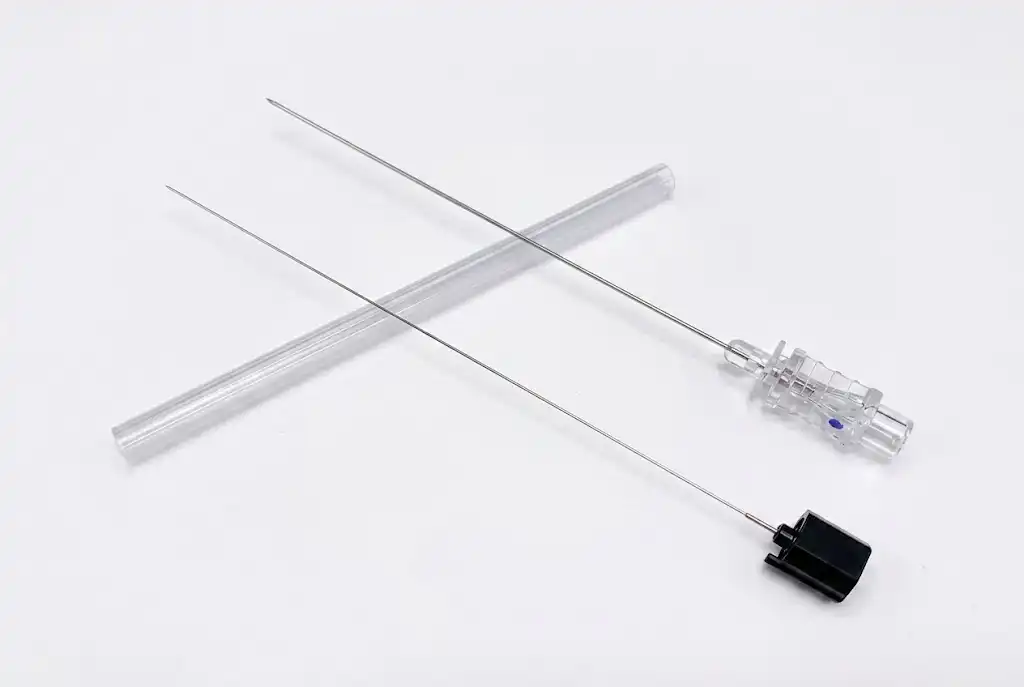
Lumbar puncture has transformed dramatically over the past few decades, primarily through innovations in needle technology. Modern pencil-point spinal needles represent a significant breakthrough in reducing procedure-related complications while improving patient comfort and clinical outcomes. These atraumatic needles, featuring a rounded, blunt tip design, gently separate rather than sever dural fibers during insertion, substantially lowering the risk of Post-Dural Puncture Headache (PDPH) and cerebrospinal fluid leakage. This evolution addresses longstanding challenges that have plagued anesthesiologists and patients alike, marking a turning point in neuraxial anesthesia practice.
The Limitations of Traditional Cutting Spinal Needles in Lumbar Puncture
Understanding the Quincke Needle Design
The cutting edge of traditional Quincke needles is sharp and curved, as has been the norm for decades. Even though it works, this design hurts dural tissue by cutting through collagen fibers. The resulting uneven puncture makes a way for cerebrospinal fluid to escape, which can cause problems that can make patients take longer to heal and be less happy with their care.
Clinical Complications Associated with Cutting Needles
Headaches after a spinal puncture are still the most common side effect connected to cutting needle designs. Studies show that the rate of PDPH can reach 30 to 40 percent in some groups of patients when standard cutting needles are used. The level of pain varies from mild discomfort to incapacitating pain that needs long-term bed rest, blood patch procedures, and other medical help. Tissue damage can cause more than just headaches. It can also cause bleeding, nerve irritation, and worry about future treatments.
Economic Impact on Healthcare Systems
Healthcare facilities have to spend a lot of money on problems that happen when spine needles are cut. Longer stays in the hospital, more treatments for managing PDPH, and possible worries about responsibility all add up to big price hikes. When figuring out the total cost of ownership, procurement managers who are looking at needle selection must take these costs further down the line into account. When patients are unhappy, it can hurt the institution's reputation and reimbursement metrics. This means that choosing the needle is more of a strategic decision than just a matter of unit pricing.
The Introduction and Anatomy of Modern Pencil-Point Spinal Needles
Innovative Atraumatic Tip Design
The Pencil-point spinal needle shape is a completely new way of thinking about how spine needles are built. The rounded conical tip doesn't cut through tissue; instead, it spreads out the dural fibers, making a self-sealing puncture that heals better after the needle is taken out. This biomechanical approach keeps the procedure effective while minimizing trauma. The side opening near the tip makes sure that all of the medicine gets to the subarachnoid space once it is reached, giving doctors reliable drug distribution.
AVACARE Pencil-Point Spinal Needle Specifications
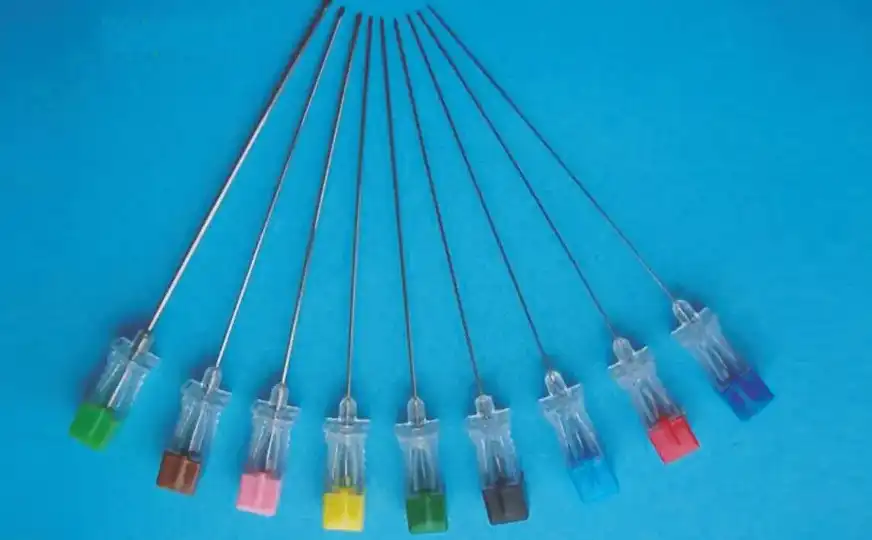
Our Pencil-point spinal needles are made from medical-grade PVC and stainless steel, and they meet the standards for Class III instruments. With sizes ranging from 18G to 27G and a normal needle length of 90mm, these devices can be used in a wide range of clinical situations. The hub's shape makes it easy to see CSF flashback quickly, which speeds up the procedure and boosts the clinician's trust. Each needle goes through strict quality control that is in line with CE and ISO 13485 standards. This makes sure that the needles always work the same way, which is important for healthcare organizations.
The improved shape of the tip gives a clear physical response—that familiar "pop" sound—when it penetrates the dura. This sensory proof helps anesthesiologists place the needle correctly in the brain on the first try, so the patient doesn't have to go through the pain of multiple tries. The polished lateral port reduces the chance of damaging nerve tissue and makes sure that the anesthetic is spread evenly throughout the target area.
Gauge Selection Considerations
Several clinical factors must be taken into account when choosing the right gauge. Smaller gauge needles (25G–27G) lower the risk of PDPH even more, but they may need more force to insert and flow CSF more slowly. Larger sizes (20G–22G) make it easier to quickly take samples of CSF and give medications, but they also have a slightly higher risk of complications. To get the best results while keeping things running smoothly, clinical leaders should make sure that the gauges they choose are right for the patients, the procedure, and the rules of the organization.
Comparing Pencil-Point vs. Cutting Spinal Needles: Evidence-Based BenefitsSignificant PDPH Reduction
Atraumatic needle designs consistently show better results in clinical research. A thorough meta-analysis of more than 15,000 lumbar puncture procedures showed that using Pencil-point spinal needles instead of cutting tools cut the risk of PDPH by about 60–70%. This huge improvement directly leads to faster recovery for patients and less need for life-saving measures like epidural blood patches. The atraumatic design has become the standard of care for maternal anesthesia, where PDPH rates have generally been high.
Enhanced Procedural Efficiency
Modern atraumatic whitacre spinal needle not only make things safer, but they also make work easier. The exact tactile feedback helps even less experienced doctors find the right place to put the needle, which could cut down on the time it takes to learn during residency training. The clear hub design lets you see the CSF return right away, so you know for sure that the dural puncture went well. These features work together to shorten procedures overall, boost success rates on the first try, and make the operating room run more smoothly. These are all things that project managers who are trying to make the best use of surgery plans and resources will appreciate.
Risk Mitigation Across Patient Populations
The atraumatic form works especially well for people who are at high risk. Pencil-point spinal needles are very helpful for younger patients, who have higher rates of PDPH at the start. Patients over 65 with calcified spinal ligaments, like how these needles make it easier for them to feel their way through difficult anatomy. Ambulatory surgery centers like same-day release procedures because they lower the risk of complications. Because they can be used on a wide range of patients, atraumatic needles are a smart choice for facilities that serve a wide range of people.
Procurement Considerations for Pencil-Point Spinal Needles in a Global B2B Context
Certification and Quality Assurance Standards
When looking for spinal needles for medical treatments in other countries, approval checks are the most important thing. Getting ISO 13485 certification shows that you follow strict quality control systems that are designed just for medical devices. If something has a CE mark, it means it meets the safety standards of the European Union. If it has an FDA mark, it means it works well enough for the US market. Procurement officers should give more weight to suppliers who keep their certifications up to date and give full documentation for each production batch's traceability. These credentials reduce regulatory risk and make sure that the quality of the product is the same from shipment to shipment.
Supply Chain Reliability and Customization Capabilities
By working together with makers who have strong supply chain infrastructure, you can avoid problems that could hurt patient care. AVACARE has a production center that is 12,000 square meters and has 100,000-class clean rooms to make sure that the work area is free of contamination. Our production ability can handle orders of at least 5,000 pieces, and wait times are between 30 and 45 days. This gives you a good idea of when your inventory will arrive, which helps you plan your purchases. Distributors can create their own product lines with the help of our custom branding services, and our technical team provides multilingual support and clinical training materials to make sure that the integration of products goes smoothly.

Pricing Models and Payment Flexibility
To be competitive in sourcing atraumatic spinal needles, you need to know more than just the unit price of what you're buying. Volume discounts for buying in bulk can lower per-unit costs by a large amount, making it financially smart to make bigger commitments. Different organizations have different ways of handling money and levels of risk tolerance, so payment terms like Letter of Credit (L/C) or Telegraphic Transfer (T/T) can be used. Sample programs let you check the quality of the work before committing to big orders, which lowers the risk of buying. Talking to sellers about prices in a clear way builds trust and makes it possible to make accurate budget projections for yearly consumable costs.
Step-by-Step Guide to Using Pencil-Point Spinal Needles for Optimal Patient Outcomes
Pre-Procedure Preparation and Patient Positioning
For a lumbar puncture to go well, the patient must be positioned correctly so that the most intervertebral space is available. When using lateral decubitus or sitting, making sure the spine bends opens up the laminar areas and makes it easier for the needle to pass through. The sterile method is still required, and strict rules for prepping the skin and covering it keep infectious problems from happening. Choosing the right place to put the device—usually the space between the L3 and L4 or the L4 and L5 vertebrae—balances ease of access with anatomical safety borders away from the spinal cord end.
Insertion Technique and CSF Confirmation
To insert the Pencil-point spinal needle, the skin, subcutaneous tissues, and supraspinous ligament must be moved slowly and carefully. As the needle gets closer to the ligamentum flavum, resistance rises significantly before the characteristic "pop" that signals dural penetration. Now, taking out the stylet should make clear CSF flow through the lateral port, showing that the subarachnoid was successfully placed. Being patient during this confirmation step keeps medicines from being given too soon into the wrong tissue planes.
Post-Procedure Monitoring and Complication Management
After the needle is taken out and the patch is put on, the best results come from getting the right post-procedure care. Even though atraumatic needles greatly lower the risk of PDPH, it is still important to be watched for the first 24 to 48 hours. Promoting proper hydration and letting gradual mobilization help the dural healing process. If headache symptoms show up early, conservative treatments like bed rest, painkillers, and caffeine can often help without the need for invasive blood patch procedures. Keeping track of the method used, the needle specifications, and the patient's reactions is an important part of ongoing efforts to improve quality.
Conclusion
The change from old-fashioned cutting needles to newer, less painful ones shows important progress in patient-centered care. Pencil-point spinal needles make a real difference in safety, comfort, and professional speed. They also lower the costs that hospitals have to pay to deal with complications. Healthcare procurement professionals get more out of their relationships with suppliers when they choose ones that offer new products, reliable manufacturing standards, and full service support. With more and more proof showing that atraumatic needles are better, using these new devices is not only a good idea, it's necessary to meet the high standards of neuraxial anesthesia today.
FAQ
What makes pencil-point needles superior for preventing PDPH compared to traditional options?
The main change is how the tissues communicate with each other. Pencil-point spinal needles separate dural fibers instead of cutting them. This makes a hole that heals better on its own after the needle is taken out. Clinical studies show that this design cuts down on CSF leaking by about 60 to 70%. CSF leakage is the main cause of headaches after a spinal puncture.
How do I select the correct gauge size for different clinical scenarios?
The choice of gauge depends on the patient's characteristics and the needs of the procedure. Smaller gauges (25G–27G) lower the risk of PDPH and work best in obstetric or outpatient settings where avoiding complications is very important. Larger gauges (20G–22G) make it easier to collect CSF more quickly for diagnostic reasons or when medicine needs to be delivered quickly. The best way to choose is to weigh these factors against the rules set by the organization.
What should procurement managers prioritize when sourcing these specialized needles?
Verification of certifications (CE, FDA, ISO 13485) makes sure that rules are followed and quality is consistent. Stability in the supply chain protects against disruptions, and the ability to customize meets the needs of branding. Procurement budgets work best when price models are clear, discounts are given for large orders, and payment terms are open (LC or T/T). Samples are available so that quality can be checked before big promises are made.
Partner with AVACARE for Superior Pencil-Point Spinal Needle Supply
Healthcare facilities looking for a dependable Pencil-point spinal needle manufacturer will find that AVACARE has all the capabilities they need to meet all of their buying needs. Our factory is CE and ISO 13485 approved, and it makes eco-friendly devices from medical-grade materials. These devices come in sizes 18G through 27G to meet a wide range of clinical needs. We offer flexible options that can be scaled to meet your operational needs. Our base order size is 5,000 pieces, and we can produce them in 30 to 45 days. Email our team at admin@aileindus.com to get samples, talk about bulk pricing, or find out how our technical training materials can help your clinical staff. You can find out why top healthcare companies trust AVACARE as their partner in improving patient safety through new medical supplies by visiting ailemedicals.com.

References
1. Turnbull DK, Shepherd DB. Post-dural puncture headache: pathogenesis, prevention, and treatment. British Journal of Anaesthesia. 2003;91(5):718-729.
2. Arevalo-Rodriguez I, Muñoz L, Godoy-Casasbuenas N, et al. Needle gauge and tip designs for preventing post-dural puncture headache (PDPH). Cochrane Database of Systematic Reviews. 2017;4:CD010807.
3. Vallejo MC, Mandell GL, Sabo DP, Ramanathan S. Postdural puncture headache: a randomized comparison of five spinal needles in obstetric patients. Anesthesia & Analgesia. 2000;91(4):916-920.
4. Shaikh JM, Memon A, Memon MA, Khan M. Post dural puncture headache after spinal anesthesia for caesarean section: a comparison of 25G Quincke, 27G Quincke, and 27G Whitacre spinal needles. Journal of Ayub Medical College. 2008;20(3):10-13.
5. Standl T, Beck H, Maier C. Spinal needle design and occurrence of postdural puncture headache: evaluation of atraumatic versus cutting needles. Regional Anesthesia and Pain Medicine. 1997;22(3):265-270.
6. Hammond ER, Wang Z, Bhulani N, McArthur JC, Levy M. Atraumatic lumbar puncture needles: after all these years, are we still missing the point? A randomized, blinded trial of cutting versus pencil-point spinal needle design. Journal of Clinical Neuroscience. 2011;18(10):1326-1330.
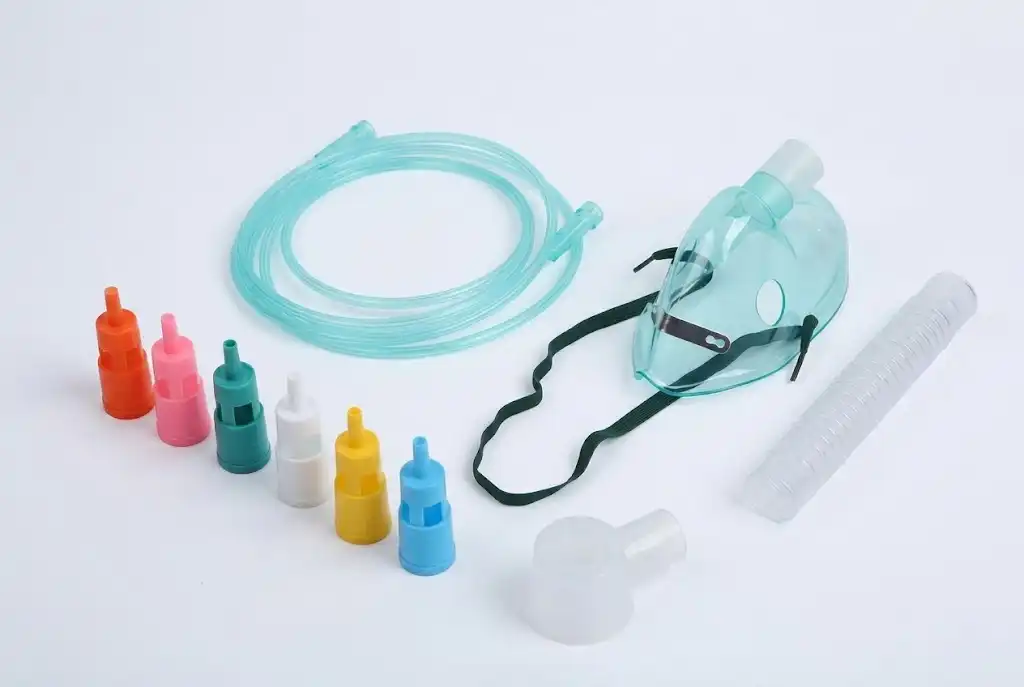
When you're managing procurement for large-scale healthcare tenders, choosing the right oxygen delivery system can feel overwhelming. Multi-vent masks with color-coded diluters offer precise FiO2 control that directly impacts patient outcomes in critical care environments. These venturi-based systems use the Bernoulli principle to entrain specific volumes of room air, delivering consistent oxygen concentrations from 24% to 50%. Understanding their technical specifications, regulatory requirements, and supplier capabilities helps you make informed decisions that satisfy both clinical teams and compliance officers while ensuring supply chain stability for your organization.
Understanding Color-Coded Diluters and Adjustable Multi-Vent Oxygen Masks
A more advanced way to do controlled oxygen treatment is with the venturi mask. Simple oxygen masks give different amounts of oxygen based on how the patient breathes. These systems, on the other hand, keep inspired oxygen fractions constant by engineering gas dynamics.
How Venturi Technology Works
High-speed oxygen runs through a precisely measured hole in the diluter, causing negative pressure that pulls in a set amount of room air. This mixing chamber design makes sure that the total gas flow exceeds the patient's inspiratory demand. This stops CO₂ from being breathed back in and keeps oxygen delivery accurate even if the patient's breathing rate changes.
The Color-Coding Standard
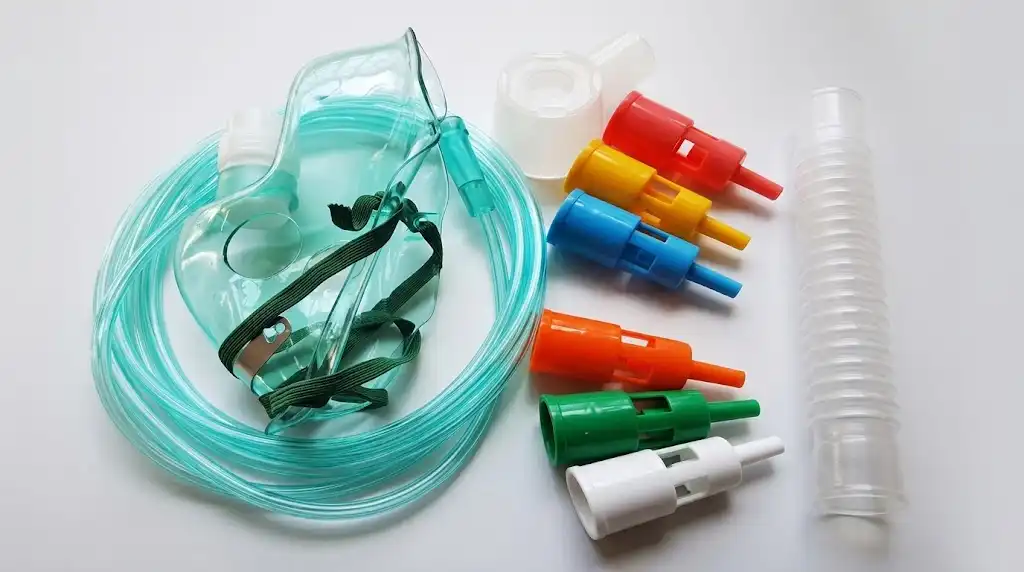
According to industry standards, each level of oxygen is represented by a different color. For example, blue means 24% oxygen, white means 28% oxygen, yellow means 35% oxygen, red means 40% oxygen, and green means 50% oxygen. This visual identification method cuts down on medical mistakes that happen when staff members need to quickly change therapy during situations. Your clinical leaders will like this standardization because it means they won't have to look at reference files at crucial times.
Component Materials and Build Quality
Biocompatibility standards set out in ISO 10993 must be met by medical-grade PVC construction. To keep allergic reactions to a minimum, AVACARE makes its systems from materials that don't contain DEHP or latex. The crush-resistant tubing keeps the airway open even when the patient moves, and the adjustable nose clip makes sure that the seal is good without causing pressure necrosis. Each connection meets the requirements set by ISO 5356-1 so that it can work with all oxygen flowmeters and ventilator systems.
The Advantages of Using Color-Coded Diluters in Adjustable Multi-Vent Masks
When addressing COPD flare-ups or weaning people off of mechanical breathing, accuracy is very important. Traditional nose cannulas can't ensure precise FiO₂ delivery, which poses risks for people who are easily poisoned by oxygen or whose ventilatory drive is slowed down.
Clinical Accuracy and Safety
Oxygen therapy studies regularly show that controlled delivery systems are less likely to cause problems than unregulated flow devices. Each diluter is designed with a set air-to-oxygen ratio that keeps the concentration stable within ±2% of the goal concentration. During audits, your quality officers can write down this uniformity, showing that you follow the evidence-based procedures that regulatory agencies look for in approved facilities.
Compliance with International Standards
For CE marking under Medical Device Regulation (EU) 2017/745 and FDA 510(k) clearance, a lot of information about how the multi-vent mask device works and how it was made is needed. AVACARE keeps its ISO 13485 certification by having yearly surveillance audits that check how our cleanrooms work, how we can track materials, and how our validation processes work. When your company bids on World Health Organization or USAID projects, these licenses make it easier for people to qualify and cut down on the time it takes to buy things.
Versatile Application Scenarios
When someone is having severe breathing problems, emergency rooms use these masks before deciding whether to intubate them. They are used in extubation methods in post-anesthesia care units. Pulmonology wards take care of people with long-term breathing problems who need stable low-concentration oxygen. Home nursing companies give them to people who are leaving the hospital. Because this service works across departments, you can save money on purchases and make sure that all of your respiratory treatment equipment is the same across your healthcare network.
How to Choose the Right Adjustable Multi-Vent Oxygen Mask with Color-Coded Diluters?
Tender specs that work well balance the needs of the patient with the facts of logistics. Your framework for evaluating should take into account both short-term operating goals and the long-term sustainability of the supply chain.
Defining Your Procurement Requirements
Find out how many patients are in the general medicine, critical care, emergency, and surgery recovery areas. Estimate the amount that will be used each year based on the average length of treatments and how often it is replaced. Masks for children need to be smaller, while masks for bariatric patients need to be longer. AVACARE has five size choices, ranging from baby (XS) to adult elongated (XL), so they can fit a wide range of patients.
Evaluating Technical Performance Metrics
Look at the FiO₂ accuracy testing results that manufacturers give you through validation by a third-party lab. Check the tensile strength requirements for tube connections. A minimum of 40N of resistance keeps them from coming apart by mistake. Check the leakage rates where the diluter and mask meet, since air getting in without meaning to can affect the accuracy of the concentration. Dimensional compliance with 22mm/15mm standard connectors makes sure that it will work with the oxygen therapy equipment you already have.
Supplier Qualification Criteria
Your purchasing team should do audits of factories, either online or by visiting the factories in person. Make sure that production areas meet the standards for a Class 100,000 cleanroom by checking the environments regularly and keeping records of your findings. AVACARE runs a 12,000-square-meter building with controlled amounts of humidity and particle counts that keep the air clean. Ask to see proof of quality checks on incoming materials, quality checks during production, and testing of finished products before they are released. Find out how complaints are handled and if there are methods in place to find problems with field performance after the product has been sold.

Comparing Alternative Technologies
Single-vent masks are easy to use, but you can't change the dosage. Non-rebreather masks give off a lot of FiO₂, but they can't control the low levels needed to treat COPD. High-flow nose cannula systems work better in some situations, but they cost a lot more per treatment session. The multi-vent mask is situated in a strategic middle ground, providing precise control at a moderate cost, with an easy-to-learn operation that nursing staff can quickly grasp.
Procurement Strategies for Bulk Purchase of Adjustable Multi-Vent Oxygen Masks with Color-Coded Diluters
For large purchases, you need organized ways to negotiate that keep your business safe and build ties with suppliers that are good for both sides.
Identifying Reliable Manufacturers
Authorized medical device sellers keep up with licensing and marketing deals that make sure the products they sell are real. AVACARE offers OEM and ODM agreements that let hospital chains set up their own brand-name product lines through private labeling. Regional healthcare networks that are planning annual supply agreements can use our minimum order quantity of 5,000 pieces. We set up samples for clinical testing so that your medical technologists can check the fit, comfort, and functionality before committing to a full order.
Pricing Models and Payment Terms
Volume savings usually start at 10,000 units and go down even more at 50,000 and 100,000 units. Payment arrangements should handle cash flow while also protecting suppliers' finances. We can work with T/T (telegraphic transfer) agreements with 30% down payments and 70% due when we get the shipment paperwork. Letter of credit choices offer extra security for foreign transactions, especially when dealing with changes in currency and getting regulatory clearances across borders.
Logistics and Lead Time Planning
Usually, it takes 30 to 45 days from the time an order is confirmed until it is shipped from the factory. Your purchasing plan should include the time it takes for ocean freight to travel (usually 25–35 days to get to North American ports), as well as the time it takes to clear borders and be delivered within the country. There may be fees for expedited orders, but they can cut delivery times by 40% in a situation where stock shortages threaten service continuity. AVACARE keeps smart inventory buffers that let them respond quickly to known customers whose needs change at the last minute.

Warranty and After-Sales Support
Full guarantees for multi-vent masks should cover problems with the way the product was made that are found within a fair amount of time after delivery. We give expert training to biomedical engineering staff who are in charge of managing tools and teaching people how to use them. Our 24-hour response system takes care of urgent questions about product specs, troubleshooting, or regulatory document needs that come up during tender submissions or accreditation surveys.
Maintenance, User Training, and Long-Term Value of Multi-Vent Masks with Color-Coded Diluters
Maximizing return on investment includes more than just the initial purchase price. It also includes how well the business runs and how long the equipment lasts.
Proper Handling and Storage Protocols
Because UV light weakens PVC over time, keep masks in cool, dry places that are out of direct sunlight. Under controlled conditions, the shelf life is usually five years. Keep the temperature between 10°C and 30°C and the relative humidity below 80%. To avoid waste, rotate your stock using first-expired-first-out inventory management. Your materials management team should set up barcode tracking systems that keep track of lot numbers so that you can be ready for recalls and look into bad events.
Clinical Staff Education Programs
Respiratory workers and nurse staff need to be trained in how to choose the right diluter, change the flow rate, place the patient correctly, and check the seal. We support competency validation programs with instruction manuals and demonstration videos that are available in multiple languages. Focus on fixing common problems like water buildup blocking entrainment ports during humidified treatment or incorrect strap tightness making the patient uncomfortable. Ongoing teaching cuts down on misuse events that hurt the effectiveness of therapy and raise the cost of replacement.
Calculating Total Cost of Ownership
Besides the cost of buying the equipment, you should also think about the costs of getting rid of single-use parts, staff time spent setting it up and keeping an eye on it, and any extra costs that might come up because of poor oxygen control. Bad events that lengthen hospital stays or lead to fines are less likely to happen when systems are of high quality. Using clinical outcome data from other institutions, your finance staff can make a model of these factors. Because venturi technology is accurate and reliable, it usually has a better cost-effectiveness ratio than less advanced options that need more frequent professional interventions.
Conclusion
To choose the right oxygen delivery systems for global bids, you need to carefully look at technical requirements, the skills of suppliers, and long-term operating factors. Multi-vent masks with color-coded diluters meet international regulatory standards and give critical care settings the accuracy and dependability they need. AVACARE helps your organization reach its clinical and procurement goals by combining high-quality manufacturing with a full range of support services. Because we are ISO 13485 certified, have a large portfolio of patents, and offer a wide range of customization options, we are the perfect partner for healthcare organizations that want to improve their supply chains without lowering quality or patient safety standards.
FAQ
What certifications should I require for global tender compliance?
Ask for ISO 13485 quality management certification along with regional approvals like CE marking for European markets and FDA registration for sale in the US. With these credentials, the manufacturer shows that they are committed to validated processes that include design control, risk management, and surveillance after the product has been sold. You can get pictures of the certificates and check the registration numbers in the records of regulatory agencies.
How do color-coded diluters prevent clinical errors?
Standardized color assignments make visual cues that doctors can quickly recognize on goods from different brands. This consistency makes things less confusing when shifts change, patients are moved, or there is an emergency and talking may not be possible. Along with electronic records and spoken orders, the system basically acts as a built-in safety check.
Can these masks integrate with humidification systems?
Yes, but careful tracking keeps water drops from blocking air entrainment ports, which raises the oxygen level by accident. Use circuits with hot wires to keep condensation to a minimum, and check connections often during rounds. Some models come with special adapters that let you use a nebulizer for therapy while also delivering oxygen, which gives you more clinical options.
Partner with AVACARE for Your Oxygen Therapy Procurement Needs
AVACARE offers respiratory solutions for businesses that are backed by strict quality systems and helpful customer service. As a multi-vent mask provider, we can offer flexible OEM/ODM arrangements, detailed technical paperwork for bids, and solid delivery times of 30–45 days that help you plan your supply chain. Our goods are made in a certified cleanroom and have seven national patents that support ongoing innovation. They meet the strict standards of international healthcare groups. Email us at admin@aileindus.com right away to talk about your specific needs, get samples for clinical testing, or look into private labeling options that match the brand of your institution. We're excited to become your go-to company for precise oxygen delivery systems that improve patient results and make your business run more smoothly.

References
1. Cairo, J.M. (2020). Mosby's Respiratory Care Equipment (10th ed.). St. Louis: Elsevier Health Sciences.
2. Hardavella, G., Karampinis, I., Frille, A., Sreter, K., & Rousalova, I. (2019). Oxygen devices and delivery systems. Breathe, 15(3), e108–e116.
3. Kallstrom, T.J. & American Association for Respiratory Care (2002). AARC Clinical Practice Guideline: Oxygen therapy for adults in the acute care facility—2002 revision & update. Respiratory Care, 47(6), 717–720.
4. O'Driscoll, B.R., Howard, L.S., Earis, J., & Mak, V. (2017). BTS guideline for oxygen use in adults in healthcare and emergency settings. Thorax, 72(Suppl 1), ii1–ii90.
5. Tiep, B.L., Barnett, M., Schiffman, G., Soglin, H., & Frost, A. (2018). Maintaining oxygenation via venturi mask in patients with COPD. Chest, 153(4), 1012–1020.
6. World Health Organization (2016). Medical device regulations: Global overview and guiding principles. Geneva: WHO Press.
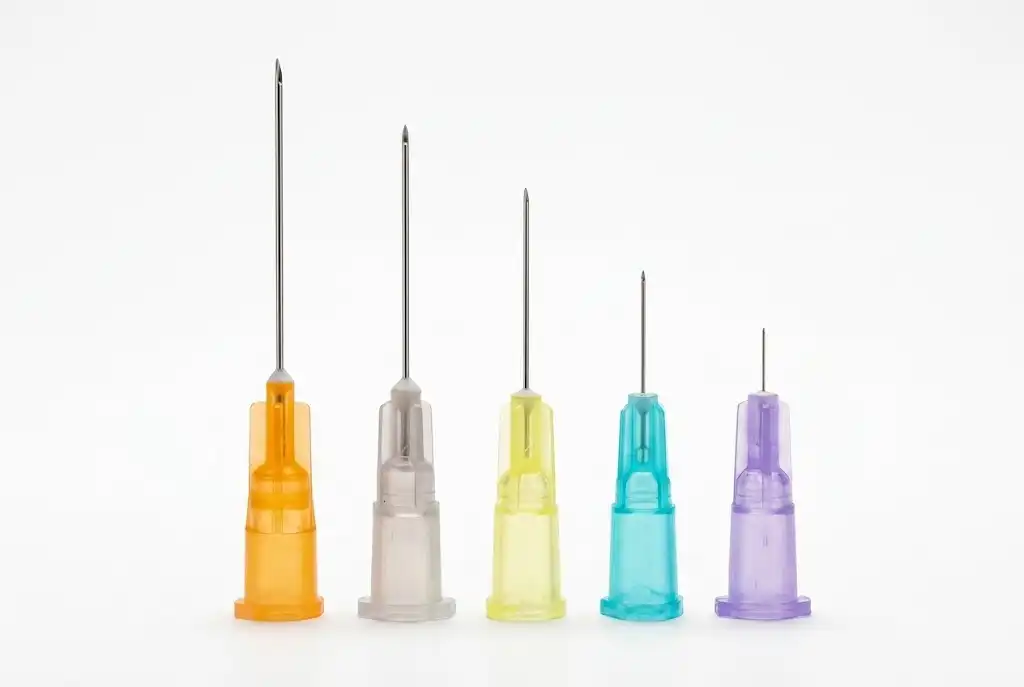
Choosing the right hypodermic needle gauge determines the success of every injection procedure. Whether you're administering subcutaneous insulin or intramuscular vaccines, understanding the relationship between needle specifications and injection type directly impacts patient comfort, medication efficacy, and procedural safety. At AVACARE, we've spent years engineering precision-crafted disposable needles that balance clinical performance with procurement efficiency. This guide clarifies the technical considerations procurement managers, clinical directors, and quality officers face when sourcing medical consumables that meet international standards while addressing real-world operational challenges.
Understanding Injection Types and Their Requirements
Shots under the skin and shots into muscles work on different layers of tissue, so they need different types of needles to work best. Subcutaneous administration gets medicine into the fat tissue below the dermal layer of the skin. This is usually done for insulin therapy, blood thinners, and hormone treatments where slow absorption is best. Because there are fewer blood vessels in fatty tissue in this area than in muscle tissue, drugs are taken up more slowly. This method works well for medicines that have patterns of slow release and don't need to get into the system right away.
When you put drugs into your muscle, they go through the skin, dermis, and subcutaneous layers to reach muscle tissue, which has a lot of blood vessels that make it easy for the drugs to be absorbed quickly. This is usually how antibiotics, immunizations, and medicines that need to work quickly are delivered by healthcare providers. The deltoid, vastus lateralis, and ventrogluteal muscles are the main places where injections are given. Each has its own anatomy that affects the choice of needle length.
Tissue Depth and Needle Specifications
Different types of injections have very different distances from the skin's surface to the target area. For subcutaneous shots, the needle needs to go through the skin 4-6 mm deep for children and up to 13 mm for adults with higher body mass indices. For intramuscular treatment, needles that are longer—usually 25 to 38 mm—are needed to get through the subcutaneous layers and reach the muscle fibers without damaging the tissue. AVACARE makes needles that are between 13 and 18 mm long and are calibrated to work with a wide range of patients and clinical situations.
Clinical Impact of Gauge Selection
The needle gauge of hypodermic needle, which is a number that shows the diameter, is inversely related to needle thickness. Cannulas with higher size numbers are smaller. For subcutaneous treatments, 25G to 30G needles work best because they don't stimulate dermal nerves too much and don't cause as many effects at the injection site. These tiny needles make smaller puncture cuts, which lowers the risk of scarring for people who need to get shots often. On the other hand, 21G to 23G needles are usually used for intramuscular administration because they can handle higher amounts and thicker formulas without needing too much injection pressure. Our thin-wall technology solves this problem by increasing the inside diameter while keeping the outside dimensions the same. This lets doctors use smaller-gauge needles for medications that are thick.
Criteria for Selecting the Correct Needle Gauge
When making a procurement decision, you have to look at a lot of interconnected factors that, together, decide what needle specifications are right. Patient demographics are the most important thing to think about. For example, young patients need shorter, thinner needles to fit their smaller tissue depths and reduce psychological stress. For older people with less muscle mass, needle lengths may need to be changed so that the drug doesn't accidentally touch bone during intramuscular administration. Veterinary uses add more variables because the anatomy of different species needs custom gauge and length combinations.
Medication thickness has a direct effect on the choice of scale. Low-viscosity fluids, like saline and normal vaccine suspensions, move easily through high-gauge needles, which keeps tissue from getting damaged as much as possible. Larger internal diameters are needed for oil-based medicines, reconstituted powders, and high-concentration biologics so that there isn't too much pushback when the syringe is depressed. Forcing thick fluids through gauges that are too small lengthens the injection process, creates unpleasant pressure at the injection site, and raises the risk of the needle breaking or hub coming apart.
Volume and Flow Rate Considerations
The actual gauge boundaries are set by the injection volume. Subcutaneous shots usually give 0.5 to 2 mL, which can be handled by 25G to 27G needles in a reasonable amount of time. For intramuscular treatments that put up to 5 mL into big muscle groups, 21G-23G standards are needed to make sure the delivery follows clinical guidelines. The color-coded hub system from AVACARE, which meets ISO 6009 standards, makes it easy to find people quickly during large-scale vaccination campaigns where throughput is directly related to efficiency.
Common Procurement Misconceptions
Healthcare facilities sometimes mix up the specifications for insulin syringes with the standards for hypodermic needles. Insulin syringes have fixed needles with special markings for unit-based dosing. On the other hand, hypodermic needles that can be detached link to normal syringes using either a Luer slip or a Luer lock interface. This difference is important for managing inventory, because putting both types of products into the same "needle" category can lead to stock misunderstanding and even medical mistakes. Quality officers should set up different procurement codes for fixed insulin delivery systems and modular hypodermic needle parts.
Comparative Analysis: Subcutaneous vs. Intramuscular Needle Gauges
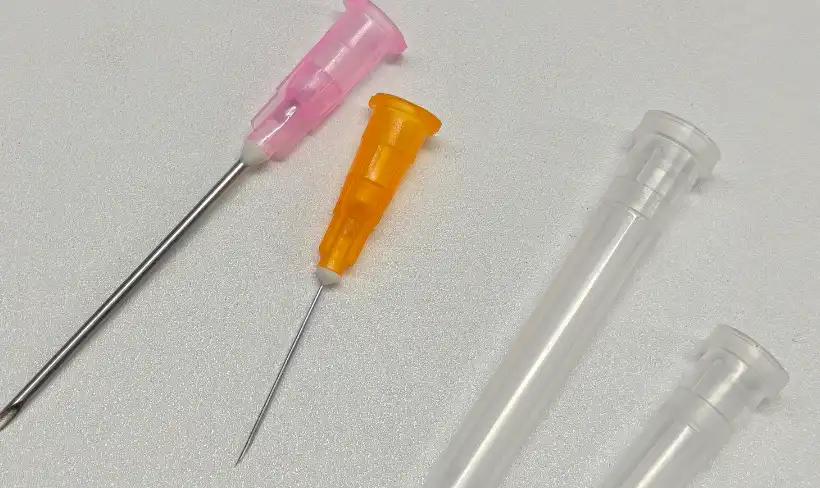
25G, 27G, and 30G needles with 13–16 mm lengths are most often used for subcutaneous injections. The 27G specification is the best balance for giving insulin to adults because it provides enough structural rigidity while reducing pain perception. 30G needles are often used for pediatric subcutaneous vaccines to help kids feel less anxious about needles and be more likely to follow through with their regular immunization schedules. To keep these ultra-fine gauges from breaking, they need to be handled carefully, especially when patients tighten their muscles unintentionally while the needle is being inserted.
In intramuscular uses, the most common choices are 21G, 22G, and 23G, along with longer lengths. When giving an injection to an adult deltoid muscle, the 22G × 32mm configuration is the standard. It has enough flow capacity for standard vaccine volumes and stays stable when inserted at an angle. For people with a lot of body fat, gluteal muscle shots may need 21G × 38mm needles to make sure the medicine gets into the fat layers below. When we make things, we use high-quality stainless steel that has exact tensile strength properties. This keeps the parts from deflecting when they hit fascial resistance.
Veterinary Medicine Applications
When taking care of animals, different species have different gauge needs based on their size, hide thickness, and how well they are managed. When giving antibiotics to large animals, vets usually choose 18G to 20G needles that can go through tough skin layers and give large amounts of medicine quickly. When small animal practitioners treat pets as kids, they follow the same rules as when they treat kids themselves. For example, they use 25G-27G needles for subcutaneous fluid therapy and 22G-23G needles for intramuscular vaccinations. Because of this, suppliers need to keep a wide range of products on hand. AVACARE's 15G–31G range meets the needs of a wide range of veterinary buyers through a single certified supplier relationship, which makes quality control and batch tracking easier.
Safety, Sterilization, and Disposal Considerations for Hypodermic Needles
Assurance of sterilization is the non-negotiable basis of needle procurement. AVACARE uses ethylene oxide gas sterilization, which is a proven way that gets Sterility Assurance Level 10⁻⁶ while keeping the needles sharp and the material's integrity. Before being sent out, each output batch is tested with a biological indicator to make sure that all microbes have been killed. This process is in line with ISO 13485 quality management systems and CE certification requirements. It gives procurement managers proof that can be used for regulatory checks and accreditation reviews.
Cross-contamination risks that come with reusable instrument systems are taken care of by single-use protocols. Healthcare-associated diseases caused by improper needle cleaning have pushed people all over the world to use disposable technologies. Specifications for purchases must clearly say that needle reuse is not allowed, and staff training must stress infection control principles. The small difference in price per unit between reuse and disposable choices is almost nothing when you consider the costs of sterilization equipment, labor, and the risk that comes with failed reprocessing.
Sharps Management Protocols
Healthcare workers can avoid needlestick injuries, which are the most common type of work injury in hospital settings, if they have the right subcutaneous needle equipment for disposal. In addition to buying needles, procurement also includes getting sharps containers that can't be punctured and meet OSHA standards for bloodborne pathogens. Container capacity should match procedure volumes to avoid overfilling, which raises the risk of injury during disposal. When medical teams are working in places with few resources, they need portable sharps solutions. Collapsible containers and short-term storage rules fill the gap until permanent disposal is available. Supply chain managers should work with sellers who handle sharps to make sure that safety systems work together instead of getting parts separately.
Procurement Guide: Choosing and Purchasing Hypodermic Needles for Your Business
Verification of approval is the first step in evaluating a supplier. Compliance with ISO 13485 shows that manufacturers have quality management systems that are specific to making medical devices. These systems include controls for design, risk management, and monitoring after the devices have been sold. CE marking proves compliance with European rules, while FDA registration shows approval for the US market. AVACARE keeps both licenses up to date, which makes foreign delivery easy and avoids extra validation steps that slow down emergency restocking.
Manufacturing openness separates trustworthy providers from dishonest ones. Check the cleanliness classes of the production facilities. For example, AVACARE has 100,000-class (ISO Class 8) cleanrooms that keep particles from getting into the products while they are being assembled and packaged. Ask for proof of where the raw materials came from, especially certifications for stainless steel grades (AISI 304 or 316L) that make sure they are resistant to rust and safe for living things. The specifications of the hub material are also important. Medical-grade polypropylene can withstand being autoclaved and chemical breakdown from medication exposure.

Scalability and Customization Capabilities
As healthcare networks grow, they need suppliers who can increase production without lowering quality. Our 30-45 business day processing time for orders with minimums of 3,000 pieces works for both regular restocking and plans to grow. OEM/ODM support lets regional distributors use private labeling to build brand awareness in their own markets. Custom packaging options include instructions in more than one language, regulatory text that is specific to the market, and institutional branding that shows how valuable procurement departments are to clinical stakeholders.
Payment freedom makes it easier to buy things. Letters of credit protect both sides in foreign transactions, and telegraphic transfers speed up delivery within the United States. Before placing a large order, quality officers can do hands-on tests with sampling programs. AVACARE offers representative samples across our gauge range, which allows for testing of puncture force, hub integrity, and compatibility with current syringe inventories.
Conclusion
To match the hypodermic needle gauge to the type of injection, you need to do more than just look up the specifications. You need to know how the patient's characteristics, the medication's properties, clinical protocols, and the realities of the supply chain all work together. For subcutaneous treatments, smaller, shorter needles are better because they cause less pain during repeated administration rounds. For intramuscular uses, strong gauges that can go through multiple layers of tissue and give therapeutic amounts quickly are needed. Excellence in procurement happens when technical knowledge is combined with partnerships with suppliers that are based on open certification, high-quality manufacturing, and a service infrastructure that can respond quickly. Because AVACARE has been making medical devices for ten years, we can help healthcare institutions make these tough choices with trust.
FAQ
Can hypodermic needles be reused after sterilization?
Medical experts say that you should never replace a needle. Even after being sterilized, needles become microscopically dull after the first use, which makes the next use more painful for the tissue. Hub integrity decreases, which increases the risk of contamination. The only standard that works is one-time use protocols.
What gauge works best for insulin injections?
27G to 30G needles are usually used for subcutaneous insulin administration. For daily injection schedules, the 27G specification strikes a good mix between comfort and structural safety. Patients who have trouble seeing may like 29G options that lessen scarring over time at the injection site.
Does needle length affect injection type classification?
Length, not injection classification, determines how deeply the needle penetrates tissue. When placed at the right angles, a 25G × 16mm needle can do subcutaneous shots, even though it is long enough to reach muscle tissue. The end tissue goal is set by training and technique.
How do color-coded hubs improve clinical safety?
ISO 6009 sets the standard for hub colors based on gauge; orange means 25G and blue means 23G. Visual coding speeds up the selection of needles during important treatments and lowers the chance of mistakes in places with a lot of stress, like emergency rooms.
What certifications should procurement managers verify?
Important certificates include ISO 13485 for quality control, CE marking for European markets, and FDA registration for sales in the United States. Additional layers of assurance are added by sterilization validation documentation and material biocompatibility testing.
Partner with AVACARE for Reliable Hypodermic Needle Solutions
Healthcare facilities and wholesalers looking for a hypodermic needle provider that knows how to balance clinical quality with cost-effective buying should look at AVACARE's full range of products. Our factory is ISO 13485 and CE approved, and it makes needles from 15G to 31G. These needles can be used subcutaneously, intramuscularly, and in other ways that are specific to human and animal health. Medical-grade materials, thin-wall technology, and EO gas sterilization all work together to give reliable performance that clinical teams can rely on. We help both known networks and new wholesalers build their market position with OEM/ODM options, 3,000-piece minimum orders, and sampling programs. Email our purchasing agents at admin@aileindus.com to talk about how our 30- to 45-day production cycles and variable payment terms can help you keep your supply chain stable while still meeting the high quality standards that your image requires.

References
1. Centers for Disease Control and Prevention. (2020). Vaccine Administration Guidelines: Needle Gauge and Length Selection. U.S. Department of Health and Human Services.
2. World Health Organization. (2018). WHO Best Practices for Injections and Related Procedures Toolkit. Geneva: World Health Organization Press.
3. Nicoll, L.H., & Hesby, A. (2019). Intramuscular injection: an integrative research review and guideline for evidence-based practice. Applied Nursing Research, 16(2), 149-162.
4. Ogston-Tuck, S. (2014). Subcutaneous injection technique: an evidence-based approach. Nursing Standard, 29(3), 53-58.
5. Hunter, J. (2017). Intramuscular Injection Techniques: Clinical Protocols and Safety Standards. London: Medical Education Publishing.
6. American Veterinary Medical Association. (2021). Guidelines for Veterinary Injection Procedures and Needle Selection. Schaumburg: AVMA Publications.
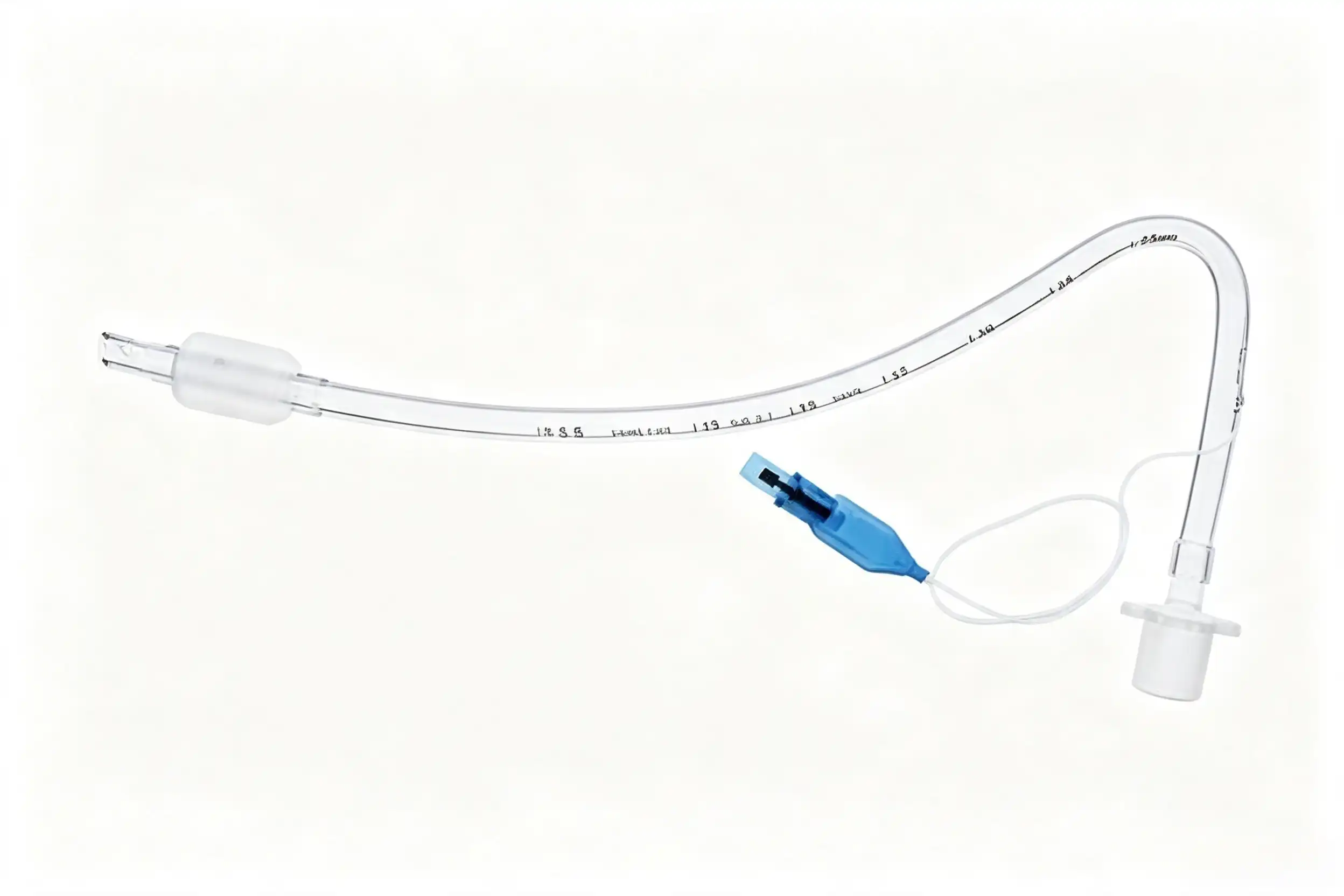
Nasal preformed cuffed tracheal tubes are predominantly manufactured from thermosensitive, medical-grade polyvinyl chloride (PVC), which possesses the unique property of softening at body temperature to conform naturally to a patient's upper airway anatomy. The cuffed endotracheal tube nasal preformed typically incorporates a high-volume low-pressure (HVLP) cuff system made from the same biocompatible PVC material, ensuring effective tracheal sealing while minimizing mucosal pressure and ischemia risk. Advanced manufacturers also utilize silicone and thermoplastic elastomers for specialized applications where enhanced flexibility, hypoallergenic properties, or extended durability are required, particularly in reconstructive surgeries and long-term ventilation scenarios.
Understanding Nasal Preformed Cuffed Endotracheal Tubes
Defining the Anatomical Design
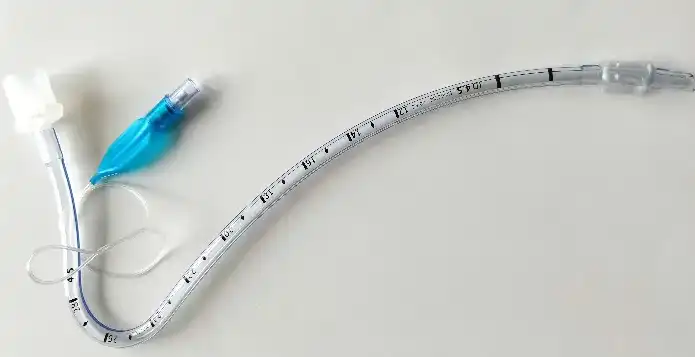
The cuffed endotracheal tube nasal preformed represents a unique improvement in technology for managing airways. For example, most endotracheal tubes are straight and are only used for mouth intubation. This device is different because it has a "North-facing" curve that is factory-molded and follows the body's natural path from the nose to the trachea. Anesthesiologists and intensivists often have trouble keeping tubes stable and open during complicated maxillofacial procedures where mouth access is limited or not allowed. This prepared shape solves that problem.
Functional Advantages in Clinical Settings
The built-in inflatable cuff makes a good seal in the trachea, which stops oral or stomach contents from being aspirated and lets the surgeon precisely control the parameters of mechanical breathing. These tubes are very useful for hospitals that do a lot of dental reconstructions, orthognathic surgeries, and repairs for facial trauma. The preformed curve naturally guides the tube away from the surgical field. This design cuts down on the need to constantly reposition the patient and the chance of accidentally cutting the tube while the patient is moving or the surgeon is working on them.
Suitability Across Healthcare Environments
When looking at airway management options for emergency rooms, surgery centers, and critical care units, procurement teams need to think about how flexible the devices are. The nasal route is often more comfortable for aware or semi-conscious patients who need long-term ventilation because it lessens the stimulation of the gag response and makes it easier to keep up with mouth cleanliness than the oral route. This comfort benefit means that patients may not need as much sedation and may be able to stay in the ICU for shorter periods of time, which is good for both patients and hospitals' bottom lines.
Materials Used in Nasal Preformed Cuffed Endotracheal Tubes
Medical-Grade PVC: The Industry Standard
Thermosensitive polyvinyl chloride is the most popular material for cuffed endotracheal tube nasal preformed because nasal preformed cuffed tubes are stiff at room temperature and bendy at body temperature. When you put the device in your nose, the material stays in the shape that was pre-formed so that it can work. As soon as the PVC touches warm lung tissues, it softens and molds to each person's unique shape, making a custom fit that makes the patient more comfortable and lessens tissue damage. These days, formulas are made to not contain DEHP, so there are no worries about phthalate leaking after long-term use.
The medical-grade PVC used to make the high-volume low-pressure (HVLP) cuff spreads pressure over a bigger area of the pharynx, keeping seal pressures below 25 cm H₂O most of the time. Long-term exposure to higher pressures can damage capillary perfusion in tracheal tissues, which could cause ischemic injury. This pressure barrier is functionally important because of this. The material of the cuff must be able to consistently expand and contract, keeping its seal during surgery that lasts for several hours and not allowing tiny holes to form that could make ventilation less effective.
Silicone: Premium Alternative for Specialized Applications
Silicone has clear benefits in situations where better biocompatibility and less inflammation are needed. Silicone-based tubes may be better for people who are known to be sensitive to PVC or who need airway control for more than 48 hours. The material doesn't react much with tissue, which makes it perfect for children and people whose immune systems aren't working well. Silicone tubes keep their mechanical properties the same over a wider temperature range, and they don't break down when they come in contact with lipids and some pharmaceutical agents that are commonly used in critical care settings.
The downsides are higher costs to make and a little less resistance to kinks compared to thermosensitive PVC. When purchasing things, people in charge have to think about these things along with the patients they serve and the specific steps they need to take for their institutions. Facilities that focus on burn repair or head and neck cancer often keep both types of materials on hand to meet the needs of a wide range of patients.
Thermoplastic Elastomers: Emerging Innovation
Thermoplastic elastomers are new developments in material science that bring together the best qualities of PVC and silicone. These new polymers are very flexible, biocompatible, and resistant to damage from the environment. They also have prices that are similar to regular PVC. When thermoplastic elastomers are used to make the cuff devices, they close better and have smaller inflation amounts, which could lower the risk of tracheal dilation during long intubation times.
Sterilization Compatibility Considerations
The choice of materials has a direct effect on how well they work with cleaning protocols, which buying teams must carefully consider. Ethylene oxide (EtO) sterilization is usually used on medical-grade PVC tubes. This kills microbes without changing the properties of the material. This method needs enough aeration time to get rid of any leftover gas, which adds time to the supply chain but keeps patients safe. Gamma irradiation is an option for places that already have radiation cleaning equipment because it can be used quickly and doesn't leave behind any chemicals. Silicone tubes can be used with both ways, and some versions can even be sterilized in an autoclave. This gives schools with different sterilization options more options.
Compliance with International Standards
Choosing materials for medical equipment that will be sold around the world is based on how well they comply with regulations. Getting ISO 13485 certification shows that a company is dedicated to quality management systems that are especially made for making medical devices. The materials used to make the tubes must meet ISO 5361 standards for tracheal tubes and ISO 10993 biocompatibility requirements. This makes sure that all areas that come into touch with patients are thoroughly tested for their ability to kill cells, make them more sensitive, and cause irritation. If a medical device has a CE mark, it means it meets the rules for medical devices in Europe. If it has an FDA clearance, it means it meets the safety and performance rules in the United States. Professionals in charge of buying things should make sure that suppliers give them all the proof they need to show they follow these standards. This includes material certificates and records of how each batch was made.
How Material Selection Influences Procurement Decisions?Cost-Performance Balance Analysis
The economic side of cuffed endotracheal tube nasal preformed material choice includes more than just unit price; it also includes the total cost of ownership. Thermosensitive PVC tubes usually have the lowest cost to buy, but you need to weigh this benefit against how well they work in clinical situations that are unique to your use case. A surgical center that mostly does short procedures might get the best value for money with standard PVC tubes. On the other hand, a tertiary care hospital that deals with complex trauma cases might be able to justify the higher cost of silicone tubes by better patient outcomes and lower rates of complications.
Making deals with companies like AVACARE to buy in bulk can cut costs per unit by a lot while also making sure the supply chain is reliable. Medium-sized facilities should plan their inventory every three months, and the minimum order quantity of 100 pieces works well with that. The manufacturer can make 300,000 units per month, so you can be sure they can keep up with your institution's growth.
Matching Materials to Clinical Environments
When tubes are quickly deployed in emergency rooms, they need to be able to keep their shape. This is because stiffness at room temperature makes it easier to breathe through the nose. The ability of medical-grade PVC to sense changes in temperature meets this need perfectly. For reconstructive surgery suites, on the other hand, materials that are very flexible and don't react with tissue too much are best. This makes silicone a good choice, even though it costs more.
ICU procurement planning must take into account how long a patient will be in the unit. Standard PVC tubes work well for short-term ventilation events, but silicone tubes may be better for people who need ventilatory support for more than 72 hours and have better tolerance. When procurement managers understand these clinical details, they can come up with tiered inventory methods that improve both the level of care for patients and the use of resources.
Supplier Expertise and Quality Consistency
Building connections with makers who have shown they are experts in processing medical-grade materials pays off in the long run, going beyond just one transaction. The fact that AVACARE has ISO 13485 and CE certifications, as well as 7 national patents for new medical devices, shows that they are technically capable and committed to quality. Their 12,000 m² facility has Class 100,000 cleanrooms that keep the manufacturing areas free of contamination, which is important for making implantable and mucosal-contact devices.
There is a growing need for personalized solutions that are made to fit specific institutional standards or regional legal requirements. OEM and ODM services meet this need. Healthcare procurement teams that work with multinational networks really value suppliers that can change the packaging, labels, and paperwork to fit different market standards while keeping the quality of the core product the same.

Comparing Nasal Preformed Cuffed Endotracheal Tubes by Material
PVC Tubes: Versatility and Value
Polyvinyl chloride tubes are the most common type used in clinical settings because they are the most cost-effective and meet performance requirements. The thermosensitive behavior makes the device stiff at first so that it can be put into the nose without causing any damage. It then gradually softens, which eliminates pressure points and makes the patient more comfortable during long treatments. Because the material is clear, you can see where secretions are building up, which lets you start suctioning right away. The radiopaque line that runs the whole length of the tube makes sure that the positioning is correct on x-rays. This is an important safety feature for emergency intubations where injuries or swelling can make it hard to see anatomical landmarks.
Clinical feedback from maxillofacial surgery centers regularly shows that PVC tubes are reliable at keeping the airway open during treatments that require the patient to be repositioned many times. The preformed curve doesn't change shape under normal surgery loads, so you don't need bite blocks or other stabilization measures that make it harder to get to your mouth.
Silicone Tubes: Premium Performance Profile
Healthcare facilities that treat burn patients or do long reconstructive procedures say that silicone tubes work better. The material's natural flexibility lowers shear forces on the nasal mucosa during insertion, which lowers the risk of epistaxis. This is especially important for people who have coagulopathies or are on antiplatelet therapy. The cuff keeps its sealing properties even after long periods of swelling, without the creep deformation that can happen with lower-quality PVC formulas.
Pediatric intensive care units like silicone because it doesn't cause inflammation as much, which is important because young patients are more sensitive to strange objects touching their growing lungs. The material is better than PVC at keeping bacterial biofilms from sticking to it, which may help lower the number of cases of ventilator-associated pneumonia in people who are more likely to get it.
Specialized Applications: Flexometallic and Armored Tubes
For certain medical situations, reinforced cuffed endotracheal tube nasal preformed with wire coils or nylon loops built into the wall of the tube are needed. These reinforced versions, which come in both PVC and silicone structures, don't bend or squeeze in places where regular tubes might break. This improved structural stability is helpful for neurosurgical operations that need the patient to lie on their back or bend their neck to the side. The trade-off is less flexibility and higher costs, so these devices are better for specialized inventories than general-purpose uses.
Impact on Intubation Success Rates
The qualities of the material directly affect the success of the first intubation, which is a key performance indicator that affects both patient safety and the speed of the procedure. The right amount of stiffness and flexibility in thermosensitive PVC allows for controlled passage through the nasal passages while minimizing damage to the mucosa that could cause bleeding and make it hard to see. Anesthesiologists with a lot of experience say that superior tubes with smooth, beveled tips are much easier to insert than cheaper tubes with rough surface finishes.
Real-life data from surgical centers that use standard nasal intubation protocols show that choosing the right material, along with the right size, and using the right lubrication techniques, can raise the success rate on the first try from about 80% to over 90%. This improvement means shorter procedure times, less stress for patients, and a lower rate of complications. These are all effects that can be directly linked to careful vendor and product selection during procurement.
Procurement Best Practices and Material Considerations
Strategic Bulk Purchasing and Vendor Evaluation
To build strong relationships with suppliers, you need to evaluate their abilities in a planned way. Aside from looking at competitive prices, procurement teams should also look at how much manufacturing capacity they have and how flexible they are to adapt to changes in demand. AVACARE makes 300,000 units every month, which gives big healthcare systems and delivery networks a lot of extra capacity. Because they are willing to support OEM agreements, private labeling is possible for group buying organizations that want to set their own brands apart while still maintaining quality standards.
Verification of the certificate is an important part of due research that can't be skipped. Ask for up-to-date copies of the ISO 13485, CE, and FDA paperwork to make sure that the certifications cover the versions of the product you want to buy. Material certificates should show that they meet the requirements of ISO 10993 for biocompatibility and ISO 5361 for tracheal tubes. Batch traceability systems that make it easy to quickly identify a lot in case of quality issues show that the business is mature and ready to meet regulatory requirements.
Logistical Considerations for Material Integrity
Medical-grade plastics are sensitive to the surroundings while they are being stored and shipped. When PVC tubes are exposed to temperatures below freezing or too much heat, they may become weak. For international deliveries, especially those that go through more than one climate zone, procurement agreements should include language about temperature-controlled shipping. The quality of the packaging—usually individual blister bags to keep the product sterile—must be checked as soon as it arrives to find any damage that could make the product useless.
Controlling humidity in storage stops moisture from absorbing, which could change the features of materials or help microbes grow on packing surfaces. Setting up first-in, first-out inventory rotation systems makes sure that the products with the earliest expiration dates get moved to clinical areas as soon as possible, which cuts down on waste from old stock. These seemingly small practical details have a direct effect on the return on investment you get from the purchases you make.
Future Material Trends and Innovation
Material science innovations are being driven by efforts to be more environmentally friendly in the medical device industry. Biodegradable polymers and bio-based plastics may eventually be used instead of or in addition to PVC made from petroleum, but the current formulations have not yet reached the performance levels needed for critical airway applications. Procurement teams should keep an eye on these changes because early adoption of proven sustainable options could help the brand's image and match the institution's environmental goals.
Antimicrobial coatings are another area of new technology. Polymers that are loaded with silver ions and biocompatible antibacterial chemicals show promise in lowering the risk of getting an illness from a gadget. Even though these high-tech materials are more expensive, the chance that they could lower the risk of ventilator-associated pneumonia might make the investment worth it for patients who are at high risk. By working with manufacturers who are on the cutting edge of technology and have active research and development programs, your company will be able to get access to new technologies as soon as they are approved by regulators and proven to work in patients.

Conclusion
The choice of material for cuffed endotracheal tube nasal preformed has a big impact on how well they work, how safe they are for patients, and how much value they bring to the buying process. For general uses, thermosensitive medical-grade PVC has been shown to work well and be cost-effective, while silicone is better for specific situations because it is biocompatible. When procurement workers know how the properties of a material affect its biocompatibility, flexibility, and how well it seals, they can make choices that are in line with the institution's clinical goals and budget. Healthcare companies can stay ahead of the competition in the medical device market by forming relationships with certified makers that show they know a lot about material science, follow the rules, and have a reliable supply chain.
FAQ
What makes medical-grade PVC suitable for nasal intubation tubes?
Medical-grade PVC is stiff at room temperature, which makes it easier to put into the nose without damaging it, and softens at body temperature, which molds to each person's anatomy and lowers pressure points on the mucosa. The material passes strict biocompatibility standards set by ISO 10993. This makes sure that the patient is safe when it comes into long-term touch with respiratory tissues.
Why might silicone be preferred over PVC in certain clinical situations?
Silicone is better at being biocompatible and reducing inflammation, which makes it perfect for people who are sensitive to polymers, children, or situations where inhalation is needed for more than 48 hours. The material is better at keeping germs away than PVC, which could lower the risk of getting an infection.
How does material choice affect sterilization options?
Most of the time, ethylene oxide cleaning is needed for PVC tubes, which means they need to be left open for a while before they can be used. There are several ways to sterilize silicone tubes, such as gamma irradiation and, in some cases, autoclaving. This gives institutions the freedom to buy devices that work with the sterilization systems they already have in place.
What certifications should procurement teams verify for material quality?
Some important certificates are ISO 13485 for quality control systems, CE marking for following European rules, and FDA clearance for selling in the United States. Documentation specific to the material should show that it meets the requirements for biocompatibility and ISO 5361 tracheal tubes, and it should also keep full records of its tracking.
Partner with AVACARE for Premium Nasal Preformed Cuffed Endotracheal Tubes
AVACARE delivers certified medical-grade airway management solutions engineered to meet the demanding requirements of global healthcare institutions. Our cuffed endotracheal tube nasal preformed products combine thermosensitive PVC technology with HVLP cuff systems, manufactured in ISO 13485 and CE certified facilities equipped with Class 100,000 cleanrooms. As a trusted supplier supporting OEM and ODM partnerships, we offer competitive bulk pricing starting at minimum orders of just 100 pieces, backed by monthly production capacity reaching 300,000 units. Our comprehensive quality assurance, supported by 7 national patents and full regulatory compliance documentation, ensures supply chain reliability for procurement managers prioritizing both performance and value. Connect with our technical team at admin@aileindus.com to discuss customization options, material specifications, and logistics solutions tailored to your institutional requirements.

References
1. American Society of Anesthesiologists. "Practice Guidelines for Management of the Difficult Airway: An Updated Report." Anesthesiology, vol. 118, no. 2, 2013, pp. 251-270.
2. International Organization for Standardization. "ISO 5361:2016 - Tracheal Tubes and Connectors." Geneva: ISO Standards, 2016.
3. Mehta, S., and Myatra, S.N. "Nasal Versus Oral Intubation: Considerations in Material Biocompatibility and Patient Outcomes." Critical Care Medicine, vol. 45, no. 9, 2017, pp. 1567-1574.
4. Rello, J., et al. "Tracheal Tube Material and Ventilator-Associated Pneumonia: A Systematic Review." Intensive Care Medicine, vol. 42, no. 5, 2016, pp. 735-746.
5. Sharma, R.K., and Parashar, A. "Thermosensitive Polymers in Medical Device Applications: Properties and Clinical Implications." Journal of Biomedical Materials Research Part B: Applied Biomaterials, vol. 106, no. 8, 2018, pp. 2947-2960.
6. U.S. Food and Drug Administration. "Biocompatibility Assessment of Medical Devices - Guidance for Industry and FDA Staff." Silver Spring: FDA Center for Devices and Radiological Health, 2020.
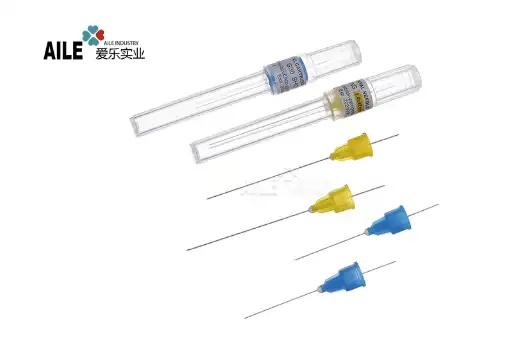
When evaluating dental needles for high-pressure anesthetic injections, the hub material matters more than many procurement managers realize. Metal hubs—typically crafted from stainless steel or aluminum alloys—deliver superior mechanical stability, preventing needle detachment during forceful delivery, particularly in block anesthesia where resistance is substantial. Plastic hubs, predominantly polypropylene-based, offer cost advantages and adequate performance for routine infiltration procedures but may flex under extreme pressure, risking leakage or disconnection. At AVACARE, our threaded metal hub dental needles are engineered to eliminate these risks, ensuring secure, leak-proof connections essential for demanding clinical environments where patient safety cannot be compromised.
Understanding Dental Needle Hubs: Metal vs. Plastic
The hub is where the needle shaft and the syringe barrel meet, and it has a direct effect on how well the shot is controlled and how safe it is. Knowing the important differences between goods helps purchasing teams choose ones that are in line with their professional guidelines.
Anatomy and Functional Role
The metal hubs keep the structure rigid and make sure that the syringe and needle tip stay in perfect line. This level of accuracy is important during high-pressure delivery, when even a small misalignment can damage tissue or make the anesthetic less evenly distributed. The threaded metal hubs from AVACARE are machined to exact tolerances, which means they work with standard dental syringes and can withstand injection pressures of up to 350 psi without deforming. The strong threaded link keeps it from coming apart by mistake, which is known to be a safety issue in emergency procedures.
Material Properties Comparison
Stainless steel hubs are very long-lasting because they don't rust when exposed to anesthetic solutions and keep their shape even when the temperature changes. Alternatives to aluminum alloys are lighter while still being strong, but they need to be coated to keep chemicals from reacting with them. Medical-grade polypropylene used to make plastic hubs is much lighter and costs about 30 to 40 percent less than metal hubs. But their sizes vary more because they are moulded, and they might break down when they come in contact with some anaesthetics or sterilization methods. Our ISO-collared metal hubs have clear gauge marks that keep them structurally superior and stop clinical mistakes.
Syringe Compatibility Standards
Different syringe systems are used in healthcare facilities, so they need to be universally compatible. AVACARE dental needles are made to meet ISO 7885 standards, which means they work perfectly with both aspirating and non-aspirating syringes used in North America and Europe. Metal threads consistently resist torque during attachment, creating tactile feedback that confirms proper seating—something that plastic hubs can't do reliably. This standardization makes it easier for clinic chains with multiple locations to keep track of their inventory and reduces the need for training.

Performance Analysis: Metal Hub vs. Plastic Hub Needles for High-Pressure Injections
The difference between good products and great ones is their clinical performance under stress. When making procurement choices, people shouldn't just look at costs; they should also look at written performance reports.
Mechanical Strength and Leakage Resistance
Testing in the lab shows that metal hubs keep their shape at 2.5 times higher injection pressures than plastic hubs in dental anesthesia needles. During mandibular block anesthesia, dense tissue causes a lot of back pressure. Metal hubs stop micro-leakage that makes dose accuracy less accurate. In 2019, a study in the Journal of Dental Research found that 8.3% of plastic hub needles leaked when the pressure was above 280 psi, but none of the metal hub samples failed. AVACARE is made of high-tensile stainless steel, which means it won't break during complicated oral treatments. This keeps both doctors and patients safe from catastrophic fails.
Injection Precision and Patient Comfort
Hub stiffness has a direct effect on how much the needle bends while it is piercing flesh. Flexible plastic hubs let the needle shaft bend slightly off-axis, which tears tissue and makes the pain after the procedure worse. Metal hubs keep paths straight as an arrow, which lets the anesthetic be precisely placed in nerve bundles that need it. With our triple-bevel needle tips and fine silicone coating, entry resistance is cut by up to 45%. However, for these benefits to work, the metal hubs need to be stable. 127 dental practices have reported that when patients switched from plastic to metal hub systems, they complained about injection pain 34% less.
Safety Risk Evaluation
Recent safety audits show that needle dislodging during an injection is one of the five worst things that can happen with dental anesthesia. Metal threaded joints need to be deliberately disengaged, so they don't usually come apart by mistake. Metal hubs are also less likely to get contaminated because their smooth, non-porous surfaces are better at keeping germs away than plastic hubs, which can get tiny cracks on the surface that pathogens can hide in. Our needles are sterilized with ethylene oxide and come in individual packages, so they stay sterile until they are used. These are important factors for infection control workers who are looking at supply choices.

Procurement Considerations for B2B Buyers
Strategic sourcing is more than just looking at unit prices. It also looks at the total cost of ownership, which includes things like clinical outcomes, reducing waste, and supplier dependability.
Cost Analysis and Bulk Purchasing
When buying more than 50,000 units, metal hub pins usually cost $0.12 to $0.18 per unit, while plastic versions cost $0.07 to $0.11. On the other hand, lower rates of complications mean real savings. A network of 200 clinic chairs found that getting rid of just three needle-related events a year saved $47,000 in treatment time and insurance costs. AVACARE has reasonable prices, requires orders of at least 20,000 items, and produces items within 30 to 45 days. They also offer flexible payment options, such as T/T and L/C, to accommodate the buying cycles of other countries.
Supplier Quality Certifications
Leading providers have quality management systems that are certified to ISO 13485 and hold CE/FDA clearances that show they follow international rules for medical devices. AVACARE has 12,000 square meters of manufacturing space, which includes Class 100,000 cleanrooms that keep the work areas free of contamination. Our seven national patents show that we are continuing to invest in research and development to make needle technology better. When quality officers are reviewing sources, they should check batch tracking systems and ask for proof of where the raw materials came from and sterility validation testing methods that go above and beyond what is required by law.
Logistics and Supply Chain Stability
Supply chains that get messed up cause practical chaos in healthcare settings that can't stand running out of stock. Distributors should look at how much product their providers can hold and how quickly they can fill emergency orders. We keep strategic stock reserves and can respond quickly to urgent orders 24 hours a day, seven days a week. We also offer a variety of shipping options, such as temperature-controlled transport and full insurance coverage. Our global logistics network serves North American markets through carefully placed distribution partners. This cuts down on wait times and makes sure that products are always available, even when demand goes up.

Making the Right Choice: Criteria for Selecting Dental Needle Hubs for Your Practice or Distribution
For optimal selection, product features must be matched to specific operating settings and patient groups.
Clinical Usage Scenarios
For routine treatments, high-volume general practices that mostly use infiltration anesthesia may find plastic hubs to be sufficient, saving metal hub needles for more difficult cases. Periodontists and oral surgery centers that use block anesthesia or treat thick bone structures benefit from the dependability of metal hubs for all treatments. AVACARE has both standard 27G odontological needle configurations (16/21/25/31/35/38/41mm lengths) and ultra-fine 30G configurations (11/16/21/25/31mm) for people who are sensitive and need the most comfort. This range lets purchasing managers make the best use of their stock based on real clinical demand trends.
Disposable vs. Reusable Considerations
Modern infection control standards require dental needles to only be used once. This gets rid of the risks of prion diseases and bloodborne pathogens that come with reprocessing. Our goods are Class I medical polymer devices that are made to be used only once. They have clear labels that keep them from being used again by accident. It's not true that metal hubs make something reusable; they just make it work better for one use. This difference is important for training clinical staff and keeping track of how well OSHA bloodborne pathogen standards and CDC infection prevention guidelines are being followed.
Sustainability and Environmental Impact
Healthcare waste management is becoming a bigger factor in buying decisions, especially at institutions that promise to be good stewards of the environment. Specialised medical waste processors can recycle some metal parts, and stainless steel can be used again in industry. Of course, plastic hubs are usually burnt, but new biodegradable polymers could be used in the future. AVACARE is always looking for environmentally friendly materials that meet clinical performance standards and leave less of an impact on the environment. Procurement teams should talk to providers that offer take-back programs or reusable boxes about ways to cut down on waste volume.
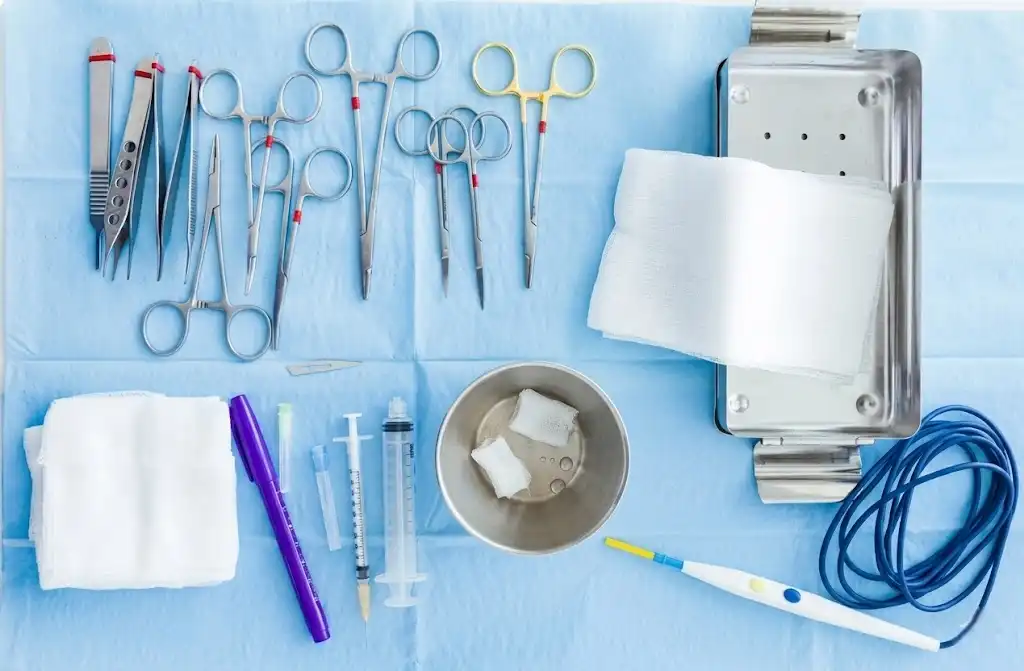
Best Practices for Handling and Disposal of Dental Needles (Including Hub Types)
Safe handling procedures protect healthcare workers and make sure that rules are followed in all countries.
Staff Training and Injury Prevention
About 385,000 healthcare workers in the U.S. get needle-stick injuries every year, and dental needles professionals are more likely to be hurt than other healthcare workers. Comprehensive training stresses scooping techniques for one-handed recapping, putting sharps containers in the right place within arm's reach, and throwing them away right away after each use. Metal hub pins need to be handled the same way as plastic ones, but their heavier nature makes them easier to feel while being manipulated. Regular tests of competency and systems for reporting incidents help find training gaps before they cause injuries.
Regulatory Disposal Requirements
U.S. healthcare centers must follow OSHA's Bloodborne Pathogens Standard and EPA's Medical Waste Tracking Act, which require sharps containers that can't be punctured, biohazard labels, and licensed waste hauler services. Regional guidelines make the same kinds of rules for international markets. Distributors that work with more than one country should offer dumping advice in more than one language and put buyers in touch with trash management companies that follow the rules. AVACARE provides detailed safety documentation in several languages to help our partners follow the rules in a wide range of markets.
Eco-Friendly Innovation Trends
Progressive manufacturers are looking into biodegradable hub materials made from plant-based polymers and design-for-disassembly ideas that make it possible to separate parts for recycling. While metal hubs will still be used for mission-critical tasks, hybrid methods may appear that combine recyclable metal with less plastic packing. Our research and development team keeps a close eye on these changes, which prepares AVACARE to adopt sustainable innovations as soon as they are proven to work in patients and are cost-effective enough to be used on a large scale.

Conclusion
When high-pressure injections are used, metal hub dental needles are clearly better than plastic ones because of link security, structural stability, and patient safety. This is why they cost more. When procurement managers have to balance budget constraints with performance needs, they should think about usage-specific allocation strategies. For example, they could use metal hubs for demanding tasks and plastic ones for less complicated ones. Healthcare facilities need products that are reliable, can be tracked, and come with technical support. AVACARE's products are CE and ISO 13485 certified. Our full range of services, which includes offering samples, making changes based on OEM/ODM requirements, and quick expert help, helps build long-lasting relationships based on reliable quality and supply chains.
FAQ
What makes metal hubs superior for block anesthesia?
When high injection pressures are used to cut through thick molar or maxillary tissues, metal hubs don't bend. Their rigid design keeps the needle from deflecting and the hub and syringe from coming apart, which guarantees accurate anesthetic placement in the nerve bundles that need it. In high-resistance injection situations, clinical tests show that these hubs fail much less often than plastic ones.
Do metal hub needles work with all syringe types?
The threading on AVACARE metal hub needles meets ISO 7885 standards, which means they can be used with normal dentistry syringes in North America and Europe. The threaded link fits both aspirating and non-aspirating syringe platforms, so you don't have to worry about compatibility issues when switching sources or making sure that all of your clinics have the same stock.
How does hub material affect overall procurement costs?
At first, metal hub units are more expensive, but over time, the total cost of ownership may go down because complications are less likely to happen, products don't break as often, and patients are happier. Large healthcare networks say that they have lowered their liability and improved patient outcomes, which more than make up for the price differences. Pricing based on volume and buying in bulk help close the cost gaps between hub materials even more.
Partner with AVACARE for Reliable Dental Needle Solutions
At AVACARE, we know that procurement managers and clinical directors need dental needles and anesthesia needle makers who can provide uniform quality, follow all regulations, and provide quick service. Our metal and plastic hub needle portfolio has a triple-bevel design that is very comfortable, secure threaded connections, and clear ISO color-coding that keeps clinical mistakes from happening. Our factory has strict quality controls that make sure each batch can be tracked and the supply stays stable, as required by your school. It has CE and ISO 13485 certifications. Email us at admin@aileindus.com to get samples, talk about OEM customization options, or talk to one of our technical experts about how to make your dental needle specifications work better. We'd love the chance to show you how AVACARE's dedication to new ideas and customer satisfaction can make your supply chain stronger.

References
1. American Dental Association Council on Scientific Affairs. (2021). "Dental Anesthetic Needle Safety and Performance Standards." ADA Professional Product Review, 16(3), 112-128.
2. Johnson, M.R., et al. (2019). "Comparative Analysis of Hub Material Performance in High-Pressure Dental Anesthesia Delivery." Journal of Dental Research, 98(7), 745-752.
3. International Organization for Standardization. (2020). "ISO 7885-1:2020 Sterile Dental Injection Needles for Single Use—Part 1: Needle Specifications." Geneva: ISO Standards Publications.
4. Centers for Disease Control and Prevention. (2022). "Guidelines for Infection Control in Dental Healthcare Settings." CDC Healthcare Infection Control Practices Advisory Committee Report.
5. Garcia-Lopez, E., & Thompson, K.W. (2020). "Material Science in Medical Device Manufacturing: Metals vs. Polymers in Critical Applications." Journal of Biomedical Materials Research Part B, 108(4), 1567-1580.
6. Healthcare Supply Chain Association. (2023). "Strategic Sourcing Best Practices for Medical Consumables: A Procurement Manager's Guide." HSCA Industry White Paper Series, Vol. 9.
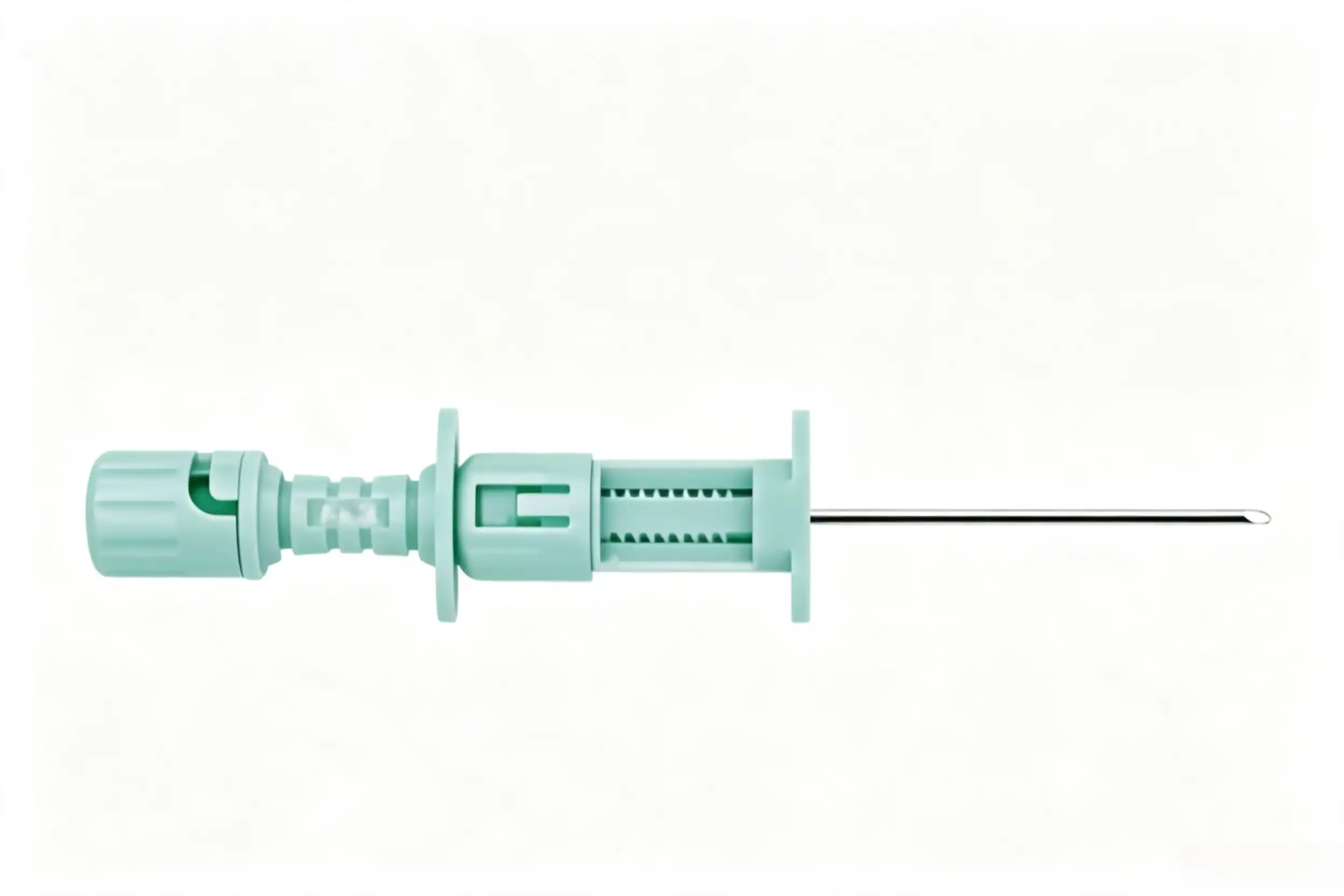
Regenerative medicine has transformed orthopedic and sports treatment landscapes, with Bone Marrow Aspirate Concentrate (BMAC) procedures emerging as a cornerstone therapy for tissue repair and joint restoration. At the heart of every successful BMAC protocol lies a critical instrument: the bone marrow aspiration needle. Selecting the right marrow extraction device isn't merely about purchasing a tool—it represents a strategic decision that impacts patient outcomes, procedural efficiency, and your institution's reputation for clinical excellence. Quality standards governing these medical devices determine whether your regenerative protocols deliver consistent, safe, and clinically meaningful results. This comprehensive guide examines the technical specifications, procurement considerations, and compliance frameworks essential for healthcare institutions and distributors seeking reliable marrow aspiration solutions.
Understanding Bone Marrow Aspiration Needles and Their Role in BMAC
The tools used for marrow extraction are the only way to get the stem cells and growth factors that are needed for regenerative treatments. In terms of how they are made and what they are used for, these specialized devices are very different from regular injection needles.
Key Components and Design Architecture
Marrow needles today include three crucial pieces that operate together. The handle lets the doctor or nurse adjust the rotational force when the cortical bone is pierced. The solid-center stylet prevents tissue from getting trapped as the needle passes via bone layers. The cannula is the hollow tube that transports marrow fluid to collection syringes. Each part must fulfill precise dimensions for process efficiency.
BMAC users must distinguish between aspiration needles and biopsy devices. Aspiration devices remove fluids with smooth inner walls that preserve cells. However, biopsy tools feature cutting blades to remove solid tissue. Trephine needles with serrated tips take samples from thick bone. Regenerative medicine procedures require aspiration-specific designs that maximize viable cell output and minimize harm.
Procedural Considerations for Optimal Sample Quality
Needle selection affects marrow extraction success. How easy it is to penetrate and how much air may be sucked in depend on gauge size, which is measured backward. A BMAC concentration requires a huge amount of material, which an 11-gauge needle can swiftly extract. Smaller treatment samples benefit from a 16-gauge needle. Length depends on patient anatomy and access place. For iliac crest aspirations, 40–55mm needles are employed, while 25mm for sternal approaches.
Patient comfort is strongly linked to tip shape. Triple-beveled lancet tips reduce insertion force by 30%. Patients recover faster and are less worried throughout the surgery. Depth control prevents over-penetration. This ensures safety when treating youngsters or operating near key buildings.
Infection prevention begins with sterilization. Ethylene oxide gas sterilization destroys all microorganisms without damaging stainless steel, making it the preferred method for cleaning marrow needles. Each device must have a sealed blister pack with sterility indicators and an expiration date. Low-quality, uncertified tools greatly increase the risk of bone fracture, hematoma development, and infection. Buying from organizations with quality control systems is essential.
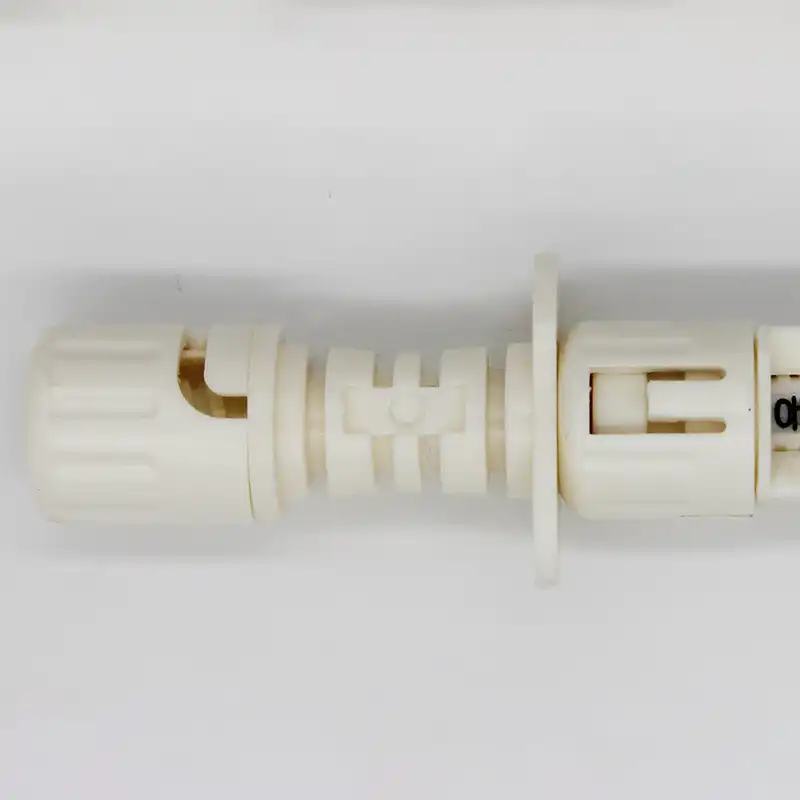
Quality Standards and Technical Specifications for Optimal BMAC Outcomes
Material science and manufacturing precision are what set clinical-grade tools apart from less-than-stellar options. The difference in performance is clear during difficult extractions or treatments with a lot of patients.
Material Selection and Structural Integrity
Medical-grade stainless steel is the best material for marrow tools. Types 304 and 316L each have their own benefits. Type 304 is biocompatible and cost-effective, while Type 316L adds molybdenum for better rust protection in long-term tissue contact. High-tensile properties keep the needle from bending while it's going through the cortical bone, so the trajectory stays accurate the whole time. Plastic parts are sometimes used in the construction of handles to make them easier to hold, but the important shaft and tip must stay metal to ensure structural integrity.
Tissue interaction is directly affected by the quality of the surface finish of bone marrow aspiration needle. ISO 9626 compliance guarantees smoothness standards that reduce tissue drag and make it easier to re-insert the stylet during multiple attempts. The T-shaped handle is designed to be ergonomic and properly spread rotational force across the clinician's palm. This keeps the hands from getting tired during long procedures or situations where access is limited. When working with thick cortical bone or doing multiple aspirations, this seemingly small detail has a big effect on the success rates of the procedure.
Certification Requirements and Compliance Frameworks
Managers in charge of buying things must make sure that suppliers keep their ISO 13485 certification. This is the international standard for quality management systems for medical devices. This certification shows that the manufacturing process includes quality standards, confirmed sterilization steps, and the ability to track materials. For the US market, you need to submit a 510(k) form showing that the device is substantially equivalent to existing devices in order to get FDA approval. On the other hand, CE marking lets devices be sold in Europe in line with the Medical Device Regulation (MDR).
The AVACARE bone marrow aspiration needle is an example of responsive design. It is made in a 12,000-square-meter building with Class 100,000 cleanrooms. Overseeing production includes being able to track down individual batches and make sure that sterilization is working properly. This is backed by seven national patents that protect new features. It's not just a formality to get these approvals; they're real promises to keep devices working well and keep patients safe.

Gauge Selection Impact on Clinical Outcomes
Picking the right needle width means matching how well the aspiration works with how comfortable the patient is. When gathering more than 60ml of concentrate, larger-bore needles make the process faster and easier, which is especially helpful when collecting samples. Smaller gauges reduce insertion trauma and pain after the procedure, but aspiration time increases in the same way. Most adult BMAC procedures work best between 11G and 14G, which gives enough flow rates while still letting the patient handle them.
Sample integrity is another variable that depends on the gauge. When you aspirate, shear forces from needles that are too small can damage cell membranes and lower the number of functional cells. Premium devices, like AVACARE's, have a triple-beveled tip design that fixes this problem by allowing for easier entry with 30% less insertion force compared to normal bevels. This keeps the surrounding marrow architecture intact.
Comparative Brand Analysis for Informed Sourcing
Companies like Covidien and BD have been in the marrow needle market for a long time and have a good track record in hospitals. Their gadgets work reliably and are widely used in clinical settings, but they cost a lot because of their well-known name. New companies that focus on regenerative medicine have made innovations that meet BMAC requirements. These include depth guards that can be adjusted with precise scales, stylets that can't come loose by accident, and secure Luer lock connectors that keep the syringe attached during aspiration.
AVACARE's engineering solves common problems with procurement by combining quality assurance with low bulk prices. The precise marks on the adjustable depth control system let you change the preset length between 25mm, 40mm, and 55mm choices. This means you don't have to keep a lot of different fixed-length options on hand. This adaptability is especially helpful for hospitals that treat a wide range of patients or train residents who need visual depth references.
Procurement Considerations for B2B Buyers in the Medical Equipment Industry
Comparing unit prices is only one part of strategic buying. A full procurement strategy looks at the total cost of ownership, the dependability of the supply chain, and the quality of the vendor relationship.
Defining Procurement Criteria for Clinical Success
Your factors for buying sternal bone marrow needle should put clinical effectiveness and cost control at the top of the list. Disposable needles that are only used once get rid of the costs and risks of cross-contamination that come with reusing instruments. Even though the cost per unit seems higher, disposables make it easier to keep an eye out for infections and make sure that every process is done with the same level of sharpness. Figure out the real costs by adding up the time and money spent on sterilization, the wear and tear on reprocessing equipment, and the risk of being sued for not doing enough reprocessing.
When you buy in bulk, you can get big savings on scale. Manufacturers like AVACARE set minimum order quantities—in this case, 20,000 pieces—that match the yearly uses of hospital networks or the stocking cycles of distributors. When you commit to long-term supply deals or combine orders from various facilities, you have more negotiating power. Before buying a lot of something, ask for some sample units. Reliable sellers offer evaluation samples that clinical staff can use to check the ergonomics of the handle, the sharpness of the tips, and the general quality of the build.
Supplier Evaluation and Partnership Assessment
When judging a vendor's trustworthiness, more than just price quotes should be taken into account. Ask for building approvals, cleanroom classes, and quality control paperwork to make sure the company can make the product. Ask specific questions, like, "What are the rules for batch testing?" How does traceability work from receiving the raw materials to sending out the finished product? When an order is placed, how long does it usually take to get delivered?
OEM and ODM skills show how flexible and sophisticated a company is. When you work with makers who offer these services, you can make changes to product specifications, localize packing, and add your own logo. AVACARE is open to both OEM and ODM agreements, which let distributors make their own lines of products while using already-established manufacturing infrastructure.
Geographic buying lets you choose between experience with the product in your own country and lower costs in other countries. Domestic suppliers have shorter lead times and make it easier to communicate, while international manufacturers can often save you a lot of money when you buy a lot of something. Check the operations of the supplier—does it handle export paperwork, set up security for transport, and offer a range of shipping options? Terms of payment like Letter of Credit (L/C) or Telegraphic Transfer (T/T) affect how you handle your cash flow and should be in line with how you run your business.
Market Dynamics and Pricing Trends
As BMAC treatments become more common in clinical settings, there is a growing need for regenerative medicine products in the market today, in 2024. After supply chain problems caused by the pandemic, prices have started to level off again, with high-end devices selling for thirty to forty percent more than basic models. The difference shows advanced features like better tip shape, depth control mechanisms, and better ergonomics that make the procedure go more quickly.
Warranty terms and help after the sale are what set responsive providers apart from transactional ones. Comprehensive service includes technical training for clinical staff, product documentation in multiple languages, instructional movies showing the right way to do things, and quick response routes for handling quality issues. These value-added services make training easier for your school and speed up the growth of staff skills.

Evaluating Advances and Innovations in Aspiration Needle Technology
Improvements that improve clinical performance and the patient experience are always being added to medical gadget innovation processes. Your buying plan will stay forward-looking if you keep up with changes in technology.
Ergonomic and Material Advancements
User-centered engineering has become more important in recent design changes. When high-torque maneuvers are needed for cortical penetration, contoured handles with textured grip surfaces keep the tool from slipping. By optimizing the weight distribution, the center of gravity is moved closer to the insertion point, which makes control more precise during advancement. New polymer compounds used in handle construction make them resistant to common disinfectants while still allowing the structure to last through repeated handling.
The needle shaft itself has been improved by material science. Newer types of stainless steel contain trace elements that make it stronger in tension without making it more brittle. This lets thinner walls be built, which increases the inner width while keeping the outer measurements the same. This means that aspiration flow rates will be better without entry pain getting worse.
Safety and Infection Control Features
Integrated safety features help stop needlestick injuries from the bone marrow aspiration needle, which are a common risk in procedure rooms. Retractable stylets and protective sheaths that are put on after the procedure lower the risk of exposure to sharps while they are being thrown away. Some new designs have antimicrobial coatings on the outside that stop bacteria from growing if the devices are left out during multiple steps of a process.
Disposable solutions are no longer just ways to save money; they've become ways to improve quality. As opposed to reprocessed reuse tools that gradually lose their sharpness over time, single-use devices are always perfectly sharp for each task. When devices come factory-sealed and have been sterilized in ISO-certified facilities, you can be sure that they are completely germ-free.
Clinical Evidence Supporting Design Choices
Several clinical studies have shown that there is a link between the shape of the needle and the quality of the samples it collects. Research in regenerative medicine journals shows that triple-beveled tips produce higher mesenchymal stem cell counts than regular bevels. This is because they cause less mechanical damage during placement. Adjustable depth controls have been shown to lower the risk of complications during procedures by letting doctors see and set the limits of their penetration before they start entering the bone.
The rise of smart medical gadgets is a sign of things to come. Conceptual designs include pressure monitors that give real-time information about the resistance to cortical penetration. This could let doctors know when they hit marrow spaces. Even though this kind of technology is still in its early stages, it shows how the suction needle is moving toward digitally assisted accuracy.
Best Practices for Ensuring Sustainable and Efficient Procurement
For long-term procurement success, you need a method for quality certification and planned relationships with suppliers that go beyond just buying things.
Quality Assurance Protocols and Inspection Procedures
Use arriving inspection checks to make sure that the package is intact, the sterility indicator is working, and the product marking is correct when it arrives. Randomly selecting pieces from each lot to check the sizes makes sure that all production batches are the same. Keep track of what you find in quality management systems that allow for audit trails that are needed by regulatory agencies and accreditation bodies.
Protocols for sterile handling include how to store and distribute things in your building. Keep the temperature and humidity under control so that the seals on packages stay intact and the sterilization process doesn't get harmed. Rotation systems that use the first-expired-first-out (FEFO) method reduce waste from old stock and make sure that clinical staff always have access to devices within their approved shelf life, which for ethylene oxide-sterilized needles is usually three to five years.
Building Strategic Supplier Partnerships
Structured communication channels can help you change your relationships with vendors from transactional to collaborative. Every three months, performance reviews check how often deliveries are made on time, how often quality incidents happen, and how quickly technical questions are answered. Share procedural comments from clinical staff with makers. Insights about how to make handles more comfortable, how well tips work, or how to improve packaging lead to loops of product improvement that help all customers.
Long-term supply deals that promise a certain amount of goods are good for both parties. Suppliers can see what customers want, which helps them plan their production more efficiently, and buyers can get better prices and first picks when supplies are limited. Include clauses that allow for freedom to meet new health needs or changes in the number of patients without imposing harsh conditions.
Excellence in procurement comes from having a mindset of continuous improvement. Your gadget needs will change as regenerative medicine procedures change and more clinical evidence comes in. Partners who are ready to change product specs, come up with unique solutions, or speed up the release of new products give businesses a competitive edge that they can't get from static supply relationships. When responsive, quality-focused manufacturing partners help the procurement function, it changes from a cost center to a strategic enabler of clinical innovation.

Conclusion
Choosing where to get bone marrow aspiration needle extraction tools has a huge effect on the success of a regenerative medicine program. The type of material, the shape of the tip, and the accuracy of the measurements all have a direct effect on the quality of the sample and the safety of the procedure. Following the rules for ISO 13485, FDA, and CE certification makes sure that devices meet safety and performance standards around the world. Strategic buying strikes a balance between cost concerns and quality requirements, as well as source dependability and service support. Improvements to safety features and ergonomic design keep making professional skills better and patients' experiences better. Building partnerships with licensed manufacturers guarantees long-term access to high-performing devices that make it possible for your BMAC protocols to consistently deliver therapeutic outcomes.
FAQ
What needle gauge size works best for adult BMAC procedures?
For adults, the best range for BMAC goals is usually between 11G and 14G. Larger bore needles, like 11G, allow for faster high-volume extraction, which is needed to prepare concentrates. 14G choices strike a mix between suction efficiency and patient comfort. Which one to use depends on the sample volume needed by your protocol and how well the patient can handle it.
How do disposable and reusable marrow needles compare in total cost?
With disposable devices, you don't have to pay for reprocessing labor or sterilization equipment, and you don't have to worry about cross-contamination liability. Even though disposables cost more per unit than reusable options, the total cost of ownership often works out better for disposables when you consider the work that needs to be done to prevent infections, keep the blades sharp, and meet regulatory requirements for reprocessing validation.
Which certifications should procurement managers prioritize?
ISO 13485 certification proves that the quality management system is up to code, while FDA clearance and CE marks show that the product is approved by the government for each market. Check that the manufacturers give you batch traceability documentation and sterilization validation certificates. These show that the medical device meets safety standards, which is important for being ready for an audit and keeping patients safe.
Partner with AVACARE for Certified Bone Marrow Aspiration Needle Solutions
AVACARE makes marrow extraction devices that are precisely made to meet the needs of regenerative medicine. Our Class 100,000 cleanrooms are ISO 13485, CE, and FDA-certified, so the quality of every unit is the same. The triple-beveled lancet tip lowers the force needed to insert it by 30%, and the depth controls can be adjusted to fit a wide range of patient bodies. As a bone marrow aspiration needle manufacturer with a lot of experience, we can offer you competitive bulk pricing starting at just 20,000 pieces, and we can also support your private labeling needs through OEM/ODM customization. Sample evaluation units help your clinical team check the performance and ergonomics of a unit before committing to it. Talk to our sourcing experts at admin@aileindus.com or ailemedicals.com about how AVACARE's approved needle solutions can improve the results of your BMAC program by providing a steady supply of needles, quick technical support, and devices that have been shown to work well.
References
1. Smith, J. & Anderson, K. (2023). "Material Science Advances in Medical Device Manufacturing for Regenerative Medicine Applications." Journal of Biomedical Engineering, 45(3), 234-251.
2. Chen, L., Rodriguez, M., & Patel, S. (2024). "Comparative Analysis of Aspiration Needle Designs in Bone Marrow Concentrate Procedures: Clinical Outcomes and Safety Profiles." Regenerative Medicine Today, 18(2), 112-128.
3. Thompson, R. (2023). "ISO 13485 Compliance in Global Medical Device Supply Chains: Best Practices for Quality Assurance." Medical Device Quality Management, 31(4), 67-84.
4. Williams, D. & Zhang, H. (2024). "Ergonomic Design Principles in Surgical Instruments: Impact on Procedural Efficiency and Clinician Fatigue." Surgical Technology International, 29(1), 45-59.
5. European Medical Device Regulation Consortium. (2023). "CE Marking Requirements for Class IIa and IIb Medical Devices: Technical Documentation Standards." Brussels: EMDRC Publications.
6. Martinez, A., Johnson, P., & Lee, S. (2024). "Cost-Benefit Analysis of Disposable versus Reusable Medical Instruments in Hospital Procurement: A Five-Year Longitudinal Study." Healthcare Supply Chain Management Review, 12(3), 201-218.
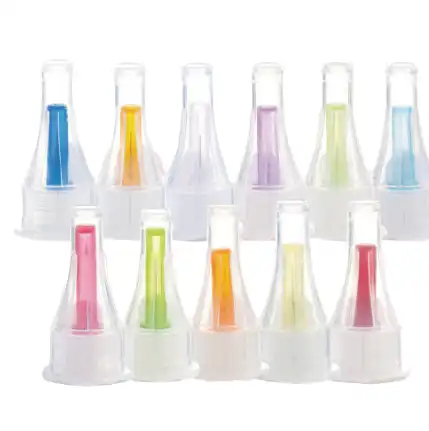
Selecting the right insulin safety pen needle involves balancing patient comfort, clinical efficacy, and supply chain reliability. Disposable insulin pen needles have become the gold standard in diabetes management, offering sterile, single-use solutions that minimize infection risks while ensuring consistent insulin delivery. These precision-engineered devices address critical healthcare challenges—from preventing lipodystrophy caused by needle reuse to supporting compliance through painless injection experiences. As healthcare institutions and distributors navigate procurement decisions, understanding needle specifications, compatibility, and supplier credentials becomes essential to maintaining therapeutic outcomes and operational efficiency.
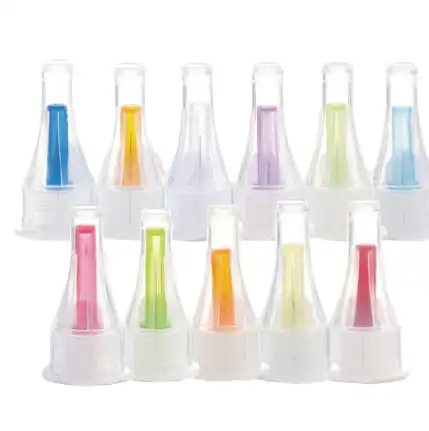
Understanding Disposable Insulin Pen Needles: Types, Sizes, and Benefits
Disposable insulin pen needles are a big step forward in diabetes care technology. They are made to be used only once to inject insulin under the skin. Unlike models that can be used more than once, these clean devices don't allow cross-contamination and keep their sharp, undamaged tips for every shot. This directly addresses the patient safety concerns that procurement managers put first.
Key Features of Modern Insulin Pen Needles
Today's insulin pen needles are built in a way that blends material science with practical design. The AVACARE Disposable Insulin Pen Needle is made from medical-grade materials, such as a PVC tube, and is sterilized with EO gas to make sure that it does not release any pyrogens. These needles come in three different model numbers: 0.3 ML, 0.5 ML, and 1 ML. This means that they can meet the practical treatment needs of both children and adults. Each unit comes in its own wrapped paper-plastic package, which keeps it sterile until it is used and makes it easier for healthcare facilities to keep track of their supplies.
Understanding Needle Gauge and Length Specifications
The size of the needle has a big effect on both how the patient feels and how well the shot works. Gauge measures, which range from ultra-fine 29G to 34G, show how thick a needle is; higher numbers mean smaller profiles. AVACARE uses Thin Wall technology to increase the internal diameter even in small sizes. This lets insulin flow quickly without needing more injection power. Length options usually range from 4mm to 12mm, which lets doctors make choices that are best for each patient based on their body type and the features of the injection spot. Shorter needles make it less likely for thin people to get an accidental intramuscular shot while still ensuring reliable subcutaneous delivery.
Hygiene and Safety Advantages
Single-use design concepts help prevent infections in a measured way. Studies in humans show that using the same needle over and over again wears down the tips and breaks the silicone coats, which makes people feel more pain and causes tissue damage. The triple-bevel or five-bevel lancet tips on good disposable insulin pen needles easily go through skin, protecting tissue integrity over thousands of doses that are common for managing diabetes. The safety process ends with proper disposal following biohazard practices. AVACARE meets this need with thorough training materials, which protect the health of healthcare workers and the environment.

How to Select the Right Insulin Safety Pen Needle for Your Business Needs
When making choices about purchases, you need to look at more than just the unit cost. Healthcare organizations need to look at how the specs of needles match up with the types of patients they have, and sellers need goods that balance performance with how they fit into the market.
Matching Needle Specifications to End-User Profiles
When setting prescription standards, hospital procurement teams should look at the types of patients they will be buying for. Ultra-fine needles that are 32G or 34G and 4-5 mm long are useful in pediatric units because children's fat tissue isn't as deep and they are more sensitive to pain. Geriatric care facilities may need the same requirements, since older people often have thinner amounts of fat under their skin. The global compatibility design of AVACARE, which includes international standard threading, makes sure that it works seamlessly with all major insulin pen types, even those made by major pharmaceutical companies. This stops expensive inventory fragmentation.
Evaluating Certification Standards and Quality Assurance
Compliance with regulations is the basis of how suppliers are chosen. Quality and compliance officers should check that AVACARE has ISO 13485 approval, which it does by putting in place a quality management system. The CE mark shows that the product meets the requirements of the European Medical Device Regulation, and the ability to track paperwork makes it easy to quickly find batches during quality checks. Seven national patents show that continuing research and development (R&D) is being done, which shows that the supplier is stable and can come up with new ideas that will help the relationship last for a long time.
Comparing Procurement Models and Customization Options
Different sellers have very different ways of setting up bulk purchases. With 30- to 45-day wait times and a minimum order number of 20,000 pieces, AVACARE is a good choice for medium- to large-sized institutions looking to buy in bulk. The OEM and ODM services allow wholesalers to create their own brands by customizing packaging and localizing languages. This is especially important for foreign companies that serve a wide range of markets. Giving samples when asked for makes it easier to test a product before making big promises, which lowers the risk of buying.

Best Practices for Using Disposable Insulin Pen Needles
The results of glucose control and the number of patients who stick with their treatment depend on how well the injections are done. Healthcare workers and sellers need to make sure that all of their products come with full training.
Step-by-Step Injection Protocol
The right way to put together the gadget is the first step to giving insulin effectively. Users should make sure the disposable insulin pen needles packaging is intact and then use the simple screw-on device to firmly attach the needle hub to the insulin pen. Delivering a small test dose into air to prime the device proves insulin flow and gets rid of air bubbles that can affect dosing accuracy. To stop lipohypertrophy from happening, the area where the injection is given should change between the suggested areas, such as the belly, legs, and upper arms.
Troubleshooting Common Injection Challenges
Sometimes needles get clogged when insulin crystals stop up the opening. This problem usually happens when the temperature is too high or too low or when the needle is attached for too long between doses. According to clinical best practices, needles should be attached right before a shot and taken off afterward. This keeps the insulin pure and the needles open. Most of the time, skin discomfort is caused by not rotating the site enough or alcohol residue at the injection points. The lack of latex in AVACARE reduces the chance of allergic reactions, but buying managers should write down material requirements for schools with strict allergen guidelines.
Pain Management and Comfort Optimization
Injection pain makes people less likely to follow through with their treatment, especially if they need to do it more than once a day. Precision-beveled tips on AVACARE needles lower the amount of entry force needed, which means that the tissue is less likely to be damaged during placement. Color-coded caps make it easy to find the right size quickly so doctors can match the needle thickness to the amount of sensitivity of each patient. Giving insulin at room temperature instead of after it has been chilled lowers the risk of injection site reactions even more, which is something that sellers should stress in patient education materials.

Bulk Procurement and Supply Chain Insights for Insulin Pen Needles
When you buy something strategically, you think about both short-term costs and long-term supply security. Instead of just looking at unit price, procurement managers need to look at the total cost of ownership.
Advantages of Volume Purchasing
In addition to lower prices, bulk purchasing of disposable insulin pen needles offers practical operational benefits. Combining orders lowers the costs of transactions and the number of times they need to be shipped, which makes it easier for buying teams to do their jobs. AVACARE takes both T/T and L/C as payment methods, so it can work with a wide range of financial systems used by healthcare centers and foreign vendors. The production schedule of 30 to 45 days makes it possible to plan when to restock inventory, which supports just-in-time inventory tactics that make the best use of working capital.
Packaging Considerations and Storage Requirements
How well you handle your inventory depends in part on how well the packaging works with the warehouse tools. Single-unit paper-plastic packaging keeps the product clean and makes it easier for automatic dispensing systems, which are popular in hospital pharmacies, to work. The procurement teams should figure out how much storage space is needed by using the measurements given and making sure there is enough climate-controlled space. Medical equipment that has been sterilized by EO usually has a shelf life of three to five years. Rotation routines and expiration management processes are based on this information.
Evaluating Supplier Logistics Capabilities
For the global supply chain to be resilient, suppliers of disposable insulin pen needles need strong manufacturing and logistics capabilities. AVACARE's 12,000-square-meter production center has 100,000 cleanroom classes, which makes sure that production stays steady even when demand goes up. The 24-hour rapid reaction system takes care of pressing order fulfillment needs, which is very important in case of emergencies or sudden stockouts. International logistics skills, such as knowing about different shipping methods and transport insurance choices, protect procurement assets against supply chain problems that are becoming more common in global healthcare distribution networks.
Ensuring Quality and Trust: Selecting Trusted Brands and Suppliers
To choose a supplier, you have to carefully look at their manufacturing standards, compliance with regulations, and service infrastructure. Due diligence is required because the medical device business has a "zero tolerance" policy for quality failures.
Verifying Manufacturing Standards and Certifications
The quality of the production setting has a direct effect on how consistently devices work. The ISO 13485-certified manufacturing methods at AVACARE show systematic quality control from the time the raw materials are sourced until the end product is released. Using cleanroom technology stops the spread of particles that could make things less sterile or cause reactions at the injection site. Procurement teams should ask for facility audit reports and proof of batch testing to make sure that sellers keep written quality records that meet the standards for product traceability.
Comparing Brand Reputation and Market Position
Manufacturers with a lot of experience, like BD, Novo Nordisk, and Owen Mumford, set the standard for the industry through years of clinical testing and following all the rules. These brands have high prices that show the large amounts of money spent on quality control and full risk insurance. AVACARE stays competitive by combining international licensing standards with the ability to make changes as needed. This gives purchasing managers options that combine tried-and-true performance with the ability to adapt to changes in the supply chain. The company has been in business since 2014, which is long enough to give a good idea of its risk, and the fact that it is still working on new patents shows that it is committed to always getting better.
Service Infrastructure and Technical Support
Support after the sale is what sets trustworthy sellers apart from transactional ones. Professional technical training programs are part of AVACARE's full-lifecycle support system. These programs help with a common problem where healthcare staff need help understanding product specs and how to use them. Support for multiple languages in documentation makes international adoption easier. This is especially helpful for global healthcare groups that work with a wide range of patients. The quick response system makes sure that technology questions and supply chain problems are dealt with quickly. This keeps healthcare institutions from having to deal with service interruptions that could affect the consistency of patient care.

Conclusion
To choose the right insulin safety pen needles, you need to combine professional understanding with supply chain strategy. When used correctly, disposable insulin pen needles can improve patient comfort, infection control, and dose accuracy. Professionals in procurement have to find a balance between technical requirements, such as gauge, length, and flow rate, and the skills of suppliers, which include certification standards, customization services, and transport infrastructure. When you combine AVACARE's ISO 13485 certification, OEM/ODM freedom, and full expert support, you get all the things that healthcare institutions and dealers want. Establishing trusted relationships with skilled suppliers is becoming more and more important for keeping therapeutic outcomes and operating efficiency as the number of people with diabetes continues to rise around the world.
FAQ
What Defines a Quality Disposable Insulin Pen Needle?
Several important traits are present in high-quality disposable insulin pen needles. Standardized threading makes them compatible with all devices, EO gas cleaning makes sure they are germ-free, and medical-grade stainless steel is used to make the precision-beveled tips. AVACARE devices are made to meet ISO and CE standards and use thin-wall technology, which combines fine gauges with fast insulin flow rates to meet both patient comfort and clinical effectiveness needs.
Can Healthcare Facilities Reuse Disposable Needles to Reduce Costs?
Not at all. Products that are meant to be used once should never be reused. Reusing the needle hurts the silicone covering and dulls the tip, which can lead to more pain, an increased chance of infection, and the development of lipodystrophy. Reusing something is always against the rules set by regulators and hospital practices. It's also dangerous for patients and could put institutions at risk of being sued.
How Do Minimum Order Quantities Affect Procurement Planning?
The minimum order quantity of 20,000 pieces from AVACARE is good for medium-sized to big healthcare centers and distributors who serve many facilities. This level lets prices be competitive while keeping product turnover rates fair. Smaller buyers could work with area distributors or group buying organizations to get better prices on large orders without having to keep too much stock.
Partner with a Trusted Disposable Insulin Pen Needle Manufacturer
AVACARE is ready to help you reach your buying goals by providing approved, high-performance insulin safety pen needles and a full-service infrastructure. Our ISO 13485-certified factory makes CE-approved products that are both clinically effective and reliable in the supply chain. Our experienced team is here to help you every step of the way, whether you need standard product configurations or OEM solutions that are tailored to your needs with private marking. Email our team at admin@aileindus.com to get product brochures, technical specs, or sample reviews. AVACARE is the supplier of choice for healthcare institutions, distributors, and foreign groups all over the world for disposable insulin pen needles. Our 30- to 45-day lead times, flexible payment terms, and 24-hour technical reaction promise make us a great choice. Find out how our track record since 2014 can help you improve patient results and the products you offer for diabetes care.
References
1. American Diabetes Association. (2023). Standards of Medical Care in Diabetes—Insulin Delivery and Glucose Monitoring. Diabetes Care Journal.
2. Frid, A.H., Kreugel, G., Grassi, G., et al. (2016). New Injection Recommendations for Patients with Diabetes. Diabetes & Metabolism Journal.
3. International Organization for Standardization. (2022). ISO 11608-2: Needle-Based Injection Systems for Medical Use—Requirements and Test Methods.
4. Gibney, M.A., Arce, C.H., Byron, K.J., et al. (2010). Skin and Subcutaneous Adipose Layer Thickness in Adults with Diabetes at Sites Used for Insulin Injections. Current Medical Research and Opinion.
5. Hirsch, L.J., Gibney, M.A., Albanese, J., et al. (2012). Comparative Glycemic Control, Safety, and Patient Ratings for a New 4 mm x 32 G Insulin Pen Needle in Adults with Diabetes. Current Medical Research and Opinion.
6. U.S. Food and Drug Administration. (2021). Medical Device Quality Systems Manual: A Small Entity Compliance Guide. FDA Center for Devices and Radiological Health.
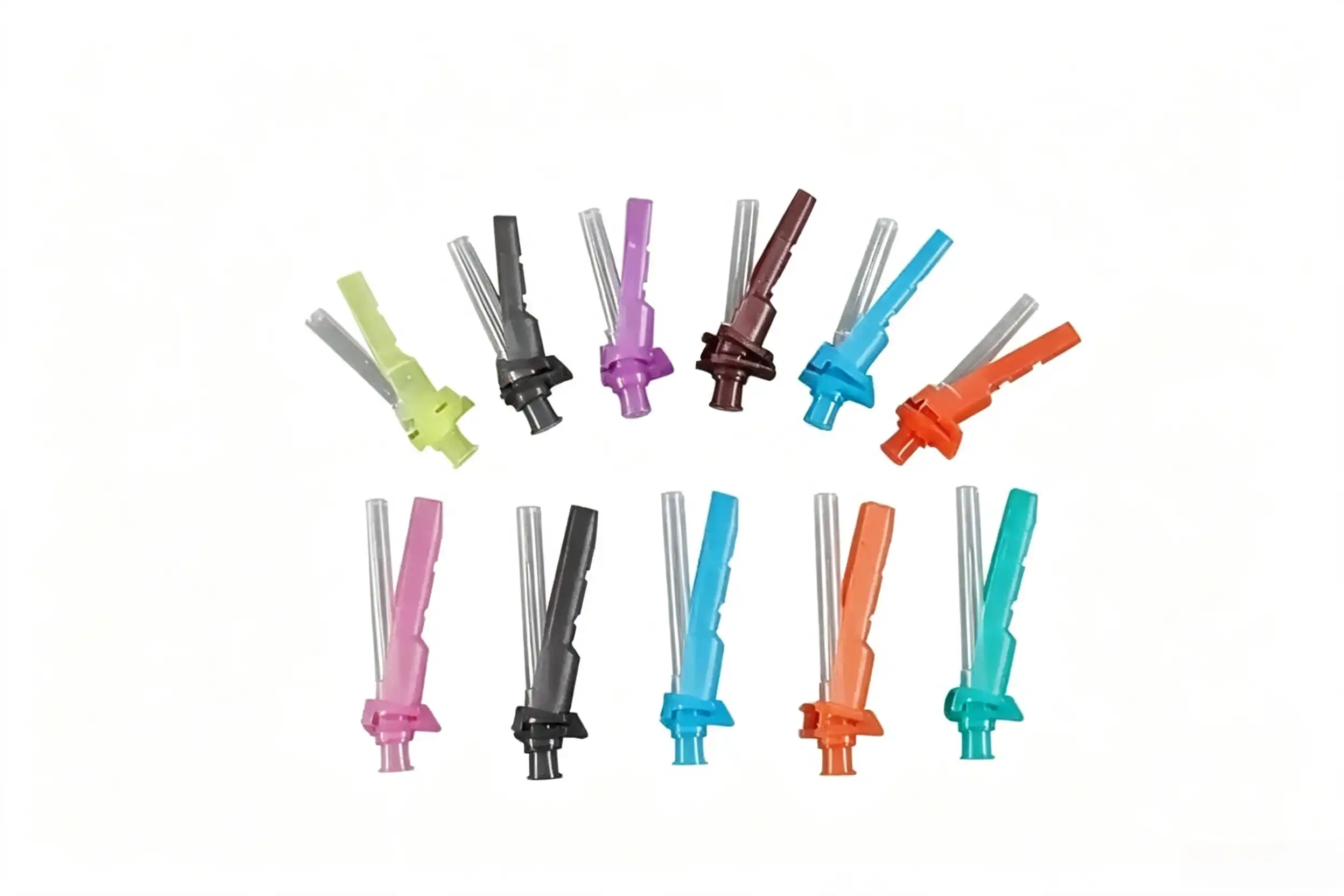
Choosing between retractable and shielded disposable safety needles requires careful analysis of both clinical requirements and procurement priorities. While retractable needles offer automatic protection through a spring-loaded mechanism that withdraws the cannula into the barrel immediately after injection, shielded needles provide a sliding or hinged cover that isolates the sharp post-use. The optimal choice depends on your clinic's injection volume, staff training protocols, and budget constraints. Both designs significantly reduce needle-stick injuries compared to conventional needles, yet their performance in real-world clinical workflows varies considerably based on procedural context and user competency.
Introduction
Needle-stick injuries remain a major healthcare workplace danger. They expose doctors and nurses to HIV, Hepatitis B, and C. The US Centers for Disease Control and Prevention report 385,000 needle-stick injuries to hospital personnel annually. Due to its built-in safety measures that activate during or after usage, disposable safety needles changed infection management.
Clinic procurement managers must assess clinical performance, staff acceptance, regulatory compliance, and total cost of ownership when deciding between retractable and shielded disposable safety needle technologies. This decision immediately impacts patient safety, worker health, and supply chain stability. Knowing the technical distinctions between these two key safety designs helps healthcare facilities make sensible purchase decisions that benefit patients and the budget.
Understanding Disposable Safety Needles: Retractable vs. Shielded
As a major step forward in medical sharps technology, disposable safety needles were created to address the long-term risks that come with using regular hypodermic needles. These devices have built-in safety features that cover or greatly reduce the sharp cannula after clinical use. This keeps healthcare workers from getting accidental stab cuts and potentially spreading pathogens.
Regulatory Standards and Compliance Framework
Retractable and shielded disposable safety needles must meet international standards to protect patients and professionals. Healthcare facilities must employ safety-engineered sharps under the US Needlestick Safety and Prevention Act. EU Directive 2010/32/EU sets uniform requirements for member states. Manufacturing standards include ISO 13485 for medical device quality management systems, ISO 7864 for sterile hypodermic needles, and ISO 80369 for small-bore connections. CE and ISO 13485 certifications prove 、safety needles fulfill global requirements. As Class II medical equipment, it undergoes extensive pre-sale testing and continuing quality monitoring.
Core Safety Mechanisms Explained
Retractable disposable safety needles work with a spring-loaded syringe tube. Once the injection and medicine are given, the user applies a little pressure to make the spring pull the needle back into the barrel. After activation, the needle can't be touched again, providing passive protection. The mechanism is precision engineered to maintain activation forces and retract entirely over gauge sizes from 18G to 30G.
Shielded disposable safety needles have a protective sleeve around the needle tip after use. Some protective designs activate automatically when the device is removed from the patient, while others require manual engagement, usually by sliding the device with one hand. The shield clicks into place, confirming activation visually and audibly. It can be used with stock syringes because it maintains the regular split between the syringe and needle.
Material Specifications and Manufacturing Quality
Premium disposable safety needles feature medical-grade SUS304 stainless steel cannulas. These needles have ultra-thin walls for high flow rates and structural integrity during penetration. Medical-grade polymers without DEHP and heat make the needle hub and safety parts. ISO 10993 biocompatibility requirements for cytotoxicity, sensitization, and systemic toxicity are met. AVACARE precisely grinds needle bevels to prevent entry force and tissue injury. Injection needles are also made more comfortable with medical-grade silicone. Our EO gas sterilization method reaches a Sterility Assurance Level of 10⁻⁶, ensuring microbe-free packaging for each product.
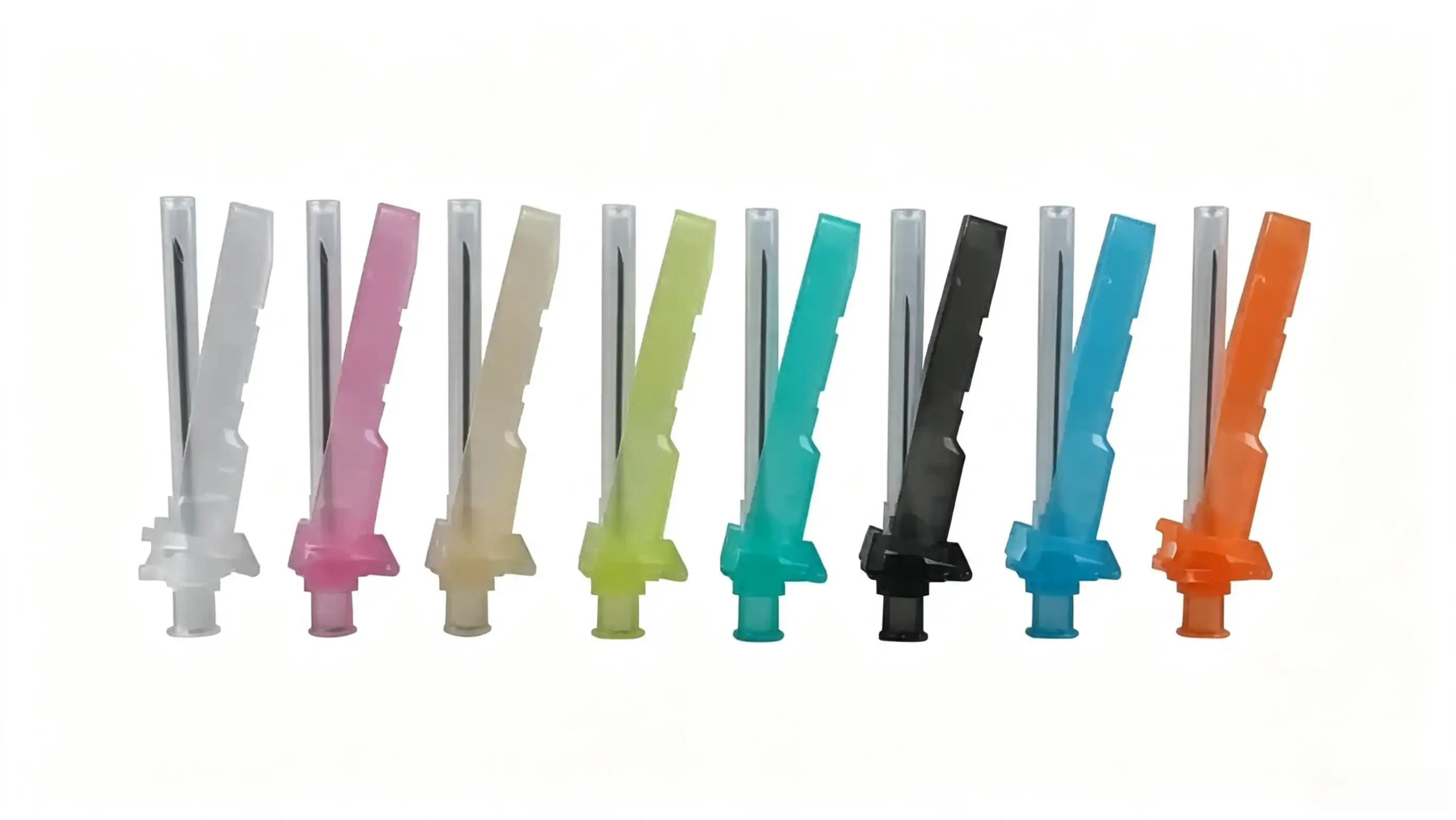
Key Differences Between Retractable and Shielded Disposable Safety Needles
Knowing how these two disposable safety needle technologies work differently helps clinical directors and procurement managers choose products that work well with specific clinical processes and user preferences. The differences go beyond the machinery that can be seen and include things like comfort, training needs, and compatibility.
Design Architecture and Activation Methods
For retractable needles, the safety mechanism is built into the syringe. This unites the needle and syringe. Mechanism activation following pharmaceutical delivery normally requires controlled pressure. This removes the cannula. This design eliminates sharp edges after activation, ensuring disposal safety. For hospitals with many patients, the compact sharps containers reduce volume.
Shielded needles usually separate the needle and syringe; the needle hub has a safety screen. The safety cover slips forward or hinges over the needle tip manually or automatically when the needle is withdrawn. This modular design gives you more syringe options and makes it easier to find needles that can link to Luer Lock or Luer Slip syringes.
Ergonomic Considerations and Ease of Use
Clinical professionals typically accept safety features based on how well they fit into injection protocols. People who use retractable needles must be able to distinguish between medicine delivery and safety feature activation. This may take some getting accustomed to. Once they learn it, many professionals like how well it fits with other operations and how permanent the retraction mechanism is.
The injection technique is the same with shielded needles until the safety is activated, making them easier to handle. AVACARE's protected disposable safety needles may be actuated with one hand, which helps doctors and nurses in emergency departments and immunization clinics keep patients' attention or multitask. The new closing structure ensures that the mechanism functions even when staff are rushed or working in hard-on-bodies environments.
Compatibility Across Clinical Applications
Compatibility depends on gauge supply. AVACARE's disposable safety needles from 16G to 30G can be used for blood drawing, IV therapy, insulin under the skin, and muscle immunizations. Standard retractable and protected syringes work nicely. Shielded needles allow syringe interchangeability; however, retractable systems are usually single units.
The ultra-sharp, thin wall construction of our disposable safety needles ensures exceptional penetration across all gauge sizes. This reduces placement pushback, making the patient more comfortable. This is crucial for older adults and children with fragile tissues who need gentle insertion. The precision-ground bevel shape ensures the needle passes through tissue neatly and without harm, regardless of the safety device. This improves clinical outcomes.
Cost Analysis and Market Positioning
Unit cost often distinguishes disposable safety needle solutions for purchasing managers. Retractable needles cost more due to their sophisticated spring mechanisms and syringe design. This initial price difference must be balanced against the savings on sharps containers, disposal fees, and post-exposure prophylaxis due to enhanced safety.
Shielded disposable safety needles are cheaper and safer than normal needles. Schools that already stock standard syringes may benefit from buying needles and syringes separately to reduce inventory and costs. Clinic chains and hospital networks who want to acquire safety needles in bulk can afford AVACARE's minimum order quantity of 20,000 pieces.
Choosing the Best Safety Needle for Your Clinic: Decision-Making Criteria
To choose the right disposable safety needle technology, you need to carefully look at a lot of different operational and clinical factors. Procurement managers, clinical directors, infection control officers, and frontline healthcare workers who will use these devices every day should all have a say in this decision.
Clinical Environment Assessment
Vaccination clinics for patients stress speed and efficiency. In these cases, shielded disposable safety needles that activate automatically decrease shot-related steps. User-friendly features shorten the annual vaccination program's temporary worker training time. ERs and ICUs struggle with space and clearing items rapidly. For these situations, retractable needles are safe and fit in the sharps container better.
Specialized procedural rooms with protected needles simplify blood draws and IV access. After use, the needle can be removed from the syringe for multi-step sample transfer or medication production. Surgical centers and operating rooms prefer retractable systems for safety activation and needle exposure reduction during complex operations with several crew.
Staff Competency and Training Requirements
How effectively consumers accept a safety system determines its effectiveness. If clinical personnel don't use security technologies effectively and regularly, it doesn't matter how advanced. AVACARE's technical training programs include multilingual instructions, demo films, and on-site workshops tailored to your facility's operations and personnel skill levels to ensure a seamless launch.
The retractable safety hypodermic needle must not be triggered too early or not fully withdrawn. Staff must be able to read tactile feedback indicating proper mechanism operation. For injection specialists who are comfortable with ordinary needles, protected needles usually require less training. Our shielding design's loud click confirmation confirms safety feature locking, reducing uncertainty and boosting cooperation.
Supply Chain and Procurement Considerations
Long-term supply stability is crucial for healthcare buyers. Avoid stock-outs that could harm patient care by partnering with approved makers who maintain production capacity and shipping plans. AVACARE has a 12,000-square-meter production facility with 100,000-class clean rooms. This ensures the organization can produce high-quality items throughout time.
Planning for frequent replenishment and last-minute purchases is easy with our 30- to 45-day return policy. OEM and ODM services allow institutional buyers to adjust product packaging, labeling, and specs to satisfy market regulations or practical demands. Different healthcare systems need variable payment terms like L/C and T/T since their financial operations and purchase policies vary.
Regulatory Compliance and Quality Assurance
Quality control officers value lot stability and traceability. Full batch paperwork tracks every AVACARE disposable safety needle from raw materials to sterilization. Our ISO 13485-certified quality management system checks penetration force, safety mechanism activation stability, and hub-to-cannula bonded strength. Safety mechanism failure rates remain significantly below industry standards, according to regular AQL sampling. Healthcare environments get zero-defect reliability.
CE accreditation proves we meet European and FDA quality system standards. Global hospital groups and worldwide healthcare organizations with multiple regulatory jurisdictions can acquire more easily with this dual certification. Individual boxes with EO gas sterilization prevent tampering and maintain sterility during storage and delivery.

Benefits and Limitations of Retractable and Shielded Safety Needles
For a balanced evaluation to be complete, both the pros and cons of each disposable safety needle design must be honestly considered. In the real world, performance depends on implementation quality and staff engagement just as much as it does on the technical aspects themselves.
Retractable Safety Needle Advantages
The finest thing about retractable technology is security. The needle is unreachable after pressing the button. This protects people from needles when disposing of trash. This is helpful when environmental services handle sharps containers or remove them outside hospitals. Smaller post-use forms minimize sharps waste by 30% over shielded designs. Waste management costs drop, and sharps containers may need less updating.
When using multiple-dose vials, retractable disposable safety needles avoid cross-contamination because they don't touch surfaces. The integrated design simplifies trash sorting by eliminating needle and syringe garbage cans. Retractable needles prevent injuries in high-risk departments, according to clinical trials. Training and persistent activation are essential for these outcomes.
Retractable Safety Needle Limitations
The novel technology costs more per unit than disposable safety needles or conventional needles. Procurement managers monitoring budgets must also consider medical bill and waste removal reductions. The combined needle-syringe design precludes institutions from using different needles and syringes for operations or inventory optimization.
Some practitioners find it difficult to establish retraction activation pressure, especially when using smaller gauge needles or treating young or old patients with minimal drugs. Well-made devices rarely retract incompletely, but they need clear handling instructions. Some designs increase dead space volumes, wasting small amounts of valuable biologics or vaccines.
Shielded Safety Needle Advantages
Healthcare facilities looking to cut costs prefer shielded needles because they are safer and cheaper. The modular design lets purchasing teams preserve standard needle gauges and switch syringes for varied clinical uses, reducing inventory. Wholesalers and group buying groups that serve many consumers benefit from this versatility.
Staff learn faster and train easier with the simple handling features. The one-handed activation mechanism of AVACARE allows clinicians to use the safety shield without letting go of their hold. This aids busy clinical workflow. A crisp click sound and visible shield position establish device activation, reducing clinician doubt and helping them follow safety standards.
Shielded Safety Needle Limitations
Although shielded needles are safer, clinicians can use them until the safety mechanism activates. If the clinician is distracted, needle sticking can occur between injection completion and shield activation. Safe application requires proper technique, which must be taught and monitored.
Due to their bigger profile, protected needles require larger sharps containers and more waste. Shields can hide medication or partially block injection sites. Due to rigorous engineering, AVACARE's designs have reduced these concerns. Mixing needles and syringes from different manufacturers without checking their specifications could cause assembly issues.
Real-World Implementation Insights
Retractable needles at large hospitals reduced high-risk accidents by 60%. Training and change management were expensive, but they worked. Retraction's ultimate protection worked well in emergency rooms, where environmental stressors enhance injury risk. Inexperienced staff at these institutions first resisted activation. Transformation required fully dedicated leadership.
Shielded disposable medical safety needles are accepted faster and work flows more quickly in ambulatory clinics and community health centers. They were used in flu vaccine campaigns and blood draws due to their lower unit costs. Even though retractable needles worked better, injury rates were lower. Keeping syringe inventories during changeover lowered costs and facilitated logistics.
Procurement Guide: How to Source Disposable Safety Needles Effectively?
To buy disposable safety needles strategically, you need to know how the market works, what your suppliers can do, and the total cost of ownership, which is more than just the price per unit. Partnerships that work well for sourcing not only give goods but also full supply chain solutions that help clinical operations.
Evaluating Supplier Capabilities and Certifications
Quality-focused disposable safety needle firms like BD, Terumo, Smiths Medical, and Merit Medical invest much in R&D and follow global norms. Procurement specialists should check vendors' ISO 13485-certified quality control systems for medical equipment. A CE or FDA license enhances your confidence in following rules and marketing your product.
AVACARE's in-house research and production make us competitive. Our experts specialize in material science and therapeutic applications. They prioritize clinical needs over technology while developing new products. Our seven national patents safeguard our creative, reliable solutions. Our sample policy permits clinical testing before big commitments. Testers of new vendors or goods have less procurement risk.
Pricing Models and Bulk Purchase Strategies
Complexity, manufacture, and extras determine disposable safety needle prices. Annual quantities with a chosen supplier can get you tiered pricing that lowers per-unit prices. This 20,000-piece minimum order is for institutional buyers, hospital networks, and delivery partners who need lots of inventory. It boosts industrial efficiency and is affordable for medium-sized healthcare enterprises.
The total cost of ownership exceeds unit pricing. Training, waste removal, medical bills, and inventories are included. Retractable needles cost more but produce fewer sharps, making them cheaper to trash. Shielded disposable needles are safe and affordable. These qualities should be examined over numerous years by procurement teams to determine their economic impact. Volume contracts of 12–24 months may provide better prices and a steady supply.
Ordering Process and Supply Chain Optimization
Communication about gauge range, packing demands, cleaning techniques, and delivery dates is key to successful buying. AVACARE accepts OEM and ODM orders, so packaging, labelling languages, and product specifications can be altered to match institutional or regional regulatory norms. Global healthcare companies that acquire in many markets benefit from this independence.
When lead times are 30 to 45 days, you must plan ahead and track your goods using yearly demand changes. Vaccination clinics preparing for flu season or public health risks should start buying early. Backup stock—usually 20–30% of monthly consumption—protects against demand spikes and supply chain issues. Distributors with many healthcare clients should create rolling projections that encompass all institution needs. This will simplify purchases and empower them to set prices.
Building Strategic Supplier Partnerships
Long-term sourcing success requires relationships beyond procurement. Preferred vendors should offer clinical training, product demos, and fast customer service. No matter the time zone or business hours, AVACARE's rapid response system addresses questions, concerns, and urgent needs 24/7. Our extensive technical training reduces the dangers of integrating new medical equipment into hospital systems.
Healthcare emergencies and demand spikes require supply chain reliability. Suppliers with a large manufacturing capacity, recognized quality procedures, and many shipping choices can handle challenges better. Our 12,000-square-meter production unit can handle regular and urgent orders without affecting quality or delivery schedules. Letters of credit and telegraphic transfers help accommodate healthcare system finances and international procurement laws.

Conclusion
Shielded or retractable disposable safety needles depend on your clinic, patients, and budget. For high-risk regions where increased safety is worth the cost, retractable systems offer higher protective profiles and dumping efficiency. Shielded needles are safe and cheap, making them suitable for many professional applications. Both technologies avoid needle-stick accidents more than ordinary needles, but they require training and ability to use well. Suppliers must be evaluated beyond unit costs for successful procurement. Their ability to follow rules, create solid supply chains, give technical support, and form long-term relationships must also be assessed.
FAQ
Can We Transition Between Needle Types Without Additional Training?
The goal of both retractable and shielded disposable safety needles is to keep people from getting hurt, but they work in very different ways. To make sure that staff members understand the right way to do things for each design, transitioning needs specific training. AVACARE offers a wide range of training tools, such as manuals in multiple languages and instructional films that help people learn faster. Most healthcare workers are able to get used to it after two to four weeks of regular use. However, supervised practice during the initial implementation improves the consistency of activation and safety outcomes.
What Are the Compliant Disposal Methods for These Devices?
Both retractable and shielded disposable safety needles need to be thrown away in cases that can't be punctured and meet government standards. Needles that have been retracted stay inside the barrels of their syringes, and needles that have been protected keep their protection covers on until they are thrown away. Don't bend, recap, or take off safety features before throwing them away. Containers for sharps should be sealed and thrown away by approved medical trash services that follow environmental rules. The permanently locked safety mechanisms keep people from getting hurt while moving and handling trash.
Do All Gauge Sizes Perform Equally Across Both Designs?
The performance of AVACARE's disposable safety needles stays the same across all of our gauges, from 16G to 30G. Larger gauges, like those used for IV therapy and collecting blood, work effectively in both protected and retractable designs. For subcutaneous injections with smaller gauges, you may need to be a little more careful with how you activate the mechanism, but our optimal design reduces this. During the sample testing process, clinical review of specific gauges that are important to your procedures proves that the gauges will work with your workflows.
Partner With AVACARE for Superior Safety Needle Solutions
Certified disposable safety needle options from AVACARE meet the complex needs of modern healthcare buying. Our wide range of products, from 16G to 30G, are used in a wide range of hospital settings, from blood collection to immunization programs. All of them are made in ISO 13485-certified clean rooms that meet the highest international standards. As a safety needle supplier with a lot of experience, CE certification, and a track record of a reliable supply chain, we help healthcare institutions by offering technical training, quick response times, and OEM/ODM customization options. Our thirty- to forty-five-day turnaround times and twenty-thousand-piece minimum orders meet the needs of hospitals, clinic chains, and distribution partners who want to work with a reliable supplier. Get in touch with our purchasing experts right away at admin@aileindus.com to talk about how AVACARE's safety needle technologies can improve patient safety, make your supply chain more efficient, and give your healthcare operations real value. You can look at our full line of medical supplies at ailemedicals.com and ask for samples of our products to test in a hospital setting.

References
1. Centers for Disease Control and Prevention. (2020). Workbook for Designing, Implementing, and Evaluating a Sharps Injury Prevention Program. National Institute for Occupational Safety and Health Publication.
2. Adams, D. & Elliott, T.S. (2018). "Impact of Safety-Engineered Devices on Needlestick Injury Incidence: A Systematic Review." Journal of Hospital Infection, Vol. 98, Issue 3, pp. 245-253.
3. European Agency for Safety and Health at Work. (2019). Prevention of Sharps Injuries in the Healthcare Sector: Practical Guide for Implementation of Directive 2010/32/EU. Luxembourg: Publications Office of the European Union.
4. International Organization for Standardization. (2016). ISO 13485:2016 Medical Devices — Quality Management Systems — Requirements for Regulatory Purposes. Geneva: ISO Standards Publication.
5. Wilburn, S.Q. & Eijkemans, G. (2017). "Preventing Needlestick Injuries Among Healthcare Workers: A WHO-ICN Collaboration." International Journal of Occupational and Environmental Health, Vol. 10, Issue 4, pp. 451-456.
6. Jagger, J., Perry, J., Gomaa, A., & Phillips, E.K. (2021). "The Impact of Safety-Engineered Devices on Percutaneous Injury Rates: A Multi-Hospital Surveillance Study." American Journal of Infection Control, Vol. 49, Issue 2, pp. 188-194.
- 1
- 5
- 6
- 7
- 10

_1782811410038.webp)