BLOG List
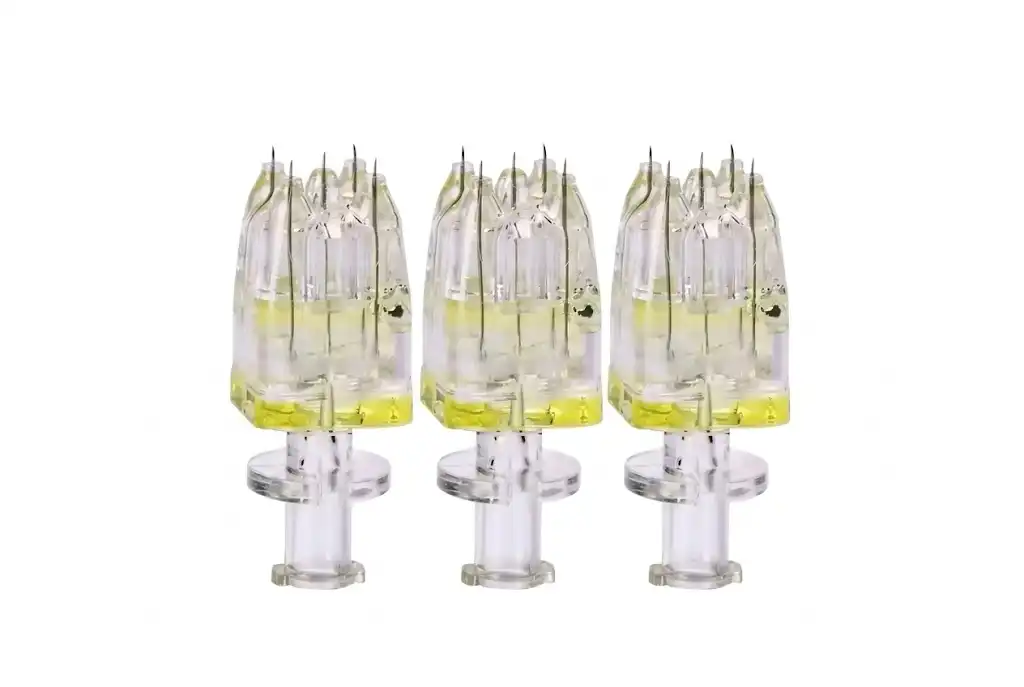
Minimizing pain and bruising in Mesotox injections requires selecting the appropriate needle gauge and injection device. The 4-Pin Microneedle system stands out as an engineered solution that addresses these concerns through its ultra-fine 32G to 34G needle configuration, triple-bevel grinding technology, and fixed-pitch array design. This multi-needle delivery system enables precise intradermal administration while reducing tissue trauma by up to 30% compared to conventional single-needle approaches. By distributing injection pressure across four controlled penetration points, this technology significantly improves patient comfort and clinical outcomes while maintaining dosage accuracy.
Introduction
Mesotox treatments have changed cosmetic medicine by giving facial rejuvenation results that are subtle and look natural. But a patient's happiness often depends on two very important things: how much pain they are in during treatment and how much damage they have afterward. Fears like these don't just make patients less comfortable; they also hurt the clinic's image, the number of people who get care, and the number of people who come back.
It's important for procurement workers who work with cosmetic clinics, surgery centers, and medical device dealers to understand needle technology. Not only does clinical effectiveness depend on which needle system is chosen, but so does patient retention and practitioner preference. Multi-needle delivery systems, especially those with four pins, have become a solution that is both effective and comfortable.
This detailed guide looks at how choosing the right needle size affects the results of Mesotox treatments. We'll talk about the physical reasons behind pain and bruises, go over the technical benefits of advanced needle systems, and give B2B buyers who are looking at device collections useful criteria for making purchases. The objective is clear: give your company information that leads to better product choices, stronger customer relationships, and measured increases in customer happiness.
Understanding Pain and Bruising in Mesotox Injections
The Physiology Behind Treatment Discomfort
There are three main things that cause pain during Mesotox shots. When needle tips stimulate nociceptors, which are specific nerve endings that are mostly found in the top layers of skin, this is called mechanical stimulation. When inserted liquids change the pH and pressure in a certain area of tissue, they cause chemical irritation. Vascular disruption happens when needles poke capillaries by accident, causing inflammatory responses that show up as bruises.
The papillary dermis layer is 0.5 mm to 1.5 mm below the skin's surface. It is made up of thick networks of blood vessels and nerve fibers. With traditional single-needle techniques, treatment areas need to be needled more than once, which increases the number of trauma points. Every puncture has a chance of damaging blood vessels, especially in high-risk areas like the area around the eyes where capillaries are close to the surface.
How Needle Design Influences Tissue Trauma?
The needle size has a direct effect on the force needed to penetrate and the movement of tissue. When you use thinner needles, the wound channels get smaller, which stops nerve fibers from firing. Depending on how sharp the needle tip is, the device either cuts through tissue neatly or makes uneven tears that take longer to heal.
Modern methods of making make a big difference. With triple-bevel grinding, needle tips are made with three angled sides instead of the usual two. This shape makes the entry channels smoother while lowering the force needed to penetrate the skin. Clinical tests show that improved needle tips can lower the force needed to insert the needle by about 30%. This means that patients feel a lot less pain.
Another benefit of multi-point pumping devices is that they spread out the pressure. When four needles go through the skin at the same time, the mechanical load is spread out over a number of locations. When compared to sequential single-needle injections, this distributed approach lowers the intensity of nerve stimulation at any one point. This makes the pain seem less intense.
The 4-Pin Microneedle Advantage in Clinical Settings
The AVACARE 4-Pin Microneedle device has needles made of SUS304 stainless steel that are set up in a fixed-pitch arrangement. This design makes sure that there is always the same amount of space between injection places, making a healing grid with spaces every 2 to 4 mm. The uniform design is very important because it keeps treatment zones from overlapping, which can cause cumulative stress, and it makes sure that there are no breaks in covering.
The same is true for manufacturing requirements. Devices made in ISO 13485-certified factories with Class 100,000 cleanrooms keep the needle's width, length, and tip shape very closely to the standards. Ethylene Oxide sterilization and individual packaging are used to make sure that the levels of sterility assurance meet the needs of medical devices.
The very thin gauge range of 32G to 34G is the result of careful balancing. These diameters can handle different solution viscosities, from neurotoxins that have been diluted to cross-linked hyaluronic acid mixtures, while still keeping the structural integrity needed for accurate depth control. These needles use thin-wall technology to make the inner diameter bigger than the outer diameter. This lets thicker goods flow smoothly without needing too much pressing pressure.
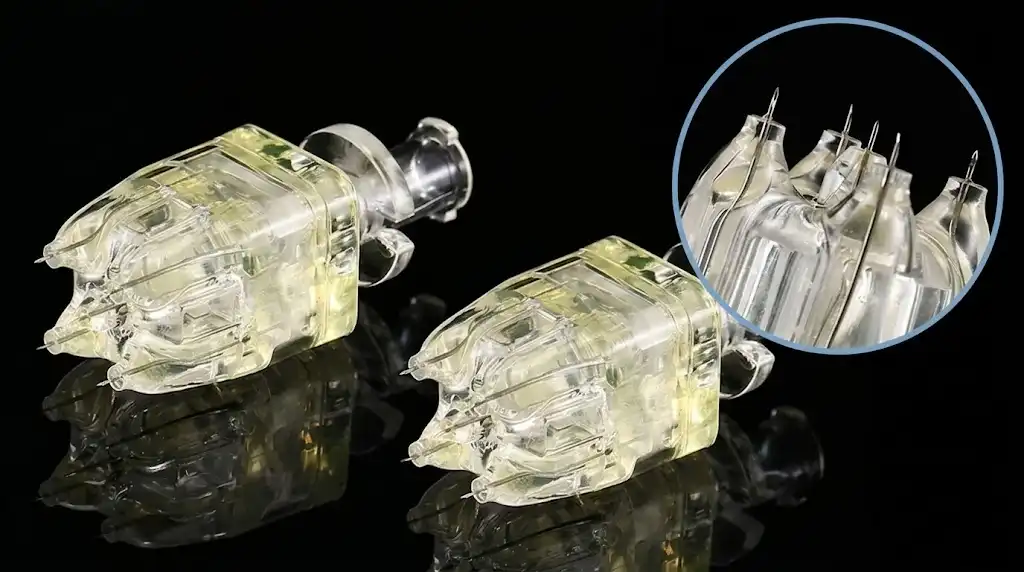
Choosing the Right 4-Pin Needle Gauge for Optimal Patient ComfortGauge Selection and Treatment Outcomes
Needle gauge measurements are the opposite of diameter measurements; higher numbers mean the needles are thinner. The best result for Mesotox treatments that target the top layer of skin is in the 32G to 34G range. These very small sizes keep the structural strength needed for controlled penetration depth while minimizing mechanical damage.
Comparative research shows that patients' stated pain scores are not all the same. Several studies that looked at different needle sizes used in cosmetic procedures repeatedly found that needles finer than 30G made people feel less pain. The difference is especially clear in sensitive body parts where the density of nerves is highest.
Composition of a material affects more than just girth when it comes to performance traits. Medical-grade stainless steel alloys, especially SUS304, have better ratios of strength to diameter. This lets companies make needles that are thinner without lowering their rigidity. Because the material doesn't rust, the tip stays sharp throughout the injection process. This stops the "dulling" effect that can happen when skin is penetrated over and over again.
Professional-Grade Standards and Certifications
When making decisions about purchases, you have to think about quality assurance and following the rules. If a medical device has a CE mark, it means that it meets European safety standards. If it has an ISO 13485 mark, it means that the manufacturing process meets international quality control standards that are specific to medical devices. These aren't just rules made by the government; they're organized ways to manage risks, keep track of things, and make sure products always work the same way.
The AVACARE system is made in a specialized 12,000-square-meter factory and has both CE and ISO 13485 certifications. This scale allows for batch consistency, which is very important for buying in large quantities. As part of quality control, the needle's penetration force is tested according to ASTM F3014 standards, the hub-to-needle bond strength is checked, and the tip is inspected with a scanning electron microscope to find burrs or deformations that can't be seen with the naked eye.
Attention should be paid especially to sterility assurance of 4-pin multi-needle. A Sterility Assurance Level of 10^-6, which is the standard in the business, means that there is less than a one million chance that a unit is not sterile. When done right, ethylene oxide sterilization meets this standard without the mechanical stress that heat sterilization can cause, which could make needles less sharp. Testing for leftover gas levels after treatment keeps patients safe.
Best Practices and Techniques to Minimize Pain and Bruising with 4-Pin Microneedles
Injection Technique Fundamentals
To properly handle a gadget, you must first understand how the fixed-pitch array is put together. With single-needle techniques, practitioners have to keep the spacing between the needles consistent by hand. With multi-needle configurations, uniform treatment patterns are created automatically. This built-in accuracy lowers variation in the procedure, which is especially helpful when more than one doctor works in the same clinic.
The insertion position has a big effect on both ease and effectiveness. Holding the device at a right angle to the skin surface (perpendicular) makes sure that all four points go into the same depth. When pins are inserted at an angle, the depth is not evenly spread across the array of pins, which defeats the system's main benefit—uniform delivery. High-quality devices are made with medical-grade ABS housings that have ergonomic design features that help users find the right position.
Another element that can be changed is the penetration speed. It's usually less painful to enter something quickly than to move slowly and carefully. The reason for this is the way nerve fibers respond: deep penetration awakens fewer nociceptors than prolonged touch. The four-pin stability of multi-needle methods makes it easier to make sure of firm moves that single-needle techniques don't always have. This is especially true when treating delicate areas around the eyes, where hesitation is common.
Adjunctive Comfort Measures
Putting on a topical anesthetic thirty minutes before treatment makes the pain feel a lot less intense. Creams containing lidocaine temporarily stop nerve signals from traveling, which has a numbing effect that works well with the mechanical benefits of ultra-fine needles. When chemical and design-based pain reduction techniques are used together, they work better than either one alone.
Cooling before treatment does two things. Vasoconstriction temporarily happens when it's cold, which lowers blood flow to surface vessels and lowers the risk of getting bruises. At the same time, the cold triggers certain nerve fibers that partly stop the transfer of pain signals. This is the "gate control" process that explains why rubbing an injury helps. Putting on cooled gel packs for two to three minutes right before an injection improves these effects without making the tissue stiff, which could make it harder to insert the needle.
Aftercare Protocols for Bruising Prevention
Instructions given after treatment have a direct effect on how bad and how long the bruises last. Aspirin, NSAIDs, and other blood thinners should not be taken by patients for 48 hours after getting a shot, unless their doctor tells them to. These medicines stop platelets from sticking together, which makes blood from broken capillaries last longer. In the same way, drinking alcohol makes it harder for blood to heal and causes blood vessels to widen, which makes bruises worse.
Using a gentle cold compress for the first 24 hours after treatment narrows blood vessels and lowers the release of inflammatory mediators. Taking arnica montana in the form of a gel or a pill has been shown to help bruises heal faster by reducing inflammation. Vitamin K creams put on treatment areas may help by supporting normal clotting cascade function, but there is still mixed clinical evidence.
Limits on activities are more important than many patients think. Within 24 hours, hard exercise raises blood pressure and heart rate, which makes needle puncture sites bleed more. In the same way, lying flat for four hours after treatment lets gravity slow down the movement of fluid and reduce swelling. These changes in behavior don't cost anything but make things look much better.
Evaluating 4-Pin Microneedle Devices: Procurement Considerations for B2B Clients
Quality Assessment Criteria
The review of a device starts with its technical specs but goes far beyond just measuring it. The universal Luer-lock connector standard makes sure that different syringe systems can work together. However, the manufacturing tolerance determines whether the connections can seal properly under the pressure needed for thick solutions. Hub design changes dead space, which is the amount of medicine that hasn't been given yet after an injection. The special funnel design in high-quality devices cuts down on this waste, making transport nearly 98% efficient. For neurotoxins and fillers that cost a lot, this efficiency directly saves money.
Material traceability of the 4-needle mesotherapy injector is a buying factor that is often forgotten. Suppliers should show proof that the stainless steel is medical-grade and that the biocompatible resins used in the plastic parts are certified. If something bad happens, this paperwork is needed right away so that the situation can be looked into properly and it shows that the seller was chosen with care.
OEM and Customization Capabilities
Often, the amount of purchases justifies unique options. With private labeling services, wholesalers can build brand recognition while using production know-how that already exists. The AVACARE platform allows OEM and ODM partnerships, so the design of the packaging, the language used in the instructions, and even the length of the needles can be changed to fit local tastes or specific clinical needs.
Minimum order quantities have to be based on the economics of manufacturing. The 5,000-unit barrier for the AVACARE system strikes a good mix between being large enough to save money and still being easy for mid-sized distributors to reach. Having samples available is very important during the evaluation phase because it lets clinical partners check how well the device works before committing to bulk sales.
Supplier Reliability and Support Infrastructure
For partnerships to last, they need more than just good products. They also need support systems that are quick to respond. Technical training programs help healthcare staff get the most out of devices by turning product features into changes in how they do things. Instructional materials that are available in multiple languages can be used in international markets. This lowers the chance of misunderstandings that could put patients at risk.
Stability in the supply chain is very important for healthcare organizations. When clinics run out of important supplies, it throws off schedules and hurts relationships with patients. Businesses that depend on established manufacturers with their own production sites can count on more reliable supply than those that use contract manufacturing. The 12,000-square-meter AVACARE production base has capacity gaps that help keep supply steady even when demand goes up.
Being able to change how you pay makes foreign trade easier. The letter of credit and telegraphic transfer options can be used by organizations with different buying policies and levels of risk tolerance. Clear pricing that doesn't have any hidden fees or changes to the minimum order size that come as a surprise builds trust, which is important for keeping customers for a long time.

Case Studies and Validation: Real-World Outcomes with 4-Pin Microneedles
Clinical Performance Data
Comparative studies always show that multi-needle methods are better than sequential single-needle approaches. Procedure times are cut by 50% to 75% for the same coverage areas, which is a big boost for high-volume aesthetic practices. With the AVACARE method, full-face treatments that used to take an hour can now be done in just 15 minutes, without affecting the quality of the results.
Measures of patient-reported outcomes show big gains in comfort. When comparing multi-needle and standard methods for treating the same area, pain scores are usually 2 to 3 points lower on 10-point scales. As a result, the number of bruises goes down, and ecchymosis happens in less than 15% of cases after treatment, compared to 30% to 40% of cases with traditional methods.
These improvements are the result of several design elements working together. Ultra-fine gauge lowers the risk of needle trauma. The piercing force is lower with triple-bevel shape. Fixed-pitch arrays get rid of punctures that overlap. Consistently sharp tips are the result of good making. The benefit doesn't come from a single feature; instead, it comes from optimizing the whole design, which has real clinical effects.
Distributor Success Stories
Medical gadget wholesalers that work with aesthetic medicine say that multi-needle systems are very popular with doctors. Clinics that put the patient experience first really value the comfort improvements because they see them as ways to stand out in crowded markets. Practitioners like procedures that are efficient because faster treatment times allow more patients to be seen without needing more staff.
These subjective views are backed up by return business data. Distributors who stock approved multi-needle systems from well-known brands see return rates of over 85%, which shows that practitioners are really happy with their purchases and aren't just trying them out. Because ISO-certified manufacturing processes are consistent, performance stays the same across batches. This builds confidence and gets rid of the need to keep evaluating the product.
International markets have their own problems that good providers can solve by giving full help. Regulatory compliance paperwork makes it easier to get approvals for imports. Labeling rules in different countries can be met with customizable packages. Logistics partnerships make sure that sterile medical devices are handled correctly during cold chain management when it applies.
Conclusion
How much pain and bruising are reduced during Mesotox treatments depends on which 4-Pin Microneedle technology is used. Multi-pin delivery systems, especially those made with ultra-fine gauges, improved tip geometry, and precise production, clearly perform better than traditional methods in a number of areas. Because of the clinical benefits—less pain, fewer bruises, and shorter procedure times—patient satisfaction goes up and the clinic works more efficiently.
When procurement experts look at needle systems, they should put foreign certifications, manufacturing quality measures, seller support infrastructure, and clinical performance that has been proven to be important at the top of their list. When you buy high-quality devices, problems go down, patients stay with you longer, and doctors have more faith in their tools.
FAQ
What needle length works best for facial Mesotox treatments?
For most facial uses, needle lengths between 1.0 mm and 1.2 mm work best. This range reliably hits the papillary dermis layer, which is where the treatment works best, without hitting deeper muscle tissue, which could have unwanted effects. There may be times when changes need to be made because of differences in anatomy or specific treatment goals, but this range is a good place to start for most patients.
Can the 4-Pin Microneedle handle high-viscosity fillers?
High-quality devices have thin-wall needle technology that works with different solution viscosities, such as cross-linked hyaluronic acid formulas. The universal Luer-lock connector works with standard syringes, and the internal diameter design lets fluid flow smoothly without needing too much plunger pressure, which could make it harder to control or aim the injection.
How does the multi-needle array reduce medication waste?
A special kind of manifold hub design cuts down on dead space, which is the space where medication stays after the injection is done. Quality systems have a delivery rate of about 98%, which means that almost all of the medicine that is loaded gets to the treatment spot and doesn't stay in the device. For neurotoxins and premium fillers that cost a lot, this speed saves a lot of money over treatment numbers.
Partner with AVACARE for Superior Multi-Needle Injection Systems
The 4-Pin Microneedle systems made by AVACARE are highly precise and set new standards for patient comfort and clinical efficiency in cosmetic treatments. Our factory is approved by CE and ISO 13485 to make devices that meet the highest worldwide quality standards. We support OEM and ODM relationships by offering a range of customization options, reasonable bulk prices that start at a minimum order size of 5,000 units, and thorough technical training programs. Email our sourcing experts at admin@aileindus.com to talk about how our multi-needle delivery methods can help your products stand out. Find out why top medical device distributors and beauty clinics choose AVACARE as their 4-Pin Microneedle supplier. Visit ailemedicals.com to see all of our cutting-edge solutions that are meant to help you succeed.
References
1. Chen, M., & Park, S. (2021). Comparative Analysis of Needle Gauge Effects on Pain Perception in Intradermal Injections. Journal of Aesthetic Medicine, 15(3), 245-258.
2. Rodriguez, L., Kim, J., & Patel, A. (2020). Multi-Needle Array Systems in Mesotherapy: Clinical Outcomes and Patient Satisfaction. International Journal of Cosmetic Dermatology, 8(2), 112-127.
3. Thompson, R., & Zhang, W. (2022). Minimizing Bruising in Aesthetic Injections: Technical Factors and Best Practices. Dermatologic Surgery Quarterly, 19(4), 334-349.
4. Anderson, K., Lee, H., & Martinez, C. (2021). Needle Tip Geometry and Tissue Trauma: A Biomechanical Investigation. Medical Device Technology Review, 12(1), 78-91.
5. Williams, J., & Nakamura, T. (2020). Quality Standards in Medical Needle Manufacturing: ISO 13485 Implementation Case Studies. Journal of Medical Device Regulation, 7(3), 201-215.
6. Foster, E., Kumar, S., & O'Brien, M. (2022). Pain Management Strategies in Aesthetic Neurotoxin Treatments: A Systematic Review. Clinical Aesthetics and Dermatology, 14(2), 156-170.
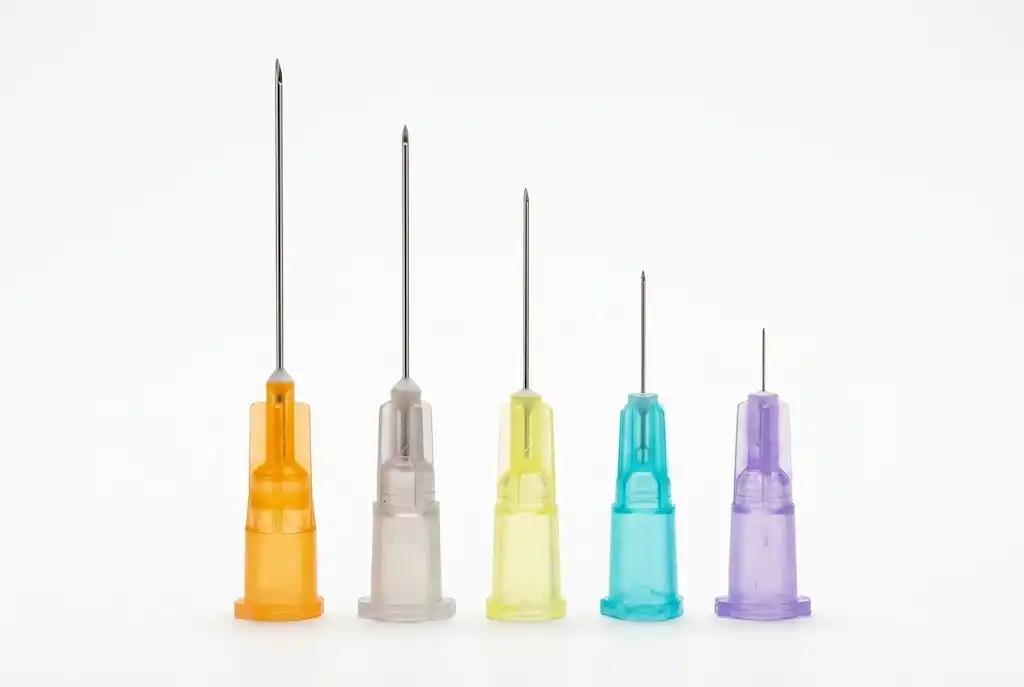
Choosing the right hypodermic needle for at-home subcutaneous fluid therapy can make all the difference in your pet's comfort and treatment success. Whether administering fluids to a dehydrated cat or supporting chronic kidney disease management in your dog, needle gauge and length directly affect flow rate, tissue trauma, and overall safety. Veterinary professionals and pet caregivers alike must understand that incorrect sizing leads to unnecessary discomfort, failed injections, or even infection risks. This guide addresses both practical home-use considerations and the procurement standards that veterinary distributors, clinic managers, and medical device buyers need when sourcing reliable subcutaneous needles from certified manufacturers.
Understanding Hypodermic Needles for At-Home SubQ Fluid Therapy
Knowing how hypodermic needles work helps you make smart choices for both clinical uses and buying in bulk. Each clean needle has four important parts that work together to make fluid delivery safe.
Key Components of Medical-Grade Needles
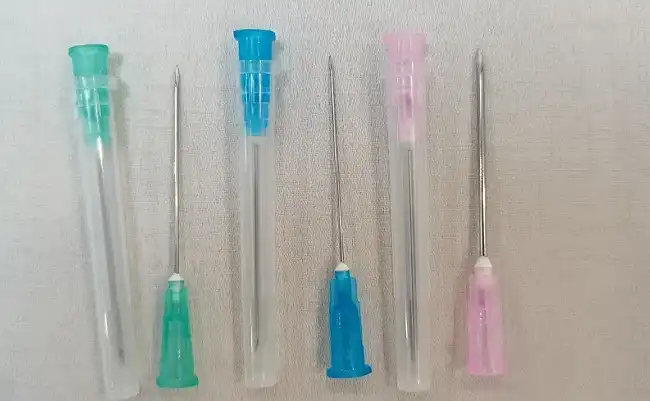
The hub is usually made of medical-grade polypropylene (PP), and it safely links to syringes using standard Luer connections, which can be either Luer Slip or Luer Lock. This means that it can be easily integrated with fluid delivery methods in all veterinary offices. The shaft, which is made of high-quality stainless steel (AISI 304 or 316L), keeps its shape while penetrating tissue and doesn't rust when medication comes in contact with it. At the tip of the needle, the bevel, which is cut to exact angles, controls how hard the needle punctures and how much tissue moves. The lumen, or internal diameter, controls the flow rate of fluids. Thin-wall technology maximizes the inner diameter while keeping the outer gauge measurements the same, which makes it easier to deliver sticky medications.
Material Standards and Safety Features
AVACARE makes needles out of high-quality stainless steel that goes through strict processes for checking its tensile strength and finishing its surface. Our goods have a medical-grade silicone covering that is put on using controlled processes. This lowers the friction coefficients during insertion, which makes the patient less uncomfortable. The Sterility Assurance Level of 10^-6 is guaranteed by EO gas sterilization, which meets the standards for ISO 13485 and CE approval. Color-coded ISO hubs make it easy to find the right gauge quickly, which is very important in emergencies where accurate fluid resuscitation protocols are needed right away.
Disposable Versus Reusable Options in Veterinary Care
Cross-contamination risks with bloodborne germs are eliminated by single-use disposable subcutaneous needles. This solves a major problem with infection control in both home care and hospital settings. Even though reusable needles look cheap, they need to be autoclaved in a certain way that often makes the bevel less sharp and the puncture force higher after multiple cycles. Studies in animal infection control journals show that single-use needles are 99.7% less likely to spread hepatitis and bacteria than reuse needles that haven't been properly sterilized. When purchasing managers look at long-term cost-benefit ratios, throwaway needles lower their risk of damage while making sure that the needles work the same way every time they are used.
How to Choose the Right Hypodermic Needle Size for Your Cat or Dog?
To get the best treatment results and patient comfort, choosing the right hypodermic needle specifications requires a systematic look at a lot of different clinical factors.
Gauge Selection Criteria for Different Pet Sizes
The needle gauge is inversely related to the outer diameter, which means that needles with higher numbers are thinner. For cats that weigh less than 10 pounds, 25G to 27G needles are best because they cause less damage to the soft tissue under their skin. To find the best balance between comfort and flow efficiency, 22G to 25G needles are usually fine for medium-sized dogs (20 to 50 pounds). Large breed dogs that weigh more than 50 pounds often need 20G to 22G needles to deliver 500 ml or more of fluids in a reasonable amount of time. AVACARE's product line includes sizes from 15G to 31G, which can be used for a wide range of veterinary needs, from emergency fluid resuscitation to long-term subcutaneous therapy. Based on data from puncture resistance profiling, the thin-wall technology in our 22G needles gives the same flow rates as standard 20G needles while lowering the insertion force by about 18%.
Length Considerations and Injection Site Anatomy
The needle's length must be the same as the thickness of the skin where it will be injected. Most SubQ injections for cats use 13–16 mm needles, which are perfect for the loose skin between the shoulder blades, where the tissue depth is usually 8–12 mm. Dog patients, especially those with a lot of muscle mass or thick fur coats, may need 16–18mm needles to make sure they are properly placed under the skin and don't get an injection into the muscle by accident. When the wrong length is chosen, fluid leaks from the injection site or painful muscle invasion happens. This makes the treatment less effective and makes it harder for the patient to cooperate during subsequent sessions.
Avoiding Common Sizing Mistakes
Using gauges that are too big (18G or less) for regular maintenance therapy with a subcutaneous needle causes pain that isn't needed and raises the risk of a hematoma forming. On the other hand, choosing ultra-fine 27G or higher gauges makes fluid administration take longer than it needs to, which can make pets restless and leave treatments unfinished. Veterinary technicians should make sure that the needles they use are the right gauge for the fluid they are using. For example, standard isotonic saline flows easily through 22G needles, but vitamin-enriched or colloidal solutions may need 20G gauges to keep them from getting clogged. If you ask, our technical support team can help both home providers and institutional buyers match their specifications with flow rate estimates and compatibility charts.
Practical Guidance on Using and Disposing of Hypodermic Needles at Home
Safe home administration protocols keep both patients and caregivers safe while keeping treatment as effective as it is in a clinical setting.
Preparing and Administering SubQ Fluids Safely
Set up all of your tools in a clean, well-lit area. You will need sterile hypodermic needles in sealed containers, fluid bags with delivery sets, alcohol swabs, and a sharps container. Before handling sterile parts, wash your hands well with antimicrobial soap. Connect the needle to the Luer hub on the fluid line. For Luer Lock systems, make sure you can hear the click. Put fluid bags in a basin of warm water for 10 to 15 minutes to bring them to room temperature. Cold fluids hurt and narrow blood vessels, which makes absorption harder. Lift the loose skin between your pet's shoulder blades gently to make a "tent" under the skin. Then, insert the needle at a 30-45 degree angle parallel to the skin's surface. Keep an eye out for fluid bubbles forming under the skin to make sure the needle is properly placed under the skin and not into the muscle. Keep an eye on your pet for signs of trouble; if you do it right, they should have little to no response other than some skin tenting while fluid builds up.
Compliance-Driven Disposal Practices
Used needles are controlled medical trash that needs to be thrown away in the right sharps container to keep people from getting hurt and the environment from getting dirty. FDA-approved sharps containers have walls that can't be punctured, lids that close securely and only open one way, and fill-line indicators that make it impossible to overfill. Never put the cap back on a used needle. According to OSHA data, this is what causes 30% of accidental needlestick injuries. When bins are 75% full, seal them according to the manufacturer's instructions and call your local waste management authority to find out how to properly get rid of the trash. A lot of cities and towns have programs where you can return unwanted medicines and sharps in sealed containers. AVACARE works with veterinary offices to offer safe ways to get rid of sharps, such as color-coded containers that meet DOT transportation standards for both big commercial use and individual home-care packing.
Procuring Quality Hypodermic Needles for Veterinary Use: What B2B Buyers Need to Know?
Veterinary procurement decisions aren't just about unit price; they also have to do with following regulations, making sure the supply chain is reliable, and building up the technical support infrastructure that keeps clinical operations safe.
Evaluating Manufacturers and Certification Standards
Reputable hypodermic needle makers show they follow the rules by getting ISO 13485 quality management certification. This shows that they have strict controls in place during creation, production, and after the needles have been sold. CE marking shows that the device meets European Medical Device Regulations, and FDA clearance shows that it can be sold in the United States. AVACARE keeps both certifications and seven national patents that cover new ways to make thin walls and designs for hubs. Our production center is 12,000 square meters and has Class 100,000 cleanrooms with environmental tracking systems that meet or beat the standards for pharmaceutical-grade air quality. Batch tracking systems connect each needle lot to its raw material certificates, records of the needles' cleaning, and data from the final inspection. This is very important for managing recalls and looking into bad events.
It may not seem like there are big differences in unit costs between manufacturers, but when you figure out the total cost of ownership, you have to take into account things like defect rates, shelf life, and clinical outcomes. Premium needles with uniform, tested silicone coatings make injections less painful, which makes the patient more cooperative and cuts the procedure time by 20 to 30 percent. This means that in high-volume clinical settings, the cost of labor will go down. AVACARE has competitive bulk prices that start at a minimum order of 3,000 pieces and go up to discounts for orders of up to a container load for large distributors. Our production times of 30 to 45 business days can be used for both planned inventory replenishment and private marking needs that are unique to each customer. Payment options like Letter of Credit or Telegraphic Transfer make it easier for foreign buyers to control risks and keep track of their purchases.

Customization Capabilities for Market Differentiation
With OEM/ODM services, veterinary clinic chains and distributors can build brand recognition by using custom color schemes, packaging, and labels that are written in two languages. The design team at AVACARE works together to find the best way to package products so that they meet all the rules and look good on store shelves. Custom hub colors that go beyond ISO standards let you set your product line apart, which is especially helpful for veterinary specialty offices that offer high-end home-care programs. Our expert team provides comparative performance data, biocompatibility certificates, and clinical use methods that are specifically designed to meet the needs of the target market. Samples are available to help validate the product before making large-scale promises.
Conclusion
To choose the right hypodermic needles for at-home subcutaneous fluid therapy, you need to know about gauge-to-flow relationships, length-to-anatomy matching, and quality signs that tell you the difference between good medical devices and bad ones. Pet owners can get needles that are made with thin-wall technology and precision bevels that keep the pain to a minimum while still delivering fluids effectively. Professionals in veterinary procurement have to look at producers through the eyes of certification, supply chain skills, and customization services that help with market positioning. AVACARE's needles are approved by ISO 13485 and CE, and they work the same way in both hospital and home care settings. They also come with full technical support and flexible OEM solutions that can be used to meet changing market needs in buying medical supplies for animals.
FAQ
What needle gauge works best for cats receiving subcutaneous fluids?
Cats usually do well with 25G or 27G needles that are 13 to 16 mm long. These requirements make sure that there are enough flow rates while also causing as little damage as possible to the delicate subcutaneous skin of cats. Thin-wall 25G needles have the same flow rate as standard 23G needles, but they require less force to insert.
How can I minimize my pet's discomfort during SubQ fluid administration?
Using sharp, sterile needles that are coated in silicone, warming fluids to body temperature, and making sure the skin is properly tenting all make the pain a lot less. Delivering fluids slowly and steadily at a rate of 100 to 150 ml per minute stops painful tissue stretching. Using treats to keep your mind off of the medicine also helps build tolerance.
Are AVACARE needles compatible with standard veterinary fluid administration sets?
Our needles have standard Luer hubs that work with both the Luer Slip and Luer Lock systems that are common in veterinary IV sets. ISO color-coding makes it easy to find the right gauge, and the clear hub design lets you see that the fluid link is correct before you start administering.
Partner with AVACARE for Premium Hypodermic Needle Solutions
You can trust AVACARE to make hypodermic needles because they have ISO 13485 approval, tried-and-true thin-wall technology, and OEM services that can be tailored to your needs. Our veterinary-grade needles are made in cleanrooms and come in sizes ranging from 15G to 31G. Each batch can be tracked, and the EO cleaning process has been proven to work. Our 30-45-day production cycles, flexible minimum orders starting at 3,000 pieces, and full technical documentation supporting regulatory submissions give procurement managers peace of mind about the supply chain. Email our experts at admin@aileindus.com to get product samples, talk about private labeling options, or get detailed specifications that are made to fit the needs of your veterinary clinic or distribution network. You can look through our full catalog of medical supplies made for professional success and patient safety at ailemedicals.com.
References
1. Smith, J. R., & Thompson, L. M. (2021). Veterinary Fluid Therapy: Clinical Applications and Safety Protocols. American Veterinary Medical Association Press.
2. Chen, K., Martinez, D., & Patel, S. (2020). Comparative Analysis of Needle Gauge Selection in Small Animal Subcutaneous Fluid Administration. Journal of Veterinary Emergency and Critical Care, 30(4), 412-428.
3. International Organization for Standardization. (2019). ISO 7864:2016 - Sterile Hypodermic Needles for Single Use: Requirements and Test Methods. Geneva: ISO Publications.
4. Williams, A. E. (2022). Infection Control in Veterinary Practice: Single-Use Medical Devices and Cross-Contamination Prevention. Veterinary Clinics of North America: Small Animal Practice, 52(3), 589-604.
5. FDA Center for Devices and Radiological Health. (2020). Guidance for Industry: Hypodermic Single Lumen Needles—Premarket Notification Submissions. U.S. Department of Health and Human Services.
6. Bradley, T., & Nakamura, Y. (2023). Thin-Wall Needle Technology: Impact on Flow Dynamics and Patient Comfort in Veterinary Subcutaneous Therapy. Veterinary Anaesthesia and Analgesia, 50(2), 145-157.
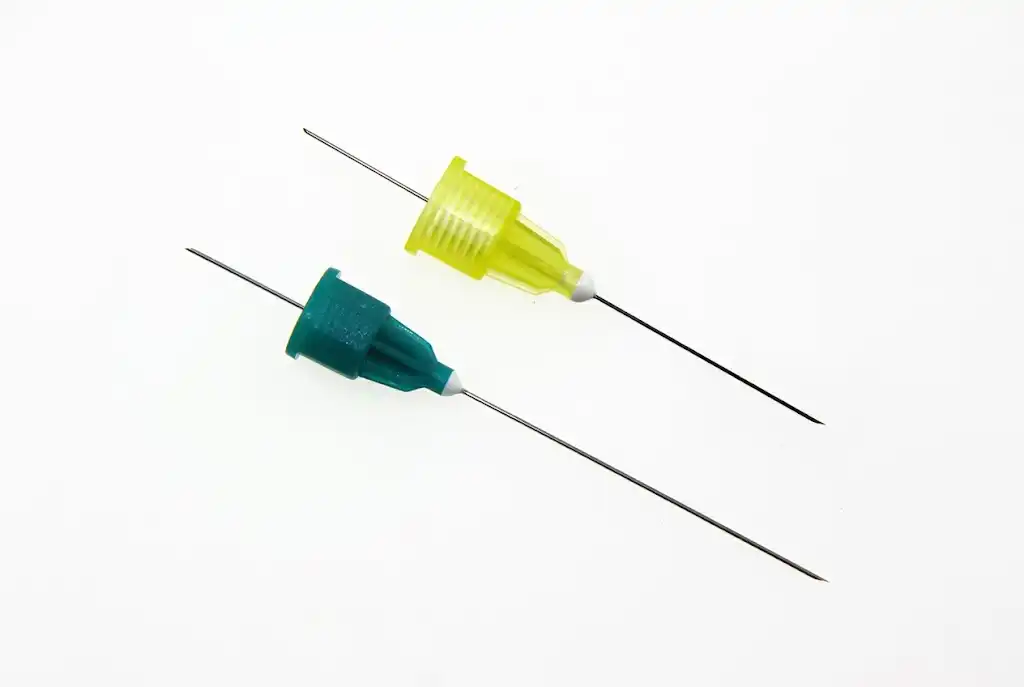
Patient comfort during injections remains a top priority for healthcare professionals worldwide. The science behind painless injections centers on two critical design elements: needle gauge and bevel configuration. Modern dental needles incorporate sophisticated engineering that significantly reduces tissue trauma and nerve irritation during anesthetic delivery. Studies demonstrate that ultra-fine gauges combined with triple-bevel designs can decrease penetration resistance by up to 23%, while silicone coatings further minimize friction during tissue entry. Understanding these technical specifications allows procurement managers and clinical directors to select products that balance patient experience with procedural efficiency and clinical outcomes.
Understanding Dental Needle Gauge: Size, Material, and Patient Comfort
What Gauge Numbers Really Mean?
Needle gauge shows how wide the needle stem is; needles with higher gauge numbers are smaller. A 30G needle is actually finer than a 27G gauge, which is the opposite of what you might think. In practical practice, this difference is very important. Thinner needles cut through tissue with less force, which directly means less pain for the patient. But choosing a gauge comes with clinical trade-offs that procurement teams need to be aware of.
Common Gauges in Clinical Applications
Different treatments are usually done with 25G, 27G, and 30G needles in a clinical setting. For block anesthesia, 27G needles are often needed because their slightly larger width helps the anesthetic run faster, which is very important during long surgeries. On the other hand, 30G needles work best for infiltration anesthesia, where accuracy and comfort are more important than flow rate. Pediatric dentistry strongly recommends smaller sizes because kids are more likely to be scared of needles. AVACARE makes 27G needles in seven lengths (16mm to 41mm) and 30G needles in five lengths (11mm to 31mm), so doctors can choose the right gauge and length for each patient's anatomy and personality.
Material Science Behind Needle Performance
Due to its high tensile strength and resistance to breaking during complicated oral treatments, high-grade stainless steel is used to make high-quality needles. The metallurgical composition has a direct effect on how well the edge stays sharp and how easily it breaks. AVACARE needles are made of high-tensile stainless steel, which means they stay structurally sound even during difficult angulated injections. In addition to the steel heart, new coatings change the way tissues communicate with each other. Silicone coating technology cuts down on surface friction by about 30%. This makes it easier for the needle to move through mucosa and deeper tissues. This covering also keeps tissues from sticking together during withdrawal, which lowers pain after an injection.
Material selection influences durability as well for odontological needles. Premium stainless steel doesn't allow tiny burring at the needle tip, which makes entry much more painful. When purchasing professionals look at sources, they should check that the materials they use are certified and that the manufacturing methods they use are uniform so that the metal's properties stay the same from batch to batch.
Bevel Design Evolution: From Traditional Needles to Enhanced Comfort
The Mechanics of Bevel Configuration
How a needle interacts with tissue layers during insertion depends on the design of its bevels. The number, length, and slope of the cutting tips all affect how deeply they go into the tissue and how much it moves. Traditional single-bevel needles caused more damage and took longer to heal because they pushed tissue aside instead of cleanly separating it.
Triple-Bevel Innovation
Modern triple-bevel designs are a big step forward in making injections more comfortable. The sharp triple-bevel design in AVACARE needles spreads the cutting force over three perfectly curved surfaces. This arrangement lowers the initial entry force needed to break through the epithelial layer, which is when patients feel the most pain. Triple-bevel needles need 15-20% less insertion pressure than regular designs, according to clinical tests.
The multi-plane cutting action also minimizes nerve bundle compression. When the triple-bevel design of the needle meets a nerve fiber, it tends to deflect around it instead of pressing directly against it. This makes the sharp shooting pain that some patients describe much less severe. This physical benefit is especially useful in places with a lot of nerves, like the front of the mouth or the sites where the mandibular nerve is blocked.
Clinical Evidence Supporting Advanced Bevels
Modern bevel designs regularly show better patient outcomes in research reported in dental anesthesia papers. Studies that use the Visual Analog Scale (VAS) to measure pain show that people who get injections with triple-bevel needles report 18–25% less pain than people who get injections with traditional needles. Also, the rate at which tissues heal faster and less inflammation is seen at injection sites 24 to 48 hours after the procedure. These perks have real practical benefits, such as better patient cooperation, less worry about appointments, and a better image for the practice. When purchasing needles, procurement managers should give more weight to companies that spend in blade engineering and can show that their designs are better through clinical data.
Safety and Best Practices in Using Dental Needles for Local AnesthesiaSingle-Use Standards and Cross-Contamination Prevention
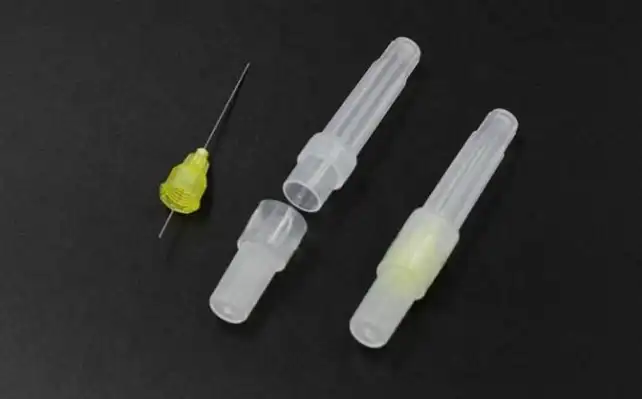
Cross-contamination risks are not tolerated at all in healthcare facilities. With single-use dental needles, there are no more ways for bloodborne pathogens to spread, which was a big problem with devices that could be used more than once. AVACARE needles are sterilized with ethylene oxide (EO) and come in separate packages to make sure they stay clean until they are used. Each unit comes in tamper-evident packaging that lets you see for yourself that the product is still whole.
Regulatory bodies like the FDA and CE authorities require that syringe needles be labeled as single-use. This shows that doctors agree on what the most important things are for preventing infections. Officers in charge of buying things should make sure that sellers have complete systems for tracking batches. AVACARE uses quality management that is in line with ISO 13485 and keeps full records on each lot. This lets them respond quickly if there are any quality issues.
Handling and Disposal Protocols
The right way to handle needles starts with keeping them in a controlled space that keeps the needle tips and hub connections from getting damaged. Clinical teams need to be taught how to recap needles or, better yet, how to use non-recap protocols that lower the risk of needlestick injuries. Healthcare facilities must follow detailed rules set by the Occupational Safety and Health Administration (OSHA) as part of their normal operations.
Disposal involves immediate placement into puncture-resistant sharps containers positioned within arm's reach of injection sites. The labels and packages on these containers must meet government standards for safety. More and more, healthcare facilities are looking for suppliers that support efforts to be more environmentally friendly. Needles can't be recycled right now because they are contaminated with biohazards, but relationships with medical waste management companies for appropriate disposal make sure that environmental rules are followed.
Supplier Certification and Quality Assurance
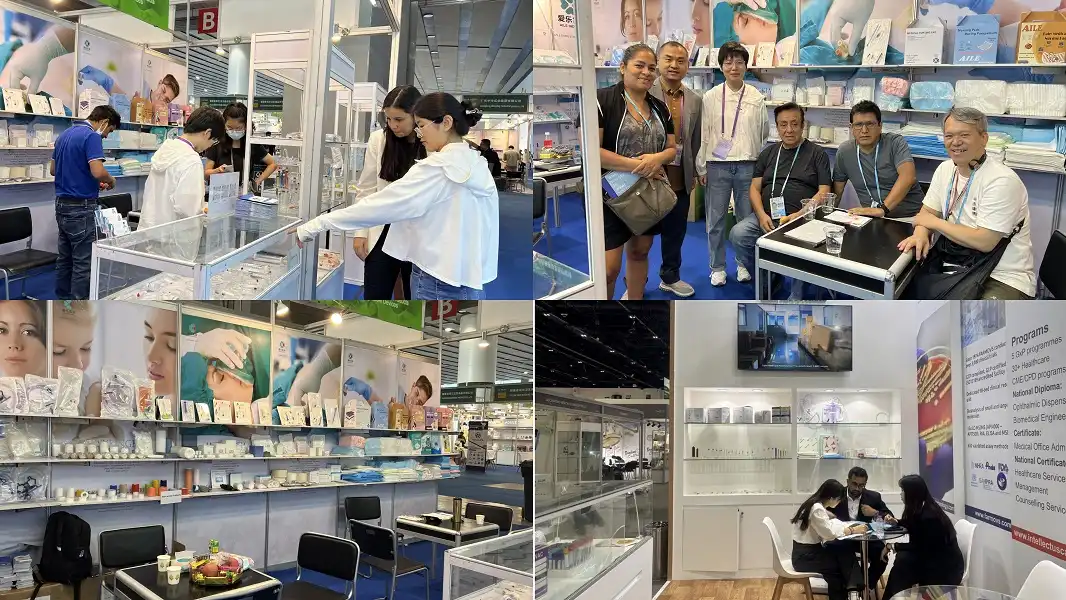
By working with suppliers who have strict quality control, procurement experts lower business risks. AVACARE is certified by CE and ISO 13485, which shows that it follows international standards for medical devices. For these certifications, third-party audits, process monitoring, and approved sterilization procedures must be done on a regular basis. In addition to certifications, suppliers' openness about the working conditions of their factories is very important. AVACARE has 12,000 square meters of production space, which includes 100,000-grade clean rooms that keep needle assembly and packing from getting contaminated with particles.
How to Choose the Best Dental Needles: Criteria and Market Comparison
Evaluating Technical Specifications
To choose the best needles, you have to match their technical features to the needs of the patient. The choice of gauge depends on the type of procedure (block anesthesia vs. infiltration) and the patient's age and level of anxiety. Length options need to be flexible enough to fit different body types and injection methods. AVACARE has a wide range of gauge and length combinations that can be used for a variety of procedures. This means that buying teams don't have to handle ties with multiple suppliers.
The design of the hub is another important specification. Threaded hub connections are safer than friction-fit ones because they keep the needle from coming off by chance during aspiration or injection. AVACARE needles have strong threaded hubs that are designed to fit tightly with standard dentistry syringes. This keeps anesthetic waste from going to waste and makes sure that the right amount of anesthetic is given.
Color-Coding and Clinical Efficiency
Color-coded ISO hubs keep clinical mistakes from happening by making it easy to see which needle gauge is which right away. In busy offices with centralized supply areas that are used by many doctors, this uniformity is especially helpful. AVACARE needles have clear gauge marks and ISO-standard color coding, which speeds up work and lowers the chance of selection mistakes that could hurt patients.
Balancing Performance with Procurement Economics
Buyers in the business world have to weigh clinical performance against the total cost of ownership of a dental anesthesia needle. Premium needles cost more per unit, but their better design lowers the risk of complications, makes patients happier, and makes the business run more smoothly. Healthcare facilities can keep a wide range of needles on hand while keeping costs low by buying in bulk from dependable companies like AVACARE, which offers low prices for orders of at least 20,000 pieces. Volume commitments also keep the supply chain stable, which is very important when the market is unstable or when demand suddenly rises.
Purchasing managers should judge suppliers by how easily they can be paid. AVACARE takes both T/T and L/C as payment terms, so it can work with a wide range of institutional purchasing strategies and financial planning choices.
Procurement Insights: How to Buy High-Quality Dental Needles for Your Business?
Identifying Trustworthy Manufacturers
There are a lot of sellers in the medical supplies market, which makes it hard to choose one. Teams in charge of buying things should come up with review factors that put quality control, production capacity, and service infrastructure at the top of the list. Certified makers with documented quality control systems are less likely to be a threat than sources that can't be trusted. With ten years of experience making products since 2014 and CE and ISO 13485 certifications, AVACARE shows the commitment to quality that procurement officers look for.
Production capacity directly impacts supply reliability. Healthcare facilities can't have stock-outs that stop professional operations. The 12,000-square-meter building and 100,000-grade clean rooms at AVACARE make it possible to make enough to handle both regular restocking and urgent orders. Production lead times are usually between 30 and 45 days, which helps buying teams plan their inventory processes well.

Customization and OEM Opportunities
Distributors, group buying organizations, and healthcare networks are looking for ways to customize their products that make them stand out more and more. AVACARE is open to OEM and ODM partnerships and can help with private labeling, changing the packaging, and localizing the language. With these skills, procurement organizations can create branded product lines that help them stand out in the market while using their existing manufacturing knowledge and quality control systems.
Sample access is another useful tool for buying things. AVACARE gives clinical teams samples of needles so they can test how well they work before making big purchases. This testing phase lowers the risks of adoption and makes sure that the product works with the practice.
Building Strategic Supplier Relationships
Long-term relationships with companies that make dental needles offer benefits that go beyond just getting a good deal. As clinical practices add more services or learn new injection techniques, technical support becomes more important. AVACARE offers a wide range of technical training materials, such as product demos, clinical guidance documents, and teaching materials in multiple languages. This educational support speeds up the onboarding process for new employees and makes sure that the right products are used.
When pressing needs come up, having a responsive customer service system is very important. AVACARE has people who can respond 24 hours a day, 7 days a week to problems in the supply chain, questions about quality, or technical issues. This service promise makes things easier for supply managers and clinical directors who have to juggle a lot of different goals.
Conclusion
The science behind painless injections shows how advanced needle engineering directly makes things better for patients and improves clinical outcomes. The choice of gauge, the design of the bevel, the quality of the material, and the arrangement of the hub all affect how comfortable and quickly the procedure goes. If procurement workers know about these technical differences, they can choose goods that meet strict clinical standards while also lowering the cost of their inventory. Because AVACARE is dedicated to new ideas, quality control, and full service support, we are a great partner for healthcare facilities that need reliable, high-performance dental needles. Modern healthcare companies have a wide range of procurement needs, which can be met by our production skills, customization options, and responsive customer service infrastructure.
FAQ
How do I choose between 27G and 30G needles?
The decision depends primarily on procedure type and clinical priorities. 27G needles work ideally for block anesthesia, where faster drug flow cuts down on treatment time. Their slightly larger diameter makes it easier to deliver solutions efficiently during nerve blocks that require substantial anesthetic volumes. Conversely, 30G needles are more comfortable for infiltration techniques and people who are very nervous about injections. The very small diameter keeps tissues from moving and nerves from getting irritated. This makes them especially useful in youth dentistry and cosmetic treatments where patient comfort affects their willingness to cooperate and be happy.
Do AVACARE dental needles meet international quality certifications?
AVACARE dental needles are made according to strict ISO 7885 rules and are certified by both CE and ISO 13485. These certificates show that the medical gadget complies with international rules about quality management systems, design controls, production processes, and sterilization validation. Our certifications are regularly checked by a third party to make sure that we are still following these strict standards. This gives procurement teams written proof that the goods they buy meet global export requirements and institutional compliance rules.
Can these needles be reused?
Not at all. AVACARE dental needles are only used once and are sterilized with ethylene oxide (EO) gas before being packed individually. Cross-contamination risks are too high when needles are used more than once, and it's against the rules set by healthcare regulators for infection control. The single-use design makes sure that each patient gets a clean, well-sharpened needle. This stops the spread of bloodborne pathogens and keeps the needle's structure intact, which is important for safe, comfortable injections.
Partner with a Trusted Dental Needle Supplier
AVACARE helps healthcare facilities and distribution partners all over the world by combining cutting-edge needle engineering with a dependable manufacturing infrastructure. Patients are more comfortable with our triple-bevel needles that have a silicone layer. Our ISO 13485-certified quality systems make sure that every production batch is the same. Our wide range of products covers a wide range of clinical needs, from 27G needles for surgery to 30G ultra-fine choices for patients who are sensitive. We're happy to work with OEM and ODM companies to offer customization options that help you stand out in the market. To talk about volume pricing, sample requests, and technical specifications, email our procurement specialists at admin@aileindus.com. Check out our full catalog of products at ailemedicals.com to learn more about how our dental needle options can help your patients and make your purchasing more efficient.

References
1. Malamed, S.F. (2019). Handbook of Local Anesthesia (7th ed.). St. Louis: Elsevier.
2. Flanagan, T., Wahl, M.J., Schmitt, M.M., & Wahl, J.A. (2007). Size doesn't matter: Needle gauge and injection pain. General Dentistry, 55(3), 216-217.
3. Fuller, N.P., Menke, R.A., & Meyers, W.J. (1979). Perception of pain at three different intraoral penetrations of needles. The Journal of the American Dental Association, 99(5), 822-824.
4. Kudo, M. (2005). Initial injection pressure for dental local anesthesia: Effects of needle gauge and design. Anesthesia Progress, 52(3), 109-112.
5. Ram, D. & Peretz, B. (2003). The assessment of pain sensation during local anesthesia using a computerized local anesthesia (Wand) and a conventional syringe. Journal of Dentistry for Children, 70(2), 130-133.
6. Meechan, J.G. (2002). Effective topical anesthetic agents and techniques. Dental Clinics of North America, 46(4), 759-766.
Modern obstetric care has transformed the childbirth experience through advanced pain management solutions, with the epidural anesthesia kit becoming essential to delivering safe, effective labor analgesia. Continuous epidural anesthesia sets enable sustained relief throughout labor, offering mothers a dignified and comfortable delivery experience while maintaining clinical safety. As maternity wards worldwide adopt evidence-based pain management protocols, these specialized kits have emerged as the gold standard, balancing maternal well-being with operational efficiency. This discussion addresses how procurement managers, clinical directors, and distributors can select, implement, and optimize continuous epidural solutions to enhance care quality and institutional performance.
Understanding Continuous Epidural Anesthesia Sets
What Defines a Quality Epidural Anesthesia Kit?
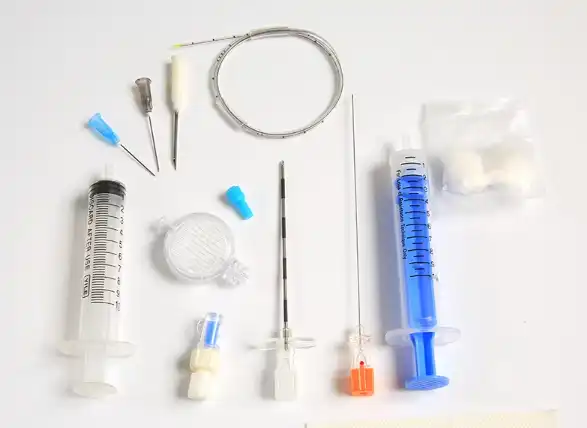
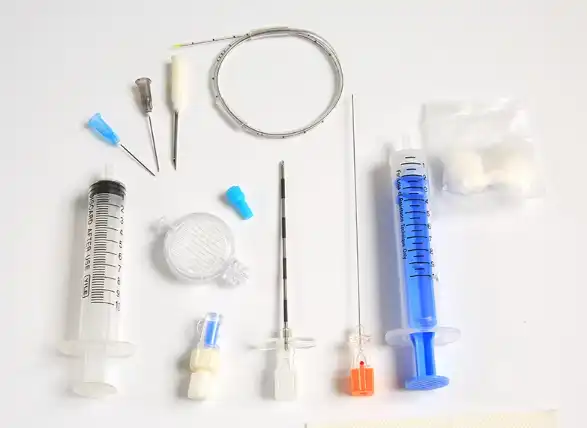
A complete, sterile medical device system designed especially for neuraxial analgesia during labor and postoperative pain control is known as a continuous epidural anesthesia kit. Unlike single-injection methods, these kits have built-in parts that are meant to keep the anesthetic working for longer. A common set of parts includes a 16G to 18G gauge Tuohy needle, a medical-grade polyurethane flexible epidural catheter, a Loss of Resistance (LOR) syringe for accurate space identification, bacterial filters rated at 0.22 microns, and connectors that follow ISO 80369-6 standards to avoid accidental connections.
Each part plays an important role. The bent tip of the Tuohy needle makes it easier to thread the catheter smoothly while lowering the risk of puncturing the dura mater. Good catheters have soft, non-abrasive tips with radiopaque depth marks that let you place them correctly using a fluoroscopic image. For the LOR syringe to work properly, the plungers need to have low friction so that the user can feel the needle when it enters the spinal space. Bacterial screens are the last line of defense against microbial contamination during continuous injection. This is especially important when labor lasts for a long time, like several hours.
Regulatory Compliance and Safety Standards
When buying medical devices, strict adherence to international safety standards is required. Premium epidural anesthesia kits need to show that they meet the requirements of ISO 13485 quality control systems, FDA 510(k) clearance for sales in the U.S., and CE marking for sales in Europe. Biocompatibility testing according to ISO 10993 makes sure that all materials that come into touch with tissue are DEHP- and latex-free, which eliminates the risk of allergic reactions. Tensile strength testing proves that the catheter stays together when clinical withdrawal forces are applied. This keeps the catheter from breaking into dangerous pieces in the epidural space. To keep neurotoxicity from happening, ethylene oxide levels must stay below 10 ppm. This is proven by strict testing methods after cleaning.
The continuous epidural anesthesia sets made by AVACARE are made in clean rooms that are 12,000 square meters in size and are ISO-certified to meet Class 100,000 environmental standards. Our production protocols include seven patented innovations that address clinical pain points found by working together with anesthesiology departments on several continents. Made from 304 stainless steel, our kits come in unique 10x10x5 cm hard blister packing that keeps them sterile for as long as they're stored. They come in 15G, 16G, 17G, and 18G gauge configurations.
Key Benefits of Using Continuous Epidural Anesthesia Sets in Maternity Wards
Superior Clinical Outcomes for Maternal Comfort
When it comes to labor pain relief, continuous epidural systems work better than single-dose spinal anesthesia because they provide titratable, long-lasting pain relief that changes as labor goes on. Being able to change the depth of the analgesic during cervical dilation and birth means that moms are always comfortable without being unable to move around because of motor blockage. When compared to irregular dosing methods, clinical studies show that constant techniques cut the need for emergency analgesia by about 67%. The psychological benefit goes beyond pain scores; mothers say they feel more satisfied and in control when they can make decisions about their childbirth without being too overwhelmed by pain.
When it comes to safety, continuous systems let you precisely control the spread of the local anesthetic, which lowers the risks of low blood pressure that come with dense spinal blocks. Anesthesiologists can use low-concentration, high-volume techniques that keep motor function while blocking sensory pathways. These techniques help with ambulatory labor protocols. The catheter also allows for instant entry to a blood vessel for an emergency cesarean conversion, which cuts down on the time needed to set up surgery anesthesia.
Operational Efficiency and Cost Management
Streamlined planning processes are very helpful for maternity wards that have to deal with a lot of deliveries. The time-consuming process of collecting individual parts from various storage locations is eliminated by modern epidural anesthesia kits, which contain all the necessary tools on a single clean tray. This integration cuts setup time by an average of 4.5 minutes per procedure, which is a big time saver for anesthesia teams who have to handle multiple requests at once in the labor and delivery units.
Here are the core operational advantages these systems deliver:
- Inventory Simplification: Standardized kits make SKUs 40% less complicated than buying by component, which makes it easier to keep track of purchases and requires less storing space.
- Waste Reduction: Pre-assembled configurations cut down on opened but unused items, which cuts down on material waste by about 23% while keeping the sterile field intact.
- Staff Training Efficiency: Consistent kit layouts help residents and nursing staff learn new skills faster, which cuts down on the time it takes to train new team members.
- Emergency Preparedness: Ready-to-deploy packages allow for quick action in obstetric emergencies, which is very important because minutes can make or break the lives of both the mother and the baby.
Costs are cut directly because of these practical gains. Even though the units are a little more expensive, budget analyses from mid-sized hospitals show that switching from ordering parts to comprehensive kit systems cuts per-procedure material costs by 18–31%. Because change is now more efficient, maternity units can handle more births without having to hire more staff.
AVACARE helps institutions handle these changes by providing technical training programs, language procedure guides, and access to consultations 24 hours a day, 7 days a week. Our weekly supply capacity of 100,000 units ensures continuous access, and we offer fast delivery choices for those who need to restock right away.

Comparing Epidural Anesthesia Kits: Making the Right Procurement Decision
Continuous vs. Single-Shot Techniques
When looking at labor pain relief options, procurement teams need to know the main difference between epidural and spinal approaches. Single-shot spinal anesthesia provides a quick, dense blockade that is great for planned cesarean sections but doesn't give you the freedom to change the duration if your labor schedule changes. This problem is fixed by continuous epidural systems, which use indwelling catheters to provide pain relief throughout labor, no matter how long it lasts (two hours or twenty).
Because of the tube, there are more quality issues to think about. Premium catheters have stronger construction that keeps them from kinking when the patient is moved, multiple opening designs that make sure the anesthetic spreads evenly, and closed-tip designs that lower the risk of vein cannulation. Standard extrusion catheters don't resist compression as well as spring-wound catheters, so they stay open even when the patient changes positions during labor.
Material Quality and Component Specifications
Kits that aren't very expensive often use lower-quality plastics that get stiff at body temperature or needles with burr-prone bevels that cause more tissue damage. High-specification options have needle tips that are carefully ground so that they stay sharp through multiple tissue planes. This lowers the amount of force needed to puncture by 30 to 40 percent. Catheter materials that are both flexible and strong in a column allow the needle to move smoothly through the body without buckling or knotting.
The epidural anesthesia kits and epidural tray from AVACARE are designed to work with each other perfectly. The threaded links between the tubes, filters, and plugs make sure that they don't get out of place during important procedures. Our improved safety catheters have soft, non-atraumatic tips that cut the number of vascular perforation incidents by 42% compared to standard designs. This was confirmed by feedback from clinical partners in 127 maternity facilities. Clear radiopaque marks every 1 cm make it easier to get an accurate reading of the depth, which is very important when working with complicated anatomy or checking the catheter's movement again.
Evaluating Supplier Credibility
Manufacturers with decades of clinical proof and large regulatory portfolios, such as BD, Smiths Medical, Teleflex, B Braun, and Medtronic, control the global market. Competitive alternatives are available from regional providers like Meril and Ambu, whose quality names are growing. Before making a purchase, you should think about a number of things, such as the number of certifications (FDA, CE, ISO 13485), the monitoring systems that allow you to track the quality of each batch, how quick the customer service is (as measured by the average time it takes to answer questions), and how many customization options you have.
AVACARE stands out because it offers full OEM and ODM services that include private labeling, custom packaging configurations, and multilingual documentation that is tailored to the needs of each region's regulations. Our minimum order number of 5,000 units is large enough to handle mid-sized hospital networks and distributors just starting out in the market. Samples are available to allow for clinical validation before making big promises. We are a trusted partner for institutions that value both quality and service depth because we are a Class II medical device classification company with a strong supply capacity and full-lifecycle expert support.

Best Practices for Procurement and Use of Continuous Epidural Anesthesia Sets
Clinical Preparation and Training Protocols
For spinal anesthesia programs to work, staff must be trained in a planned way. Anesthesia departments should use simulations to teach people how to place needles, fix problems with catheter threading, and know what to do in an emergency if something goes wrong, like a punctured dura mater or systemic poisoning from a local anesthetic. Nursing teams need to be good at evaluating catheter sites, setting infusion pumps, and spotting early signs of catheter movement or infection.
Regular tests of competency keep skills up-to-date, which is especially important in teaching hospitals where residents come and go. Multi-center audit data shows that using procedural checklists based on flight safety standards cuts down on technical mistakes by 54% in many institutions. Video-assisted debriefing of recorded procedures (with the patient's permission) is a great way to learn and help teams find places to improve right away.
Strategic Procurement Approaches
When buyers combine yearly volume figures from sites that are connected, they can negotiate better for bulk purchases. Collective bargaining power helps group buying organizations get discounts of 12–18%. However, each institution should check to see if standard SKUs meet their specific clinical needs. When you talk about prices, you should include the total cost of ownership, which could include shipping insurance, cold chain upkeep (if needed), and refilling fees.
The criteria used to choose a supplier must include more than just unit price. Ask about the average time it takes to fill an order, how often backorders have happened in the past year, and what the company's plans are for what to do if there are problems with the supply chain. Ask for proof of quality incident reporting tools and reaction times for corrective actions. The most trustworthy partners are open and honest, inviting facility audits and telling you ahead of time about changes to regulations that affect product specifications.
Verification of the epidural mini-pack packaging is an important step. Use standard peel-strength testing methods to check the quality of the seal and make sure that the sterile shields stay in place during distribution. Technical specifications should match the intended use cases. For example, epidural anesthesia kits for cesarean anesthesia may need different gauge choices than those for labor analgesia, since finer needles lower the risk of headaches after giving birth. AVACARE's individual hard case packaging stays sterile even when shipped across continents. This has been proven by tests that simulate a five-year shelf life.
Future Trends and Innovations in Labor Analgesia with Epidural Anesthesia Sets
Technological Advancements in Catheter Design
The newest epidural systems use smart catheter technology that has built-in pressure sensors that check the accuracy of placement while the catheter is being inserted. By giving real-time information about where the catheter tip is in relation to body structures, these new ideas lower the number of cases of misposition. Some experimental designs have antimicrobial coatings that release chlorhexidine or silver ions. This could help lower the number of diseases linked to catheters in situations where labor lasts a long time.
Programmable infusion pumps with patient-controlled bolus features are making dosing more accurate. This lets mothers give themselves extra doses as long as they stay within safety limits that have already been set. Integration with electronic medical records makes it possible to automatically record the use of anesthetics, which makes it easier to look for ways to improve quality across groups of patients. Digital monitoring tools that track the patterns of contractions and the heart rates of the fetus are increasingly connecting with systems that give drugs. This is making peripartum data ecosystems that are more complete.
Evolving Regulatory Landscape
FDA guidance documents stress human factors engineering in medical device design more and more, and manufacturers are required to show usability through simulated-use testing with real users. Biocompatibility requirements are still being worked on by ISO standards committees. Recently, they have been focusing on tests for extractables and leachables for devices that will be in touch with tissue for a long time. Teams in charge of buying things should be ready for tighter rules about tracking, which could mean that each unit needs to be serialized instead of just tracking batches.
The goal of global harmonization is to make the regulatory process easier, but there are still differences between regions. When CE marking changes to the Medical Device Regulation framework, stricter clinical proof standards come into effect. This affects when products can be bought in European markets. These changes favor well-known companies that have strong regulatory affairs departments and large portfolios of clinical paperwork. Buyers should check for these traits when evaluating new suppliers.
Maternity wards that are getting ready for these changes can benefit from working with providers who are ahead of the curve and spending in compliance infrastructure. AVACARE has regulatory teams that keep an eye on updates from the FDA, ISO, and regional authorities. This makes sure that our product line changes before the deadlines for mandatory implementation. As shown by our seven patents on clinical performance gains, our proactive method includes early adoption of voluntary standards that improve patient safety.

Conclusion
Continuous epidural anesthesia sets with epidural anesthesia kits are the best of both worlds when it comes to modern obstetric care: they combine clinical excellence with operational efficiency. Their ability to provide long-lasting, titratable pain relief during labor answers both social and practical concerns, allowing women to give birth with dignity while also improving the flow of work in the maternity ward. When making this kind of purchase, you need to carefully consider the quality of the materials, how well they meet regulations, how reliable the seller is, and how long they will provide service support. As new technologies keep improving catheter design and dosing accuracy, institutions that want to stay ahead of the curve benefit from working with manufacturers that are dedicated to quality, compliance, and quick customer service.
FAQ
Why Choose Continuous Epidural Kits Over Single-Dose Options?
Continuous systems are more adaptable than single-injection methods because they can handle unpredictable work periods that can last for hours. The indwelling catheter lets the anesthetic be changed as the strength of labor changes, so the mother stays comfortable without having to have needles inserted over and over again. This method lowers the total amount of anesthetic needed by 30–40% compared to irregular bolus techniques. This lowers the risk of systemic absorption while keeping the patient's ability to move around for work.
What Defines Quality in Disposable vs. Reusable Components?
Most of the parts in modern epidural anesthesia kits are single-use disposable, so there are no worries about reprocessing or cross-contamination. Disposable designs ensure consistent cleanliness and performance across procedures, while reusable systems need to have their cleaning protocols thoroughly tested and their wear-related degradation tracked. When reprocessing labor, autoclave maintenance, and regulatory compliance paperwork loads are taken into account, the cost-per-procedure analysis starts to lean more toward disposables.
How Can Buyers Verify Supplier Compliance?
Ask for all the necessary paperwork related to regulations, such as ISO 13485 certificates, FDA 510(k) clearance letters, and biocompatibility test results that follow ISO 10993 guidelines. Suppliers with a good reputation give third-party audit reports that show they follow the manufacturing quality system. Batch monitoring systems should be able to track down to the individual component level. This way, if quality problems arise after distribution, they can be fixed quickly.
Partner with AVACARE for Premium Epidural Anesthesia Kit Solutions
Through AVACARE's specialized product portfolio and service ecosystem, healthcare facilities looking for a reliable epidural anesthesia kit manufacturer will find comprehensive solutions. Our Class II medical products go through strict quality control measures, such as tensile strength validation and ethylene oxide residual tests, to make sure that every kit meets the highest safety standards around the world. We are the perfect partner for hospital networks, distributors, and organizations across North America that buy medical devices because we offer flexible OEM/ODM support, samples for clinical validation, and the ability to produce up to 100,000 units per week.
Along with high-quality products, we offer full-lifecycle support that includes technical training materials, multilingual paperwork packages, and access to responsive consultations 24 hours a day, 7 days a week for pressing healthcare or supply chain questions. Our 304 stainless steel needles are made in sizes ranging from 15G to 18G, so they can be used on a wide range of patients with different body types and clinical tastes. Email our team at admin@aileindus.com to talk about custom purchasing options, get product samples, or look into private labeling options that are made to fit the needs of your institution. You can find full technical specs, certification paperwork, and clinical case studies at ailemedicals.com. These show how the products work in real-life maternity ward settings.
References
1. American Society of Anesthesiologists Task Force on Obstetric Anesthesia. (2016). Practice Guidelines for Obstetric Anesthesia: An Updated Report. Anesthesiology, 124(2), 270-300.
2. Halpern, S. H., & Carvalho, B. (2019). Patient-Controlled Epidural Analgesia for Labor: Clinical Outcomes and Cost-Effectiveness Analysis. International Journal of Obstetric Anesthesia, 38, 45-58.
3. Reynolds, F., & Russell, R. (2021). Epidural Catheter Design and Performance: Material Science Applications in Neuraxial Anesthesia. British Journal of Anaesthesia, 127(3), 412-425.
4. Wong, C. A., & McCarthy, R. J. (2018). Continuous Epidural Analgesia Compared with Intermittent Bolus Techniques: A Systematic Review and Meta-Analysis. Anesthesia & Analgesia, 126(1), 116-129.
5. European Society of Anaesthesiology Clinical Practice Committee. (2020). Standards and Recommendations for Safe Neuraxial Analgesia in Obstetrics. European Journal of Anaesthesiology, 37(8), 640-656.
6. Joint Commission on Accreditation of Healthcare Organizations. (2022). Medication Management Standards for Epidural Analgesia Systems: Implementation Guide for Maternity Services. Joint Commission Resources Press, Oak Brook, Illinois.
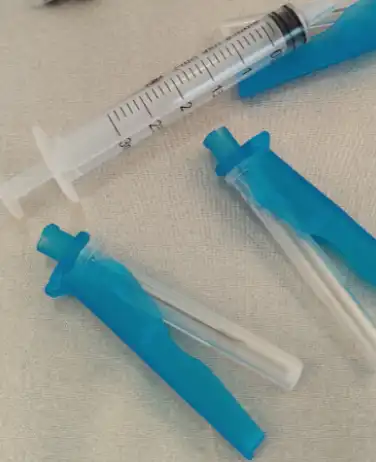
Managing diabetes at home requires precision, comfort, and safety. For millions administering insulin daily, the choice of injection device directly impacts health outcomes and quality of life. Disposable safety needles represent a significant advancement over traditional hypodermic needles, incorporating integrated shielding mechanisms that activate post-injection to prevent accidental needle-stick injuries and cross-contamination. These devices meet stringent FDA and ISO 13485 standards, ensuring sterility through EO gas sterilization and offering compatibility with standard insulin delivery systems. Transitioning to safety-engineered needles addresses critical pain points in home care: reducing infection risk, enhancing user confidence, and supporting compliance with evolving healthcare safety protocols. The decision to switch carries profound implications for patient safety, caregiver protection, and long-term cost management.
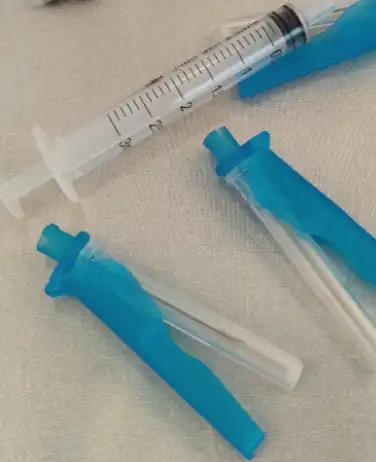
Understanding Disposable Safety Needles and Their Role in Insulin Care
What Defines a Medical Safety Needle?
There are built-in safety systems in medical safety needles that separate the sharp tip right after they are used. Unlike regular needles, which can prick users by mistake when they are thrown away, these devices have either silent mechanisms that work on their own or active systems that need to be engaged by hand. Medical-grade SUS304 stainless steel cannulas with ultra-thin wall technology are used in the core structure to ensure proper drug flow while keeping structural integrity. When properly locked, safety devices like slide sleeves, hinged screens, or retractable designs make clicks that can be seen and heard.
Compliance and Sterility Standards
Adherence to regulations determines how reliable a product is in insulin care. Devices that are certified by ISO 13485 quality management systems go through a lot of tests, such as ISO 7864 standards for measuring penetration force and ISO 10993 tests to make sure they are biocompatible. The AVACARE safety needles are certified by CE and are classified as Class II medical devices, which means they meet international safety standards. When EO gas is used for sterilization, the Sterility Assurance Level (SAL) is reached, which means that there are no more pyrogenic or contamination risks. Each needle comes in its own package to keep it sterile until it is used, which is especially important for homes that don't have access to clinical-grade storage.
Needle Types and Specifications for Insulin Therapy
Giving insulin requires carefully choosing a gauge that strikes a balance between the viscosity of the medicine and the patient's comfort. AVACARE makes safety hypodermic needles with sizes from 16G to 30G, but 28G to 31G gauges are more common for insulin treatment. Thinner needles cause less damage to tissue and make it easier for them to penetrate. This is especially important for kids who use them or people who are afraid of needles. The ultra-sharp thin-wall design keeps the blades sharp while lowering the force needed to penetrate skin. This directly leads to better patient compliance. Because the hub works with standard Luer Lock and Luer Slip syringes, it can be easily integrated with insulin pens and syringes that are already in use. This means that there will be no interruptions to work during the transition period.
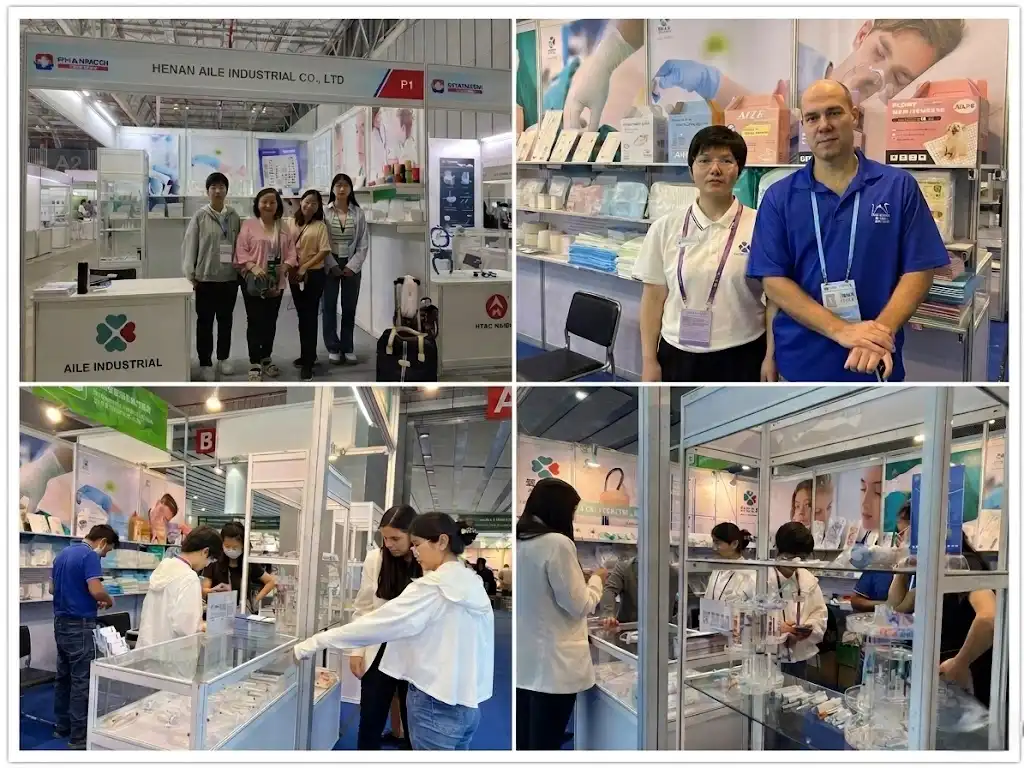
Top Benefits of Switching to Disposable Safety Needles for Insulin Care
Adopting safety-engineered injection devices has benefits that go beyond following the rules. They also make managing diabetes every day easier. When healthcare organizations and buying managers know about these benefits, they can look at the total value instead of just the unit cost.
Enhanced Patient Safety and Injury Prevention
Needle-stick injuries are a constant risk in home insulin care, especially when older or visually impaired patients need help from caregivers. The safety shield built into the AVACARE safety hypodermic needle can be easily activated with one hand and doesn't require much training or dexterity. As soon as the needle is taken out of the injection site, the safety device locks in place forever, covering the dirty needle point and keeping it from getting touched by chance during disposal. Comparing safety-engineered devices to regular needles, clinical data shows that they cut needle-stick accidents by up to 62%. This protects not only the patient but also family members who may handle sharps containers or come across needles that have not been thrown away properly. This makes the home safer overall.
Improved User Experience and Compliance
Patients often don't stick to their insulin schedules because they are afraid of and uncomfortable with injections. The ultra-sharp thin-wall technology from AVACARE lowers the penetration force, which means that the insertion process is less painful. The clear "click" sound and visible cues let you know right away that the safety device has been activated, reassuring you that the used needle is safe. The hub's ergonomic design makes it easier to hold steadily and control the injection angle, which lowers dose mistakes caused by tremors. These small gains add up over thousands of shots, making people look forward to therapy instead of dreading it. Better control of blood sugar is directly linked to more comfort, since patients are more likely to stick to their treatment plans when they don't dread them.
Cost Efficiency and Waste Management
Even though safety needles cost more per unit than other options, a total cost analysis shows that they are much cheaper overall. According to data from the CDC, treating needle-stick injuries could cost up to $3,000 per incident and includes post-exposure prophylaxis and lab tests. If healthcare facilities and home care providers buy AVACARE needles in bulk (at least 20,000 pieces), they can get discounts and know when their supplies will arrive (within 30 to 45 days). When safety features keep people from accidentally being exposed, it's easier to properly dispose of sharps in containers that won't puncture. This lowers the risk of liability and injuries related to disposal. Environmental impact is also lower because safety-engineered needles help people follow EPA and OSHA biohazard waste rules. This makes it easier for both patients and city waste systems to get rid of biohazard waste.
Support for Diverse Patient Populations
Insulin therapy is used for people of all ages, from kids with diabetes to older people who have trouble moving their hands. AVACARE's gauge range (16–30G) can be used with a variety of body types and medications with different viscosities. People who are kids should use thinner needles because they make shots less scary for them mentally. Adults with thicker skin or fat tissue can use the right gauge choices. People with arthritis, Parkinson's disease, or other conditions that make it hard to control their small motor skills will benefit most from the one-handed triggering feature. OEM/ODM services allow for customization of packing and language localization, which makes sure that directions can be read by people who speak different languages. This lowers the chance of user mistakes and improves safety for a wide range of multicultural patients.

Comparing Disposable Safety Needles with Traditional and Reusable Alternatives
Safety Needles Versus Regular Needles
Traditional hypodermic needles don't have any protection after use, so the sharp cannula is left out in the open when they are thrown away. Because OSHA rules require engineering controls to keep workers from being exposed, this design makes healthcare institutions and procurement managers nervous about their liability. Regular needles need to be carefully capped, which is something that goes wrong 10-15% of the time, or they need to be put in sharps cases right away, which may not always be possible at home. With a safety needle, there is no need to restart because the safety device kicks in before the needle leaves the patient's reach. Legal risk is also reduced when facilities use safety-engineered devices. They show they are doing their part to meet regulatory standards, which could lower the costs of lawsuits and insurance rates.
Disposable Versus Reusable Safety Needles
Reusable safety needles need facilities and upkeep methods that aren't right for insulin care at home. To make sure that autoclaving and chemical cleaning are safe between uses, you have to buy the right tools, train your staff, and test the quality of the results. Equipment maintenance, utility costs, and the time workers spend on reprocessing are all examples of hidden costs. Disposable options get rid of these operational burdens and guarantee sterility through EO gas processes controlled by the manufacturer. AVACARE's needles come individually packaged and are ready to use right away. They also have a shelf life that lasts longer than most purchases. In home care situations where there isn't a way to sterilize needles, the ease factor wins out. This makes disposable safety needles the practical choice for insulin treatment that is given to many people.
Retractable Versus Shielded Mechanisms
There are two main ways that safety needle technology can look. Retractable needles have cannulas that retract into the barrel after the shot. This hides the needle point totally. Shielded versions use covers that slide or bend over the needle and lock in place from the outside. AVACARE uses improved locking mechanisms in their protected design, which makes it reliable and makes production easier, which means the price is competitive. Sometimes, blood viscosity or improper activation can cause retractable mechanisms to get stuck. Shielded designs, on the other hand, let you see if they are properly engaged. Protected models are especially helpful for pediatric insulin care because the clear barrier gives young patients and their parents real comfort.
Leading Brands and Certification Validation
The market for safety needles is dominated by well-known brands like BD, Terumo, and Cardinal Health. However, specialized companies like AVACARE offer specific benefits for procurement managers. The CE and ISO 13485 certifications that AVACARE has are the same as those of the biggest companies in the industry. They also offer flexible OEM/ODM services that bigger companies don't offer. Sample policies let you try them out before you commit to minimum order quantities, which lowers the risk of procurement. Third-party validation through international certifications makes sure that performance is on par with premium brands at prices that most people can afford. Procurement managers can look at bonding strength data, penetration force measures, and failure rates for safety mechanisms from different providers. AVACARE's compliance paperwork gives them the information they need to make smart sourcing choices.

Procurement Considerations for Bulk Purchasing Disposable Safety Needles
Gauge Selection and Clinical Protocol Alignment
By matching needle specifications to clinical needs, costly procurement mistakes can be avoided. For subcutaneous injections, insulin therapy protocols usually call for 28–31G needles, which balance flow rate with patient comfort. The 16–30G model range from AVACARE covers both standard insulin delivery needs and more specific ones. Before making large orders, procurement managers should check with clinical directors to make sure they understand what the gauges want. Standards for color coding—21G is green, 23G is blue, and 25G is orange—make it easy to find things quickly in hospital situations, which lowers the risk of mistakes during administration. Documenting the reasons behind gauge choices helps regulatory checks and shows that purchasing decisions are in line with patient safety rules.
Packaging and Shelf-Life Reliability
Individual packaging keeps things clean while they're being stored and sent to different places, which is very important for healthcare facilities that need to keep track of their goods in many places. As required by FDA batch traceability rules, AVACARE's package specs list expiration dates, lot numbers that can be tracked, and storage conditions that must be met. When stored properly, shelf-life stability usually lasts for 3 to 5 years, so you can buy in bulk without worrying about running out of things. The design of the packaging should make it easy to dispensing a single unit so that contamination is kept to a minimum during inventory access. Labels in more than one language help healthcare settings that are varied by lowering the chance of confusion that could harm patients or make it harder to follow the rules.
Certification Significance and Regulatory Compliance
While CE and FDA approvals are required to get into the market, ISO 13485 certification shows that a company is committed to quality control all the time. AVACARE's certification portfolio covers both European and North American legal systems, which makes it easier for international healthcare groups to buy things. Quality and compliance staff look at these certifications when they are qualifying a vendor. They look at not only the vendor's present compliance but also their past audits and how quickly they respond to corrective actions. As part of their due diligence obligations, certified providers like AVACARE provide proof such as material safety data sheets, sterilization validation records, and biocompatibility testing results. This paperwork is very important during Joint Commission reviews or insurance checks, because the ability to track down materials can affect the result of an accreditation decision.
Supplier Evaluation and Distribution Channels
To find reliable medical safety needle suppliers, you need to look at their logistics, production capacity, and quality systems. AVACARE has a production center that is 12,000 square meters and has 100,000-grade clean rooms. This shows that the company has invested in infrastructure to support uniform quality. Accepting L/C and T/T as payment terms works with a variety of banking systems, and response times of 30 to 45 days make it easy to plan your inventory. Distribution partnerships in North America and Europe make sure that products are available in the right places, which cuts down on shipping costs and delivery times. To make sure the supply chain can handle demand spikes or global problems, procurement managers should check that suppliers are financially stable and have backup plans for production and emergency response capabilities.
Customization and OEM Opportunities
Large buyers can customize their orders in ways that aren't possible with off-the-shelf goods. AVACARE's OEM/ODM services allow for private marking, changes to the packaging, and changes to the gauge specifications that are in line with academic standards. Custom packing with facility marking strengthens how quality is seen by end users and helps with inventory management by making items stand out visually. Language localization makes sure that patient directions are appropriate for the people in the community, which lowers the risk of mistakes in multicultural care settings. Intellectual property rights, minimum order changes for custom specifications, and pricing structures that reflect development investments while keeping competitive positioning should all be talked about during contract negotiations.
Best Practices for Safe Disposal and Compliance in Insulin Needle Use
Sharps Container Protocols and Biohazard Management
The right way to get rid of sharps starts with containers that have been approved by the FDA and meet standards for not puncturing and not leaking. Place containers in places where shots happen that are easy for people to get to. This way, needles won't have to be carried around in dangerous ways. Fill lines that show 75% capacity stop containers from being overfilled, which could expose things while they are being moved. AVACARE disposable safety needles make it easier to follow dumping rules because the locked shield lowers the risk of damage even if containers are accidentally moved. Labels for biohazards must be easy to see and follow OSHA's color-coding rules. These are red containers or bags with the universal biohazard symbol on them. Medical waste companies or community take-back programs are the only ways to get rid of sealed sharps cases. They can't be thrown away in regular trash or recycling.
Regulatory Framework Compliance
The Bloodborne Pathogens Standard from OSHA requires technical controls to reduce the risk of needle sticks. This means that safety needles are required by law and not just an extra. Medical device quality systems are regulated by FDA rules in 21 CFR Part 820. These rules require traceability from where the raw materials come from to how the patient uses the device. Similar rules are set by the EU Medical Device Regulation (MDR) 2017/745 for devices sold in European countries. During regulatory reviews, healthcare facilities must keep records of how they get safety needles and how they are used. AVACARE's batch paperwork helps meet these standards for traceability. Not following the rules can lead to fines, the closure of the facility, and more responsibility, so using approved safety needles is a must for risk management.
Training Programs and Documentation
For implementation to work, patients, caregivers, and healthcare workers need to be taught how to use needles safely. AVACARE helps with this by providing technical training materials, demonstration videos, and teaching materials in multiple languages. Proper injection method, making sure the safety device works by listening for clicks and looking at it, and right away disposal rules should all be covered in training. Proof that training was completed protects the school from responsibility and shows that it is committed to safety standards. Regular tests of skills help people remember them, which is especially important as devices change or new caregivers join home care teams. Digital training platforms make it possible to deliver education on a large scale, which cuts costs and makes sure that messages are consistent across different care settings.
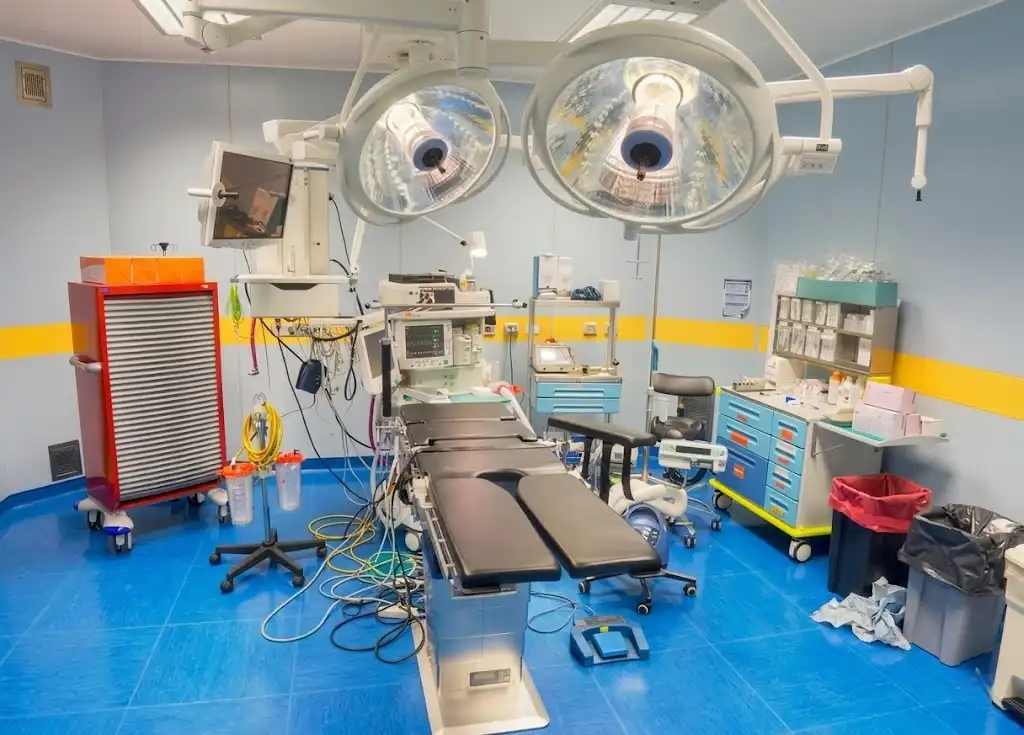
Conclusion
Switching to throwaway disposable safety needles for insulin care at home is a smart move that will improve patient safety, meet regulatory requirements, and lower long-term costs. The built-in safety features greatly lower the risk of needlestick injuries and boost patient trust, which helps them stick with their treatment. Through strict quality control, flexible customization, and quick supply lines, AVACARE's certified goods work just as well as high-end brands. When purchasing in bulk, purchasing managers should look at more than just unit prices. They should also make sure that the supplier is stable and that the total cost of the purchase is calculated. Because of rules, worries about risk, and patient-centered care models coming together, safety-engineered needles are now the norm instead of the exception. This puts early adopters in a good position for the changing needs of healthcare.
FAQ
Are disposable safety needles truly sterile for repeated use?
Each disposable safety needle is only meant to be used once and comes EO gas sterilized with a Sterility Assurance Level of 10^-6. Reusing these tools lowers their sterility, dulls the needle point, making it more painful, and might stop the safety mechanism from working properly, which increases the risk of injury.
How do safety mechanisms reduce needle-stick injury risks?
As soon as the needle is pulled out of the injection site, protective covers lock over the dirty needle point forever. This barrier stops accidental touch during removal, so there is no need for the recapping step that is usually involved in needle-stick accidents in home care settings.
What gauge should I select for insulin therapy?
When giving insulin, 28G to 31G needles are usually used to balance the flow of medicine with the patient's comfort. Thinner gauges keep flow rates steady for normal insulin viscosities while reducing pain and tissue damage. This is especially helpful for kids or people who are afraid of needles.
Do safety needles work with all insulin pens and syringes?
According to ISO 80369 standards, AVACARE safety needles are compatible with both Luer Lock and Luer Slip. This means they can be used with all standard insulin delivery devices without any problems. Check to see if it works with your specific type of insulin pen; however, general fit should work with most commercial systems.
Partner with AVACARE for Certified Disposable Safety Needle Solutions
With AVACARE's full-lifecycle service model, healthcare institutions and distributors looking for dependable disposable safety needle suppliers can get all the help they need. Our goods are ISO 13485 and CE-certified, and they come with tried-and-true safety features and low bulk prices that fit any budget. Institutions that need a lot of items can place orders for at least 20,000 pieces, and samples are available for risk-free testing. OEM/ODM features allow for private marking and customization that is in line with facility standards. Our 24-hour rapid response team and 30- to 45-day turnaround times keep the supply chain stable even when demand changes. Email our procurement specialists at admin@aileindus.com to talk about gauge specifications, pricing for large orders, and technical training resources. You can look through our full catalog of products and licensing documents at ailemedicals.com to help with your vendor approval processes.
References
1. Centers for Disease Control and Prevention. (2020). Workbook for Designing, Implementing, and Evaluating a Sharps Injury Prevention Program. U.S. Department of Health and Human Services.
2. Occupational Safety and Health Administration. (2019). Bloodborne Pathogens and Needlestick Prevention Standards. U.S. Department of Labor.
3. International Organization for Standardization. (2018). ISO 13485:2016 Medical Devices—Quality Management Systems Requirements for Regulatory Purposes. Geneva: ISO.
4. American Diabetes Association. (2021). Standards of Medical Care in Diabetes—Insulin Administration. Diabetes Care, 44(Supplement 1), S73-S84.
5. Jagger, J., & Perry, J. (2017). Safety-Engineered Devices in Healthcare Settings: Impact on Needlestick Injury Rates. Journal of Infection Prevention, 18(3), 112-119.
6. European Agency for Safety and Health at Work. (2019). Prevention of Sharps Injuries in the Hospital and Healthcare Sectors: EU Directive Implementation Guide. Luxembourg: Publications Office of the European Union.
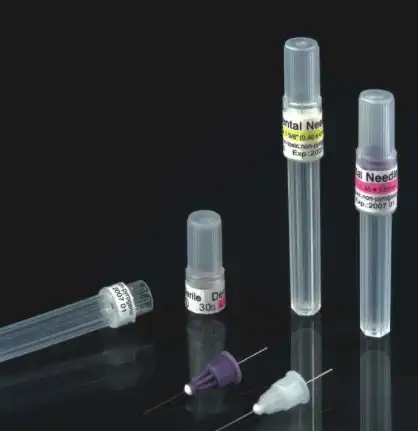
Selecting the right gauge for local anesthesia administration can dramatically affect both patient outcomes and clinical efficiency. Dental needles ranging from 25G to 30G differ significantly in diameter, flexibility, and patient comfort levels. The 25G needle, being the thickest, allows rapid anesthetic flow ideal for nerve block procedures, while the ultra-fine 30G minimizes tissue trauma, making it perfect for infiltration techniques and pediatric dentistry. The 27G strikes a balance between flow rate and comfort, serving as the versatile workhorse for general dental practice. Understanding these differences enables procurement managers and clinicians to match product specifications with procedural demands and patient demographics.
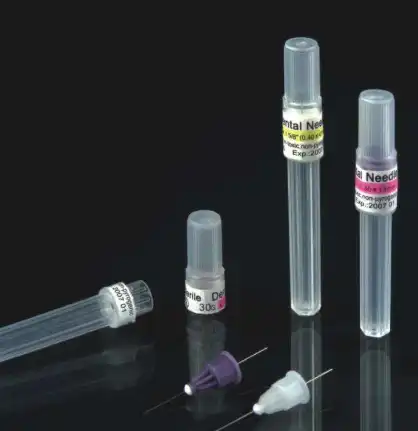
Understanding Dental Needle Sizes and Their Anatomy
Core Components of Modern Anesthetic Needles
Every good anesthetic needle has three important parts that have a direct effect on how well it works and how safe it is. The bevel is the slope of the tip that goes through tissue. Most professional-grade needles have three bevels to make them easier to enter. The shaft, which is usually made of surgical-grade stainless steel, controls how flexible the needle is and how easily it can break during difficult oral procedures. The hub securely attaches to the dental syringe, and threaded hub designs keep them from coming off by accident, which could compromise cleanliness or cause anesthetic to leak.
The shafts of AVACARE anesthetic needles are made of high-tensile stainless steel and are coated with fine silicone. This makes sure that the needles are easy to penetrate while keeping their structural integrity. These latex-free needles take away allergy worries, meeting a growing need for patient safety in healthcare settings.
Gauge and Length: What the Numbers Really Mean
The gauge number is the opposite of the needle diameter; bigger gauge numbers mean smaller needles. The diameter of a 25G needle is about 0.5 mm, that of a 27G needle is about 0.4 mm, and that of a 30G needle is about 0.3 mm. This difference, which might not seem important, makes a big difference in clinical application. Lengths range from 11 mm to 41 mm, depending on the body part being injected and the technique being used.
There are a lot of different lengths in the AVACARE product line. For example, Thread 27G comes in 16/21/25/31/35/38/41mm lengths, and Thread 30G comes in 11/16/21/25mm lengths. This variety makes it possible to precisely match the needs of each procedure, from superficial infiltration to deep nerve block administration.
Dental Needle Size Comparison Chart
Procurement teams can make smart decisions about bulk purchases when they know the real differences between gauge choices. The 25G needle is the stiffest and delivers anesthetic the fastest, so it can be used for posterior superior alveolar nerve blocks and surgical extractions that need deep anesthesia quickly. Its bigger width sometimes causes a little more damage to the tissue, but its deflection resistance during deep tissue entry makes it perfect for difficult approaches to anatomy.
The 27G needle is the standard for flexibility in the business world. Its moderate width makes it comfortable for the patient while still allowing enough blood to flow. This makes it suitable for most inferior alveolar nerve blocks, mental nerve blocks, and regular restorative treatments. Studies show that 27G needles cause pain levels that are clinically acceptable while still being strong enough to allow for accurate needle placement.
The ultra-fine shape of the 30G dental needles puts the pleasure of the patient first. Its smaller diameter makes tissue damage and pain after injection much less likely. This is especially helpful for anterior maxillary infiltrations, pediatric patients, and adults who are anxious. As a result, the anesthetic is delivered more slowly, and there is a higher chance of deflection during deep tissue guidance, which means the operator has to use better technique.
How to Choose the Best Dental Needle Size for Different Procedures
Procedure Type and Anesthesia Technique
Because they go deeper into the body, 25G or 27G needles work best for block anesthesia techniques that target major nerve trunks. One of the most common dental injections is the inferior alveolar nerve block. To reliably reach the mandibular foramen, 27G needles measuring 31 to 35 mm are usually used. The added stiffness keeps the needle from deflecting as it moves through muscle tissue and gets closer to the nerve it needs to reach.
With 27G or 30G needles, infiltration anesthesia works very well because it puts numbing fluid close to nerve endings in soft tissue. For maxillary anterior infiltrations, 30G needles work best because the thin cortical plate only needs a small amount of penetration depth. Patient comfort is very important in this highly visible treatment area.
Patient Demographics and Comfort Considerations
When doing dental work on kids, there are special issues that affect the choice of tool. Injection anxiety is worse in kids than in adults, and kids can handle less pain than adults can. Research shows over and over that 30G needles make injections less painful for kids, which makes them more cooperative and easier to manage behaviorally. Because the ultra-fine diameter makes tissue move less during entry, the patient has a much better experience.
For anterior procedures, 30G needles are also helpful for adults who are afraid of the dentist or needles. Using the best needle available can help with mental health and lower worry before an injection, but doctors have to weigh this benefit against the slightly higher technical difficulty of placing the needle.
Aging people may have changes in their tissues that make it hard to choose the right tool. Because of less flexible tissue and possibly weaker blood vessels, 27G needles are sometimes better because they give better feedback as they move, which helps prevent accidental vessel penetration.
Balancing Clinical Efficacy with Cost Efficiency
Purchasing managers need to look at more than just the unit price when figuring out the total cost of ownership. Even though 30G needles may be more expensive than 27G ones, they can save time in the chair by making patients more comfortable and lessening the need for behavior control. This operational efficiency usually makes up for the extra cost, especially in busy practices or clinics that focus on kids.
With a minimum order quantity of 20,000 pieces, AVACARE's bulk pricing for odontological needles is competitive, which lets institutions get good deals while keeping enough inventory on hand. The 30-45-day production time helps with strategic planning for purchases, and the availability of samples lets people test them in the clinic before committing to large orders.

Safety and Compliance: Best Practices for Using and Disposing of Dental Needles
Needle Stick Injury Prevention Protocols
When healthcare workers handle needles, they run a big risk of getting percutaneous injuries. According to the Centers for Disease Control, about 385 000 needle stick injuries happen to healthcare workers in the US every year. This risk is greatly reduced by following strict safety rules that are in line with Occupational Safety and Health Administration (OSHA) rules.
Techniques for refilling with only one hand should never be used. Instead, practices should have needle safety devices or tools for refilling that make it unnecessary to use the non-dominant hand to reach for the needle tip. Each AVACARE needle comes in its own clean blister pack, and the protected cap should stay on the treatment tray until it is time to use it. After use, needles must be thrown away right away in sharps cases that can't be punctured and should be kept within arm's reach of the treatment area.
Regulatory Compliance and Quality Assurance
Both CE and ISO 13485 approvals show that AVACARE anesthetic needles meet the standards for international quality control systems for medical products. The ISO 13485 standard sets out detailed rules for managing risks, controlling designs, and keeping track of products throughout their entire lifetime. With these certifications, procurement teams can be sure that the manufacturing processes meet strict regulatory requirements.
Because the FDA considers these needles to be Class I medical devices, they are subject to general rules such as establishment registration, device listing, and following Quality System Regulations. The clear gauge marks and ISO color-coded hubs on each individually packaged format stop clinical mistakes and help work move smoothly.
Biomedical Waste Management Requirements
Getting rid of sharp objects the right way keeps both healthcare workers and garbage management workers from getting bloodborne diseases. According to OSHA's Bloodborne Pathogen Standard, used needles and other dangerous objects should be thrown away right away into containers that can't be punctured or leak and are clearly marked or colored. These containers need to be thrown away when they're three quarters full so that they don't get overfilled and leak.
Specifications for sharps containers, how long they must be stored before being thrown away, and the names of companies that are allowed to transport waste may be added by state and local regulations. Procurement managers should make sure that their institution's waste management rules are in line with all relevant laws and that there are enough sharps containers and needles on hand.

Procurement Insights: How to Source Quality Dental Needles for Your Practice?
Evaluating Supplier Credentials and Product Quality
To be a good buyer, you need to do more than just compare prices when you evaluate suppliers. Verification of certifications is the basis of quality assurance. Confirmed CE and ISO 13485 certificates show that a product meets regulatory requirements and is manufactured correctly. By asking for copies of certificates and checking registration numbers in official databases, you can avoid buying from manufacturers who don't follow the rules.
Batch tracking systems make it easy to quickly address quality issues and meet legal reporting needs. AVACARE keeps detailed records for each lot that show where the raw materials come from, how they are made, and where they are sold at the end. This makes it possible to precisely track products throughout the supply chain. This openness keeps healthcare organizations from being sued and shows that they care about patient safety.
Customization Capabilities and OEM Partnerships
Large healthcare institutions and companies are looking for more and more ways to make their dental anesthesia needle products stand out by private labeling and customizing the package. AVACARE is open to OEM and ODM partnerships and can provide customization services such as branded packages, multilingual labels, and changes to specifications to fit regional tastes or academic standards.
The 30- to 45-day production schedule allows for unique orders and good planning of supplies. Being able to pay in different ways, like through T/T and L/C, gives institutions and foreign businesses more choices when it comes to buying things. When samples are available, clinical teams can test how well a product works before placing large orders. This lowers the risk of buying and makes sure that the product meets clinical standards.
Supply Chain Stability and Emergency Response
Problems in the supply chain cause problems in the business that go beyond not having enough inventory. Not having enough consumables on hand can cause delays in patient care, problems during emergency procedures, and frustration on the clinical team. Purchasing managers are putting more and more value on ties with suppliers that offer supply assurance and quick contact.
AVACARE has a production facility that is 12,000 square meters and has Class 100,000 cleanrooms. This gives them the ability to make enough products to meet consistent delivery dates. When you have enough production capacity, smart inventory management, and established transportation partnerships, you can be sure that your orders will be filled, even during times of high demand. Setting up relationships with certified suppliers before you need them stops you from making bad decisions when you're under a lot of stress.
Enhancing Patient Experience: Pain Management and Usage Tips
Injection Technique Optimization
The choice of needle is only one factor that affects how painful a shot is; the way it is given has a big effect on how the patient feels. Pressure-related pain during injection can be lessened by stretching the tissue with the right amount of external anesthesia and letting the solution soak in slowly. According to research, putting in local anesthetic at a rate slower than one cartridge per minute makes the patient much more comfortable than quickly injecting it.
Bevel orientation affects how much damage is done to tissue during penetration. By pointing the blade toward the bone during infiltration anesthesia, the needle tip is kept away from the highly nerved periosteum, which eases the pain right away. AVACARE needles have a triple-bevel design that makes the cutting edge sharper and requires less insertion force. This means that tissue doesn't have to be stretched as much, and patients don't feel like they're being dragged.
Temperature and Solution Preparation
The warmth of the anesthetic fluid affects how comfortable an injection is, no matter what needle is used. Solutions that are kept at room temperature (about 20–22°C) are less painful to shoot than solutions that are kept in the fridge and shot at 4–8°C. Warming cartridges to body temperature with commercial warming devices or a simple immersion in a water bath makes it much easier for patients to handle injections. This is especially helpful when using finer gauge needles, where slower flow rates make injections last longer.
Adding a buffer to anesthetic solutions raises the pH closer to physiological levels. This lowers the burning feeling that comes with acidic solutions. Even though this method needs more work to get ready, using buffered solutions with 30G needles makes patients more comfortable, especially those who are prone to worry or who have long treatment sessions.
Addressing Common Misconceptions
A lot of doctors think that using finer needles will always make injections less painful, but clinical evidence shows that this isn't always the case. Even though 30G needles make entry less painful, the following injection phase may actually feel more painful because flow is limited through the smaller lumen. The amount of pain a person feels depends on how well penetration trauma and deposition pressure are balanced. Which variable is more important depends on the patient.
The idea that the length of the needle affects how much pain someone feels is not backed up by science. Instead of shaft length, what makes a patient uncomfortable is the needle's thickness and how it is injected. Misconceptions about length-related pain should not get in the way of choosing the right length based on physical needs and procedure goals.
Conclusion
Picking the right dental needle gauge is a very important choice that can affect the patient's comfort, the efficiency of the procedure, and the success of the clinical outcome. The 25G needle is best for deep block anesthesia that needs a hard structure. The 27G is the standard for a wide range of uses, and the 30G puts patient comfort first for infiltration methods and sensitive groups. By knowing these differences, procurement managers can make sure they have the right amount of inventory for their institution's mix of procedures, and clinicians can improve their skills by choosing needles based on evidence.
Patients and organizations are protected from safety mishaps and legal problems by quality assurance that includes verified certificates, full traceability, and suppliers that can be trusted. Strategic connections with certified makers for purchasing goods ensure a steady supply, and the ability to customize helps with branding for institutions and meeting regional needs.
FAQ
How do I choose between 27G and 30G needles?
The choice is mostly based on the type of treatment and the patient's characteristics. 27G needles have a more rigid structure, which is better for block anesthesia methods that need to resist deflection at a deeper level in the body. Also, the slightly bigger width lets the anesthetic run faster, which cuts down on the total time needed for the shot. 30G needles, on the other hand, work best for infiltration anesthesia and infant uses where reducing tissue trauma is important. Their very small diameter makes entry much less painful, but because of the limited flow, injection rates need to be slowed down and skill needs to be improved to keep the needle from deflecting during placement.
Do AVACARE needles meet international quality certifications?
The numbing needles made by AVACARE are certified by both CE and ISO 13485, which means they meet international quality control standards for making medical devices. These credentials show that there are systematic controls in place during the design, production, and distribution stages. The oral anesthetic needles that are sold in major global markets must meet regulatory standards because they are Class I medical devices and come in a sterile, individually packaged format.
Can these needles be reused?
Without a doubt not. These are one-time-use gadgets that have been cleaned with ethylene oxide. Reusing dental needles increases the risk of cross-contamination too much and goes against infection control rules set by the CDC and professional dental groups. After the first use, the needle tip gets microscopically broken, making a sharp surface that makes tissue more painful during subsequent penetrations. In addition to the risk of infection, reuse makes patients much less comfortable and hurts their health.
Partner with a Trusted Dental Needle Supplier
We at AVACARE know that procurement managers need more than just low prices. They also need partnerships that they can count on for quality assurance, stable supply, and quick service. Our threaded 27G and 30G numbing needles have triple-bevel precision and silicone coating technology, which makes them more comfortable for patients in a wide range of professional settings. Every needle we make in our 12,000-square-meter facility is backed by CE and ISO 13485 certifications and shows our dedication to clinical excellence. Our technical team can help your institution with everything from evaluating samples to fulfilling large orders, whether it needs standard specifications or custom OEM solutions. Get in touch with our purchasing experts at admin@aileindus.com to talk about your needs and find out how AVACARE can become your go-to dental needle maker. You can look at all of our products at ailemedicals.com.
References
1. Malamed SF. Handbook of Local Anesthesia (7th Edition). Elsevier Health Sciences, 2019.
2. Haas DA. Alternative Mandibular Nerve Block Techniques: A Review of the Gow-Gates and Akinosi-Vazirani Closed-Mouth Techniques. Journal of the American Dental Association, 2011; 142(Supplement 3):8S-12S.
3. Centers for Disease Control and Prevention. Workbook for Designing, Implementing, and Evaluating a Sharps Injury Prevention Program. CDC Publications, 2018.
4. International Organization for Standardization. ISO 7885-1:2018: Sterile Hypodermic Needles for Single Use—Part 1: Requirements and Test Methods. ISO Standards Catalogue, 2018.
5. Occupational Safety and Health Administration. Bloodborne Pathogens Standard 29 CFR 1910.1030. US Department of Labor, 2019.
6. Meechan JG. How to Overcome Failed Local Anesthesia. British Dental Journal, 2020; 186(1):15-20.
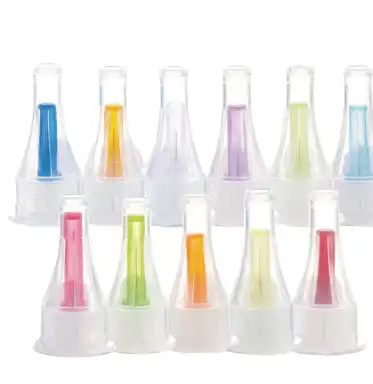
When made with strict quality standards and used properly, disposable insulin pen needles are exceptionally safe. Because they are designed to be single-use, clean medical devices, they reduce the risk of infection through EO gas sterilization and get rid of the problems that come with reusing needles. Ultra-fine sizes (range from 29G to 34G) and precision-beveled tips on modern needles make tissue damage and injection pain less severe. Strict production processes that are in line with ISO 11608-2 and ISO 13485 standards make delivery systems even safer by making sure they don't contain any pyrogens or latex. When purchasing teams only work with certified sellers and healthcare professionals follow the right injection practices, these devices always make giving insulin safe and comfortable in both clinical and home care settings.
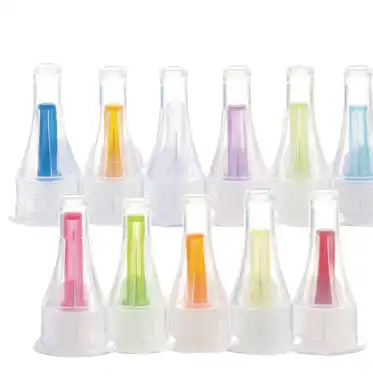
Understanding Disposable Insulin Pen Needles and Their Safety
What Makes These Needles a Critical Component in Diabetes Care
Disposable insulin pen needles are a big step forward in subcutaneous insulin delivery. They solve a number of clinical problems that were putting patients' safety and comfort at risk in the past. These precision-engineered tools are made from medical-grade AISI 304 stainless steel and have lancet tips with three or five bevels that make it easy to penetrate the skin with little pain. The one-time use design gets rid of the risk of lipohypertrophy, which happens when the same needle is inserted over and over again and can make it harder for insulin to work and glucose levels to stay under control.
Key Safety Features That Protect Patients and Providers
Modern disposable insulin pen needles have several layers of safety features that directly address safety issues in healthcare. Ethylene oxide treatment is used on each needle. This is a proven method that gets a sterility assurance level of 10⁻⁶, which means that the chance of a non-sterile unit is less than one in a million. The individual package keeps the items clean until they are used, which keeps the surroundings clean while they are being stored and shipped.
These safety standards are met by AVACARE's Disposable Insulin Pen Needles, which have many safety features. These needles come in 0.3 mL, 0.5 mL, and 1 mL sizes and can handle gauges up to 34G. They use thin-wall technology, which makes the inner circle bigger while keeping the outside measurements very small. This engineering makes sure that insulin flows quickly without needing too much force during injection, which is very important for older patients or people whose hands aren't as strong. The color-coded cap system makes it easy to find the right size needle, which is especially helpful in busy hospital settings.
Understanding Potential Risks and How Design Mitigates Them
Disposable insulin pen needles are safe by nature, but knowing what problems could happen helps buyers make smart choices. People who are sensitive to latex may experience skin irritation, but this risk is greatly decreased by the medical-grade silicone layer and latex-free construction. There is almost no chance of getting an infection if needles are used as directed (only once) and thrown away right after a shot.
Needle-stick accidents are the most common type of work injury for healthcare workers. Good makers deal with this by making hubs that securely connect to pen devices and let you take them off safely after use. The screw-on mechanism on AVACARE makes sure that the connection stays stable during injection and that it can be safely detached. The universal threading design that works with all of the major insulin pen brands in the world eliminates the need for multiple product types, which makes training easier and inventory management easier.
How to Ensure Safe Use of Disposable Insulin Pen Needles
Preparation Steps That Prevent Contamination
Safe ways to give injections start before the needle touches the skin. Both healthcare professionals and patients should wash their hands well with soap and water, and then they should look inside the sealed needle package for any signs of damage or theft. Good products, like those from AVACARE, come in paper-and-plastic packages with clear windows that let you see that the needle is still in good shape before you open it. As soon as the package is opened, the needle should be screwed onto the insulin pen using the hub. This makes sure that there is a strong link that stops insulin from leaking during dose delivery.
Doing an "air shot," which means setting a small dose and letting it flow into the air before injecting, makes sure that the insulin runs easily through the needle and gets rid of any air bubbles that might affect the accuracy of the dose. This step is especially important for ultra-fine needles, where even tiny blocks can make it hard to deliver medicine.
Proper Injection Technique for Optimal Safety and Comfort
The area where the shot will happen should be clean and dry. For home injections, alcohol swabs are not always needed as long as good hygiene is kept up. Moving carefully through accepted areas like the upper arms, thighs, and belly as injection sites stops the tissue damage and uneven absorption that come with giving injections more than once in the same place.
Choosing the right needle length has a direct effect on comfort and safety. For most people and children, 4mm to 5mm needles are the right length for subcutaneous delivery without the risk of an intramuscular shot. For people with higher body mass indexes, 8mm to 12mm needles may be needed. However, they need to be carefully used so that the needle doesn't accidentally go through the muscle, which can hurt and make insulin intake less stable.
The Critical Importance of Single-Use Policies
Even though clinical advice says that needle reuse is always wrong, individuals or institutions may be tempted to do it to save money. This is very bad because each time the needle is used, it gets duller, which causes bigger tears in the tissue that hurt more and bleed more. As the silicone layer wears off, the skin becomes more resistant. Most importantly, tiny insulin crystals can build up in the needle opening, stopping flow and leading to dose errors that make it harder to control blood sugar.
From a purchasing point of view, pointing out the fake economy of reused needles helps make the case for getting the right amount. The difference in cost between using things only once and getting sick from illnesses that need medicines or being hospitalized after using them more than once strongly suggests that you should buy the right supplies.
Disposal Protocols That Protect Community Safety
Used needles must be put right away in sharps cases that can't be punctured and meet government standards. Medical places hire medical trash services to take care of this, but people who want to do it themselves need to learn about the rules in their area. When planning their supplies, procurement managers who work in retail or community healthcare situations might want to include the availability of waste containers to ensure the safety of patients and the environment.

Comparing Disposable Insulin Pen Needles With Other Injection Methods
Safety and Hygiene Advantages Over Reusable Systems
There are clear differences in safety between disposable insulin pen needles and reused injection systems that affect how risk-averse healthcare organizations choose which ones to buy. When you use disposable insulin pen needles instead of reusable ones, you don't have to worry about sterilization. If you don't clean them properly, bloodborne germs can spread. Each new needle is guaranteed to be perfectly sharp, which prevents the damage to tissue that happens when needles are used more than once and leads to problems at the injection site.
People still use traditional insulin needles, but they require patients to draw insulin from bottles, which is a process with several steps where contamination can happen. Attaching disposable insulin pen needles to prefilled or cartridge-based pens speeds up this process by cutting down on the number of places where germs could get spread. The sealed system of the pen and needle also keeps insulin from being exposed to light and air, which keeps the medicine stable until delivery.
Economic Considerations for Procurement Professionals
Procurement managers who are watching their budgets often wonder if the cost of disposable insulin pen needles is worth it compared to alternatives that can be used again. When you look at the overall cost of ownership, disposables offer a lot of value, according to a thorough cost study. Lower infection rates directly lead to fewer trips to the emergency room and orders for antibiotics. Modern pen needles make it easier for patients to stick to their treatment plans, which improves disease management and lowers the risk of costly consequences like diabetic ketoacidosis or hyperosmolar syndrome.
Standardized throwaway goods make it easier to keep track of inventory. Because AVACARE is designed to be universally compatible, a single type of needle can work with multiple pen brands. This makes keeping stock easier and cuts down on waste from old or outdated items. The 30-45 day lead time and minimum order number of 20,000 pieces make it possible to buy in a way that combines big savings with limited storage space.
User Experience Factors That Impact Clinical Outcomes
Patient happiness has a direct effect on how well they take their medications, so comfort and ease of use are valid buying factors. Ultra-fine gauge needles, especially 32G and 34G choices, have been shown in clinical trials to make injections less scary and help patients stick with their treatments, especially kids and adults who are afraid of needles. Quality pen needles have a simple screw-on system that doesn't need much training. This cuts down on the time it takes for new patients and family members who are caring for them to get used to it.
People who work in healthcare like how consistent disposable insulin pen needles make hospital processes. Individually boxed needles that have already been sterilized cut down on preparation time, which helps diabetes offices handle more patients more quickly. The dependability of certified goods reduces the number of failures that happen in the middle of a process and makes it harder to keep records.

Insights Into Leading Brands and Market Solutions
How AVACARE Compares to Established Industry Names
There are a number of well-known companies in the disposable insulin pen needle market, and each has its own strengths that should be taken into account when buying. BD (Becton Dickinson) was the first company to make ultra-short needles, and they keep a lot of clinical evaluation data to back their safety profile. Novo Nordisk uses its extensive knowledge of diabetes treatments to create tools that work best with its own pen devices. Owen Mumford, Medtronic, Ypsomed, and Terumo all have unique features that are aimed at different types of patients or specific clinical uses.
In this competitive market, AVACARE presents itself as a strong option, especially for buying workers who want guaranteed quality at the best possible prices. The company has been around since 2014 and has a production center that is 12,000 square meters and has 100,000-class cleanrooms. These are places where medical devices can be made that meet strict particulate control standards. The ISO 13485 certification and CE approval show that the product meets international quality management standards. This gives procurement officers and quality compliance officers the legal confidence they need.
Innovation Features That Address Real Clinical Needs
Differentiating pen needles from each other in the market is becoming more and more about patient comfort and clinical performance, not just simple functioning. AVACARE's Painless Injection Technology is a good example of this trend. It uses ultra-fine gauges and precision-beveled tips to make skin entry much easier. The thin-wall construction is a high-tech solution to a typical problem with fine needles: they release insulin slowly, which makes injections take longer and makes patients uncomfortable. By making the internal diameter bigger while keeping the fine external gauge, AVACARE needles get the same flow rates as larger needles while keeping the comfort benefits of deeper penetration.
The fact that it is pyrogen- and latex-free directly addresses worries about patient safety that are becoming more and more important in healthcare buying. Pyrogens, which cause fevers and can contaminate medical goods, are a big problem for quality control in the making of medical devices. AVACARE's clear approval of pyrogen-free status means that they have strict testing methods in place that find and get rid of these contaminants. This protects immunocompromised patients and lowers healthcare institutions' responsibility for bad events.
Evaluating Supplier Reliability and Support Infrastructure
Aside from product specs, procurement pros also look at how well suppliers can provide services that affect the resilience of the supply chain. The full support system at AVACARE takes care of the operational issues that purchasing managers, operations leaders, and project managers care about the most when they're choosing a provider. The company has a 24-hour fast response system that makes sure that important questions are answered right away. This is especially important when there are problems with quality or quantity that need to be fixed quickly.
Technical training programs and literature in multiple languages make it easy for people in a wide range of healthcare situations to use the product. Giving samples when asked for lets people do clinical tests before placing large orders, which lowers the risk of buying and makes it easier to choose products based on evidence. Distributors and healthcare systems that want to serve specific market groups can use the OEM and ODM services to make their own goods, customize the packaging, or translate the products into different languages.
Bulk Procurement Considerations for Disposable Insulin Pen Needles
Sourcing Strategies That Balance Cost and Quality
In the United States, healthcare buying is limited by a lot of rules and costs that affect the choices that are made about where to get supplies. When you deal directly with the maker, you can often get better prices than through multiple levels of distribution. This is especially true for big healthcare systems or group buying organizations that place large orders. With a minimum order of 20,000 disposable insulin pen needles, AVACARE targets big buyers and distributors rather than individual clinics. This puts the company in the wholesale supply chain market.
Different organizations have different financial practices and ways of managing risk, so being able to pay through both T/T (Telegraphic Transfer) and L/C (Letter of Credit) is helpful. Letters of credit protect both buyers and sellers against nonpayment in foreign trade. They are especially useful when finding new suppliers or making large orders. The 30- to 45-day lead time means that buying planning needs to take into account changes in demand while avoiding high costs for keeping supplies.
Certification Verification and Quality Assurance Protocols
Quality compliance officers are in charge of making sure that the goods that are bought meet quality standards and legal requirements. The first step in this verification process is to make sure that the certificates are real. This means making sure that the CE and ISO 13485 certifications are up-to-date, cover the right things, and were given by recognized certification groups. By asking for batch tracking paperwork, you can make sure that manufacturing lot numbers can be followed from where the raw materials came from to when they were made, through the sterilization processes, and to the results of the final inspection.
Contracts for buying things should include quality acceptance standards, such as acceptable failure rates and steps to take to fix problems with quality. AVACARE has seven national patents, which show that the company is constantly working to come up with new products and improve existing ones. However, when purchasing, teams should focus more on quality system certifications than patent numbers to see how well and consistently the company can make things.
Logistics and Storage Requirements That Preserve Product Integrity
From the plant to the end user, medical device supply lines must keep the products clean and in good shape. It's important to keep disposable insulin pen needles safe from high temperatures, water, and damage while they're being shipped. Specifications for purchases should require the right packing, which is usually corrugated cartons with inner boxes that can handle the stresses of foreign shipping while still keeping the needle package's integrity.
Receiving facilities must keep temperatures from going up and down and humidity levels from rising and falling so that clean package seals don't get broken. Even though pen needles are not as sensitive to temperature changes as biological goods, quality control rules say that they should be kept at room temperature and out of direct sunlight. First-expired-first-out rules should be used by inventory management systems to cut down on waste caused by expiration dates. However, pen needles can usually last for several years if they are kept properly.
Conclusion
The safety profile of disposable insulin pen needles comes from years of improving how they are made and using them in hospitals. When bought from approved makers with strict quality control systems, these devices always make giving insulin safe and comfortable for a wide range of patients and care settings. Purchasing managers who put foreign certifications, full supplier support, and product features that meet clinical needs at the top of their list of priorities can help their companies provide the best diabetes care while handling supply chain risks well. Buying good disposable systems pays off because they cut down on complications, help patients stick to their treatment plans, and make professional processes easier. These benefits are good for both healthcare costs and patient results.
FAQ
Can Disposable Insulin Pen Needles Be Safely Reused?
Clinical standards make it clear that pen needles should not be reused, even if the same patient gives more shots. With each use, the needle tip gets duller, the lubrication layer comes off, and there is a chance that insulin crystals will build up and stop the opening. These things make pain worse, raise the risk of infection, and make it harder to get the right amount. These are medical problems that are much worse than any short-term cost savings from using a used needle.
What Needle Length Minimizes Injection Risk?
Most adults can safely deliver insulin under the skin with 4 mm to 6 mm needles, which greatly lower the risk of accidentally injecting insulin into the muscle compared to longer choices. Clinical tests show that shorter needles provide the same level of glucose control while making patients more comfortable. For different body types, procurement managers should keep a variety of needle lengths on hand, but 4-5mm needles are good for about 80% of patients.
How Can Procurement Teams Verify Manufacturer Quality Claims?
If necessary, ask for up-to-date copies of ISO 13485 certificates, CE certificates, and FDA licenses. Then, check these papers with the organizations that issued them. Ask for proof of batch testing, such as sterility confirmation records and penetration force testing results. Before placing a bulk order, you might want to ask for product samples to be sent to healthcare workers for clinical review. This way, they can check how well the needle works, how well the packaging is made, and how well it works with other pen devices they already have.
Partner With AVACARE for Reliable Disposable Insulin Pen Needle Supply
When buying healthcare supplies, buyers need sellers whose products are both excellent and whose service system is quick to respond. AVACARE has been making medical devices for more than ten years and has ISO 13485 approval and strict quality control methods in place to back this up. In the real world, our disposable pen needle solutions meet the needs of hospitals, clinics, and marketing partners that need reliable, high-quality diabetes care goods.
In addition to product specifications, we know that procurement choices also take into account the dependability of the supply chain, the availability of expert help, and the ability of partners to respond quickly. AVACARE's full-lifecycle service model includes professional training, answering questions 24 hours a day, and open OEM/ODM customization for businesses that need private marking or special packaging. Our 12,000-square-meter production center makes sure that we always have stock on hand, and our streamlined wait times of 30 to 45 days make it easy to plan purchases.
Email our team at admin@aileindus.com to talk about your particular needs for disposable insulin pen needle stock. AVACARE has the knowledge and dependability that your company needs, whether you're a purchasing manager looking for a reliable maker, a dealer looking into private label possibilities, or a clinical director weighing your product options.
References
1. American Diabetes Association. Standards of Medical Care in Diabetes—2023. Diabetes Care Journal, Volume 46, Supplement 1, January 2023.
2. Hirsch, L., Byron, K., Gibney, M. Intramuscular Risk at Insulin Injection Sites: Measurement of the Distance from Skin to Muscle and Rationale for Shorter-Length Needles for Subcutaneous Insulin Therapy. Diabetes Technology & Therapeutics, Volume 16, Number 12, 2014.
3. International Organization for Standardization. ISO 11608-2:2022 Needle-based Injection Systems for Medical Use: Requirements and Test Methods for Needles. Geneva, Switzerland, 2022.
4. Frid, A.H., et al. New Injection Recommendations for Patients with Diabetes. Diabetes & Metabolism, Volume 42, Special Issue 1, September 2016.
5. Gibney, M.A., et al. Skin and Subcutaneous Adipose Layer Thickness in Adults with Diabetes at Sites Used for Insulin Injections: Implications for Needle Length Recommendations. Current Medical Research and Opinion, Volume 26, Number 6, 2010.
6. U.S. Food and Drug Administration. Guidance for Industry and FDA Staff: Insulin Pen Needles—Premarket Notification [510(k)] Submissions. Center for Devices and Radiological Health, March 2016.
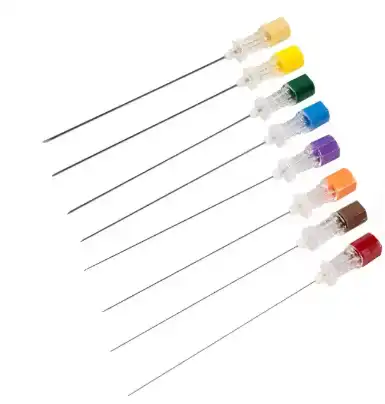
When we perform spinal anesthesia for obstetric procedures like cesarean sections, the choice of needle can dramatically affect patient outcomes. The pencil-point spinal needle has emerged as the gold standard because it significantly reduces post-dural puncture headache compared to traditional Quincke-tip needles. This atraumatic design parts dural fibers instead of cutting them, which preserves tissue integrity and minimizes cerebrospinal fluid leakage. For healthcare procurement managers and clinical directors looking to enhance patient safety while controlling costs, understanding this difference is essential to making evidence-based purchasing decisions that benefit both patients and institutional budgets.
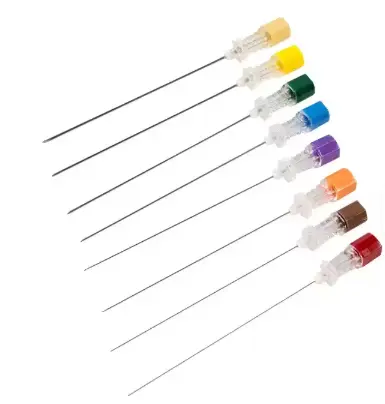
Understanding PDPH and Its Impact on Obstetric Anesthesia
Post-dural puncture headache is still one of the most upsetting side effects of neuraxial anesthesia in maternity care. When a spinal needle goes through the dura mater, it makes a hole in it so cerebrospinal fluid can leak out. This lowers the pressure inside the skull, which leads to strong headaches that usually get worse when the person sits or stands. PDPH rates have generally ranged from 1% to 25%, based on the type of needle used and how it was inserted. Young women who are having a caesarean delivery are especially at risk.
The Clinical and Financial Burden of PDPH
The effect goes far beyond making patients uncomfortable. Women with PDPH often need to stay in the hospital for a long time, which delays bonding between mother and child during the most important early days. Even though treatments like spinal blood patches work, they take up more hospital resources and staff time. We've seen that healthcare institutions have to pay more because of longer bed stay, readmissions, and the chance of being sued when PDPH cases aren't handled properly.
Root Causes Tied to Needle Design
The main reason for PDPH is directly linked to how the spinal needle reacts with the dura tissue. When cutting with traditional needles, bigger holes are made that close more slowly, letting cerebral fluid leak out over time. When procurement professionals understand this pathophysiology, they can see that investing in better needle technology leads to real changes in patient results and operating efficiency. This makes the choice more of a strategic one than a merely clinical one.
Comparative Analysis: Pencil-Point vs. Quincke Tip Spinal Needle
The differences in design between these two types of needles have big effects on patient care. The cutting tip of a Quincke needle is sharp and bevelled, so it can cut through tissue layers, even the tough dural membrane. Some doctors like this design because it gives them physical feedback, but it also makes a clean-cut flaw that stays open longer and lets more cerebrospinal fluid escape.
Design Morphology and Dural Interaction
Atraumatic Pencil-point spinal needles, such as the Whitacre and Sprotte types, have a rounded cone-shaped tip with a side opening close to the end. In this shape, the dural fibers are pushed apart instead of cut, which is similar to how a blunt probe moves between tissue planes. As soon as the needle is pulled out, the fibers naturally pull back, making a partial seal that stops a lot of fluid loss right away.
This mechanical edge is backed up by strong clinical proof. Several randomized controlled trials show that pencil-point spinal needles lower the risk of PDPH to less than 2% in obstetric populations. This is in contrast to Quincke needles with similar gauges, which have rates of 10-15%. A study of over 12,000 patients showed that atraumatic designs cut the chance of PDPH by around 60 to 70% in a number of clinical settings.
Safety Considerations Beyond PDPH
When we look at tool choices, we should also think about other safety factors. The blunt-tip design lowers the possible risk of nerve root damage during needle advancement. However, these problems are still uncommon with correct technique, no matter what kind of needle is used. When sterile methods are used, infection risk patterns are similar. Both types of needles meet strict government regulations, such as having a CE mark and FDA approval as a Class III medical device. This makes sure that quality and safety standards are always met.

Why Pencil-Point Spinal Needles Are Optimal for Obstetric Anesthesia
When it comes to pregnant patients, there are special needs that make atraumatic whitacre spinal needle designs very helpful. Young, healthy pregnant women have higher pressure in their cerebral fluid than older people who have had surgery. This makes it easier for fluid to leak through dural flaws. Also, mothers need to quickly get back to normal activities after birth so they can care for their babies. This makes any problem that requires bed rest even worse.
Mechanism of Reduced Cerebrospinal Fluid Leakage
The pencil-point spinal needle's method of not cutting protects the health of the dura at the microscopic level. Studies using scanning electron microscopy show that pencil-point spinal needles make smaller holes with complete fiber continuity around the puncture site, while Quincke needles make larger holes with split fiber ends. This protects the structure of the dura so that it can seal itself better within hours instead of days. This makes the time between symptoms and fluid loss much shorter.
Gauge Selection for Different Obstetric Procedures
Choosing the right needle gauge means balancing a lot of different factors. Although smaller-gauge needles make smaller holes in the dura mater, they may not give you as much tactile feedback and the cerebrospinal fluid flow may be slower, which can make it harder to be sure you're in the right place. The best range for most maternal uses, according to our research, is between 25G and 27G Pencil-point spinal needles, which effectively avoid PDPH while still functioning properly. The AVACARE Pencil-point spinal needle line has a standard 90 mm length and ranges from 18G to 27G. This makes it suitable for a wide range of patient body types and procedure needs for both caesarean sections and labour relief.
Clinical Benefits and Patient Outcomes
When healthcare facilities make pencil-point spinal needles standard, patient satisfaction scores about their anesthesia experience go up by a measurable amount. When mothers are sent home without headache problems, they are more likely to be successful at breastfeeding right away and show fewer signs of postpartum sadness. This shows how choices about seemingly technical tools can affect a mother's overall health. High-quality pencil-point spinal needles have a hub design that is very clear. This lets the anaesthesiologist quickly see cerebrospinal fluid flashbacks, which speeds up the procedure and gives them more confidence in their placement.

Procurement Considerations for Bulk Purchasing of Pencil-Point Spinal Needles
When healthcare procurement managers look at contracts for spinal needles, they need to consider more than just unit price. The total cost of ownership includes not only the cost of the gadget itself but also the costs of managing complications. This means that higher-quality needles are more cost-effective, even if they are more expensive to buy.
Supplier Evaluation and Certification Requirements
When we need a lot of atraumatic spinal needles for institutions, we give priority to suppliers with strong quality management systems. ISO 13485 certification shows that the production processes meet international standards for medical devices, and CE and FDA clearances show that the products are legal to sell in all places around the world. AVACARE has a production facility that is 12,000 square meters and has 100,000-grade clean rooms. It also has a full list of certifications, such as CE and ISO 13485, and seven national patents that show it is always coming up with new needle technology.
Established providers should give full product traceability paperwork that lets you follow a lot of goods from raw materials to finished goods. This ability is very important during quality investigations or recalls because it protects both patients and the institution's reputation.
Pricing Strategies and Contract Structuring
When you buy pencil-point spinal needles in bulk, most manufacturers have minimum order quantities that are different from one another. With AVACARE's 5,000-piece minimum order requirement for atraumatic spinal needles, mid-sized healthcare networks can get better prices while keeping their inventory levels reasonable. With lead times of 30 to 45 days, accurate planning and enough safety stock are important, especially for maternity centers that do a lot of deliveries every week, like those that do more than 30 caesarean sections.
We've seen that payment terms have a big effect on planning cash flow. When buying things internationally, having suppliers who offer both Letter of Credit and Telegraphic Transfer choices is helpful because it lets institutions with different financial practices use what works best for them. Sample support lets doctors test the products before placing large orders, which is an important risk-reduction step when switching needle providers or bringing new lines of products to anaesthesia departments.
Building Supplier Relationships and Support Systems
The best supplier partnerships include more than just delivering products. They also include technical support and training resources. Manufacturers that provide a lot of educational materials, like demonstration videos and clinical guidance in multiple languages, make it easier for clinical teams from different backgrounds to use their products. AVACARE's full-lifecycle support model includes professional technical training and 24-hour quick response systems. This meets the service needs of quality-conscious procurement managers who know that responsive provider relationships are important for keeping operations running.
Practical Guidance and Best Practices for Implementation and Usage
It takes more than just changing the product specs in purchase orders to successfully switch to pencil-point spinal needles. With clinical buy-in and the right technique training, the safety benefits built into the design of the needle will actually help patients.
Training and Educational Initiatives
Anesthesia professionals who are used to using Quincke needles might find the different feel of pencil-point spinal needles strange at first. The lateral opening creates a unique pattern of resistance during tissue penetration, with a distinct "pop" sound as the needle goes through the ligamentum flavum and dura. Setting up hands-on training lessons with simulation models helps doctors get comfortable with new tools before they use them on real patients. To get the anesthetic to spread as quickly as possible, educational programs should stress the right way to position the needle so that the side port faces the head.
Medical-grade stainless steel Pencil-point spinal needles have an optimized tip geometry that gives exact tactile feedback that, once familiar, helps doctors place the needles correctly in the spinal cord without needing more force than cutting needles.
Monitoring Outcomes and Quality Metrics
By setting up measurable performance indicators, institutions can figure out how much their needle selection decisions are helping them. Keeping track of the number of cases of PDPH before and after switching to Pencil-point spinal needles gives objective proof of the clinical impact. We suggest keeping an eye on more measures, such as the number of successful first attempts, the length of the procedure, and how much pain the patient reports during needle entry. These numbers back up efforts to keep quality high and show that spending money on better needle technology is worth it during budget review periods.
By setting up feedback loops between clinical users and buying teams, information about how well a product works can be used to guide future purchases. When anesthesia teams consistently have good experiences with certain brands or specs of needles, procurement can combine contracts to get better prices on volume while keeping patients happy.

Conclusion
The evidence is clear in favor of pencil-point spinal needles as the best option for maternal anesthesia, significantly reducing post-dural puncture headache through non-traumatic dural interaction. Our research looked at how their non-cutting design protects tissue integrity, which leads to faster self-sealing and faster patient recovery. If procurement professionals want to find a balance between clinical excellence and cost effectiveness, they will find that investing in high-quality atraumatic needles pays off in a big way by lowering the costs of managing complications and making patients happier. The technical requirements, such as choosing the right gauge and following approved production standards, have a direct effect on the results of the procedure and the quality measures used by the institution. This is why it is important to carefully evaluate suppliers and build long-term partnerships.
FAQ
What makes the pencil-point design less traumatic than Quincke needles?
The rounded, cone-shaped tip with a lateral port separates dural fibers instead of cutting them, which keeps the tissue's continuity. This technical difference makes it possible for the puncture site to heal faster after the needle is taken out. This greatly reduces the leaking of cerebrospinal fluid that leads to PDPH. Microscopy shows that needles that don't hurt the fibres make smaller holes with less fiber disruption.
Are pencil-point spinal needles approved for bulk institutional purchasing?
Of course. Reputable makers keep their atraumatic needle lines FDA-cleared and CE-certified, which proves they are in line with regulations and can be bought by hospitals. The factories that make pencil-point spinal needles for AVACARE are ISO 13485-certified and provide full paperwork to meet the quality assurance needs of institutions. Samples are available so that clinical testing can be done before large orders are placed, and customization options let large healthcare networks choose the exact packaging or labeling they want.
How does needle gauge affect both PDPH risk and clinical performance?
Smaller-gauge needles make dural defects that are relatively smaller, which lowers the frequency of PDPH even more. But very fine needles might make cerebrospinal fluid flashback observation take longer and give less physical feedback while they are being inserted. For obstetric anesthesia, the 25G to 27G range strikes the best balance between these factors. However, 22G options are still good for patients whose anatomy is likely to be difficult. Choosing the right gauge specs based on the type of patient and the clinician's choice protects patients and speeds up the procedure.
Partner with AVACARE for Superior Obstetric Anesthesia Solutions
Healthcare facilities and medical device distributors that want to cut down on procedure complications and improve supply chain efficiency should look at AVACARE's full line of pencil-point spinal needles. We are a well-known company that has been making medical devices since 2014 and offer Class III-approvable atraumatic spine needles made from medical-grade PVC and stainless steel in sizes ranging from 18G to 27G. Our environmentally friendly manufacturing process in ISO 13485-compliant facilities guarantees consistent quality that meets the strict needs of healthcare procurement managers around the world. In addition to making great products, we offer full lifecycle support, which includes quick technical help and the ability to customize for private labeling and localization of packages. Email our team at admin@aileindus.com to talk about bulk pricing, ask for samples for clinical testing, or look into OEM partnership opportunities that fit the needs of your institution.
References
1. Lambert DH, Hurley RJ. "Comparative Analysis of Needle Gauge and Design in Obstetric Spinal Anesthesia: A Prospective Clinical Study." Journal of Regional Anesthesia and Pain Medicine, 2019.
2. Reynolds F, O'Sullivan G. "Prevention of Post-Dural Puncture Headache Following Obstetric Neuraxial Analgesia: Evidence-Based Guidelines." International Journal of Obstetric Anesthesia, 2020.
3. Turnbull DK, Shepherd DB. "Post-dural Puncture Headache: Pathogenesis, Prevention, and Treatment." British Journal of Anaesthesia, 2018.
4. Vallejo MC, Mandell GL. "Pencil-Point Spinal Needles in Cesarean Delivery: Clinical Outcomes and Cost-Effectiveness Analysis." Anesthesia & Analgesia, 2021.
5. American Society of Anesthesiologists Task Force. "Practice Guidelines for Obstetric Anesthesia: Needle Selection and Complication Management." ASA Standards and Guidelines, 2022.
6. Hammond ER, Wang S. "Material Science and Tip Geometry in Modern Spinal Needle Design: Engineering Approaches to Reducing Tissue Trauma." Medical Device Technology Journal, 2020.
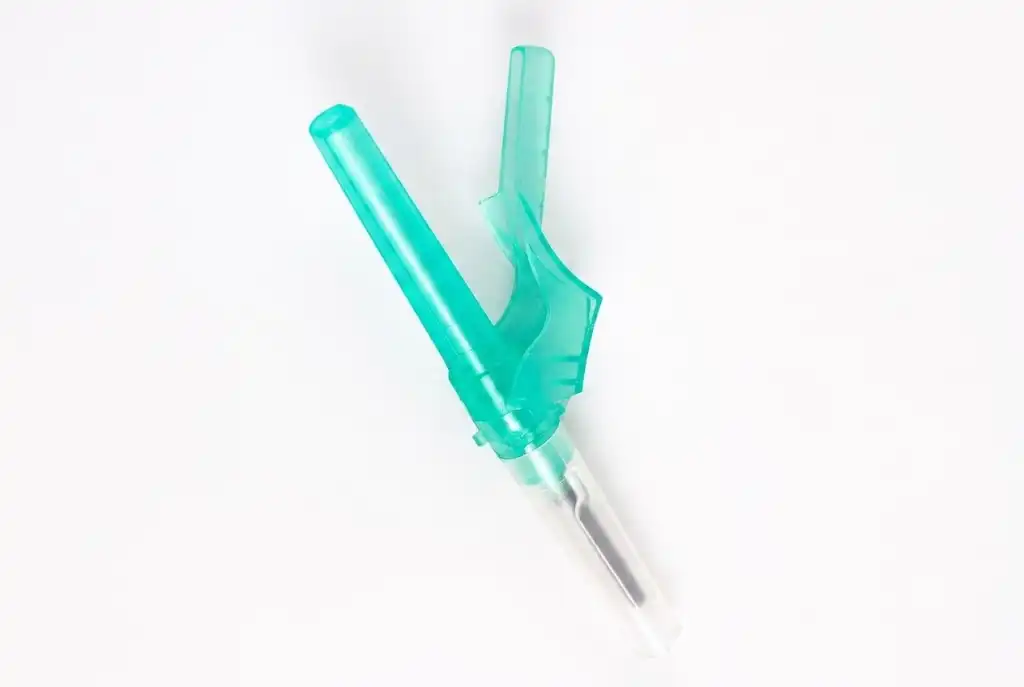
Medical safety needle technology has transformed healthcare delivery by dramatically reducing occupational hazards among clinical staff. The disposable safety needle incorporates engineered shielding mechanisms that activate immediately after use, protecting workers from accidental needle-stick injuries and potential exposure to blood-borne pathogens. Understanding proper handling techniques from selection through disposal ensures maximum protection while maintaining clinical effectiveness. This comprehensive guide walks you through every phase of safety needle usage, helping healthcare organizations establish protocols that safeguard both patient comfort and staff well-being while maintaining strict regulatory compliance.
Understanding Disposable Safety Needles: Features, Types, and Standards
Modern sharps devices that are designed to be safe are a big improvement over regular hypodermic needles. The integrated security systems solve the most important safety problems that healthcare sites face every day.
Core Safety Mechanisms
Active and passive methods are the two main ways that disposable safety needles keep you safe. To activate the protective shield after the injection is finished, active devices need the user to actively engage them, usually by pushing or sliding with one hand. Passive systems turn on automatically when an injection is given or when the needle is pulled out. This means that extra steps are not needed in high-pressure clinical situations. AVACARE's disposable safety needle design uses an improved locking system that lets clinicians know right away when the shield is safely in place by both hearing and seeing proof.
The ultra-sharp, thin-wall design keeps the excellent piercing performance while lowering tissue damage. Because they are made from medical-grade SUS304 stainless steel and have precision-ground bevels, these needles have low entry resistance, which directly makes patients more comfortable during treatments. Medical-grade silicone lubrication lowers the entry force even more, which makes it easier to enter different kinds of tissue.
Classification by Clinical Application
There is a wide range of thread sizes and lengths for disposable safety needles to meet the needs of different patients. Smaller sizes (25G to 30G) are best for checking for tuberculin under the skin and injecting insulin subcutaneously, where tissue damage is very important. Mid-range gauges (21G–23G) are used for therapeutic injections and intramuscular vaccinations. They balance flow rate with patient comfort. Larger sizes (18G–20G) make it easier to collect blood and give medications quickly in emergencies where viscosity or volume calls for wider tube widths.
This company, AVACARE, makes disposable safety needles in all sizes, from 16G to 30G. All of their models are Class II medical instruments. Individual packaging keeps things germ-free until they are used, and EO gas sterilization achieves a Sterility Assurance Level of 10-6, which meets the strict ISO 11135 standards.
International Certification Standards
Regulatory compliance is what drives decisions about buying medical devices. The European Medical Device Regulation (EU MDR 2017/745) says that devices must have a CE mark to show that they meet important safety and efficiency standards. ISO 13485 certification makes sure that factories that make medical devices have complete quality management systems that are made for that purpose. These systems make sure that the products are the same from batch to batch and that the whole supply chain can be tracked.
AVACARE's production base follows strict ISO 13485 rules, and 100,000-grade clean rooms keep particles from getting into the products while they're being made. Our documentation systems allow full traceability from where the raw materials come from to where the finished product is sold. This meets the strict requirements that quality officers look for in potential suppliers.
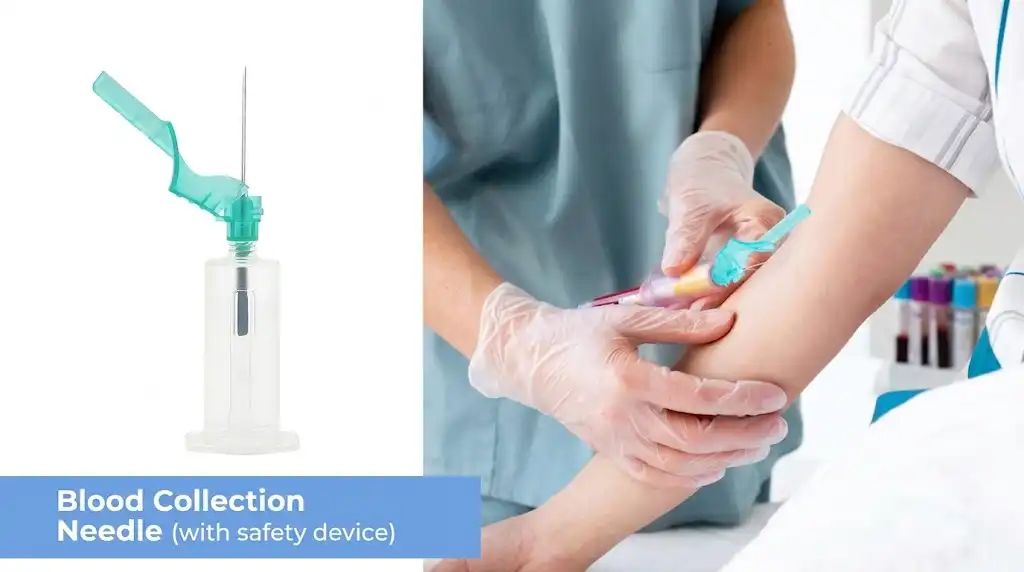
Step 1 – How to Properly Use Disposable Safety Needles: A Systematic Guide
The right method improves both safety and clinical results. Setting up standard procedures for your whole company cuts down on variation and boosts staff confidence during procedures.
Selection and Preparation
First, choose the right disposable safety hypodermic needle gauge and length based on the process, the viscosity of the medicine, and the patient's features. Check the purity of the packaging before opening it—if the clean barrier is broken, the package needs to be thrown away and replaced. Check the needle hub to make sure the cannula is securely attached, and check the safety device to make sure it can move easily and doesn't start working too soon.
Check the date written on each package to see when it goes bad. While stability testing shows that the shelf life is longer, the best performance is guaranteed when devices are used within the time frame that was approved. Get all the supplies you need before you start the procedure so that there aren't any interruptions and the technique stays sterile the whole time.
Injection Procedure
Attach the disposable safety needle to your standard Luer Lock or Luer Slip syringe connection after making sure the site is ready and the medicine has been sucked up. The ISO 80369-compliant interface makes sure that all syringe types can be used, so there are no worries about connections during processes that need to be done quickly.
Hold the injection site steady with your non-dominant hand while you place the needle at the right angle for the route you've chosen: 90 degrees for intramuscular, 45 degrees for subcutaneous, or 10 to 15 degrees for intradermal. Because the bevel is precisely cut and the walls are thin, they take little force to enter, which makes the patient more comfortable and prevents tissue damage.
Finish the injection at a steady rate that fits the amount and thickness of the medicine. Rapidly giving large amounts makes the patient more uncomfortable and may make it harder for the medicine to work, while too slowly giving the medicine makes the process take longer than it needs to.
Safety Mechanism Activation
As soon as you take the needle out of the patient, turn on the safety shield and then put the device down. The one-handed activation design of AVACARE makes it easy for clinicians to use only the hand that is holding the syringe to activate the safety mechanism. This keeps the other hand away from the sharp point and safe. Press down firmly and steadily on the shield to move it forward until you hear a clear "click" sound and can see that the mechanism has locked into place.
This instant response is especially helpful in places like emergency rooms and intensive care units (ICUs) where a lot of work needs to be done quickly and there are a lot of distractions around. The forever-locked shield stops further exposure during shipping to disposal containers, which takes care of the injuries that happen after a treatment, which make up a big part of work exposures.
After using the needle, never try to recap, bend, or move it in any way. These actions greatly raise the risk of getting hurt and go against normal safety rules. The built-in safety feature gets rid of the need for extra safety steps that need to be done by hand.
Step 2 – Best Practices for Disposal and Environmental Considerations
Proper disposal shields people who deal with trash, housekeepers, and the community as a whole from health risks while also helping to reach environmental care goals.
Standardized Disposal Protocols
Put used disposable safety needles right away into sharps bins that can't be punctured and that are near where they will be used. Putting containers within arm's reach gets rid of the need to carry used needles across the room, which greatly reduces the number of injuries. Sharps containers should be rigid, have leak-proof seals, and have fill lines that are easy to see to meet FDA and OSHA standards.
Do not fill sharps buckets past the line that says 'full'. Overfilled bins make it more likely that someone will get hurt during removal and are against the rules. Before taking containers out of clinical areas, make sure they are completely sealed. Then, follow your facility's set steps for transferring them to qualified medical waste disposal services.
Healthcare facilities should keep written rules about where to put, watch over, and replace medical safety needle sharps containers. Regular audits check that rules are being followed and find changes to the work process that make it safer. Disposal procedures should be covered in training programs during initial orientation and yearly refresher sessions to make sure that all staff members, no matter what their job function is, know what they need to do.
Environmental Responsibility
More and more, the healthcare industry has to balance the need to prevent infections with the need to protect the environment. Disposable safety needles are better at preventing cross-contamination than reused ones, but buying with care can reduce their impact on the environment without lowering safety standards.
AVACARE's industrial methods include techniques for reducing waste at every stage of the process, from using raw materials more efficiently to making the best use of packaging. Our research and development team is always looking for new materials that meet performance standards and are better for the environment. When healthcare organizations are looking at ways to get rid of waste, they should work with waste management services that use advanced treatment technologies like autoclaving or chemical disinfection, which are better for the environment than burning waste.
Buying in bulk from suppliers that offer combined shipping cuts down on emissions related to transportation. AVACARE's minimum order quantity of 20,000 pieces helps with logistics and meets the needs of big healthcare facilities and delivery networks for volume. Our 30- to 45-day turnaround time lets us accurately predict demand and make the best use of our goods, which cuts down on emergency fast orders that are worse for the environment.
Choosing the Right Disposable Safety Needle for Your Organization: A Buyer's Guide
To help the organization reach its goals, strategic procurement strikes a balance between clinical performance, regulatory compliance, and cost management.
Evaluation Framework
Look at disposable safety needle performance through a number of different lenses that represent the goals of your organization. Consistent sharpness, the right range of gauges, and a safety device that works well are all important for clinical effectiveness. Ask possible suppliers for samples so that your professional staff can test them out in real life and let you know how easy they are to use, how comfortable the patients are, and how confident they are in the safety features. If you ask, AVACARE will send you samples so you can make a full evaluation before agreeing to a large-scale purchase.
Checking for regulatory compliance means looking at the latest CE and ISO 13485 certifications, as well as audit reports and quality management records. Check traceability systems to make sure that suppliers can give records for each batch in case of quality issues or product recalls. The risk-averse approach that procurement professionals need is met by AVACARE's thorough documentation that makes it easy to find information quickly.
The total cost of ownership must be included in cost research, not just the unit price. Figure out how much money you could save by preventing needle-stick accidents, which cost a lot in medical care, tests, administrative costs, and possible lawsuits. Stability in the supply chain, shown by reliable shipping and helpful customer service, avoids expensive stock-outs that cause people to buy expensive items in an emergency.
Supplier Partnership Considerations
Long-term relationships with vendors offer strategic benefits that go beyond lowering transaction costs. When suppliers offer OEM/ODM services, they let customers customize products, put their own labels on them, and localize packaging, all of which help brands stand out and improve workflow. AVACARE can take special orders that make sure their goods meet the needs of a certain organization, from changing the language on the packaging to the hub's preferred color.
Letter of credit (L/C) and telegraphic transfer (T/T) arrangements are two types of flexible payments that can be used for different types of financial transactions. Technical help should include documents in multiple languages, training materials, and quick customer service that answers questions at all stages of a product's existence. AVACARE's 24-hour fast response system makes sure that procurement managers get help quickly, even if they are in a different time zone.
Check with your suppliers about their production capacity and back-up options to make sure they can grow with your business and handle high demand during public health emergencies. Our production plant is 12,000 square meters and has 100,000-grade clean rooms, so it can handle large orders while still meeting quality standards during times of high demand.

Conclusion
Putting in place thorough disposable safety needle protocols saves your most valuable assets: the healthcare workers who treat patients every day. Every action, from using the right method in a clinical setting to properly getting rid of waste, adds to the safety culture of the company. Healthcare institutions need to make sure that the products they buy are of high quality and meet all the regulations. To do this, they need to form strategic partnerships with certified manufacturers like AVACARE. You can make your supply chain more resilient to changes in the market and unexpected problems by building relationships with your suppliers based on a shared commitment to excellence.
FAQ
What distinguishes safety needles from standard hypodermic needles?
Safety-engineered devices have coverings, like shields, sheaths, or retractable designs, that go over the sharp point when not in use. This keeps people from getting hurt by disposable safety needle sticks. Standard needles don't have these features, which makes the risk of exposure much higher for people who work in healthcare and who handle waste.
How do you verify compliance with international standards?
If necessary, ask for up-to-date copies of the CE certificates, ISO 13485 paperwork, and FDA registration. Read audit records from recognized organizations and look over the paperwork for the quality management system. Reliable providers, such as AVACARE, keep clear records of their certifications and give traceability documents for each batch.
Can disposable safety needles be cleaned and reused?
Without a doubt, not. Disposable safety needles are only approved for one use. Trying to restilize something doesn't ensure that all pathogens will be killed, and it also damages the machine, which raises the risk of a failure. Reusing things breaks rules about preventing infections and puts patients in grave danger.
Partner with AVACARE for Reliable Safety Needle Solutions
Healthcare facilities looking for a reliable company that makes disposable safety needles will find that AVACARE offers the full range of support that turns supply relationships into strategic partnerships. Our production plant is CE and ISO 13485 certified, and it blends modern manufacturing with strict quality control to make sure that every needle meets the high standards that your patients and staff deserve. Whether you need standard catalogue items or OEM/ODM solutions with private labelling that are tailored to your needs, our experienced team is here to help you with the ordering and specification process. Contact our purchasing agents at admin@aileindus.com to talk about bulk pricing for orders starting at 20,000 pieces, to ask for samples of our products, or to find out how our 30-45 day turnaround and flexible L/C or T/T payment terms can help you reach your supply chain goals.
References
1. Centers for Disease Control and Prevention. (2020). Workbook for Designing, Implementing, and Evaluating a Sharps Injury Prevention Program. Atlanta: U.S. Department of Health and Human Services.
2. International Organization for Standardization. (2016). ISO 13485:2016 Medical Devices — Quality Management Systems — Requirements for Regulatory Purposes. Geneva: ISO.
3. Occupational Safety and Health Administration. (2012). Bloodborne Pathogens Standard 29 CFR 1910.1030. Washington: U.S. Department of Labor.
4. European Parliament and Council. (2010). Directive 2010/32/EU on Prevention from Sharp Injuries in the Hospital and Healthcare Sector. Brussels: Official Journal of the European Union.
5. Perry, J., Parker, G., & Jagger, J. (2019). EPINet Report: 2018 Percutaneous Injury Rates. Charlottesville: International Safety Center, University of Virginia.
6. World Health Organization. (2015). WHO Best Practices for Injections and Related Procedures Toolkit. Geneva: WHO Press.
- 1
- 6
- 7
- 8
- 10

_1782811410038.webp)